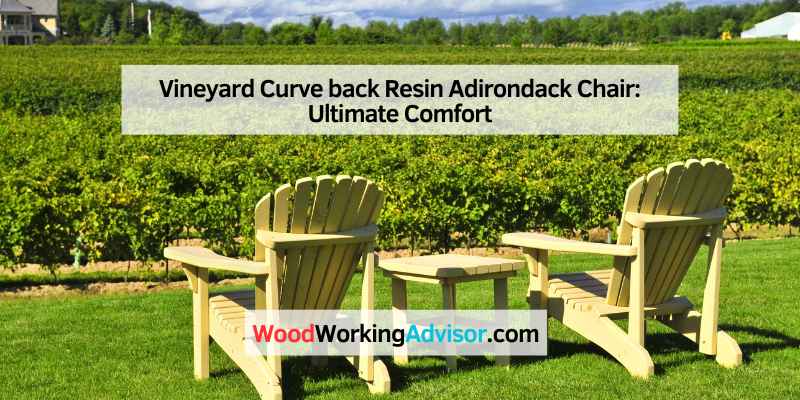
Curveback Resin Adirondack Chair: What the Curve Actually Does
A curveback resin Adirondack chair gets its name from the reclined, curved backrest slats that follow the shape of your spine instead of sitting flat like a traditional Adirondack design. Resin (usually HDPE lumber or injection-molded polypropylene) means no annual staining or sanding, and no splinters. Below is what actually separates a good one from a chair that cracks after one winter, plus a verified, currently in-stock pick if you want to skip the research.
Adirondack chairs with a “curveback” get that name from POLYWOOD’s original Curveback line, and the style has since been copied across the resin-furniture market under different brand names – which is also why you’ll see near-identical chairs listed as “Vineyard,” “plastic resin,” or simply “curved-back” Adirondack chairs. They’re built the same way: a wide, slightly reclined seat, a curved backrest, and either solid HDPE lumber or hollow injection-molded resin as the material.
What Makes a Curveback Design Different
The curveback design solves the one complaint people have about classic Adirondack chairs: the flat, straight-up backrest. Curved slats angle back gradually instead of at one sharp bend, which spreads your weight across your whole back instead of concentrating it at the point where the seat meets the back.
Two Kinds of “Resin” – and Why It Matters
Not all resin Adirondack chairs are built the same way. There are two common constructions, and the difference affects price, weight, and how long the color lasts:
| Construction | How It’s Made | Trade-off |
|---|---|---|
| Solid HDPE lumber | Recycled plastic milled into solid “boards,” assembled like real lumber | Heavier (35-45 lb), color runs all the way through, won’t chip |
| Hollow injection-molded resin | Polypropylene molded as one hollow shell | Lighter (15-20 lb) and cheaper, but color is a surface layer that can scratch through to white plastic underneath |
If you plan to leave the chair outside year-round, solid HDPE lumber construction is worth the extra cost. If you’re moving chairs in and out of storage seasonally, the lighter hollow-molded version is easier to carry.
OUR PICK – CURVEBACK RESIN ADIRONDACK
 |
POLYWOOD Modern Curveback Adirondack Chair – $279.00 Made in the USA from solid HDPE lumber (recycled plastic, not painted wood), so the color goes all the way through and won’t chip, peel, or fade like a stained resin chair can.
|
As an Amazon Associate we earn from qualifying purchases.
Weather Resistance: What “Resin” Actually Withstands
Resin outdoor furniture is UV-stabilized during manufacturing, which is what actually stops fading – the resin itself doesn’t fade less than wood, it’s the additive that absorbs UV light before it breaks down the color pigment. Cheaper chairs skip this additive or use less of it, which is why some budget resin chairs turn chalky white within a year in sunny climates.
Real-World Weather Notes
- Freeze-thaw cycles: HDPE and polypropylene don’t absorb water, so they won’t crack the way solid wood can when trapped moisture freezes.
- Extreme heat: Dark colors (black, dark green) get noticeably hotter to the touch than white or pastel colors in direct summer sun – worth factoring in if you’re in a hot climate.
- Coastal/salt air: Resin doesn’t corrode, but check that hardware (screws, bolts) is stainless steel, not just “coated” – coated hardware can still rust once the coating scratches.
Cleaning and Long-Term Care
Resin furniture needs less upkeep than wood, but “no maintenance” isn’t accurate – mildew and pollen buildup in the seams of curved backrests is the most common complaint.
Cleaning Steps
- Mix a few drops of dish soap into warm water – avoid bleach-based cleaners, which can yellow lighter colors over time.
- Scrub the backrest curves and seat seams with a soft-bristle brush; this is where mildew collects first.
- Rinse thoroughly with a garden hose.
- Air dry in the sun, which also helps kill any remaining mildew spores.
For stubborn mildew stains, a diluted white vinegar solution works without damaging the finish the way harsh solvents can.
Storage Between Seasons
- Stacking: Most curveback chairs are not designed to stack – check the product listing before assuming they do, since forcing a stack can crack the arm rests.
- Covers: A breathable furniture cover (not a solid tarp) prevents trapped moisture from growing mold underneath.
- Hardware check: Before storing for winter, snug any loose bolts – resin expands and contracts slightly with temperature, which can work fasteners loose over a season.
Recycled-Material Construction
Most HDPE lumber used in resin Adirondack chairs comes from recycled plastic – commonly milk jugs and detergent bottles diverted from landfills. It’s worth confirming this on the specific listing you buy, since not every “resin” chair uses recycled content; some use virgin polypropylene, which is not recycled material even though it’s still plastic.
- HDPE lumber chairs are themselves recyclable at end of life through HDPE-accepting facilities.
- No stains, sealants, or wood treatments are needed, which means no chemical runoff into soil or waterways.
- A solid HDPE chair typically outlasts 2-3 generations of a cheaper wood or hollow-resin chair, which reduces total material sent to landfill over time even though the upfront cost is higher.
Assembly and Moving
Most curveback resin Adirondack chairs ship partially assembled or flat-packed with pre-drilled holes.
What to Expect During Setup
- Unpack and lay out all hardware first – missing a single stainless bolt is the most common assembly complaint in product reviews.
- Attach the leg/arm assemblies to the seat base using the provided hex key or Phillips screwdriver.
- Secure the curved backrest slats last, since they’re the heaviest single piece on solid-HDPE models.
- Snug, don’t overtighten – HDPE can crack around a bolt hole if it’s torqued down too hard.
Expect 20-40 minutes for a single chair. Solid HDPE lumber chairs run 35-45 lb assembled, so lift from the seat frame (not the armrests) when moving one alone.
Frequently Asked Questions
What is a curveback resin Adirondack chair?
It’s an Adirondack chair with a reclined, curved backrest (instead of a flat one) made from HDPE lumber or injection-molded resin instead of wood. The curve spreads your weight across your back instead of concentrating it at one bend point.
Is solid HDPE lumber better than hollow molded resin?
For chairs left outside year-round, yes – solid HDPE lumber runs the color all the way through the material so it can’t chip or scratch through to bare plastic, and it resists cracking better in freeze-thaw climates. Hollow molded resin is lighter and cheaper but the color is a surface layer.
Can a resin Adirondack chair be used indoors?
Yes. Resin doesn’t off-gas or require ventilation the way some finished wood does, so it works fine in a sunroom, covered porch, or as extra indoor seating.
How do you clean mildew off a curveback resin chair?
Scrub the backrest curves and seat seams (where mildew collects first) with warm soapy water and a soft brush, rinse with a hose, and air dry in direct sun. A diluted white vinegar solution handles stubborn mildew without bleach’s yellowing risk.
Conclusion
A curveback resin Adirondack chair is worth the higher price over a flat-back or hollow-molded version if you actually spend time in it – the reclined curve makes a real difference over a two-hour afternoon compared to fifteen minutes. Check whether a listing uses solid HDPE lumber or hollow-molded resin before buying, since that one spec drives most of the price, weight, and longevity differences covered above.