Mahogany Wood Slabs: What to Know Before You Buy (Drying Matters Most)
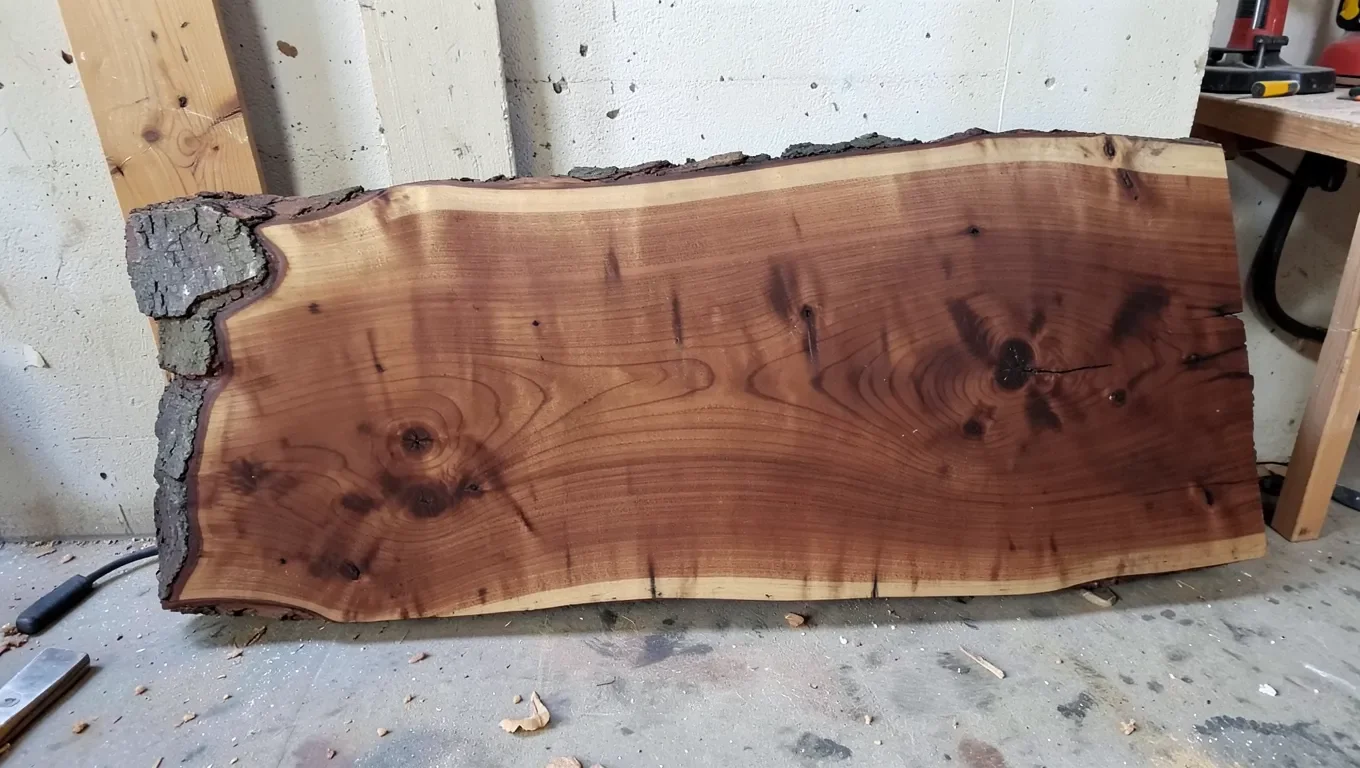
Before buying a mahogany slab, moisture content matters more than grain pattern or color — an improperly dried slab will crack and check after you get it home, regardless of how beautiful it looked in the seller’s photos. A properly kiln-dried or air-dried slab (down to roughly 6-8% moisture content for interior furniture use) is the real foundation everything else builds on.
Why Drying Is the Real Make-or-Break Factor
For the River-Table Look
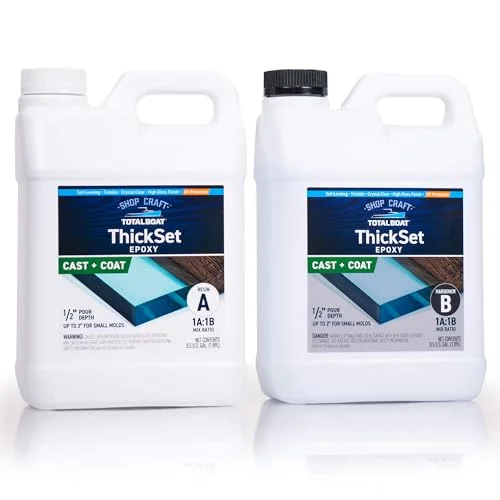 |
TotalBoat Thickset Deep Pour Epoxy Resin, 1 Gal – $74.99 Rated for 1/2″-2″ pours, the real depth needed to fill a live-edge crack or river-table gap in one go.
|
A thick slab dries much more slowly than dimensional lumber (often a year or more per inch of thickness for air-drying), and rushing this process is the single most common reason a beautiful slab develops large cracks after purchase. Ask the seller directly how the slab was dried and for how long — a kiln-dried slab with documented moisture content is a real, verifiable claim you can hold them to, unlike vague assurances that it’s “ready to use.”
Outdoor Use Still Needs Real Protection
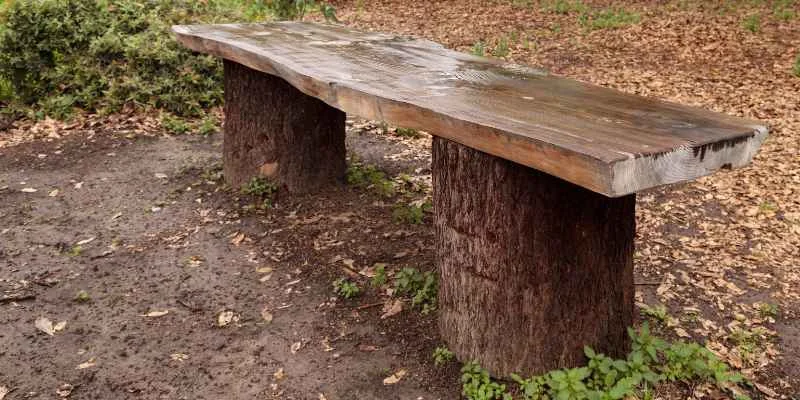
Mahogany’s moderate natural rot resistance doesn’t make a slab immune to outdoor weathering — an unsealed mahogany slab left outside will still gray, check, and eventually decay faster than a properly finished piece, the same real limitation covered in our broader mahogany durability guide. A UV-rated exterior sealer is genuinely necessary for any slab piece meant to live outdoors long-term, not an optional upgrade.
Live-Edge Cracks and Epoxy Rivers: A Real Design Solution
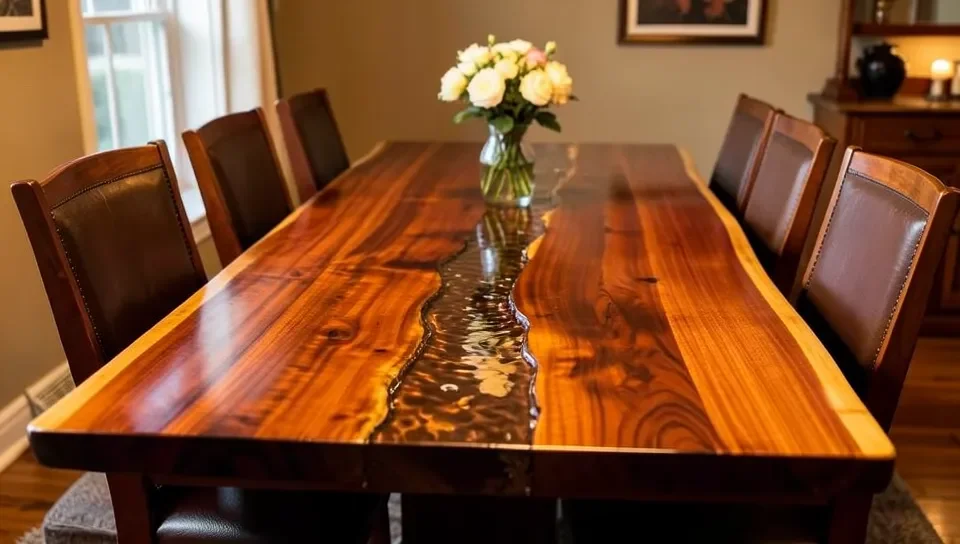
Natural checking and cracks along a slab’s live edge are common, not a sign of a defective piece, and filling them with clear or colored deep-pour epoxy has become a genuinely popular, structurally sound way to stabilize the crack while adding a real design feature (the “river table” look). This requires a true deep-pour epoxy formula rated for the actual depth of your gap — standard thin-pour epoxy overheats and can crack or cloud when poured too thick in one session.
Frequently Asked Questions
What’s the most important thing to check before buying a slab?
Moisture content and drying history. An improperly dried slab will crack after purchase regardless of how good it looks. Ask for documented kiln-drying or confirmed long-term air-drying.
Can a mahogany slab be used outdoors without a finish?
Not without real weathering. Mahogany’s moderate rot resistance doesn’t prevent graying and checking outdoors. A UV-rated sealer is genuinely necessary for long-term outdoor use.
Is cracking along a slab’s live edge a defect?
Not necessarily. It’s a common, natural occurrence that can be stabilized and turned into a design feature using deep-pour epoxy rated for the actual gap depth.
Conclusion
A mahogany slab’s real value depends on proper drying before you ever bring it home — ask sellers directly about moisture content and drying history, don’t assume from appearance alone. Live-edge cracks are normal and fixable with real deep-pour epoxy; outdoor use still needs genuine UV protection.
Sponsored / affiliate links. As an Amazon Associate I earn from qualifying purchases. I may earn additional commission from eligible campaigns.
 The Hardwood Edge Mahogany Hardwood Planks - 2-Pack Mahogany Wood for Unfinished Wood Crafts - 1/8’’ (3mm) 100% Pure Hardwood - Laser Engraving Blanks - Exotic Mahogany Planks for Crafts and Gifts
 The Hardwood Edge Mahogany Hardwood Planks - 4-Pack Mahogany Wood for Unfinished Wood Crafts - 1/8’’ (3mm) 100% Pure Hardwood - Laser Engraving Blanks - Exotic Mahogany Planks for Crafts and Gifts