Is Mahogany a Dark Wood? It Starts Light, Then Darkens
Mahogany is classified as a dark wood once finished, but genuine (Honduran/Cuban) mahogany actually starts out a pale pinkish-brown and only darkens into its famous deep reddish-brown over weeks of UV exposure and oxidation. Buy it expecting an instant dark tone and you’ll be disappointed on day one. This guide covers what causes the color change, how genuine mahogany’s Janka hardness (900 lbf) and color compare to African mahogany, walnut, and teak, and how to speed up or match that color yourself.
What Color Is Mahogany, Really?
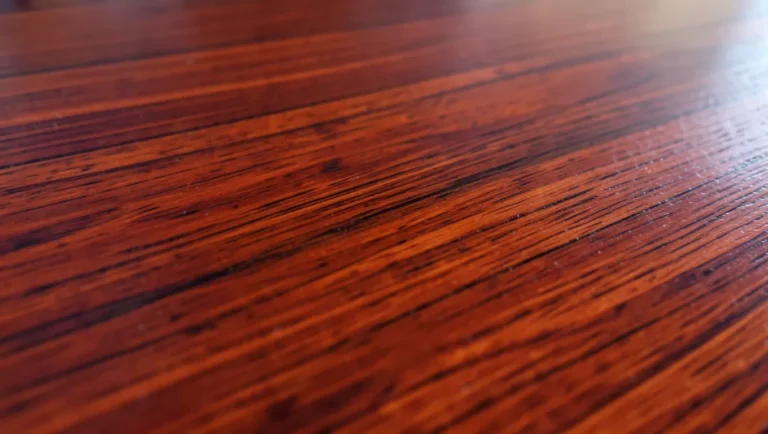
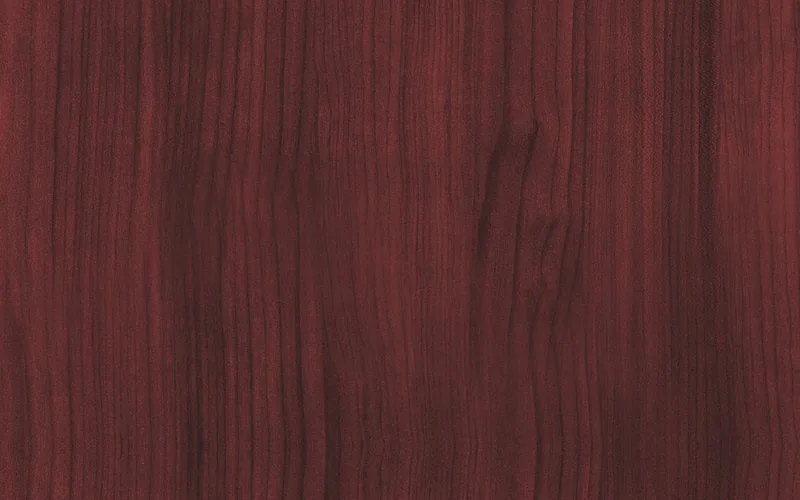
Mahogany is a hardwood that ranges from pale pinkish-brown when freshly cut to a deep reddish-brown after aging — it is not a single fixed shade. The color you see in a finished dining table or antique sideboard is the end state of a process, not the wood’s natural resting color.
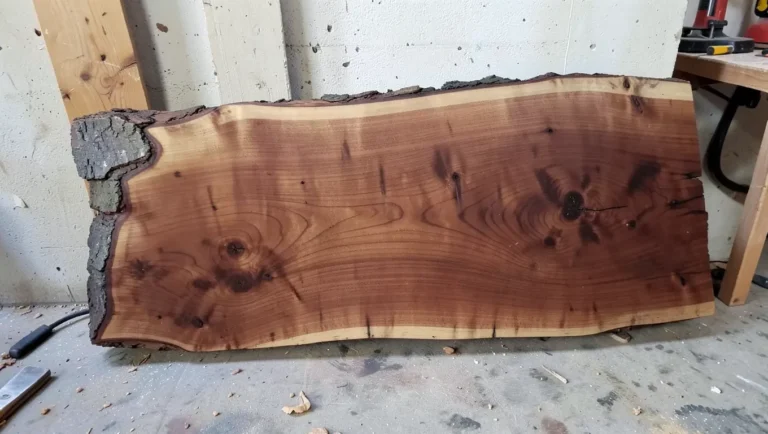
Cut a board of genuine Honduran or Cuban mahogany (Swietenia macrophylla or Swietenia mahagoni) and the fresh face is closer to salmon-pink than chocolate-brown. Within a few weeks of exposure to sunlight and air, the wood’s natural extractives oxidize and the surface deepens to the rich reddish-brown most people picture when they hear “mahogany.” Older, larger trees tend to produce timber that darkens further and faster than young, plantation-grown stock — a detail almost no buying guide mentions, but one that explains why two “mahogany” boards from the same supplier can look noticeably different a year apart.
African Mahogany Doesn’t Follow the Same Rule
African mahogany (genus Khaya) is the wood most often sold under the “mahogany” name today, since genuine Honduran and Cuban stock is CITES-restricted and increasingly scarce. Unlike genuine mahogany, African mahogany holds a lighter, more stable pinkish-brown color and does not darken nearly as dramatically with age. If a board you bought as “mahogany” still looks pinkish-tan a year later, it’s very likely African mahogany or a look-alike species, not a defect.
Best Mahogany-Tone Wood Stain Pick
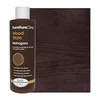 |
Furniture Clinic Wood Stain — Mahogany A water-based stain that reproduces aged mahogany’s reddish-brown tone on oak, pine, or other light woods in one coat, without waiting years for real oxidation.
|
As an Amazon Associate we earn from qualifying purchases.
Genuine Mahogany vs. African Mahogany vs. Common Look-Alikes
“Mahogany” gets used loosely in furniture listings, so it helps to see the real species side by side with the woods it’s most often confused with or compared to.
| Wood | Fresh Color | Aged Color | Janka Hardness |
|---|---|---|---|
| Genuine (Honduran) Mahogany | Pale pinkish-brown | Deep reddish-brown | 900 lbf |
| African Mahogany (Khaya) | Light pinkish-tan | Stays light, minimal darkening | ~850 lbf |
| Black Walnut | Chocolate brown | Slightly lightens with UV exposure | ~1,010 lbf |
| Teak | Golden-brown | Weathers to silvery-gray outdoors | ~1,000-1,155 lbf |
| Cherry | Light pinkish-brown | Darkens to reddish-amber | ~950-995 lbf |
Genuine mahogany and African mahogany share the same Janka hardness range, which is why hardness alone can’t tell you which one you have — see our full breakdown in is mahogany a hardwood. The clearest tell is color behavior over time: genuine mahogany keeps darkening for months, African mahogany largely doesn’t. For a side-by-side against walnut’s cooler brown tone specifically, see mahogany vs walnut color.
Why Mahogany “Reads” as a Dark Wood Even Though It Starts Light
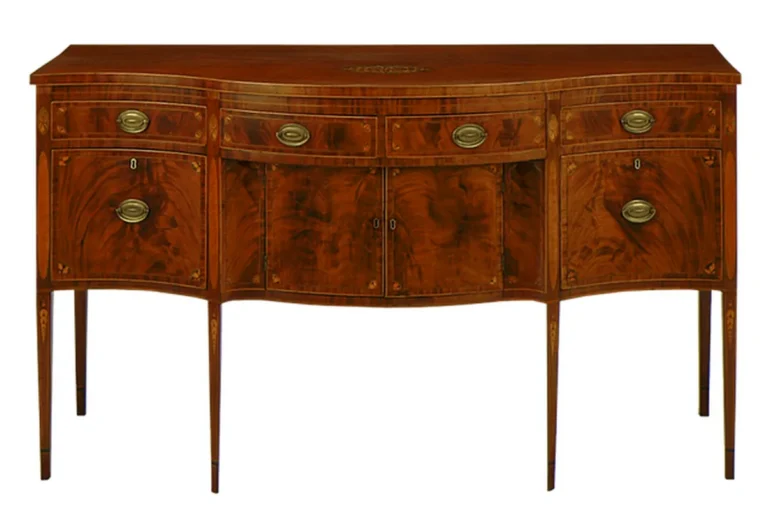
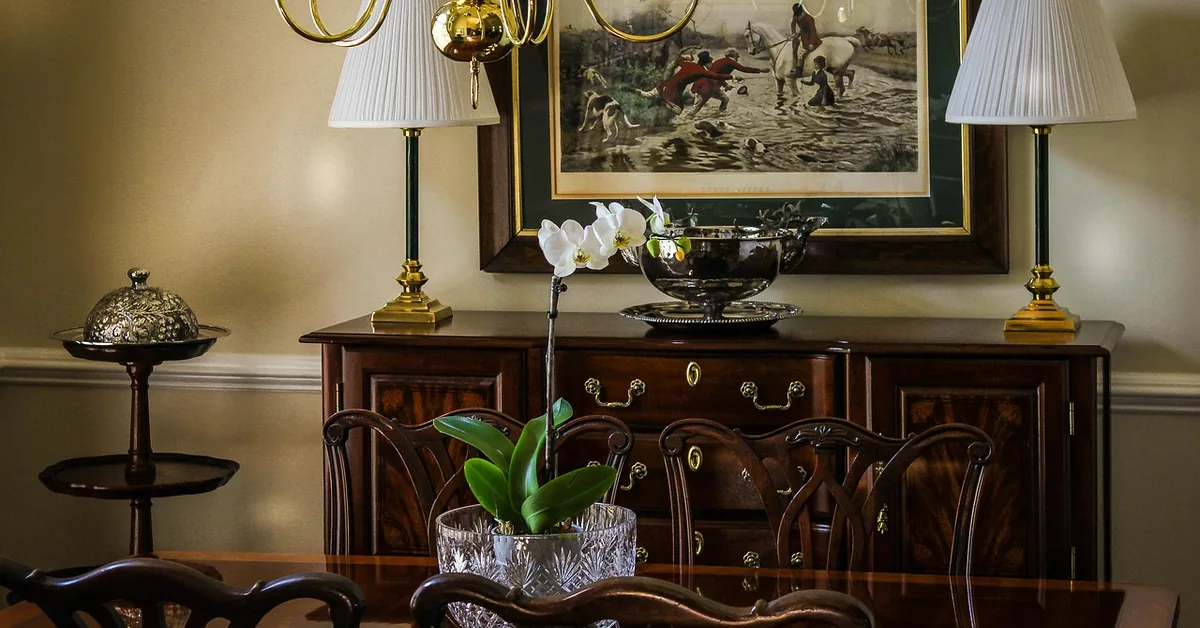
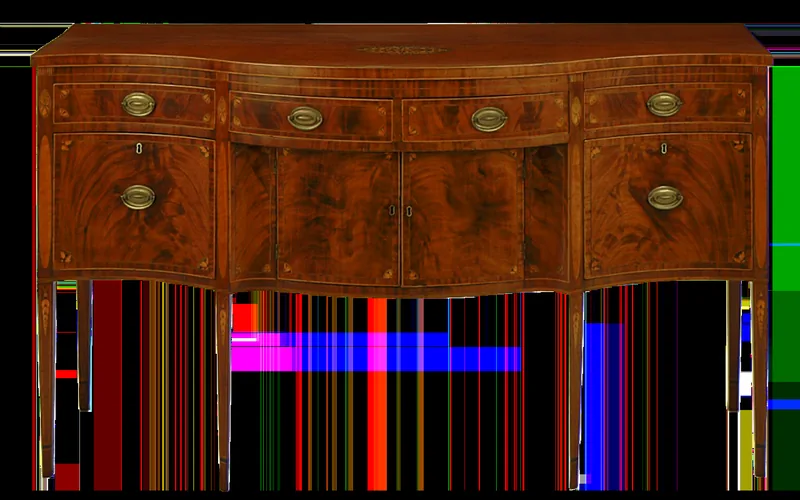
Mahogany’s reputation as a dark, luxury wood comes almost entirely from finished, decades-old furniture and flooring — the antique sideboards and boardroom tables people picture when they hear the word. That’s the wood at the end of its darkening process, not the beginning. Three things drive the change:
- UV oxidation: sunlight breaks down surface extractives, deepening the reddish-brown tone over roughly 4-8 weeks of regular light exposure.
- Finish choice: an oil-based varnish or shellac ambers with age and intensifies the underlying color; a water-white finish leaves the wood looking noticeably lighter for longer.
- Species and tree age: older, larger genuine mahogany trees produce timber that darkens more and faster than young or plantation-grown stock.
This is also why a newly built mahogany piece can look lighter than an antique next to it in a showroom — both are genuine mahogany, just at different points in the same oxidation curve.
Is Mahogany the Darkest Wood You Can Buy?
No. Mahogany is a mid-to-dark reddish-brown wood, but species like wenge, ebony, and black walnut heartwood all sit darker on the color scale. Mahogany’s appeal isn’t being the darkest option — it’s the combination of a warm reddish tone, a fine straight grain, and workability that woods like ebony (extremely hard and brittle) don’t offer. If your goal is the darkest possible wood rather than mahogany’s specific reddish cast, walnut or a dark stain over a lighter species (see the product pick above) will get you there faster and cheaper.
How to Keep — or Change — Mahogany’s Color
Whether you want to protect the dark tone mahogany has already developed or speed the process up on a new piece, the approach differs:
- Keep it out of direct, unfiltered sun for storage: ironically, the same UV exposure that darkens mahogany over months can also unevenly fade or blotch a finished surface over years — rotate pieces or use UV-filtering window film near a sunny spot.
- Use an oil-based finish if you want the color to deepen further: tung oil or an oil-based varnish will amber over time and continue enriching the reddish tone; a water-based poly stays closer to the wood’s current shade.
- Stain new or lighter wood to match an existing mahogany piece: a mahogany-toned stain (see the product pick above) gets you a matching reddish-brown in one afternoon instead of waiting out a natural oxidation cycle.
- Dust with a soft cloth, not water: moisture trapped against mahogany’s open pores can cause blotching that disrupts the even color you’re trying to preserve.
For species identification beyond color alone — grain pattern, weight, and end-grain tests — see our full mahogany wood identification guide and how to identify mahogany. For everything else on this species — characteristics, uses, and finishing — see our full mahogany guide hub.
Frequently Asked Questions
Is mahogany naturally a dark wood?
No — genuine mahogany is pale pinkish-brown when freshly cut and only becomes the deep reddish-brown people associate with it after weeks to months of UV and oxygen exposure. “Dark wood” describes its aged, finished state, not its natural resting color.
Does all mahogany darken with age?
No. Genuine Honduran and Cuban mahogany darken noticeably with age; African mahogany (Khaya), the species most commonly sold today, holds a lighter pinkish-tan color and does not darken nearly as much over time.
Is mahogany darker than walnut?
Not exactly — mahogany and walnut are both mid-to-dark hardwoods, but they read as different colors rather than one being simply darker: mahogany has a reddish-brown cast, while walnut leans chocolate-brown with cooler undertones. See our full mahogany vs walnut color comparison for side-by-side examples.
How can I tell if my mahogany furniture is genuine or African mahogany?
Watch the color over a year: genuine mahogany keeps deepening toward reddish-brown, while African mahogany stays closer to its original lighter pinkish-tan. Grain and weight tests add more certainty — our mahogany identification guide covers both in detail.
Conclusion
Mahogany earns its “dark wood” reputation honestly, but only after time and light exposure do the work — the wood you buy today will not look like the antique sideboard that inspired the search. Know which species you have, expect the color to keep shifting for months, and use a matching stain if you need the aged look immediately rather than waiting on it.
Sponsored / affiliate links. As an Amazon Associate I earn from qualifying purchases. I may earn additional commission from eligible campaigns.