Mahogany Wood Uses: Crafting Elegance & Durability
Mahogany wood is widely used in furniture making, cabinetry, and musical instruments. Its durability and rich color make it a popular choice for high-quality products.
Mahogany wood has been valued for centuries, prized for its beauty and strength. Originating mainly from tropical regions, this hardwood showcases a deep, reddish-brown hue. Craftsmen favor mahogany for its fine grain and resistance to warping, making it ideal for both indoor and outdoor applications.
Beyond furniture, mahogany is also used in boat building and flooring. Its natural luster and elegance elevate any design aesthetic, making it a timeless choice. As sustainability becomes crucial, responsibly sourced mahogany continues to gain popularity, ensuring its legacy in various industries. Understanding mahogany’s uses can help you appreciate its versatility and enduring appeal.
Introduction To Mahogany Wood
Mahogany wood is renowned for its beauty and durability. This tropical hardwood is valued for various uses in furniture and decor. People appreciate its rich color and fine grain. Understanding its origins and properties helps to highlight its significance.
Origins And Properties
Mahogany originates from the Americas, particularly Central and South America. It is also found in the Caribbean. Here are some key properties:
- Color: Ranges from light pink to deep reddish-brown.
- Grain: Straight, with a fine and even texture.
- Durability: Highly resistant to decay and insects.
- Workability: Easy to work with hand and machine tools.
This wood ages beautifully, developing a rich patina over time. Its qualities make it ideal for various applications.
Popularity In Woodworking
Mahogany is a favorite among woodworkers and craftsmen. Its beauty and workability make it a top choice.
Here are some popular uses:
- Furniture: Tables, chairs, and cabinets.
- Musical Instruments: Guitars and pianos.
- Boat Building: Hulls and interiors.
- Decorative Items: Carvings and sculptures.
Many artisans choose mahogany for high-end projects. Its elegance enhances any piece it adorns.
Historical Significance
Mahogany wood has a rich history that spans centuries. It has been cherished for its beauty and durability. Cultures around the world have utilized mahogany in various ways. This section explores its historical significance, particularly in antique furniture and cultural contexts.
Mahogany In Antique Furniture
Mahogany became popular in the 18th century for crafting antique furniture. Its deep color and fine grain made it a favorite among artisans. Here are some key points about its use in antique furniture:
- Durability: Mahogany is strong and resistant to wear.
- Workability: Easy to carve and shape into intricate designs.
- Rich Color: The warm tones enhance the elegance of furniture.
- Historical Value: Antique pieces often appreciate over time.
Famous pieces made from mahogany include:
- Chests of drawers
- Dining tables
- Cabinets
- Desks
Cultural Impact
Mahogany wood has influenced various cultures throughout history. It symbolizes wealth and status in many societies. Here are a few cultural aspects of mahogany:
| Culture | Impact |
|---|---|
| Caribbean | Used in shipbuilding and furniture making. |
| European | Preferred wood for luxury furniture. |
| African | Utilized in traditional crafts and sculptures. |
In many cultures, mahogany is not just a material. It represents craftsmanship and artistic expression. Its legacy continues to thrive today.
Types Of Mahogany
Mahogany is a prized wood known for its beauty and durability. Two main types dominate the market: Genuine Mahogany and African Mahogany. Understanding these types helps in choosing the right wood for your projects.
Genuine Vs. African Mahogany
Genuine Mahogany comes from the Swietenia macrophylla tree. It is native to Central America and parts of South America. This type is highly sought after for its rich color and fine grain.
African Mahogany refers to several species from Africa. The most common is Khaya anthotheca. It has a lighter color and a more pronounced grain pattern.
| Feature | Genuine Mahogany | African Mahogany |
|---|---|---|
| Color | Rich reddish-brown | Lighter brown with reddish tones |
| Grain | Fine and straight | Coarse and varied |
| Durability | Very durable | Moderately durable |
| Cost | Higher | Lower |
Characteristics And Varieties
Genuine Mahogany is famous for its:
- Warm color
- Natural resistance to decay
- Ease of machining
Common varieties include:
- Swietenia macrophylla
- Swietenia mahagoni
African Mahogany offers distinct features:
- Varied grain patterns
- Moderate workability
- Good resistance to moisture
Key varieties include:
- Khaya anthotheca
- Khaya senegalensis
Choosing between these types depends on your needs. Consider factors like appearance, durability, and budget.
Furniture Crafting
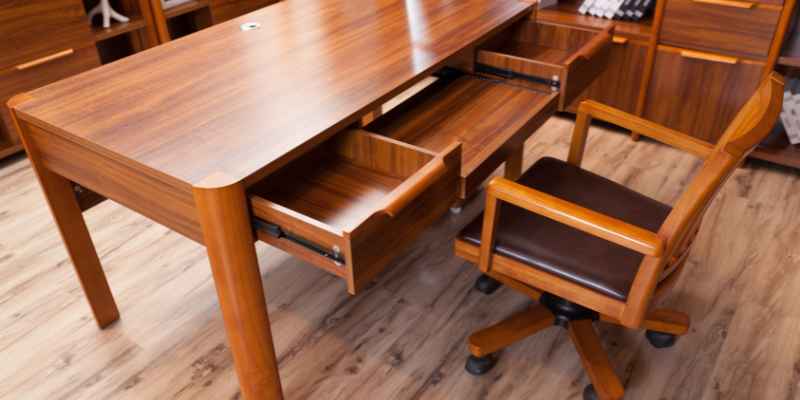
Mahogany wood is a top choice for furniture crafting. Its rich color and smooth texture make every piece stand out. Skilled artisans use it to create stunning furniture that lasts for generations.
Designing Premium Pieces
Mahogany wood is famous for its beauty. Many furniture makers choose it for:
- Tables
- Chairs
- Cabinets
- Desks
This wood offers a warm, reddish-brown hue. It creates a luxurious feel in any room. Craftsmen can carve intricate designs due to its soft nature.
Here are some key features of mahogany wood:
| Feature | Description |
|---|---|
| Durability | Strong and resistant to wear. |
| Workability | Easy to cut, shape, and finish. |
| Grain | Beautiful, straight grain pattern. |
Longevity And Care
Mahogany furniture can last a lifetime. Proper care enhances its beauty. Follow these simple tips to maintain your pieces:
- Dust regularly with a soft cloth.
- Avoid direct sunlight to prevent fading.
- Use coasters to protect surfaces from heat and moisture.
- Apply furniture polish for shine and protection.
With the right care, mahogany can age gracefully. Its color deepens, adding character over time.
Building Musical Instruments
Mahogany wood is a popular choice for crafting musical instruments. Its unique properties make it ideal for creating stunning sounds. Many musicians prefer mahogany for its beauty and durability.
Preferred Choice For Guitars
Guitar makers often choose mahogany for several reasons:
- Durability: Mahogany withstands wear and tear.
- Aesthetic Appeal: Its rich color enhances the guitar’s look.
- Workability: It is easy to shape and carve.
- Cost-Effective: Offers great value for quality.
Sound Quality And Resonance
Mahogany contributes to excellent sound quality. It produces a warm, rich tone, making it perfect for various music styles. Here are key sound characteristics:
| Characteristic | Description |
|---|---|
| Tone | Warm and mellow, ideal for strumming and picking. |
| Volume | Produces balanced volume across all frequencies. |
| Resonance | Excellent sustain, enhancing musical notes. |
Musicians appreciate the unique sound mahogany delivers. It complements both acoustic and electric guitars.
Architectural Applications
Mahogany wood is highly valued in architecture. Its strength and beauty make it ideal for various applications. Mahogany enhances both interior and exterior designs. Its rich color and fine grain attract many designers.
Mahogany In Flooring And Paneling
Mahogany is a popular choice for flooring and paneling. It provides elegance and durability. Here are some key benefits:
- Durability: Mahogany withstands wear and tear.
- Moisture Resistance: It resists warping and swelling.
- Aesthetic Appeal: The warm tones add richness.
Using mahogany in flooring creates a luxurious atmosphere. It is easy to maintain. Paneling made from mahogany adds a touch of sophistication to any space.
Outdoor And Structural Use
Mahogany wood also excels in outdoor and structural applications. Its resistance to rot makes it ideal for outdoor furniture and decking.
| Application | Benefits |
|---|---|
| Outdoor Furniture | Durable and weather-resistant |
| Decking | Long-lasting and low maintenance |
| Structural Beams | Strong and stable |
Using mahogany for these applications ensures longevity. Its visual appeal enhances outdoor spaces. Mahogany is a wise choice for architectural designs.
Boat Building Traditions
Mahogany wood has a rich history in boat building. Its beauty and strength make it a top choice for many skilled craftsmen. These traditions highlight the importance of quality materials in creating durable and elegant vessels.
Durability In Marine Environments
Mahogany wood is famous for its outstanding durability. It resists moisture and rot, making it ideal for boats. Here are some key benefits:
- Water Resistance: Mahogany does not warp easily.
- Longevity: Boats built with mahogany last for decades.
- Low Maintenance: Requires less upkeep compared to other woods.
This durability ensures boats stay safe and functional. Many boat builders trust mahogany for these reasons.
Luxury Yachts And Boats
Luxury yachts often feature mahogany wood. Its rich color and fine grain add elegance. Here’s why mahogany is a favorite:
- Aesthetic Appeal: The warm tones enhance boat interiors.
- Value: Mahogany increases the resale value of boats.
- Custom Finishes: It accepts stains and varnishes beautifully.
Many renowned yacht manufacturers choose mahogany for their premium lines. The luxurious feel attracts buyers who value quality.
| Feature | Mahogany Wood |
|---|---|
| Water Resistance | Excellent |
| Durability | High |
| Aesthetic Quality | Rich and Elegant |
| Maintenance | Low |
These features make mahogany a top choice for luxury boats. Its unique characteristics ensure boats stand out on the water.
Contemporary Uses And Trends
Mahogany wood is increasingly popular in modern design. Its rich color and durability make it a top choice. Designers use it in various applications, from furniture to decor. Consumers appreciate its aesthetic appeal and eco-friendliness.
Modern Design Aesthetics
Mahogany wood fits perfectly in contemporary settings. Its smooth finish and deep hues add elegance. Here are some popular uses:
- Furniture: Tables, chairs, and cabinets
- Flooring: Luxurious hardwood floors
- Wall Panels: Adds warmth to interiors
- Decorative Items: Picture frames and sculptures
Designers often pair mahogany with modern materials. Glass and metal accents complement its beauty. This combination creates a striking visual contrast.
Eco-friendly Alternatives
Many consumers seek sustainable options. Mahogany sourced from responsible forests is a great choice. Alternative woods include:
| Wood Type | Characteristics | Common Uses |
|---|---|---|
| Teak | Durable, weather-resistant | Outdoor furniture, decking |
| Bamboo | Fast-growing, lightweight | Flooring, utensils |
| Cherry | Rich color, smooth texture | Cabinetry, furniture |
Choosing these alternatives promotes sustainability. They offer similar beauty and functionality to mahogany.
Maintenance Tips
Proper care ensures your mahogany wood remains stunning and functional. Follow these tips to protect and restore your pieces.
Protecting Mahogany Surfaces
Protecting mahogany surfaces keeps them looking new. Use these strategies:
- Clean regularly: Dust surfaces with a soft cloth.
- Avoid harsh chemicals: Use mild soap and water.
- Use coasters: Prevent water rings and heat damage.
- Avoid direct sunlight: Use curtains or blinds to limit exposure.
- Apply wax: A thin layer of wax adds protection.
Restoration Techniques
Restoration brings mahogany wood back to life. Follow these steps:
- Clean the surface: Use a damp cloth to remove dirt.
- Sand lightly: Use fine sandpaper for a smooth finish.
- Apply stain: Choose a stain to enhance the wood’s color.
- Seal the wood: Use a clear sealant for protection.
- Buff the surface: Use a soft cloth for a shiny look.
| Maintenance Task | Frequency |
|---|---|
| Dusting | Weekly |
| Deep cleaning | Monthly |
| Waxing | Every 3-6 months |
| Restoration | As needed |
Follow these tips for long-lasting beauty. Enjoy your mahogany wood pieces for years.
The Future Of Mahogany
The future of mahogany wood looks promising yet challenging. As demand increases, sustainable practices become crucial. Innovations in wood technology play a significant role in preserving this valuable resource.
Sustainability And Trade
Sustainability is key to the future of mahogany. Responsible trade practices protect forests and ecosystems. Here are some important points:
- Certification: Look for certified mahogany from trusted sources.
- Reforestation: Planting new trees helps maintain balance.
- Community Involvement: Local communities should benefit from mahogany trade.
Governments and organizations are working to enforce regulations. This ensures mahogany is harvested responsibly. Sustainable practices will help maintain this precious resource for future generations.
Innovations In Wood Technology
Wood technology is evolving rapidly. New methods make mahogany more sustainable and durable. Here are some key innovations:
| Technology | Description |
|---|---|
| Engineered Wood | Combines small pieces to create strong, usable boards. |
| Wood Treatment | Enhances durability, protecting against pests and moisture. |
| 3D Printing | Creates custom designs from wood filaments. |
These innovations support sustainable practices. They also reduce waste and improve efficiency. The future of mahogany relies on smart choices and responsible use.
Frequently Asked Questions
What Are The Main Uses Of Mahogany Wood?
Mahogany wood is widely used in furniture making, cabinetry, and musical instruments. Its durability and attractive grain make it ideal for high-end products. Additionally, it’s popular in boat building due to its resistance to water. Overall, mahogany adds elegance and longevity to various applications.
Is Mahogany Wood Good For Outdoor Use?
Mahogany wood is suitable for outdoor use, especially in humid environments. Its natural oils resist decay and insects, making it durable. However, proper sealing and maintenance are essential to prolong its life. With the right care, mahogany can withstand the elements beautifully.
How Does Mahogany Compare To Other Woods?
Mahogany is often compared to oak and teak. It is lighter and has a richer color than oak. In contrast to teak, mahogany is less oily but just as durable. Each wood has unique qualities, but mahogany stands out for its beauty and workability.
Can Mahogany Wood Be Recycled?
Yes, mahogany wood can be recycled and repurposed. Its durability means it can be reused in various applications. Old furniture or fixtures can be transformed into new pieces, reducing waste. Recycling mahogany not only helps the environment but also preserves its timeless beauty.
Conclusion
Mahogany wood stands out for its beauty and versatility. From elegant furniture to stunning cabinetry, its rich color and durability make it a top choice. Understanding its various uses can enhance your home and lifestyle. Embrace mahogany to add warmth and sophistication to your space, while enjoying its lasting qualities.