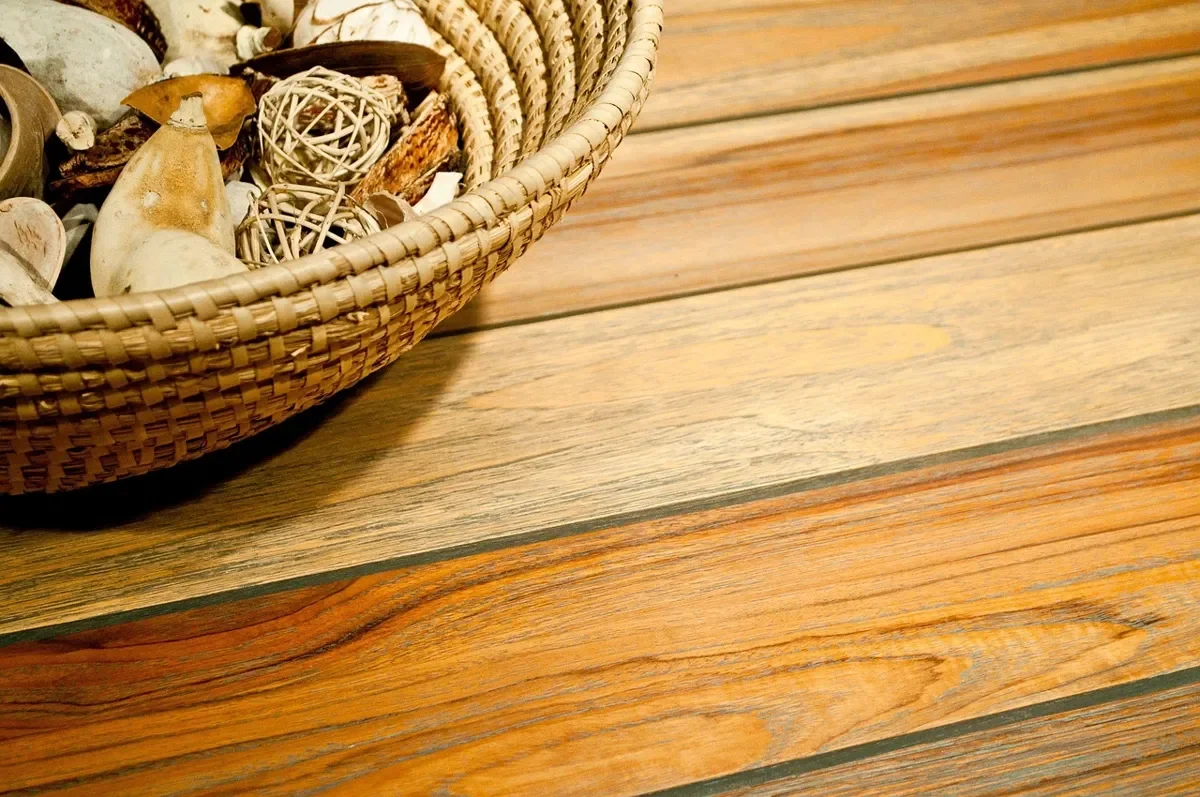
Teak vs Mahogany Stain: Which Color and How to Apply It
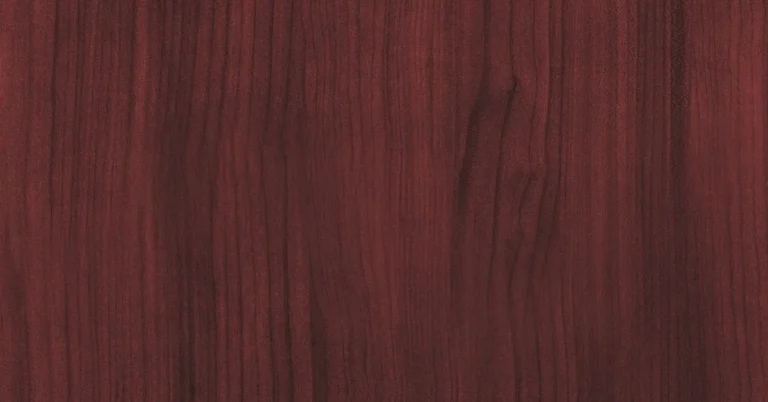
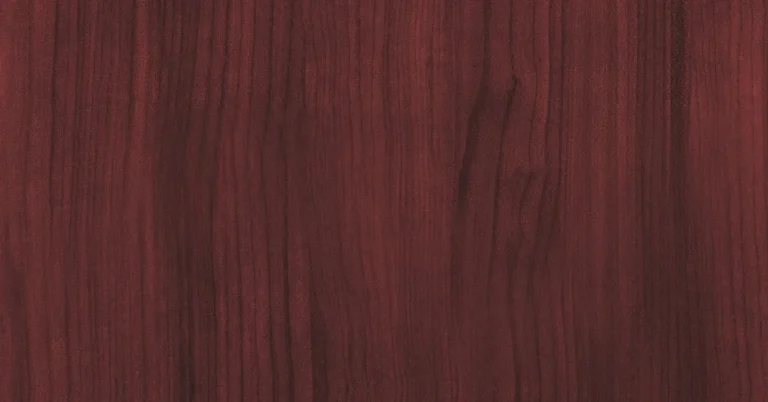
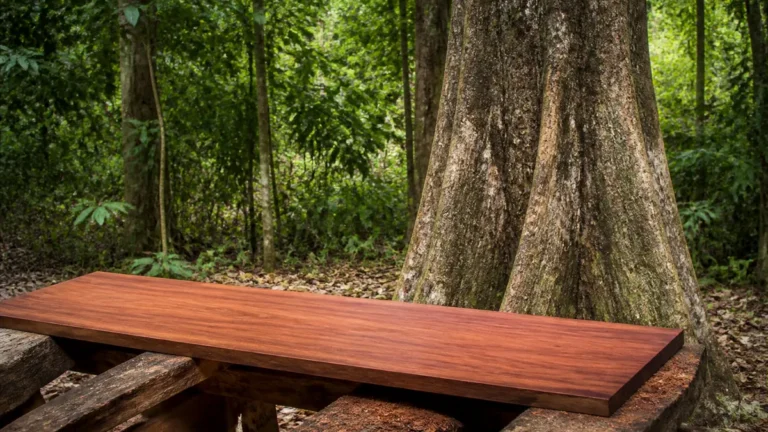
“Teak stain” and “mahogany stain” are mostly color names, not instructions for a specific wood. Teak is a golden to medium brown, and mahogany is a pinkish to reddish brown that deepens with age. This guide covers what really changes when you stain each species, from prep to wipe-off time, and how a mahogany-colored stain behaves on both.
If you are still deciding between the woods themselves, start with our mahogany vs teak wood comparison or teak vs mahogany overview. This page is about the finish.
Quick Answer: Which Stain, Which Wood?
Best Red Mahogany Stain Pick
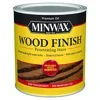 |
Minwax Wood Finish Oil-Based Stain, Red Mahogany, 1 Quart A penetrating oil-based stain with warm red undertones. It is the color most people mean when they search for “mahogany stain,” and it works on bare, sanded wood indoors.
|
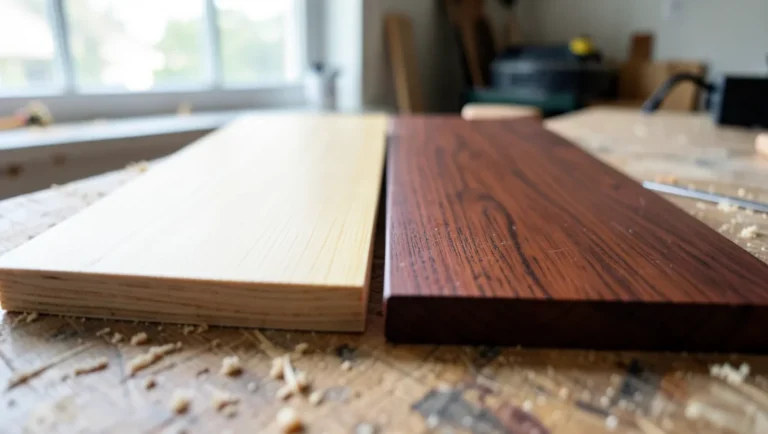
Choose a teak-toned stain if you want to keep the golden-brown look of teak and just add a little depth. Choose a reddish mahogany-toned stain if you want the classic dark red-brown furniture color, either on real mahogany or on a lighter wood. Whichever you pick, the species underneath matters: Minwax’s own color guide says wood species will impact final color, so test on scrap from the same board.
The biggest practical difference is not color at all. It is how the two woods take a finish. Teak is oily and dense, while mahogany is softer, more uniform and easy to finish.
Teak vs Mahogany: The Numbers That Affect Staining
These figures come from the Wood Database entries for teak (Tectona grandis) and Honduran mahogany (Swietenia macrophylla).
| Property | Teak | Honduran mahogany |
|---|---|---|
| Janka hardness | 1,070 lbf | 900 lbf |
| Dried weight | 40.9 lbs/ft3 (655 kg/m3) | 36.8 lbs/ft3 (590 kg/m3) |
| Heartwood color | Golden to medium brown, darkens with age | Pale pinkish brown to darker reddish brown, darkens with age |
| Grain and texture | Straight, sometimes wavy or interlocked; coarse, uneven texture | Straight to interlocked or wavy; medium, uniform texture |
| Pores and surface | Natural oils give raw wood a slightly oily feel | Large, sparse pores (diffuse porous) |
| Finishing note | May need a solvent wipe first to cut surface oils | Sands readily and finishes well with stains and glues |
| Conservation | Widely grown on plantations | CITES Appendix II; IUCN Endangered |
Two takeaways for staining. First, the two woods are closer in hardness than most people expect, so hardness is not what makes teak difficult. The oil is. Second, mahogany’s large pores are where stain collects, which is why it can look more open and textured unless you fill them.
The Myth: Teak’s Oils Make Stain Last Longer
A common claim, including in an earlier version of this article, is that teak’s natural oils help a stain last longer. The evidence points the other way. The Wood Database says teak usually finishes well, but in some cases the surface should be wiped with a solvent first to reduce the natural oils. Oils on the surface are something a finish has to get past, not something that helps it stick.
The oil is why teak weathers so well without any finish at all. The Wood Database calls teak the gold standard for decay resistance, and its heartwood is rated very durable. If the piece will live outdoors, you may be better off skipping pigment and reading our guide on how to treat teak wood furniture first.
How to Stain Teak
- Clean and degrease. Wipe the bare wood with a solvent such as mineral spirits to lift surface oil, then let it flash off. If the piece is weathered and gray, follow the sanding steps in how to redo teak wood.
- Test first. Stain a hidden area or offcut from the same board. Teak varies board to board.
- Apply with the grain. Use a clean cloth or brush. For Minwax oil-based stain, let it penetrate 5 to 15 minutes, then wipe the excess off. Waiting longer gives a darker, richer color.
- Dry fully. Minwax lists a minimum of 4 to 6 hours, and longer in humidity, cold or poor ventilation.
- Topcoat. A stain alone does not protect the surface. Seal it with a clear finish suited to where the piece will be used.
If you would rather not use pigment, Rust-Oleum’s Watco Teak Oil is a finish formulated for dense woods such as teak, rosewood or mahogany. According to Rust-Oleum’s technical data, it is tack-free in about 8 hours and covers roughly 150 to 200 square feet per quart.
How to Stain Mahogany
Mahogany is the easier of the two. The Wood Database describes it as very easy to work and says it sands readily and finishes well with stains. The pinkish brown fresh color also darkens with age, so a stain that looks right on day one will get deeper over the years. That is a good reason to lean lighter than you think you need.
- Sand evenly. Finish sanding with the grain, and wipe the dust off before staining.
- Decide about the pores. Mahogany’s large, sparse pores hold stain and stay visible. Our guide How to Stain Mahogany Wood: Fill the Grain or Leave It Open? covers both approaches.
- Control depth with time. Wipe after a few minutes for a light tint, or wait up to 15 minutes for deeper color, per Minwax’s directions. Reapply a coat for deeper color still.
- Seal. Finish with a clear topcoat once the stain has dried.
What Happens When You Put a Mahogany Stain on Teak
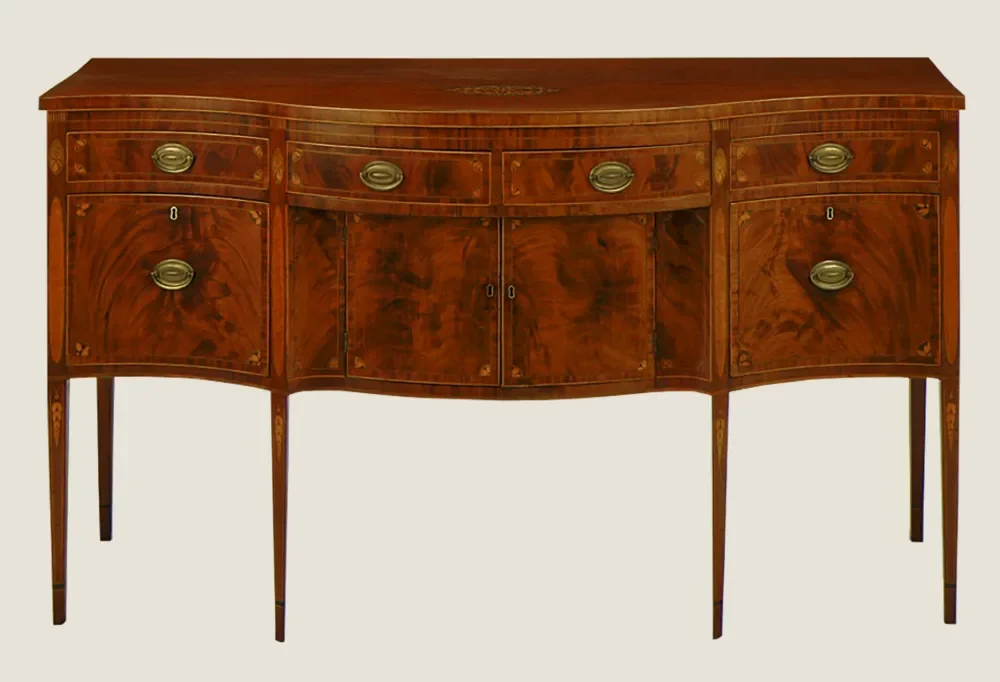
Teak starts golden. A reddish stain such as Minwax Red Mahogany, described by the maker as a deep, rich color with warm red undertones, will move it toward a reddish brown. Expect the result to be uneven compared with the same stain on mahogany, because teak’s coarse texture and surface oil take pigment differently. If you like the golden look, use a lighter wipe time or a clear finish. If you want a red-brown look, use the stain, but accept that the wood will still read as teak.
| Your goal | Wood | Approach |
|---|---|---|
| Keep natural golden tone | Teak | Solvent wipe, then clear oil or clear finish |
| Darker, richer brown | Teak | Test a stain, longer wipe-off time, then topcoat |
| Classic red-brown | Mahogany | Red Mahogany-type stain, short wipe-off first |
| Even color on open pores | Mahogany | Fill the grain before staining, or accept a textured look |
Safety: Oily Rags Can Catch Fire
This applies to both woods. Minwax states that rags, steel wool and sanding residue soaked with its oil-based stain may spontaneously catch fire if improperly discarded. Place them straight into a sealed, water-filled metal container, and dispose of them according to local fire regulations. Do not leave stained rags balled up in a pile or in the trash.
A Note on Mahogany Sourcing
Real mahogany is not a casual purchase. Honduran mahogany is listed under CITES Appendix II and rated Endangered on the IUCN Red List, according to the Wood Database. If you love the color but not the sourcing question, a mahogany-toned stain on a lighter, more plentiful wood is a legitimate alternative, provided you test first. For related color and finish decisions, see gel stain vs oil stain and dye vs stain for wood.
Frequently Asked Questions
Is teak stain the same as mahogany stain?
No. “Teak” and “mahogany” on a stain can are color names, not a promise about which wood the stain is meant for. A teak-colored stain is a golden or medium brown, and a mahogany-colored stain such as Minwax Red Mahogany leans reddish-brown. Either one can go on either wood, and the wood underneath changes how the final color looks.
Do I need to prep teak differently from mahogany before staining?
Yes. The Wood Database notes that teak’s natural oils can make it necessary to wipe the surface with a solvent before finishing, while mahogany sands readily and finishes well with stains and glues. Always test on a scrap or hidden area first.
Will Red Mahogany stain make teak look like mahogany?
It will push teak toward a redder, darker brown, but it will not turn teak into mahogany. Minwax itself says the wood species will impact the final color, which is why a test board matters. Teak’s coarse, uneven texture also looks different from mahogany’s medium, uniform texture.
Is teak oil a stain?
Teak oil is a penetrating oil finish sold for dense woods, not a pigmented stain, although some products add color. Rust-Oleum sells Watco Teak Oil as a finish formulated for dense woods such as teak, rosewood or mahogany, and a separate Teak Oil plus Stain product.
How do I dispose of stain rags safely?
Minwax warns that rags, steel wool and sanding residue soaked with oil-based stain may spontaneously catch fire if improperly discarded. Place them immediately in a sealed, water-filled metal container and dispose of them according to local fire regulations.
Conclusion
Teak and mahogany differ less in color than in how they behave under a finish. Teak is oily and needs a solvent wipe, and mahogany is easy and takes stain well but shows its large pores. Pick the color you want, test it on your actual board, control depth with wipe-off time, and seal it. Handle the rags safely.
Sponsored / affiliate links. As an Amazon Associate I earn from qualifying purchases. I may earn additional commission from eligible campaigns.