Is Mahogany a Hardwood? Janka Rating and Durability Explained
Yes — mahogany is a true hardwood, but its Janka rating of 800-1,200 lbf makes it softer than red oak (1,290 lbf), not harder.
Buying mahogany expecting oak-level dent resistance leads to disappointment; buying it for its rot resistance, stability, and finish quality is where it earns its price. This guide covers real Janka numbers, how mahogany compares to oak and maple, and where its durability actually comes from.
Introduction To Mahogany
Best Finish Pick for Mahogany
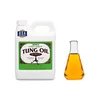 |
Hope’s 100% Pure Tung Oil, Food-Safe Wood Finish (32 oz) – $29.99 A penetrating oil finish that deepens mahogany’s natural reddish-brown grain without a plastic-looking topcoat — the maintenance step this guide’s Maintenance and Longevity section recommends for keeping mahogany’s rot resistance intact over decades.
|
As an Amazon Associate we earn from qualifying purchases.
Mahogany is a popular hardwood known for its beauty and durability. This wood has a rich history and unique features that make it desirable for furniture and construction. Let’s explore its origins and characteristics.
The Origin Of Mahogany
Mahogany comes from tropical trees mainly found in Central and South America. The most common species are:
- Swietenia macrophylla (Big-leaf Mahogany)
- Swietenia mahagoni (Spanish Mahogany)
- Swietenia humilis (Acajou)
These trees thrive in humid, warm climates. They grow tall, reaching heights of up to 150 feet. Mahogany has been prized since the 18th century. It was used in fine furniture and ships.
Characteristics Of Mahogany Wood
Mahogany wood is known for several key features:
| Feature | Description |
|---|---|
| Color | Rich reddish-brown that deepens over time. |
| Grain | Straight, fine, and uniform grain pattern. |
| Durability | Resistant to rot and pests. |
| Workability | Easy to cut, sand, and finish. |
Mahogany is strong yet lightweight. It holds up well against wear and tear. This wood ages beautifully, adding to its charm. Many artisans prefer mahogany for high-quality items.
In summary, mahogany offers a unique combination of beauty and strength. Its rich history and characteristics make it a top choice for craftsmen and homeowners alike.
The Durability Factor
Mahogany hardwood stands out for its remarkable durability. This quality makes it a popular choice for furniture, flooring, and cabinetry. Understanding its durability helps in making the right decisions for your projects.
Natural Resistance To Decay
Mahogany has a natural ability to resist decay. This resistance is due to its dense grain structure. It helps to repel moisture and pests.
- Resistant to termites
- Less prone to rotting
- Durable in humid environments
Many outdoor applications benefit from this quality. Mahogany can withstand the elements better than many other woods.
Strength And Hardness Metrics
Genuine mahogany (Swietenia species) has a Janka hardness rating of roughly 800 to 1,200 lbf — softer than red oak, not harder. Its real strength is dimensional stability and rot resistance, not surface resistance to dents.
| Wood Type | Janka Hardness (LBF) |
|---|---|
| Mahogany | 800 – 1,200 |
| Oak | 1,290 |
| Pine | 690 |
That combination of moderate hardness and natural rot resistance is why mahogany holds up in furniture and boat-building even though oak and hard maple resist surface dents better.
📊 The USDA Forest Products Laboratory lists genuine (Honduran) mahogany’s Janka hardness at approximately 800 lbf, well below red oak’s 1,290 lbf and hard maple’s roughly 1,450 lbf. — Source: Wood Database, Honduran Mahogany
Comparing Mahogany With Other Hardwoods
Mahogany is a popular hardwood known for its beauty and durability. This section compares mahogany with other common hardwoods. We will look at how it stacks up against oak and maple.
Mahogany Vs Oak
Mahogany and oak have unique characteristics. Here are some key differences:
| Feature | Mahogany | Oak |
|---|---|---|
| Color | Rich reddish-brown | Light to dark brown |
| Grain | Straight and fine | Coarse and prominent |
| Durability | Very durable | Highly durable |
| Cost | Generally higher | More affordable |
Both woods are strong. Mahogany is often preferred for furniture. Oak is popular for flooring and cabinetry.
Mahogany Vs Maple
Maple is another popular hardwood. Here’s how mahogany compares to maple:
| Feature | Mahogany | Maple |
|---|---|---|
| Color | Reddish-brown | Light cream to brown |
| Grain | Smooth and fine | Dense and straight |
| Durability | Very durable | Very durable |
| Cost | Higher price | Moderate price |
Mahogany is often chosen for its rich color. Maple is favored for its strength and versatility.
Environmental Conditions And Mahogany
Mahogany is a beautiful hardwood. Its quality depends on various environmental conditions. Humidity and temperature play a crucial role in its growth and durability.
Effect Of Humidity
Humidity significantly affects mahogany wood. Here are some key points:
- High humidity can cause wood to swell.
- Low humidity may lead to cracking and splitting.
- Ideal humidity levels range between 40% and 60%.
Maintaining proper humidity helps keep mahogany stable. It prevents the wood from warping over time.
Temperature Influences On Mahogany
Temperature also impacts mahogany’s quality. Here are some important aspects:
| Temperature Range | Effect on Mahogany |
|---|---|
| Below 50°F (10°C) | Slows growth rate. |
| Between 50°F and 80°F (10°C – 27°C) | Optimal growth conditions. |
| Above 80°F (27°C) | Increased risk of pests. |
Maintaining a stable temperature benefits mahogany. It supports healthy growth and enhances durability.
Common Uses Of Mahogany Wood
Mahogany wood is highly valued for its beauty and durability. It has a rich color and fine grain. This makes it ideal for various applications. Let’s explore some of the most common uses of mahogany wood.
Furniture Making
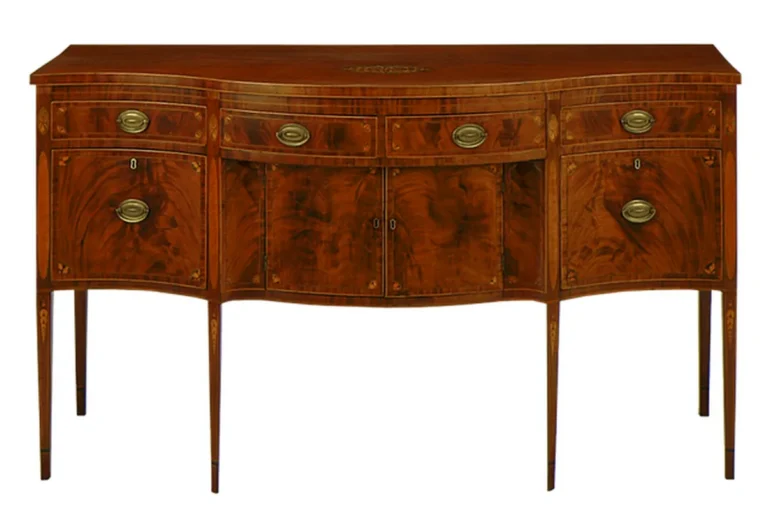
Mahogany wood is a popular choice for furniture. Its strong and sturdy nature provides excellent support. Here are some common furniture items made from mahogany:
- Tables
- Chairs
- Cabinets
- Dressers
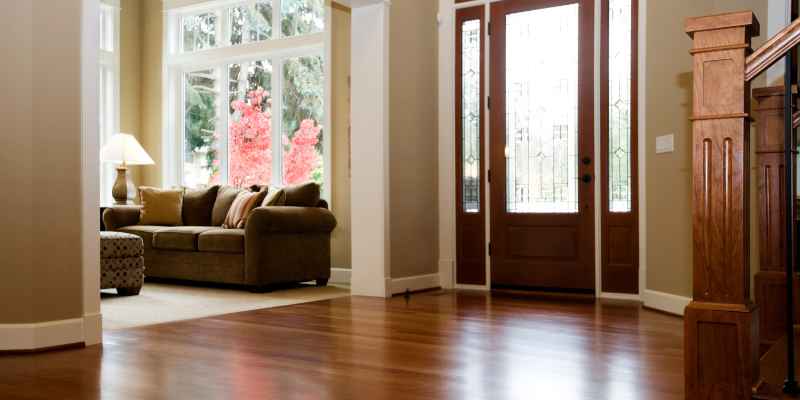
Mahogany furniture often features intricate designs. Its natural luster enhances any room. Many people prefer mahogany for its classic look.
Boat Building
Mahogany is also widely used in boat building. It withstands harsh marine conditions well. Key benefits of mahogany in this industry include:
| Benefit | Description |
|---|---|
| Durability | Resists rot and decay in water. |
| Lightweight | Easy to handle and transport. |
| Aesthetic Appeal | Beautiful finish enhances boat design. |
Many boat manufacturers choose mahogany for its performance. It ensures longevity and beauty on the water.
Maintenance And Longevity
Mahogany hardwood is known for its beauty and durability. Proper maintenance ensures its longevity. Simple care practices keep it looking great.
Protective Finishes
Applying protective finishes is essential for mahogany. It guards against scratches and moisture. Here are some common finishes:
- Polyurethane: Offers a tough, clear coat.
- Varnish: Adds warmth and shine.
- Oil: Enhances natural color and grain.
Choose a finish that suits your style. Reapply finishes every few years for best results. This keeps the wood safe and beautiful.
Regular Care Practices
Regular care keeps mahogany looking its best. Here are some easy practices:
- Dust: Use a soft cloth weekly.
- Clean: Use a damp cloth with mild soap.
- Avoid: Harsh chemicals and cleaners.
Keep the humidity level stable. Too much moisture can warp the wood. A humidifier or dehumidifier can help.
Inspect the wood for signs of wear. Early detection can prevent bigger issues. Treat scratches or dents quickly.
Myths And Misconceptions
Many people hold incorrect beliefs about Mahogany hardwood. These myths often lead to confusion. Understanding the truth helps in making informed choices.
Myth Busting Common Beliefs
- Myth 1: Mahogany is endangered.
- Myth 2: All mahogany is the same.
- Myth 3: Mahogany is overly expensive.
- Myth 4: Mahogany is not durable.
Many people think mahogany is endangered. While some species are threatened, many are sustainably sourced. Always check for certifications.
People often assume all mahogany is identical. Different species exist, each with unique qualities. These differences affect color and grain patterns.
Cost is another common misconception. Mahogany can be expensive, but prices vary. Factors like quality and sourcing influence the price.
Some believe mahogany lacks durability. In reality, it is known for its strength. Proper care can enhance its lifespan and appearance.
The Reality Of Mahogany’s Lifespan
Mahogany hardwood can last for generations. It is naturally resistant to decay and insects. This quality makes it ideal for furniture and flooring.
| Aspect | Details |
|---|---|
| Durability | Highly durable and resistant to wear. |
| Maintenance | Requires minimal maintenance for long-lasting beauty. |
| Appearance | Rich color and beautiful grain patterns. |
With proper care, mahogany can last over 100 years. Its beauty improves over time. Choose mahogany for a lasting investment.
Sustainability And Ethical Sourcing
Mahogany hardwood is beautiful and durable. Its popularity raises questions about sustainability and ethical sourcing. Understanding these issues is crucial for responsible consumers.
The Impact Of Logging
Logging mahogany affects forests and wildlife. Unsustainable practices lead to:
- Deforestation: Trees are cut down faster than they can grow.
- Habitat Loss: Animals lose their homes and food sources.
- Soil Erosion: Trees prevent soil from washing away.
These impacts disrupt ecosystems. Responsible sourcing can help protect forests. Look for mahogany from managed forests.
Certified Sustainable Mahogany Options
Choosing certified sustainable mahogany supports responsible practices. Look for certifications like:
| Certification | Organization | Details |
|---|---|---|
| FSC | Forest Stewardship Council | Promotes responsible forest management. |
| PEFC | Programme for the Endorsement of Forest Certification | Focuses on sustainable forest practices. |
These certifications ensure mahogany comes from well-managed forests. This helps preserve biodiversity and supports local communities.
Choosing certified options promotes a healthier planet. Make informed choices for a sustainable future.
Final Thoughts On Mahogany’s Durability
Mahogany is known for its stunning beauty and durability. Its strength makes it a popular choice for furniture and flooring. Understanding its endurance helps in making informed decisions.
Summary Of Mahogany’s Endurance
Mahogany is a hardwood with impressive characteristics. Here’s a quick summary:
| Feature | Description |
|---|---|
| Durability | Resistant to wear, tear, and decay. |
| Moisture Resistance | Handles humidity well, preventing warping. |
| Longevity | Lasts for decades with proper care. |
| Maintenance | Requires minimal upkeep to retain beauty. |
Mahogany’s natural oils protect it from pests. This makes it a great option for both indoor and outdoor use.
Is Mahogany The Right Choice For You?
Choosing mahogany involves considering various factors:
- Budget: Mahogany can be more expensive than other woods.
- Style: It offers a rich, warm color that enhances aesthetics.
- Usage: Ideal for high-traffic areas due to its strength.
- Environment: Consider sustainability and sourcing.
Evaluate your needs carefully. Mahogany provides beauty and durability. It can be a worthwhile investment for many applications.
Frequently Asked Questions
What Is Mahogany Hardwood?
Mahogany hardwood is a tropical hardwood known for its beauty and durability. It comes from several species of trees in the genus Swietenia. Renowned for its rich reddish-brown color, it is often used in furniture, cabinetry, and flooring. Mahogany also offers excellent resistance to warping and decay.
Is Mahogany Hardwood Sustainable?
Sustainability of Mahogany hardwood depends on sourcing practices. Some Mahogany comes from well-managed forests, making it sustainable. However, illegal logging threatens certain species. Always look for certifications like FSC to ensure environmentally friendly sourcing. Choosing sustainable Mahogany supports responsible forestry and helps protect ecosystems.
How Does Mahogany Compare To Other Woods?
Mahogany stands out for its rich color, workability, and durability. Compared to oak, it has a finer grain and is less prone to warping. While maple is harder, Mahogany offers a unique aesthetic appeal. Its resistance to decay makes it ideal for both indoor and outdoor applications.
What Are The Uses Of Mahogany Hardwood?
Mahogany hardwood is widely used in furniture making, cabinetry, and musical instruments. Its beautiful grain and color make it a popular choice for high-end products. Additionally, it is often used for boat building due to its resistance to water damage.
Mahogany’s versatility makes it a favorite among artisans.
Conclusion
Mahogany hardwood stands out for its beauty and durability. It is an excellent choice for furniture and flooring. Its rich color and fine grain enhance any space. Choosing mahogany means investing in quality and elegance. Embrace the timeless appeal of this hardwood for your next project.
You’ll be pleased with the results.
Sponsored / affiliate links. As an Amazon Associate I earn from qualifying purchases. I may earn additional commission from eligible campaigns.
 The Hardwood Edge Mahogany Hardwood Planks - 2-Pack Mahogany Wood for Unfinished Wood Crafts - 1/8’’ (3mm) 100% Pure Hardwood - Laser Engraving Blanks - Exotic Mahogany Planks for Crafts and Gifts
 The Hardwood Edge Mahogany Hardwood Planks - 4-Pack Mahogany Wood for Unfinished Wood Crafts - 1/8’’ (3mm) 100% Pure Hardwood - Laser Engraving Blanks - Exotic Mahogany Planks for Crafts and Gifts