Mahogany Wood Wholesale: Unlock Exclusive Deals & Quality
Mahogany wood is highly sought after for its durability and rich color. Wholesale options provide cost-effective solutions for bulk buyers.
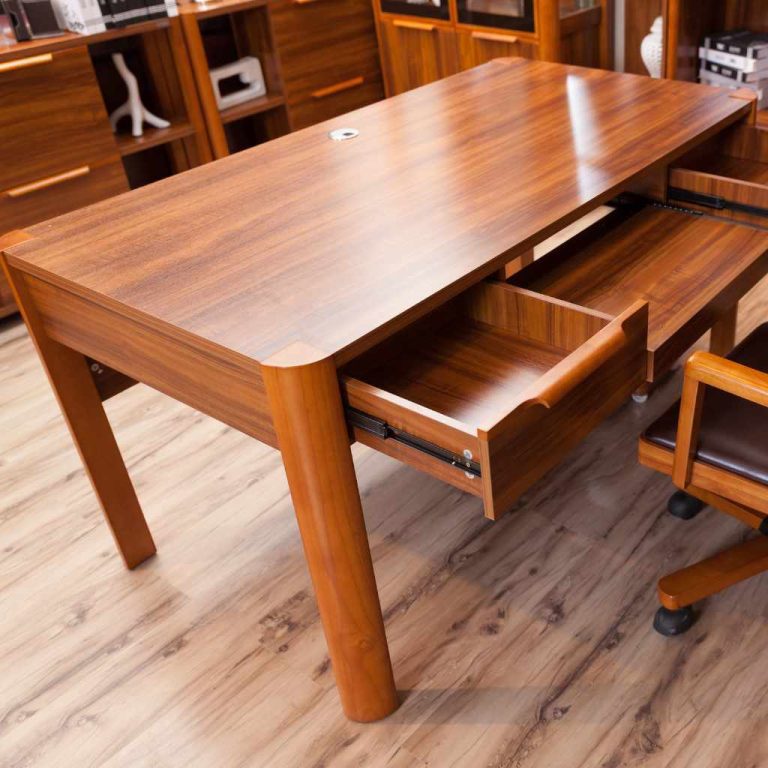
Mahogany wood stands out for its beauty and strength, making it a popular choice in furniture and construction. Originating mainly from tropical regions, this hardwood is known for its deep reddish-brown hues and fine grain. Its resistance to decay and insects adds to its allure, ensuring longevity in various applications.
Many artisans and manufacturers prefer mahogany for high-end projects, enhancing aesthetics and value. The demand for mahogany wood continues to rise, prompting wholesalers to offer competitive pricing and diverse options. Exploring wholesale sources can help buyers find quality mahogany at lower prices, making it an attractive option for both small and large-scale projects.
The Allure Of Mahogany Wood
Mahogany wood captivates with its rich color and fine grain. Its durability makes it a favorite in various industries. This wood adds elegance to any space.
Rich History And Characteristics
Mahogany has a storied past, dating back to the 17th century. It originated in Central America and the Caribbean. This wood became popular among shipbuilders and furniture makers.
- Color: Ranges from reddish-brown to deep mahogany.
- Grain: Straight and fine, with a silky texture.
- Durability: Resists warping and decay.
- Workability: Easy to cut, shape, and sand.
Mahogany wood is also known for its sound properties. It produces a warm tone in musical instruments. This makes it a prime choice for crafting guitars and pianos.
Popular Uses In Crafting And Construction
Mahogany’s beauty and strength make it ideal for various applications. Here are some popular uses:
| Use | Description |
|---|---|
| Furniture | Luxury tables, chairs, and cabinets. |
| Musical Instruments | Guitars, pianos, and drum shells. |
| Boat Building | Durable parts that resist water damage. |
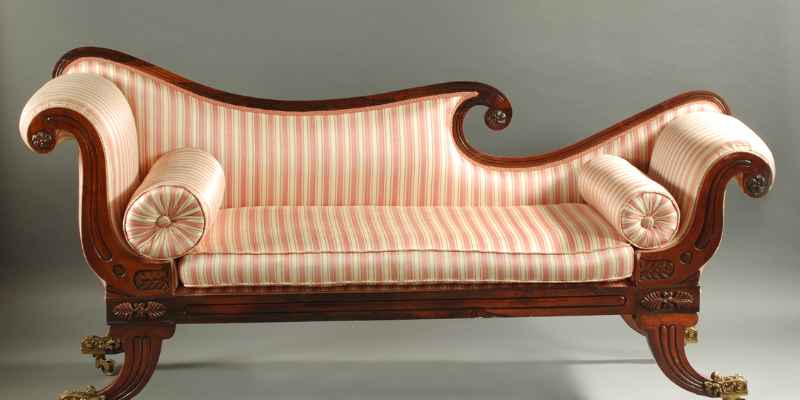
| Interior Design | Wall paneling and flooring options. |
Craftsmen value mahogany for its stability and aesthetic appeal. It enhances any project with its classic charm. Mahogany wood remains a timeless choice in homes and industries.
Benefits Of Wholesale Purchasing
Buying mahogany wood wholesale has many advantages. It can save money and provide better quality. Businesses and individuals benefit from purchasing in bulk. Here are some key benefits of wholesale purchasing.
Cost Savings Explained
Wholesale prices are often lower than retail prices. Buying in larger quantities reduces the cost per unit. Here’s how cost savings work:
- Bulk Discounts: Suppliers often offer lower prices for large orders.
- Reduced Shipping Costs: Fewer shipments mean lower transportation expenses.
- Less Waste: Buying in bulk minimizes leftover materials.
Consider the following table that illustrates potential savings:
| Quantity Ordered | Price per Unit | Total Cost |
|---|---|---|
| 10 units | $50 | $500 |
| 50 units | $40 | $2000 |
| 100 units | $30 | $3000 |
Access To Premium Grades
Wholesale purchasing provides access to premium mahogany wood grades. Suppliers often reserve top-quality wood for bulk buyers. Here’s what you gain:
- Exclusive Selection: Choose from a wider variety of premium options.
- Quality Assurance: Reputable suppliers ensure high standards.
- Consistent Supply: Maintain a steady flow of high-quality wood.
Investing in premium grades enhances your projects. Better quality wood leads to superior results.
Identifying Quality Mahogany
Choosing quality mahogany is essential for any project. Recognizing its features helps ensure durability and beauty. Let’s explore the key aspects of identifying quality mahogany.
Grain Patterns And Textures
Quality mahogany displays unique grain patterns. Look for the following characteristics:
- Straight Grain: Indicates strong, durable wood.
- Interlocked Grain: Adds stability and beauty.
- Fine Texture: Smooth to the touch, enhancing appearance.
Examine the surface closely. A consistent grain pattern signifies high quality. Irregular patterns may indicate inferior wood.
Color Consistency And Durability
Color is a vital indicator of quality mahogany. High-quality mahogany features:
- Rich, Deep Red-Brown: A classic mahogany hue.
- Uniform Color: Consistency across the piece.
- Resistance to Fading: Maintains color over time.
Durability is another key factor. Quality mahogany resists:
- Scratches
- Dents
- Moisture damage
Check for a smooth finish. A well-finished surface reveals quality craftsmanship. Quality mahogany will stand the test of time.
The global mahogany market is vibrant and complex. Understanding its dynamics is crucial for buyers and sellers. This market offers opportunities and challenges. Knowledge about key producing regions and import regulations helps navigate it effectively.
Key Producing Regions
Mahogany is primarily sourced from several regions around the world. These regions are known for their rich forests and sustainable practices. Here are the main producers:
| Region | Country | Production Volume (m³) |
|---|---|---|
| Central America | Honduras, Guatemala | 20,000 |
| South America | Brazil, Peru | 30,000 |
| Caribbean | Cuba, Dominican Republic | 15,000 |
These regions are known for their high-quality mahogany. Buyers should research each area. This helps ensure sustainable sourcing.
Import Regulations And Certifications
Importing mahogany requires understanding specific regulations. Countries have strict guidelines to protect forests. Here are key points to consider:
- FSC Certification: Ensures sustainable forestry practices.
- CITES Regulations: Controls trade of endangered species.
- Local Laws: Each country has unique import rules.
Buyers need to verify certifications. This guarantees legality and sustainability. Compliance with regulations avoids penalties and promotes responsible purchasing.
Sustainable Sourcing Strategies
Sustainable sourcing of Mahogany wood is crucial. It protects forests and supports local communities. Smart practices help maintain ecological balance. Businesses focus on responsible methods to source this valuable wood.
Environmental Impact Considerations
Understanding the environmental impact is essential for sustainable sourcing. Here are some key factors:
- Deforestation: Reducing tree loss protects habitats.
- Carbon Footprint: Sustainable practices lower greenhouse gas emissions.
- Biodiversity: Healthy forests support various plant and animal species.
Responsible sourcing reduces negative effects on the environment. It promotes healthy ecosystems for future generations.
Supporting Responsible Forestry
Supporting responsible forestry is vital for sustainable Mahogany sourcing. Here are effective strategies:
- Certifications: Choose wood from certified sources like FSC (Forest Stewardship Council).
- Local Sourcing: Purchase from local suppliers to minimize transport emissions.
- Community Engagement: Work with local communities for sustainable practices.
- Reforestation Efforts: Invest in planting new trees to replace those harvested.
These strategies foster responsible forestry. They ensure Mahogany wood remains available for future use.
Building Relationships With Suppliers
Strong relationships with suppliers are vital in the mahogany wood wholesale market. Good partnerships ensure quality wood and reliable delivery. They also help in maintaining competitive pricing.
Vetting Process For Reliability
Vetting suppliers is crucial for successful partnerships. Here are steps to follow:
- Research: Look for suppliers with a good reputation.
- Check Certifications: Ensure they meet industry standards.
- Request Samples: Evaluate the quality of their mahogany wood.
- Read Reviews: Gather feedback from other customers.
- Visit Facilities: Inspect their production processes.
These steps help identify reliable suppliers. A trustworthy supplier ensures consistent quality and service.
Negotiating Long-term Contracts
Long-term contracts provide stability in supply and pricing. Here are key points for negotiation:
- Define Terms: Clearly state quality, quantity, and delivery dates.
- Discuss Pricing: Agree on competitive rates for long-term commitments.
- Include Flexibility: Allow room for adjustments based on market changes.
- Set Penalties: Establish consequences for missed deadlines.
Long-term contracts build trust. They also ensure a steady supply of high-quality mahogany wood.
Leveraging Technology For Business Advantage
Technology transforms how businesses operate. It enhances efficiency and boosts profits. For mahogany wood wholesalers, technology is crucial. It connects suppliers and buyers easily. This section explores key technological tools for business growth.
Online Wholesale Platforms
Online wholesale platforms simplify the buying and selling process. They offer various benefits:
- Wider Reach: Connect with global customers.
- 24/7 Availability: Customers can shop anytime.
- Cost-Effective: Reduce overhead costs.
Some popular online wholesale platforms include:
| Platform Name | Key Features |
|---|---|
| Alibaba | Global marketplace, various suppliers |
| TradeIndia | Local suppliers, easy navigation |
| ThomasNet | Manufacturers directory, detailed listings |
Inventory Management Systems
Inventory management systems streamline operations. They help track stock levels accurately. Wholesalers can avoid overstocking or stockouts. Key benefits include:
- Real-Time Tracking: Monitor inventory in real-time.
- Automated Alerts: Get notified for low stock.
- Data Insights: Analyze sales trends easily.
Popular inventory management systems for wholesalers are:
- Zoho Inventory
- Fishbowl Inventory
- TradeGecko
Using these tools boosts efficiency and customer satisfaction. Embrace technology to gain a competitive edge.
Custom Orders And Special Requests
Custom orders play a vital role in the Mahogany wood wholesale market. Many customers have unique needs. They often seek specific sizes, finishes, or designs. This flexibility enhances customer satisfaction and loyalty.
Accommodating Unique Specifications
Every project is different. Custom specifications allow for:
- Size Variations: Tailored dimensions for any project.
- Finishing Options: Choose from a range of finishes.
- Design Requests: Unique designs to match your vision.
Our team is skilled at meeting diverse requirements. We ensure every piece of Mahogany wood meets your exact needs. This attention to detail sets us apart in the industry.
Communication And Lead Times
Clear communication is essential for successful custom orders. We prioritize keeping you informed throughout the process. Here’s how we manage communication:
| Step | Details |
|---|---|
| Initial Inquiry | Discuss specifications and gather requirements. |
| Quote Generation | Provide a detailed quote based on your needs. |
| Order Confirmation | Confirm details and finalize the order. |
| Production Updates | Regular updates during the production phase. |
| Delivery Schedule | Notify on expected delivery dates. |
Lead times vary based on complexity. Simple orders may take less time, while intricate designs require more. We strive for timely delivery without sacrificing quality.
Marketing Your Mahogany Products
Effective marketing is crucial for selling mahogany wood products. A well-planned strategy helps you reach potential customers. Focus on creating a strong brand image and targeting the right audience.
Branding And Positioning
Branding sets your mahogany products apart. It builds trust and recognition among customers. Here are some key elements:
- Logo: Design a unique and memorable logo.
- Color Scheme: Use colors that reflect your brand personality.
- Tagline: Create a catchy and descriptive tagline.
- Quality Assurance: Ensure your products meet high standards.
Position your brand as a premium option. Highlight the luxury and durability of mahogany wood. Use storytelling to connect emotionally with customers. Share the history and craftsmanship behind your products.
Targeting The Right Audience
Identifying your target audience is vital. Focus on specific groups who appreciate mahogany wood. Here’s how to identify them:
- Research demographics: Age, gender, and income.
- Analyze buying behavior: What do they value?
- Segment markets: Target furniture makers, interior designers, and homeowners.
Utilize social media to reach your audience. Platforms like Instagram and Pinterest showcase beautiful mahogany furniture. Engage with followers and share valuable content. Use ads to target specific demographics. Highlight the benefits of your products clearly.
| Audience Segment | Interests | Preferred Channels |
|---|---|---|
| Furniture Makers | High-quality materials | Email, trade shows |
| Interior Designers | Unique designs | Social media, blogs |
| Homeowners | Home décor | Facebook, Pinterest |
Understanding your audience leads to better marketing results. Tailor your messages for each group. Highlight what makes your mahogany products special.
Future Of Mahogany Trade
The future of the Mahogany trade is promising and dynamic. As global demand rises, opportunities for sustainable practices grow. Innovations in woodworking and distribution also play a vital role. These factors shape how this exquisite wood is sourced and sold.
Trends And Predictions
Several trends are impacting the Mahogany trade. Here are key predictions:
- Sustainability: More buyers prefer sustainable wood options.
- Technology Integration: Advanced tools improve the woodworking process.
- Market Expansion: Emerging markets increase demand for Mahogany.
- Eco-friendly Certifications: Certifications gain importance among consumers.
These trends highlight a shift toward responsible sourcing and production. Businesses focusing on sustainability will likely thrive.
Innovations In Woodworking And Distribution
Innovations are transforming how Mahogany is processed and delivered. Here are some notable advancements:
| Innovation | Description |
|---|---|
| 3D Printing | Creates unique designs with Mahogany wood. |
| Smart Logistics | Improves delivery efficiency and tracking. |
| Eco-friendly Treatments | Enhances durability without harmful chemicals. |
| Online Marketplaces | Expands reach for Mahogany wholesalers. |
These innovations boost the efficiency and appeal of Mahogany. They also encourage ethical practices in the industry.
Frequently Asked Questions
What Is Mahogany Wood Used For?
Mahogany wood is highly sought after for furniture, cabinetry, and musical instruments. Its rich color and durability make it a favorite for high-end projects. Additionally, mahogany is often used for boat building due to its resistance to water and decay.
How To Identify Genuine Mahogany Wood?
To identify genuine mahogany, look for a straight grain pattern and rich reddish-brown color. Genuine mahogany is heavier and denser than many other woods. A distinct aroma when cut can also indicate authenticity. Always check for a certification when purchasing to ensure quality.
Where Can I Buy Mahogany Wood Wholesale?
You can buy mahogany wood wholesale from specialty lumber suppliers and online marketplaces. Many local lumber yards offer wholesale options as well. It’s advisable to compare prices and quality from different sources to find the best deal for your needs.
Is Mahogany Wood Eco-friendly?
Mahogany wood can be eco-friendly if sourced sustainably. Look for certifications such as FSC (Forest Stewardship Council) to ensure responsible harvesting practices. Using reclaimed mahogany is another excellent option that minimizes environmental impact while offering beautiful wood for your projects.
Conclusion
Choosing mahogany wood wholesale offers numerous benefits. It provides durability, aesthetic appeal, and versatility for various projects. This premium wood can elevate furniture, cabinetry, and flooring. By sourcing wholesale, you ensure cost-effective options without sacrificing quality. Embrace mahogany for your next woodworking venture to enjoy its timeless beauty and strength.