What Does Mahogany Wood Look Like? Color, Grain, and Identification Tips
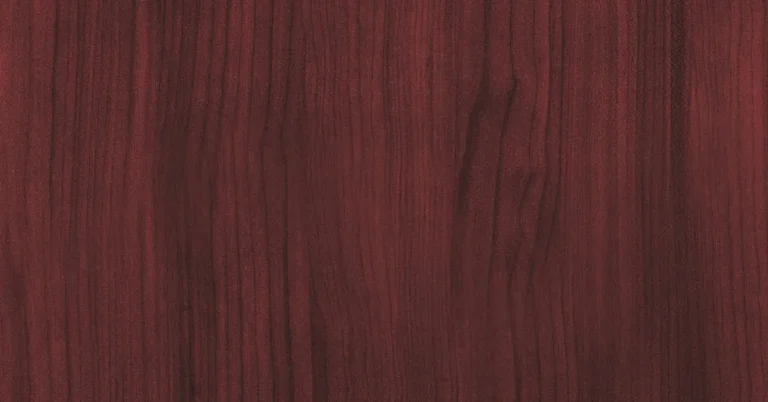
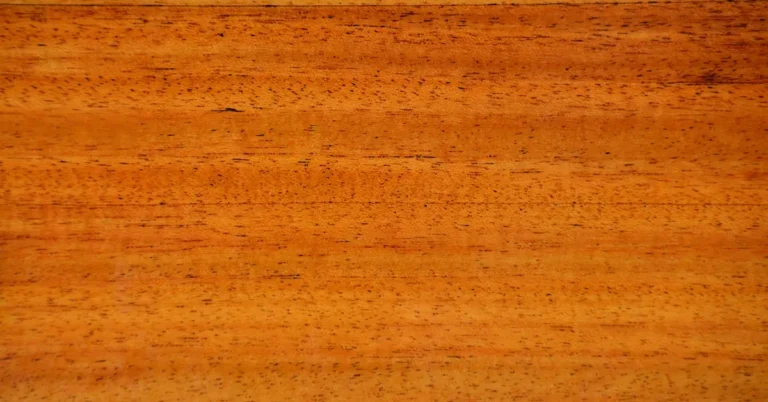
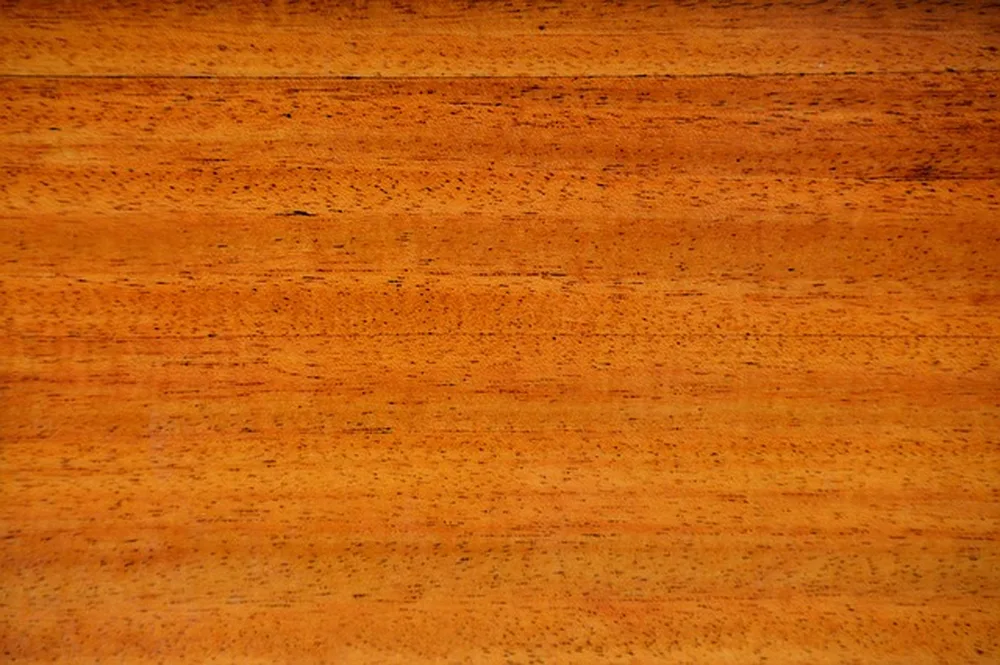
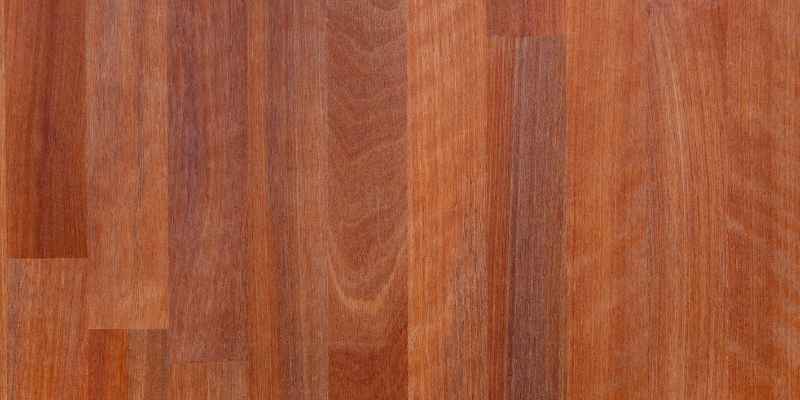
Genuine mahogany is a warm reddish-brown hardwood with a fine, straight-to-slightly-interlocked grain and a natural luster that deepens to a richer red-brown as it ages and takes in light. Fresh-cut boards often look surprisingly pale and pinkish, which is why so many buyers second-guess a real mahogany purchase — the deep, dark color most people picture only develops after months of exposure and finishing.
What Mahogany Wood Actually Looks Like: Color and Grain
See A Board’s True Color Before You Finish It
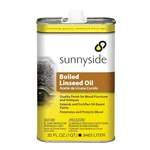 |
Sunnyside Boiled Linseed Oil, Quart – $12.79 A quick wipe of this on a sanded, unfinished board is the fastest way to see mahogany’s actual reddish-brown color and grain before you commit to a finish — dry wood always looks flatter and paler than it really is.
|
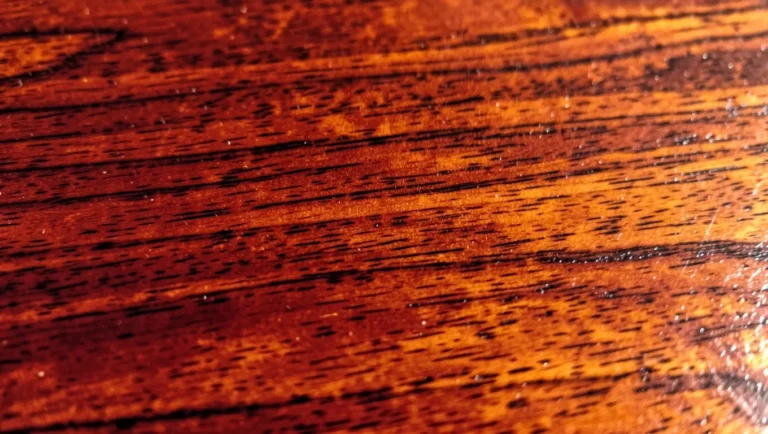
Color is the first thing people notice, but it’s also the least reliable identifier on its own. Genuine mahogany starts out a light pinkish-tan right after milling, then oxidizes and darkens over weeks and months of light exposure into the deep reddish-brown most people associate with the wood. Grain runs straight in most boards, though it’s common to see an interlocked or ribbon-like figure that produces a subtle chatoyance — a shifting sheen — when the surface catches light at different angles. The pores are fine and evenly distributed, which is why mahogany takes a polished finish so well and why it reads as “smooth” even before any sanding beyond a moderate grit.
One thing worth knowing before you shop by photos alone: screens compress and shift color constantly. A monitor set to a warm color temperature will make a mid-brown board look noticeably more “mahogany red” than it is in person, and the reverse happens under a cool-white photo light. If you’re buying mahogany lumber or furniture online, treat listing photos as a rough guide to grain pattern, not a color guarantee — ask for a photo taken in daylight, or a video, before relying on color alone.
The Three Species Sold as “Mahogany” — and How They Differ
“Mahogany” on a lumberyard tag can mean three genuinely different trees, and their appearance and price diverge more than most buyers expect:
| Species | Common Name | Typical Color | Grain | Relative Price |
|---|---|---|---|---|
| Swietenia macrophylla | Honduran / Big-Leaf Mahogany | Medium-to-deep reddish-brown | Straight, sometimes interlocked; storied rays visible under raking light | Highest — CITES-restricted since 2003 |
| Khaya anthotheca and related species | African Mahogany | Lighter pinkish to medium reddish-brown | Straight to wavy, coarser pore structure | Moderate — not CITES-restricted |
| Swietenia mahagoni | Cuban / West Indian Mahogany | Deep, dark reddish-brown | Fine, dense, tightly interlocked | Rare and expensive; commercially scarce today |
Honduran mahogany is what most modern furniture and lumber sold as “genuine mahogany” actually is. It has been protected under CITES Appendix II since 2003, which limits harvest and export and is the real reason genuine mahogany costs two to three times as much as African mahogany per board foot — not just perceived quality. African mahogany looks similar enough at a glance that it’s often substituted, and it’s a legitimate, attractive wood in its own right; the giveaway is usually a slightly lighter, less saturated color and a coarser, more open pore structure up close. Cuban mahogany is now commercially rare enough that most “Cuban mahogany” offered for sale is either reclaimed material or a misidentified substitute.
How Mahogany’s Appearance Changes as It Ages
Mahogany doesn’t look the same on day one as it does five or ten years later, and that’s a real, well-documented characteristic of the wood rather than a myth. Fresh-cut lumber is a light pinkish-tan. Within the first few weeks of light exposure it starts shifting toward a warmer medium reddish-brown, and by the five-to-ten-year mark on a piece that gets regular daylight, it typically settles into the deep, dark reddish-brown most people picture when they hear “mahogany.” Direct sunlight speeds this along; a piece kept in a dim room will darken far more slowly. This is also why matching an old mahogany antique with new mahogany stock is genuinely difficult — the new wood needs its own aging time, or a stain, to catch up in tone.
Look-Alikes: Stains and Substitute Woods That Mimic Mahogany
Because mahogany’s reddish-brown color is easy to fake with stain, several cheaper woods regularly get sold or finished to pass as mahogany at a glance: stained cherry, stained oak, stained poplar, sapele, and meranti (sometimes marketed as “Philippine mahogany,” which isn’t a true mahogany at all). Color alone won’t tell them apart, since a well-matched stain can get very close. What color can’t fake is the wood’s underlying pore structure and, on genuine mahogany, a subtle ripple or cross-banded shimmer in the grain called storied rays, visible when the surface is tilted under a raking (angled) light source. If you need to actually confirm whether a piece is real mahogany rather than a look-alike, our guide to identifying genuine mahogany walks through the ripple test and other checks in more depth than we cover here.
Mahogany vs. Oak and Maple: Appearance and Price
Mahogany’s look and feel are genuinely different from the two hardwoods it’s most often compared against:
| Wood | Color | Grain/Pore Look | Janka Hardness | Price per Board Foot |
|---|---|---|---|---|
| Mahogany | Reddish-brown, deepens with age | Fine, even pores; straight to interlocked | ~800-900 lbf | $8-$15 |
| Oak (Red/White) | Light tan to medium brown | Coarse, open, prominent ray fleck | ~1,290-1,360 lbf | $3-$7 |
| Maple | Pale cream to light tan | Very fine, often nearly invisible pores | ~1,450 lbf | $4-$10 |
Oak is noticeably harder than mahogany by the numbers and shows a much coarser, more visible grain with prominent ray fleck, especially when quartersawn. Maple runs harder still and reads almost grainless from a few feet away, which is why it’s often chosen when a lighter, more uniform look is the goal. If you’re deciding between mahogany and oak specifically for a project, our full mahogany vs. oak comparison breaks down hardness, cost, and best uses in detail.
Real Mahogany Pieces: What to Look For
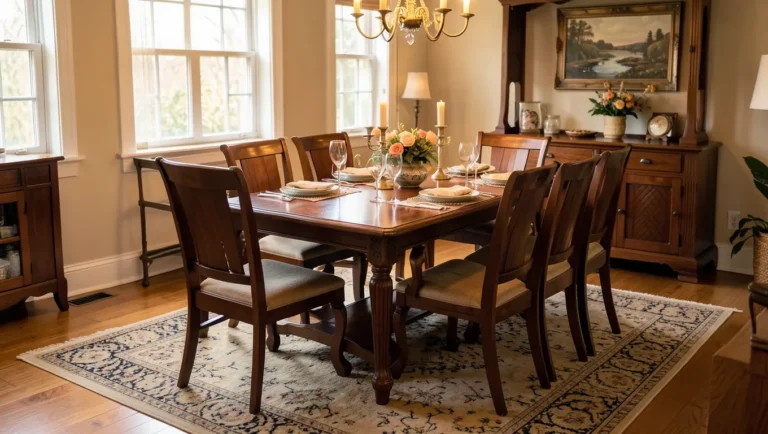
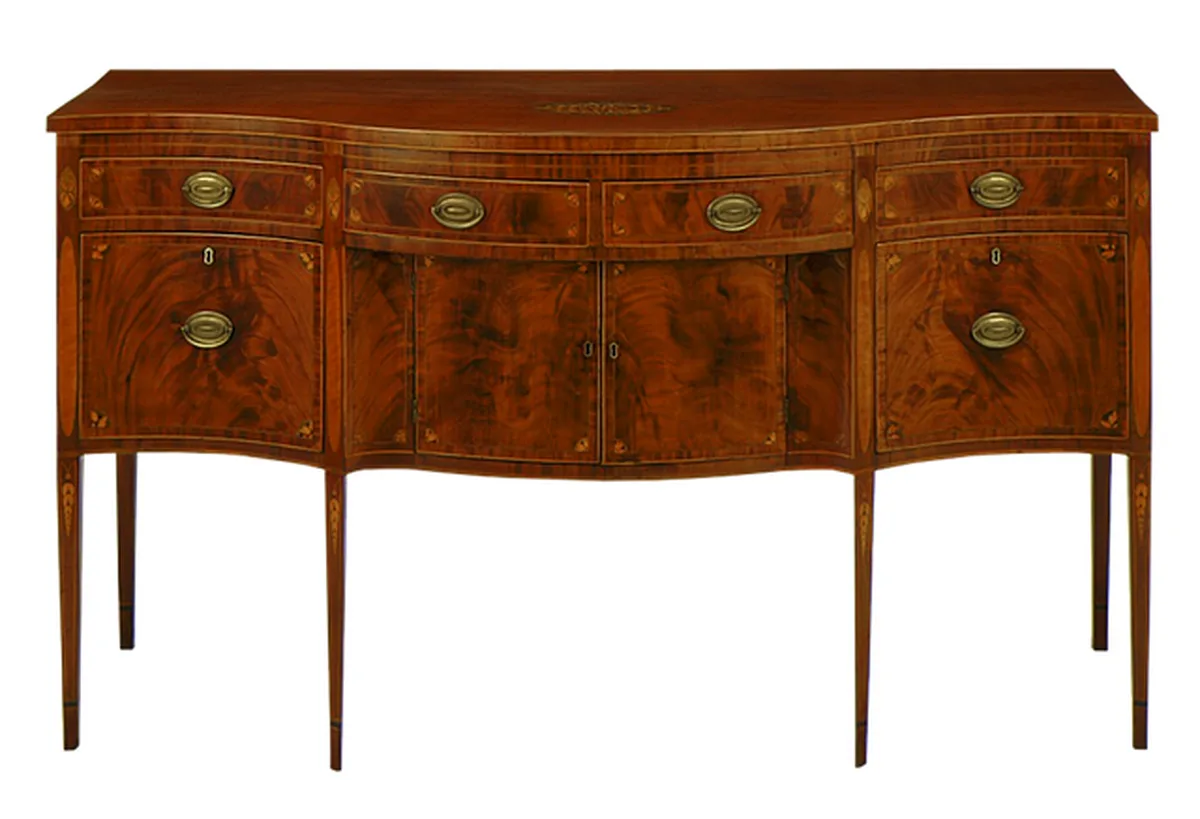
Mahogany shows up most often in fine furniture (tables, cabinets, dressers), musical instruments (guitar backs and sides, piano cases), boat interiors and trim, and decorative carving, precisely because its color, grain, and workability hold up under close inspection and repeated polishing. A well-kept antique mahogany sideboard or table is a good reference point for what fully aged, properly finished mahogany looks like — deep, glossy, reddish-brown with a visible but not overpowering figure in the grain.
Caring for Mahogany’s Finish and Color Over Time
Dust with a soft, dry cloth and wipe spills up promptly with a barely damp cloth — standing moisture and harsh cleaners are the two most common ways a mahogany finish gets dulled prematurely. A quality furniture polish every few months maintains the shine, and keeping a piece out of constant direct sunlight slows uneven fading (one side of a piece near a window will darken faster than the rest). For scratches, a matching furniture touch-up crayon handles light surface marks; deeper gouges need a color-matched wood filler, light sanding, and a fresh coat of finish to blend back in. Always test any repair on a hidden edge first, since mahogany’s aged color is hard to match exactly with a fresh product.
Mahogany also resists rot and insect damage better than most domestic hardwoods thanks to its dense, tight grain and natural oils, which is part of why it’s held up so well historically in boat interiors and outdoor-adjacent furniture. That said, “rot-resistant” doesn’t mean “waterproof” — a proper exterior-rated finish is still necessary for anything exposed to the elements long-term. When shopping, look for FSC (Forest Stewardship Council) or PEFC certification on mahogany lumber; given the 2003 CITES restriction on Honduran mahogany specifically, certified sourcing is a meaningful way to confirm you’re not buying illegally harvested stock.
Frequently Asked Questions
What color is mahogany wood?
Mahogany is a reddish-brown hardwood that starts out lighter and pinkish-tan when freshly cut, then deepens to a richer, darker reddish-brown over months of light exposure. The exact shade also depends on which species you have — African mahogany tends to run lighter than Honduran or Cuban mahogany.
What does mahogany grain look like?
Mahogany has a fine, evenly spaced pore structure with a grain that runs straight in most boards, though interlocked or ribbon-figured grain is common and produces a subtle shifting sheen called chatoyance under changing light. Genuine mahogany can also show storied rays, a faint ripple pattern visible under raking light.
Does mahogany wood get darker over time?
Yes. Mahogany oxidizes and darkens with light exposure, typically shifting from a pale pinkish-tan when freshly milled to a deep reddish-brown after several years of regular daylight exposure. Pieces kept in dim rooms darken more slowly than those near windows.
How can you tell real mahogany from a look-alike?
Color alone isn’t reliable since stain can mimic it closely on cherry, oak, or poplar. Genuine mahogany’s fine, even pore structure and, on close inspection under raking light, its storied-ray ripple pattern are harder to fake than color. For a full walkthrough of verification methods, including the ripple test, see our dedicated mahogany identification guide.
Conclusion
Mahogany’s defining look is a reddish-brown color that deepens with age, paired with a fine, straight-to-interlocked grain and a natural luster. But that color is also the easiest thing to fake with stain, which is why grain and pore structure matter more than a photo when you actually need to confirm what species you’re looking at. Whether you’re buying lumber, furniture, or matching an existing piece, give it time under real light before judging the color, and lean on grain and structure — not just the reddish-brown hue — when it counts.
Sponsored / affiliate links. As an Amazon Associate I earn from qualifying purchases. I may earn additional commission from eligible campaigns.