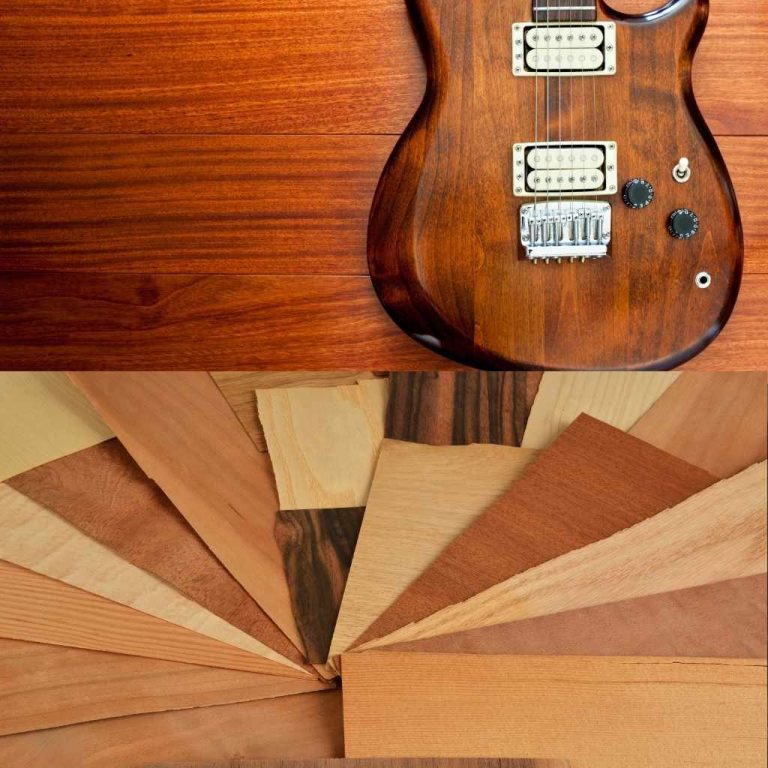
Mahogany tree History: Roots of Elegance & Durability
Mahogany trees belong to the genus Swietenia and are renowned for their durable, rich-colored wood. Native to tropical regions in the Americas, these trees have significant historical and economic importance.
Mahogany has a rich history dating back to ancient civilizations. The wood became a symbol of luxury and craftsmanship. Early explorers and colonizers prized mahogany for shipbuilding due to its strength and resistance to rot. By the 18th century, it gained popularity in furniture making, especially in Europe and North America.
The unique grain patterns and deep hues made mahogany a favorite among artisans. Unfortunately, overharvesting led to ecological concerns and conservation efforts. Today, sustainably sourced mahogany is sought after, balancing tradition with environmental responsibility. Understanding this history enhances appreciation for the wood’s beauty and significance.
The Origins Of Mahogany
Mahogany is a prized hardwood known for its beauty and durability. Its history is rich and fascinating. This wood has been used for centuries in various cultures. Understanding its origins reveals much about its value and significance.
Early Uses And Discovery
The journey of mahogany began in the tropical forests of Central America. Indigenous peoples first discovered this wood. They used mahogany for tools, canoes, and sacred items. The rich color and strength made it desirable.
In the 16th century, European explorers encountered mahogany. They were amazed by its quality. Soon, mahogany became popular in Europe for furniture. Its fine grain and reddish-brown hue appealed to many. This led to increased demand.
- Used for boats and furniture.
- Believed to have mystical properties.
- Symbol of wealth and status.
Spread Across Continents
As demand grew, mahogany spread across the globe. It reached the Caribbean islands, where plantations were established. These plantations thrived and supplied mahogany to Europe and North America.
In the 19th century, mahogany became a staple in furniture making. Craftsmen loved its workability. Mahogany furniture became a status symbol in many homes.
| Region | Significance |
|---|---|
| Central America | Origin of mahogany trees |
| Caribbean | Establishment of mahogany plantations |
| Europe | High demand for furniture |
| North America | Symbol of luxury and craftsmanship |
Today, mahogany continues to be celebrated. Its rich history enhances its allure. Understanding these origins deepens appreciation for this remarkable wood.
Botanical Beginnings
The Mahogany tree, known for its stunning wood, has a rich history. Its botanical roots reveal much about its growth and environment. Understanding its classification and natural habitat helps appreciate this majestic tree.
Species Classification
The Mahogany tree belongs to the Swietenia genus. This genus has several species, each with unique characteristics. The most common species include:
- Swietenia macrophylla – Also known as Big-leaf Mahogany.
- Swietenia mahagoni – Known as the West Indian Mahogany.
- Swietenia humilis – The Pacific Mahogany.
These species thrive in various climates, showcasing different traits.
Natural Habitat And Growth Conditions
Mahogany trees prefer warm, tropical climates. They naturally grow in:
- Central America
- Parts of South America
- The Caribbean islands
These trees flourish in well-drained soils and full sunlight. They require:
- Moderate rainfall between 40 to 100 inches per year.
- Humidity levels above 60%.
Mahogany trees can reach heights of 60 to 100 feet. They can live for over 100 years, showcasing their resilience. Their strong roots enable them to withstand storms.
| Species | Height | Habitat |
|---|---|---|
| Swietenia macrophylla | 60-100 ft | Tropical forests |
| Swietenia mahagoni | 40-80 ft | Coastal areas |
| Swietenia humilis | 30-50 ft | Dry forests |
Understanding these conditions highlights the tree’s adaptability. Mahogany continues to be a vital part of its ecosystem.
Cultural Significance
Mahogany trees hold deep cultural meaning across various societies. They symbolize strength and resilience. Their rich color and fine grain make them prized materials. Many cultures revere mahogany for its beauty and utility.
Symbolism In Indigenous Cultures
Indigenous cultures view mahogany as sacred. It represents life, growth, and connection to ancestors. Many tribes use mahogany in ceremonies and rituals.
- Strength: Mahogany stands tall and strong, representing endurance.
- Connection: The tree connects people to their heritage.
- Protection: Mahogany is seen as a guardian in spiritual practices.
Mahogany In Mythology And Folklore
Mahogany appears in various myths and stories. Many cultures tell tales of its origin. These stories often highlight the tree’s magical properties.
| Culture | Myth or Folklore |
|---|---|
| Mayan | Mahogany is the tree of life. |
| Arawak | It protects against evil spirits. |
| Taino | Mahogany symbolizes strength and unity. |
These stories enhance the tree’s allure. People respect mahogany for its significance in cultural narratives. The beauty of mahogany goes beyond its wood; it embodies history and tradition.
The Mahogany Trade
The mahogany trade has a rich and complex history. This valuable wood, prized for its beauty and durability, sparked intense demand across the globe. Understanding its past reveals much about economic practices and environmental impacts.
The Boom Of The Mahogany Market
The mahogany market experienced significant growth in the 18th and 19th centuries. Demand surged due to its use in furniture and shipbuilding. The wood’s deep color and fine grain made it a favorite among artisans.
- Furniture Manufacturing: Mahogany became the top choice for fine furniture.
- Shipbuilding: Its strength made it ideal for constructing ships.
- Luxury Items: Craftsmen used mahogany for high-end products.
This booming market led to overharvesting. Many forests faced severe depletion. Countries in Central America and the Caribbean became major exporters.
Historical Trade Routes
Trade routes played a vital role in the mahogany trade. They connected producers in the Americas with markets in Europe and beyond.
| Region | Major Exporters | Key Trade Routes |
|---|---|---|
| Central America | Honduras, Belize | Atlantic Ocean to Europe |
| Caribbean | Cuba, Jamaica | Caribbean Sea to North America |
| South America | Brazil | Amazon River routes |
Ships carried mahogany across oceans. This trade created economic ties between nations. It also led to conflicts over resources.
Craftsmanship And Artistry
Mahogany wood is famous for its beauty and strength. Craftsmen admire its rich color and fine grain. This wood has inspired many artisans for centuries.
Furniture And Woodworking Mastery
Crafting furniture from mahogany showcases true artistry. Skilled artisans use various techniques to enhance its natural beauty. Here are some key features:
- Durability: Mahogany resists wear and tear.
- Workability: The wood is easy to shape and carve.
- Finish: It takes stain and polish exceptionally well.
Many furniture pieces made from mahogany have timeless appeal. These pieces often become heirlooms passed down through generations.
Iconic Mahogany Pieces
Several mahogany pieces are renowned for their design and craftsmanship. Here are some iconic examples:
| Piece | Designer | Year |
|---|---|---|
| Chippendale Chair | Thomas Chippendale | 1754 |
| Hepplewhite Sideboard | George Hepplewhite | 1788 |
| Adirondack Chair | Thomas Lee | 1903 |
Each piece showcases the beauty of mahogany. Their designs reflect the skill of the artisans who created them.
Mahogany’s role in furniture making remains significant. Its rich history continues to inspire new generations of craftsmen.
Durability And Characteristics
Mahogany wood is known for its exceptional durability and beautiful characteristics. This wood is a popular choice for furniture and flooring. Its strength and resistance to wear make it ideal for various applications.
Physical Properties
Mahogany has several remarkable physical properties:
- Density: Mahogany has a high density, making it strong.
- Grain: It features a straight and fine grain, enhancing its beauty.
- Color: The wood ranges from light pink to deep reddish-brown.
- Finish: It holds finishes well, giving a polished look.
These properties contribute to its popularity in woodworking and carpentry.
Longevity And Maintenance
Mahogany is famous for its longevity. It can last for decades with proper care. Here are some maintenance tips:
- Use a damp cloth to clean the surface.
- Avoid harsh chemicals that can damage the finish.
- Apply wax or oil regularly to maintain shine.
- Keep it away from direct sunlight to prevent fading.
With simple maintenance, mahogany wood can remain beautiful and durable for many years.
Conservation Efforts
Mahogany trees face many challenges. Protecting them is crucial. Efforts focus on conservation, sustainable practices, and regulations.
Threats To Mahogany Trees
Various factors threaten mahogany trees:
- Deforestation: Cutting down forests for land use.
- Illegal Logging: Harvesting without permission.
- Climate Change: Altering habitats and growing conditions.
- Pests and Diseases: Attacking tree health.
Sustainable Practices And Regulations
To combat threats, several practices and regulations are in place:
- Responsible Logging: Only licensed companies may harvest.
- Reforestation: Planting new trees to replace those cut down.
- Certification Programs: Ensuring wood comes from sustainable sources.
- Community Involvement: Engaging locals in conservation efforts.
| Practice | Benefits |
|---|---|
| Responsible Logging | Reduces illegal cutting, protects habitats. |
| Reforestation | Restores ecosystems, increases biodiversity. |
| Certification Programs | Promotes sustainable choices among consumers. |
| Community Involvement | Empowers locals, enhances awareness. |
Modern Use And Legacy
Mahogany trees have a rich history that continues today. Their wood is prized for beauty and durability. This section explores mahogany’s role in contemporary design and its lasting influence.
Mahogany In Contemporary Design
Today, mahogany wood is a favorite choice among designers and builders. It adds warmth and elegance to various spaces.
- Furniture: Mahogany is common in high-end furniture.
- Cabinetry: Many kitchens feature mahogany cabinets.
- Musical Instruments: Guitars and pianos often use mahogany for sound quality.
| Use | Benefits |
|---|---|
| Furniture | Sturdy and attractive, lasts for years. |
| Cabinetry | Resistant to moisture and wear. |
| Musical Instruments | Enhances sound quality. |
The Tree’s Ongoing Influence
Mahogany continues to inspire artists and craftsmen. Its rich color and grain patterns are unmatched.
- Craftsmanship: Artisans create beautiful pieces from mahogany.
- Sustainability: Efforts to protect mahogany forests are increasing.
- Cultural Significance: Mahogany symbolizes luxury and tradition.
Its legacy is evident in modern architecture, furniture, and art. Designers value mahogany’s versatility. The future of mahogany remains bright, with ongoing conservation efforts.
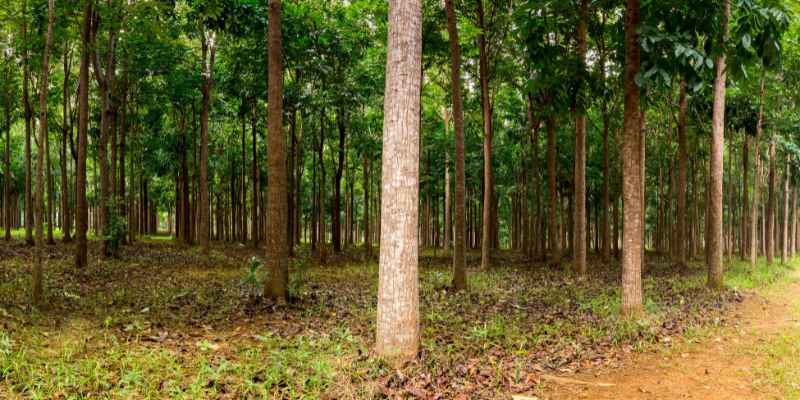
Frequently Asked Questions
What Is The Origin Of The Mahogany Tree?
The Mahogany tree originates from the Americas, particularly Central and South America. It thrives in tropical climates and is known for its durability and rich color. Historically, Mahogany has been used in furniture making and shipbuilding due to its resistance to decay.
Why Is Mahogany Valued In Woodworking?
Mahogany is highly valued for its beautiful grain and rich color. It is easy to work with and holds finishes exceptionally well. Its natural resistance to moisture and insects makes it ideal for both indoor and outdoor use. This combination of qualities contributes to its popularity in high-end woodworking.
How Long Does A Mahogany Tree Live?
A Mahogany tree can live for over 100 years. Its lifespan varies based on environmental conditions and care. Mature trees can reach heights of up to 150 feet, providing ample timber for sustainable harvesting. Proper maintenance ensures longevity and health for these majestic trees.
What Are The Environmental Impacts Of Mahogany Harvesting?
Mahogany harvesting can lead to deforestation if not managed sustainably. Unsustainable practices threaten biodiversity and local ecosystems. However, responsible management and reforestation efforts can mitigate these impacts. Supporting certified sustainable sources helps protect the environment while enjoying Mahogany products.
Conclusion
The history of the mahogany tree is rich and fascinating. This remarkable tree has shaped cultures and economies for centuries. Its wood remains highly valued for quality and durability. Understanding its past helps us appreciate its significance today. Protecting mahogany is crucial for future generations to enjoy its beauty and benefits.