Maloof Chair Template: Craft Iconic Seating Easily
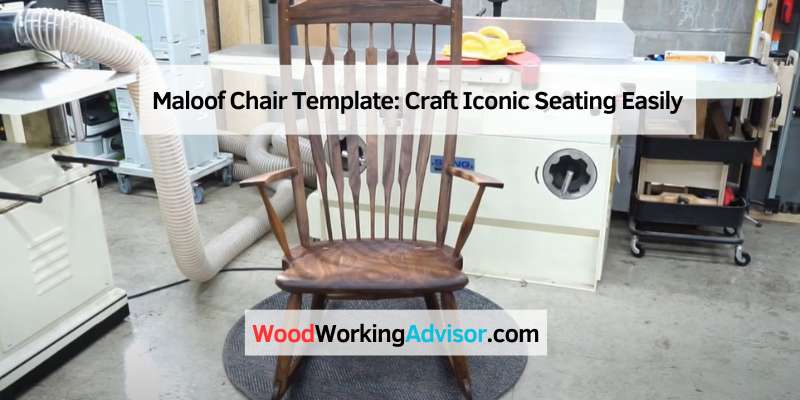
The Maloof Chair Template is a blueprint for creating the iconic Maloof rocking chair. It provides essential measurements and design elements for woodworkers.
The Maloof rocking chair, designed by Sam Maloof, is renowned for its unique blend of comfort and elegance. This chair features a sculptural form, crafted from high-quality wood, making it a timeless piece of furniture. Artisans and enthusiasts appreciate the Maloof Chair Template for its detailed specifications, which ensure accuracy in construction.
Using this template allows woodworkers to replicate the chair’s distinctive curves and ergonomic design. With a focus on both aesthetics and functionality, the Maloof rocking chair has become a symbol of fine craftsmanship. Understanding the template is crucial for those aiming to create their own version of this celebrated design.
Introduction To Maloof Chairs
The Maloof chair is famous for its unique design and comfort. Created by Sam Maloof, this chair combines art and function. Sam was known for his craftsmanship and love for wood. His chairs reflect quality and style that stand the test of time.
Choosing to DIY a Maloof chair can be a rewarding experience. It allows for personal expression in design. Building your own chair can save money while gaining skills. This project provides a chance to create something that fits your home perfectly.
Learning about Maloof’s techniques can inspire creativity. Each chair tells a story of craftsmanship. A DIY Maloof chair becomes more than just furniture; it becomes a family heirloom.
Essential Tools And Materials
Choosing the right wood is crucial for your Maloof chair. Hardwoods like maple and walnut are excellent choices. They provide strength and beauty. Softwoods may not be durable enough for this project.
Must-have tools include a saw, chisel, and sandpaper. A router helps shape the edges. Use a drill for making precise holes. A clamp will hold pieces together while working. Having a measuring tape ensures accuracy.
| Tool | Purpose |
|---|---|
| Saw | Cut wood pieces |
| Chisel | Shape and refine edges |
| Sandpaper | Smooth surfaces |
| Router | Create decorative edges |
| Drill | Make holes for joints |
| Clamp | Hold pieces together |
| Measuring Tape | Ensure accurate measurements |
Selecting Your Maloof Chair Template
Finding the right Maloof chair template can be easy. Many types of templates exist. Some are for beginners, while others are for experts. Templates may vary in style and complexity. Choose one that fits your skill level.
Quality templates can be found in various places. Websites dedicated to woodworking often offer free and paid options. Local woodworking shops might have printed templates available. Online forums and communities also share templates created by members. Always read reviews before purchasing or downloading.
| Template Type | Skill Level |
|---|---|
| Basic Maloof Chair | Beginner |
| Advanced Maloof Chair | Expert |
| Customizable Template | Intermediate |
Preparing The Wood
Start by measuring the wood according to the template specifications. Use a saw to cut the wood accurately. Make sure to follow the lines carefully for best results.
After cutting, it’s time for sanding. Use sandpaper to smooth all edges. This helps remove splinters and rough spots. Start with a coarse grit and move to a finer grit for a smooth finish.
Remember to wear a mask and goggles while sanding. This keeps your lungs and eyes safe from dust. Clean the wood surface after sanding to ensure a perfect finish.
Assembling The Chair
Assembling the Maloof chair requires strong joinery techniques. These methods ensure stability and longevity. Use mortise and tenon joints for a secure fit. They provide excellent strength for the chair’s structure.
Gluing and clamping are vital for durability. Apply glue generously in the joints. Use clamps to hold pieces together while the glue dries. This prevents movement and creates a tight bond.
Choosing the right glue is important. Use wood glue for the best results. It dries clear and forms a strong bond. Always follow the manufacturer’s instructions for application.
Shaping The Chair
The Maloof chair is famous for its unique curves. These curves make the chair look elegant and stylish. Sculpting these shapes requires skill and patience. Each curve is carefully crafted to fit the human body.
Refining the edges is very important. Smooth edges help prevent splinters and sharp corners. Attention to detail adds to the beauty of the chair. A well-finished chair feels nice to touch.
| Feature | Importance |
|---|---|
| Curves | Enhance comfort and aesthetics |
| Edges | Prevent injury and improve appearance |
| Details | Add character and uniqueness |
Finishing Touches
Choosing the right finish for your Maloof Chair is very important. A good finish enhances the beauty of the wood. Options like oil-based, water-based, and lacquer finishes provide different looks. Each type offers unique benefits for your project.
For a smooth coat, preparation is key. Start by sanding the surface to remove any imperfections. Use fine-grit sandpaper for the best results. Always clean the dust off before applying the finish.
Apply the finish in thin layers. This helps avoid drips and uneven spots. Use a high-quality brush or a lint-free cloth for a better application. Allow each layer to dry fully before adding more.
Mistakes To Avoid
Many people make mistakes while crafting the Maloof chair. Understanding these common pitfalls is important for success.
One major mistake is ignoring the measurements. Always double-check your dimensions before cutting wood.
Using the wrong type of wood can lead to problems. Choose strong, durable wood for your chair.
Another issue is poor joint construction. Ensure all joints fit tightly for stability.
Finishing touches are crucial. Skipping sanding can ruin the chair’s look and feel.
Plan your project step by step. Rushing can lead to mistakes and wasted materials.
| Common Mistakes | Tips to Avoid |
|---|---|
| Incorrect Measurements | Double-check all dimensions |
| Wrong Type of Wood | Select strong wood |
| Poor Joint Construction | Ensure tight fittings |
| Skipping Sanding | Always sand before finishing |
| Rushing the Project | Take your time and plan |
Following these tips can help you avoid common mistakes. Enjoy crafting your Maloof chair!
Frequently Asked Questions
What Is A Maloof Chair Template?
A Maloof chair template is a design guide used to create the iconic Maloof chair. This template helps woodworkers replicate the chair’s unique curves and structures. It simplifies the construction process, ensuring accuracy and consistency in each piece. Using a template can enhance the quality of your finished chair.
How Do I Use A Maloof Chair Template?
To use a Maloof chair template, first, trace the template onto your wood. Then, carefully cut along the traced lines using appropriate tools. After cutting, sand the edges to achieve a smooth finish. Follow the template closely for accuracy in shaping and assembling your chair.
Where Can I Find Maloof Chair Templates?
Maloof chair templates can be found online through woodworking websites, forums, and craft stores. Many skilled woodworkers offer digital downloads or printed versions for purchase. Additionally, some woodworking books may include templates. Ensure the template is from a reputable source for accuracy and quality.
What Materials Are Needed For A Maloof Chair?
To build a Maloof chair, you’ll need quality hardwood, such as oak or walnut. Other materials include wood glue, screws, and sandpaper for finishing. Tools like a bandsaw, jigsaw, and clamps will also be essential. Choosing the right materials ensures durability and an attractive final product.
Conclusion
The Maloof Chair template offers a unique blend of style and comfort. Crafting this iconic piece can enhance your woodworking skills. Whether you’re a beginner or a pro, following the template ensures precision. Embrace the artistry of furniture making, and create a stunning chair that will be cherished for years.