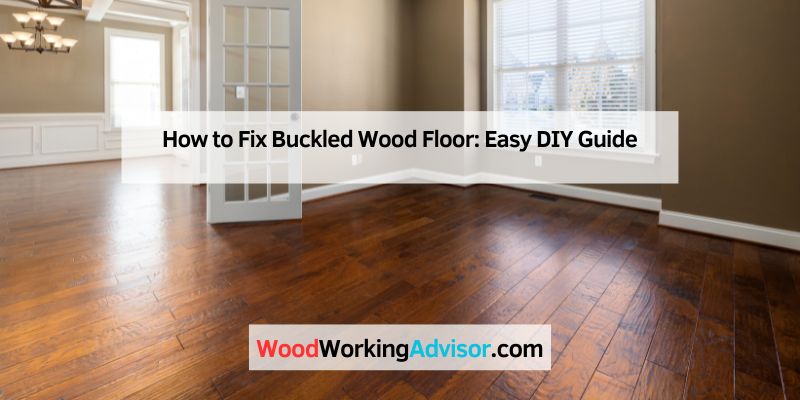
How to Fix a Buckled Wood Floor: Dry It Out or Replace It?
A buckled wood floor, where boards pull away from the subfloor and lift up to several inches, is almost always caused by excess moisture, not bad wood, and mild cases press flat within 72 hours once the source is dried out with fans and a dehumidifier. Skip drying the subfloor first and new boards will buckle again within weeks. This guide covers testing moisture with a meter, drying the area, when to replace boards instead, and stopping buckling from returning.
Identifying Buckled Wood Floors
Best Moisture Meter Pick
General Tools MMD4E Digital Moisture Meter
Pin-type meter that reads both wood and subfloor moisture — the first tool to reach for before deciding to dry or replace.
- Best for: confirming whether boards and subfloor are actually dry before repair
- Why we picked it: gives a real percentage reading instead of guessing by touch
- Main drawback: pin-type leaves tiny holes, so test in an inconspicuous spot
Compare more buckled floor repair tools
 Option 1 Waykar 34 Pint Dehumidifier
|
 Option 2 CUTTEREX Pull Bar and Pry Bar
|
 Option 3 Gorilla Wood Filler Repair Kit
|
As an Amazon Associate we earn from qualifying purchases.
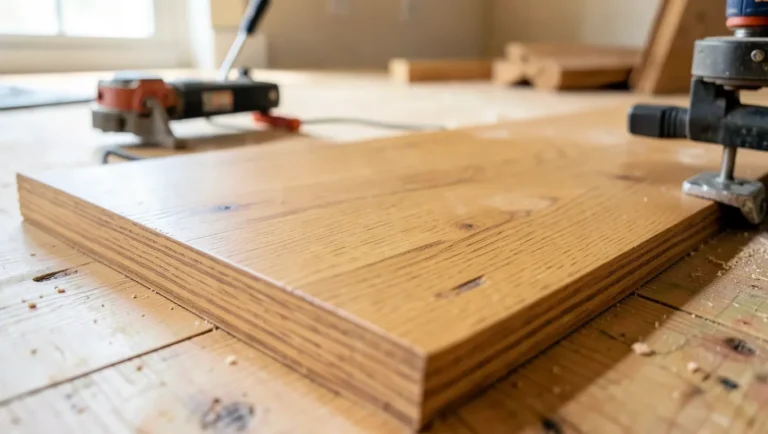
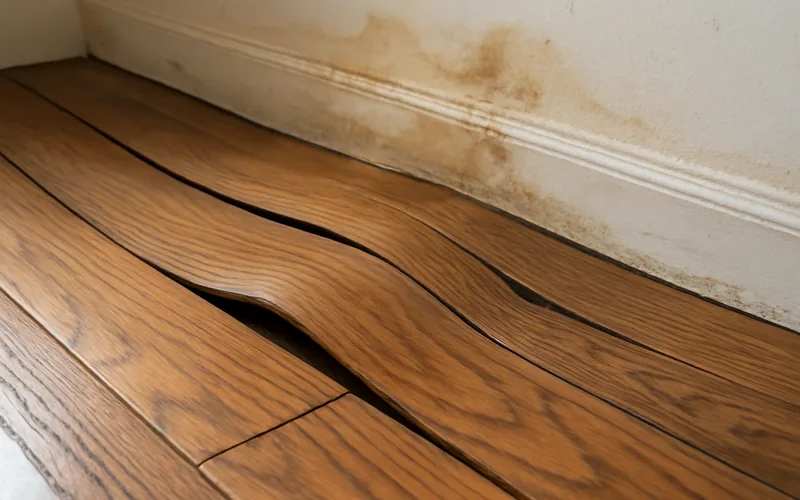
Buckled wood floors are often uneven, warped, and may rise above the normal level. Fixing them involves addressing moisture issues and replacing damaged sections.
Signs Of Buckling
Buckled wood floors look uneven. Boards lift and curve upward. Gaps may appear between boards. The floor feels bumpy underfoot. These are clear signs of buckling.
Causes Of Buckling
Excess moisture is the most common cause of buckling — from spills, flooding, plumbing leaks, or sustained high indoor humidity that the wood absorbs faster than it can release. Poor installation without proper expansion gaps around the room’s perimeter is the second leading cause: wood naturally expands with the seasons, and if it has nowhere to go, it pushes upward instead. Concrete subfloor moisture and skipped acclimation before installation also contribute.
Buckling vs. Cupping vs. Crowning: What’s the Difference?
Buckling is the most severe of the three moisture reactions — the wood pulls completely away from the subfloor, lifting boards several inches in one or more spots. Cupping is milder: each board’s edges rise while the center stays low, like a shallow bowl, and it usually means the underside of the board is wetter than the top. Crowning is the reverse of cupping — the center of the board rises while the edges stay flat — and it typically shows up after a floor was sanded while still wet from cupping, or when the top of the floor gets wetter than the bottom (repeated wet mopping is a common cause). Buckling means act immediately; cupping and crowning can often wait until the floor fully dries before deciding on refinishing.
Should You Dry the Floor Out or Replace the Boards?
The right fix depends on how long the boards have been lifted and how far they’ve moved. Use this as a starting checklist, then confirm with a moisture meter before deciding.
| Severity | What You’ll See | Recommended Fix |
|---|---|---|
| Mild, recent (under 24-48 hrs) | Slight lift, boards still mostly seated | Dry with fans/dehumidifier, weight the area down |
| Moderate (48-72 hrs, drying in progress) | Noticeable lift, moisture meter still reads high | Keep drying, re-check moisture meter daily until stable |
| Severe (still lifted after 72+ hrs) | Boards remain raised after full drying, visible gaps/cracking | Cut out and replace the affected boards |
| Widespread (many spots, subfloor damaged) | Buckling across multiple rooms or areas | Call a professional — subfloor may need repair too |
📊 Wood flooring should read 6–9% moisture content, and the subfloor should stay within 2–4 percentage points of that reading — Source: National Wood Flooring Association (NWFA) technical guidelines.
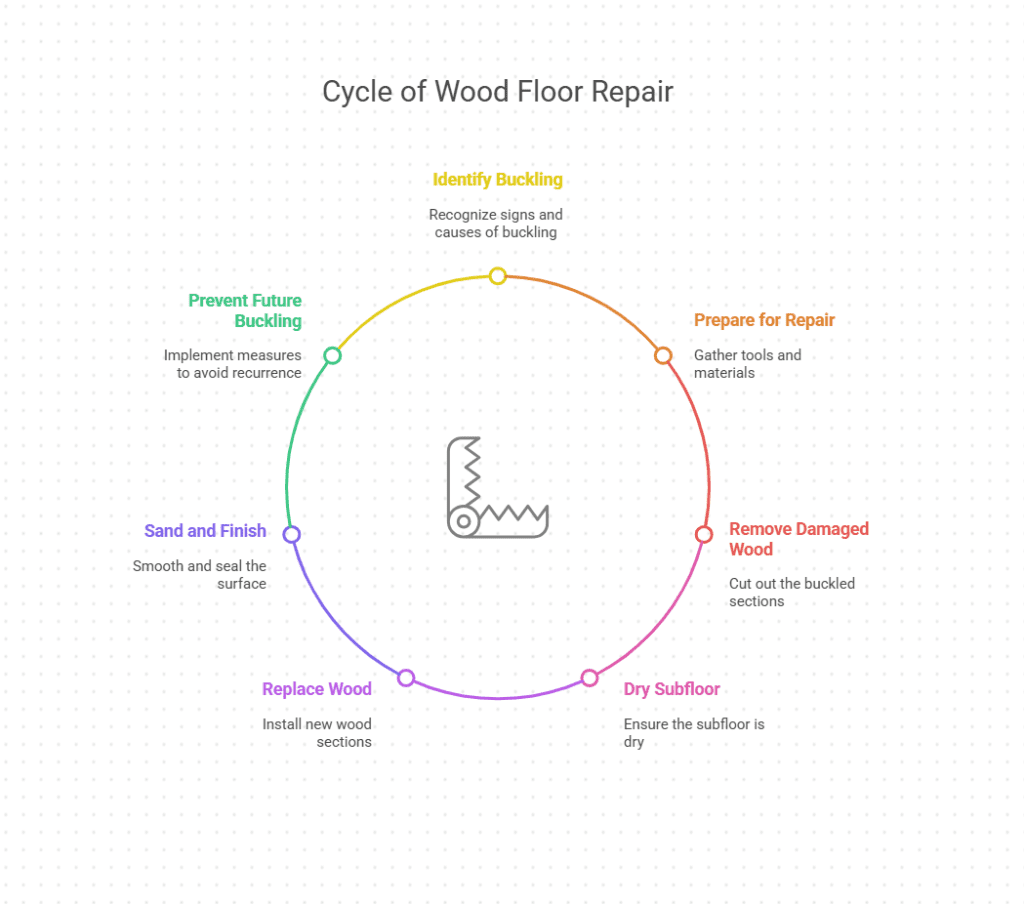
Preparing For Repair
You need essential tools to fix a buckled wood floor. Get a hammer, nails, pry bar, and wood glue. Also, gather a bucket, sponge, and towels. Check for wood fillers if gaps are large. Having these items ready saves time. Prepare the area before starting.
Safety is important when repairing floors. Wear gloves and safety goggles. Ensure the room is well-ventilated. Keep a first aid kit nearby. Make sure the floor is dry before working. Clear the area of any clutter.
Removing Damaged Sections
Removing damaged sections helps fix buckled wood floors. Cut out the warped planks and replace them with new ones. Ensure the new wood matches the existing floor for a smooth finish.
Marking The Area
Identify the buckled area. Use a pencil to mark the damaged sections. Ensure lines are straight. This makes cutting easier. You will need a ruler or tape measure. Accuracy is key. Measure twice, cut once.
Cutting Out The Buckled Wood
Use a circular saw or hand saw. Follow the marked lines. Remove the damaged pieces carefully. Avoid cutting too deep — this can damage the subfloor. Clean the area thoroughly and remove any debris so the space is clear for the next step.
Drying The Subfloor
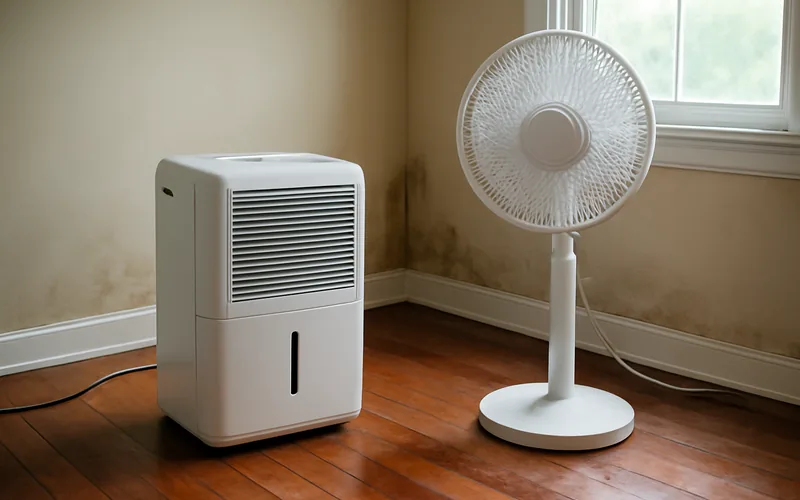
Fans and dehumidifiers can help dry the subfloor. Place fans around the room. Turn on dehumidifiers to remove moisture. Keep them running until the subfloor is dry. Check the progress every day. Move the fans to different spots if needed. This speeds up drying.
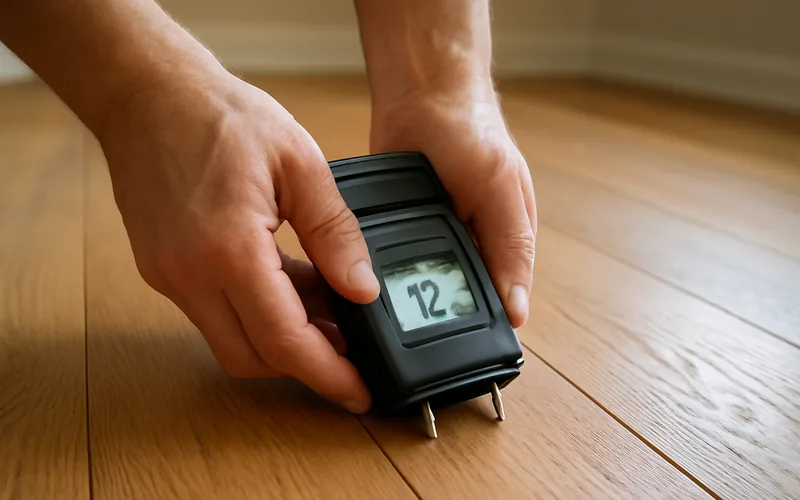
Use a moisture meter to check the subfloor. Press it against the wood. Note the readings. The subfloor must be dry before fixing the wood floor — the NWFA recommends the subfloor stay under 12% moisture content and within 2–4 percentage points of the flooring reading. If readings are still high after 72 hours of active drying, that’s usually the signal to move from drying to board replacement rather than waiting longer.
Replacing The Wood
Choose boards that match the existing floor’s wood type. Measure the length and width of the damaged area. Select boards of the same size. Ensure the color and grain pattern are similar. This will help the new boards blend in well.
Remove the damaged boards carefully. Use a saw to cut them out. Clean the area thoroughly. Place the new boards in position. Ensure they fit snugly, leaving the same expansion gap as the surrounding floor. Nail or glue the boards in place. Sand the edges to make them smooth. Finish with a matching stain and sealant coat.
Sanding And Finishing
Sanding and finishing can help fix buckled wood floors. Start by sanding the affected area to level it out. Apply a finish to protect and restore the floor’s beauty.
Sanding The Surface
Start with a coarse-grit sandpaper. Move the sander in the direction of the wood grain. Do not stay in one spot for too long — this prevents uneven sanding.
Switch to a medium-grit sandpaper for the next round. Sand again in the direction of the grain. This smooths out the surface. Finally, use a fine-grit sandpaper for the last round. This makes the wood smooth and ready for staining.
Applying Stain And Sealant
Choose a high-quality wood stain. Apply the stain with a clean cloth. Rub the stain into the wood. Let the stain dry completely. This may take several hours.
Once dry, apply a sealant to protect the wood. Use a brush to apply the sealant evenly. Allow the sealant to dry for the recommended time. This adds a protective layer and enhances the wood’s look.
“On repair jobs, boards that are still visibly lifted after two full days of fan-and-dehumidifier drying almost never settle on their own — that’s the point to stop waiting and start cutting them out. Boards caught within the first day usually press back down fine.”
Preventing Future Buckling
Wood floors need controlled humidity to stay flat. Too much moisture makes wood expand. Not enough moisture makes wood shrink. Use a humidifier in winter to add moisture. In summer, use a dehumidifier to remove excess moisture. Keep humidity levels between 30% and 50% as recommended by the National Wood Flooring Association — this range is what most wood floor warranties assume you’ll maintain. Check humidity with a hygrometer.
Clean spills right away to prevent water damage. Sweep or vacuum your floor often to remove dirt. Dirt can scratch and damage the wood — see our guide to fixing scratches in a wood floor or our guide to removing scuff marks if either has already happened — those are cosmetic fixes, separate from the moisture repair covered here. Use mats at entryways to catch dirt and water. Don’t use wet mops — they add too much water to the wood. Check for leaks around doors and windows and fix them fast to avoid floor damage. If you’re installing new flooring over a concrete slab, moisture control matters even more before the first board goes down — our guide to installing wood floor on concrete covers the vapor barrier step this article assumes is already in place.
When To Call A Professional
If the wood floor has severe damage, it is best to call a professional. Severe damage might include large cracks, deep gouges, or extensive water damage. These issues need special tools and skills to fix. Trying to fix this yourself could make the problem worse. A professional can ensure the job is done right.
Complex repairs often need a professional touch. If the floor has buckled in many places, or if the subfloor needs fixing, call an expert. These tasks can be difficult and may require specific knowledge. A professional will have the right experience to handle these repairs. This ensures your floor stays in good condition for a long time. For general upkeep once the repair is done, our full wood flooring guide covers care routines by flooring type.
Frequently Asked Questions
Can You Fix Buckled Hardwood Floors?
Yes, buckled hardwood floors can be fixed. Identify the cause, reduce moisture, and apply proper repairs to restore them.
How Do You Flatten A Swollen Hardwood Floor?
To flatten a swollen hardwood floor, dry the area with fans and dehumidifiers. Remove any standing water. Check for persistent moisture and address the source. Sand and refinish the floor if necessary. Consult a professional for severe damage.
Can A Warped Wood Floor Be Straightened?
Yes, a warped wood floor can be straightened. Use moisture control, sanding, and replacement of severely damaged boards to fix it.
How To Fix A Bowed Wood Floor?
To fix a bowed wood floor, identify moisture issues first. Remove moisture sources and allow the floor to dry. Use a dehumidifier to speed up drying. Sand and refinish the floor if necessary. Replace severely damaged boards.
Can a Buckled Floor Fix Itself?
Only in mild cases. If the buckling is minor and caused by a brief humidity spike, the boards can settle back down on their own once conditions return to normal. Boards lifted more than a small amount, or lifted for more than a few days, will not flatten without active drying and usually need a moisture meter check first.
What Is a Normal Moisture Meter Reading for a Wood Floor?
A healthy wood floor reads between 6% and 9% moisture content, according to National Wood Flooring Association guidelines. The subfloor should stay under 12% and within 2 to 4 percentage points of the flooring reading — a bigger gap than that signals a moisture problem even if the floor looks fine.
Conclusion
Fixing a buckled wood floor comes down to three things: find the moisture source, dry it out completely, and replace only the boards that don’t settle back down on their own. Test with a moisture meter rather than guessing, keep indoor humidity between 30% and 50% going forward, and call a professional if the buckling covers more than a small area or the subfloor itself is damaged.
Sponsored / affiliate links. As an Amazon Associate I earn from qualifying purchases. I may earn additional commission from eligible campaigns.