How to Waterproof a Wood Planter Box (4 Sealant Types)
Waterproof a wood planter box by sanding the interior, applying two coats of an exterior sealant such as polyurethane or silicone, and stapling in a plastic liner below the rim. Skip this step and untreated boards can warp, split, or rot within a single growing season. This guide covers sealant types, dry times, and how to add drainage holes without letting water back into the wood.
Materials Needed
Best Wood Planter Sealant Pick
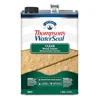
Thompson’s WaterSeal Clear Wood Sealer, 1 Gallon – $19.94
A clear, oil-based sealant that matches the “oil-based sealants last longer” point in this guide’s sealant comparison, and dries clear so the wood grain still shows through.
- Best for: Sealing the interior of a wood planter box before adding a liner
- Why we picked it: Oil-based formula holds up under repeated watering without peeling
- Main drawback: Strong odor while curing — apply outdoors or in a ventilated space, as this guide’s mask tip suggests
Compare more wood planter box sealant options
 Option 1 Thompson’s WaterSeal Waterproofer Stain – $17.97
|
 Option 2 Eco Advance Wood Waterproofer – $26.99
|
 Option 3 Seal-Once Marine Penetrating Sealer – $51.99
|
As an Amazon Associate we earn from qualifying purchases.
Gather all needed items before starting. You will need a planter box and a plastic liner. The liner should be slightly bigger than the box. Purchase waterproof sealant to protect the wood. Choose a brush or roller for applying the sealant. Have a pair of scissors ready to cut the liner. Use a staple gun to secure the liner. Make sure you have enough staples.
Find a measuring tape to check the box size. This helps in cutting the liner correctly. Wear gloves when working with sealant. It keeps your hands clean. A mask is useful too. It protects from fumes. Arrange all items neatly for easy access. Building new instead of retrofitting an old box? Our cedar planter plans use naturally rot-resistant wood that needs less sealant to begin with.
Preparing The Wood Surface
First, remove dirt and dust from the planter box. Use a soft brush for gentle cleaning. Warm water and mild soap help in removing stains. Rinse the planter with clean water. Dry the planter completely before moving on. A clean surface is essential for waterproofing.
Sanding the wood makes it smooth. Use sandpaper with fine grit. Rub the sandpaper gently over the surface. Smooth surfaces hold waterproofing better. Remove dust after sanding using a clean cloth. A smooth finish is crucial for a neat look.
Choosing The Right Sealant
Sealants help protect wood from water. There are many types. Some are oil-based. Others are water-based. Oil-based sealants last long. But they smell strong. Water-based sealants dry fast. They have less odor.
Silicone sealants are another choice. They are flexible. They resist water well. But they can be sticky. Polyurethane sealants are tough. They bond well to wood. But they can be hard to apply.
Eco-friendly sealants are safe for nature. They have no harmful chemicals. Natural oil sealants are one type. They come from plants. Beeswax is another option. It comes from bees. It is natural and safe.
Water-based sealants can be eco-friendly too. They have fewer chemicals. They are safer for the air. Choose sealants with green labels. They are better for the planet. Protect your planter and the earth at the same time.
Applying The Sealant
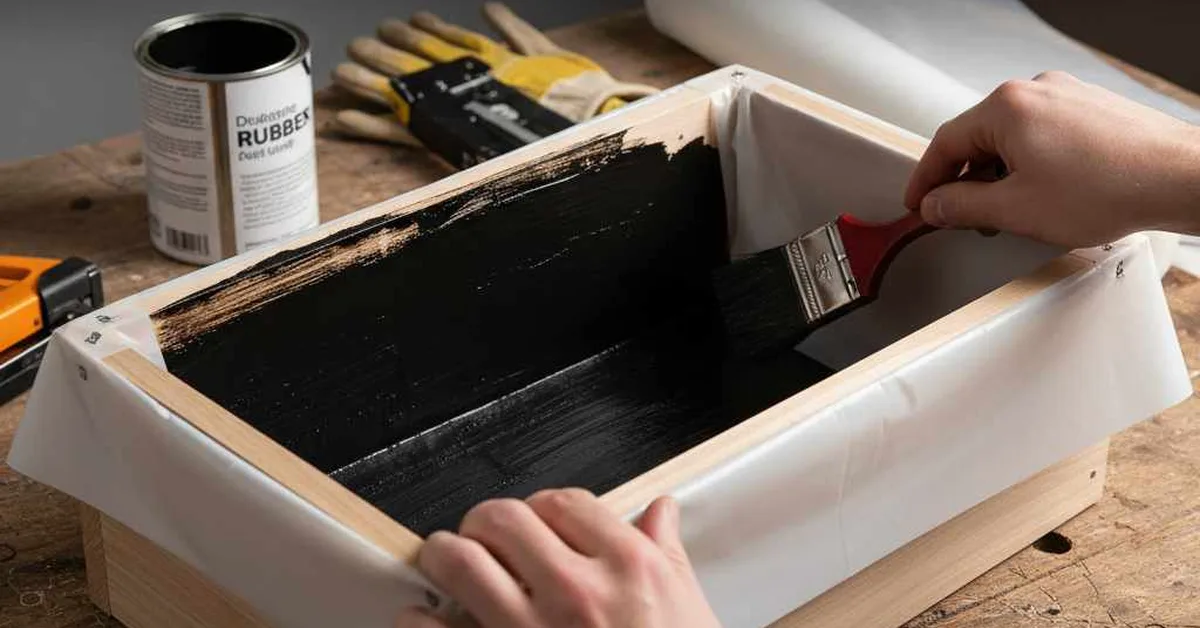
Start by cleaning the wood planter box thoroughly. Remove any dirt or debris. Use a damp cloth to wipe it clean. Allow the box to dry completely. Next, choose the right sealant for wood. Apply the sealant with a brush. Make sure to cover all corners and edges. Apply in a thin, even layer. Avoid missing any spots. Let the first coat dry as per instructions. Apply a second coat for better protection. Ensure the box is fully covered with sealant.
Drying time is important for good results. Follow the instructions on the sealant. Some sealants dry faster than others. Most need at least 24 hours. Drying time depends on temperature and humidity. Check the weather before starting. Avoid applying sealant on rainy days. Ensure the box is dry before planting. This helps keep the wood waterproof for a long time.
Additional Waterproofing Techniques
Wood planter boxes need protection from water. A plastic liner is helpful. It keeps the wood dry. Cut the liner to fit the box. Make sure it covers all sides. Use a stapler to attach it. This stops water from touching the wood. Always leave space at the bottom. This allows water to drain out.
Drainage is very important for planter boxes. Drill small holes in the bottom. This lets extra water escape. Use small pebbles or stones. Place them at the bottom. They help water flow out easily. This keeps the soil from staying too wet. Remember, good drainage keeps plants healthy.
Maintenance Tips
Keep your wooden planter box dry with waterproofing techniques. Apply a sealant to the inside surfaces for protection. Ensure proper drainage by lining the bottom with stones or mesh.
Regular Inspection
Check your planter box every month. Look for cracks or holes. Water can seep through these openings. Fix any damage quickly. Replace worn-out wood pieces. A good inspection keeps your plants safe.
Reapplication Guidelines
Reapply sealant every year. It keeps water out. Follow instructions on the sealant can. Choose a dry day for reapplication. Wet weather can ruin the process. Use a brush to spread the sealant evenly. Cover all sides of the box.
Frequently Asked Questions
How To Waterproof The Inside Of A Wooden Planter?
Apply a waterproof sealant inside the planter. Let it dry completely. Line with plastic sheeting for extra protection. Ensure drainage holes remain unobstructed. Use a water-resistant liner to safeguard wood.
How To Make The Inside Of A Wood Box Waterproof?
Apply a wood sealant or polyurethane to the inside of the box. Sand lightly between coats. Ensure complete coverage for maximum waterproofing. Allow each layer to dry thoroughly before applying the next. Consider using a waterproof liner for added protection.
What Do You Line Inside A Wooden Planter Box?
Line a wooden planter box with landscape fabric or plastic liner. This prevents wood rot and soil loss. Ensure proper drainage by adding small holes. Use a liner that allows water to escape while keeping soil in place. This protects the wood and extends the planter’s lifespan.
Do You Need To Seal The Inside Of A Planter Box?
Sealing the inside of a planter box is optional but recommended. It prevents moisture damage and extends lifespan. Use a waterproof sealant or liner for protection. Ensure proper drainage to avoid root rot. Regularly check for leaks or wear to maintain effectiveness.
Protecting your planter enhances its durability and performance.
Conclusion
Waterproofing your wood planter box protects it from damage. It ensures longer life for your plants. Start by choosing the right sealant. Apply it carefully inside the box. Let it dry completely. This process is simple but effective. Regular maintenance keeps your planter in top condition.
Now, your plants can thrive without worry. Your wood planter will stay strong and beautiful. So, take these steps seriously. Your efforts will pay off. Enjoy a lush, vibrant garden with confidence. Happy planting!
Sponsored / affiliate links. As an Amazon Associate I earn from qualifying purchases. I may earn additional commission from eligible campaigns.