Metal Building vs Wood: Which Is Better for Construction?
Choosing between metal and wood for your building project can feel like a big decision, especially if you’re new to construction. It’s a common question because both materials have their good points. This can make it tricky to figure out which one is the best fit for what you need.
Don’t worry, we’re going to break down Metal Building vs Wood: Which Is Better for Construction? in a simple way so you can feel confident about your choice. We’ll look at everything step by step.
Metal Building Vs Wood Which Is Better For Construction A Simple Guide
When you’re planning to build something, whether it’s a garage, a workshop, a barn, or even a small home, picking the right building materials is super important. Two popular choices that often come up are metal buildings and wood structures. Lots of people wonder about Metal Building vs Wood: Which Is Better for Construction?
because each option has a lot to offer. This guide is here to help you see the differences clearly and make a smart decision without all the confusing jargon.
We’ll explore what makes each material stand out, looking at things like cost, how strong they are, how long they last, and how easy they are to work with. By the end, you’ll have a much better idea of which material is the right fit for your specific needs and budget.
Understanding Metal Buildings
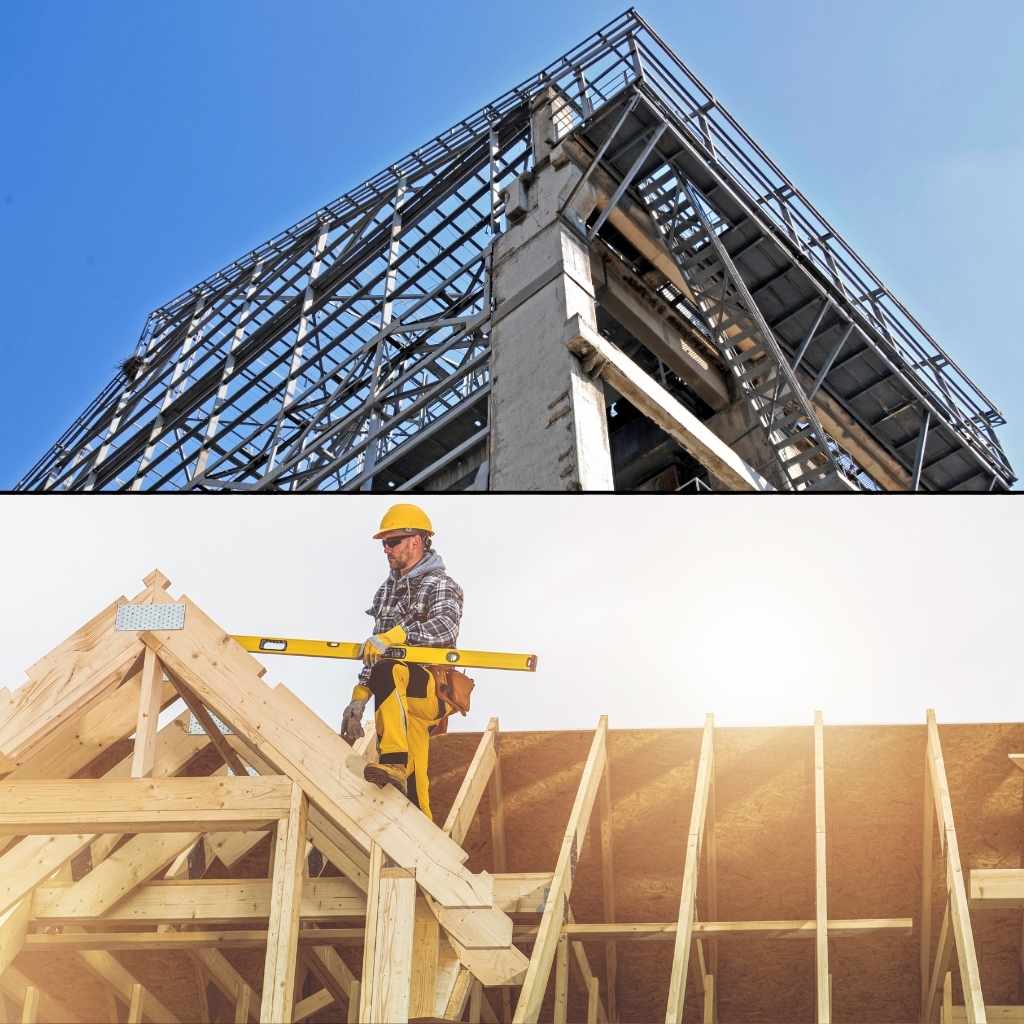
Metal buildings, often called pre-engineered metal buildings (PEMBs), are made in a factory and then assembled on your site. They’re typically constructed from steel. Think of big, strong beams and panels that connect together.
This method makes them really consistent and predictable.
The main parts of a metal building are:
- Primary Framing: These are the main support beams, usually made of steel.
- Secondary Framing: These are smaller pieces that connect to the primary framing to support the roof and walls.
- Roof and Wall Panels: These are the outer coverings, often made of corrugated metal.
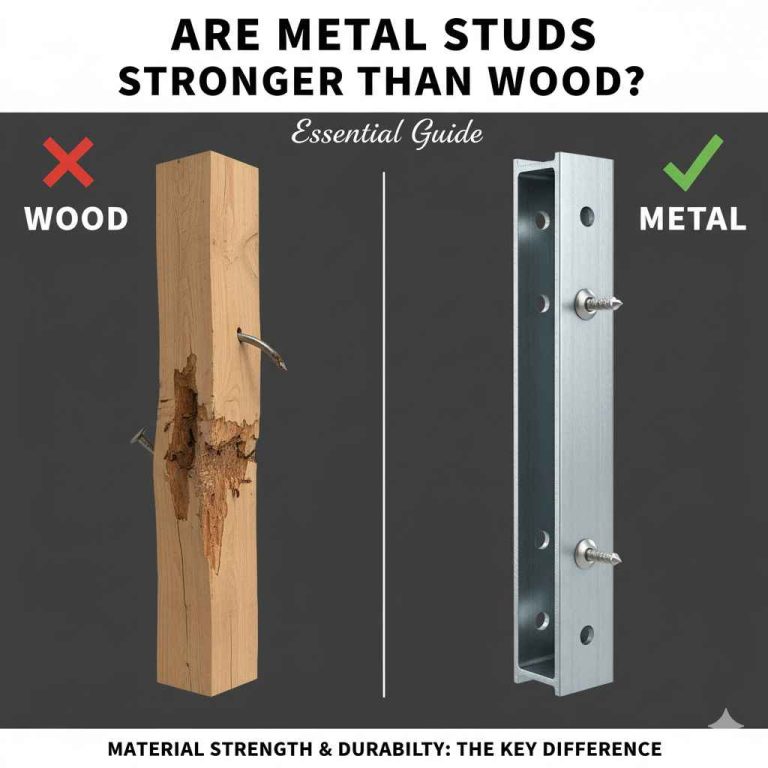
One of the biggest draws of metal buildings is their durability. Steel doesn’t rot, warp, or get eaten by bugs like wood can. They’re also very resistant to fire and extreme weather, like strong winds and heavy snow.
This means less worry about damage over time and potentially lower insurance costs.
Another advantage is the speed of construction. Because the parts are pre-made, putting up a metal building can be much faster than building with wood. This can save you money on labor costs.
Understanding Wood Construction
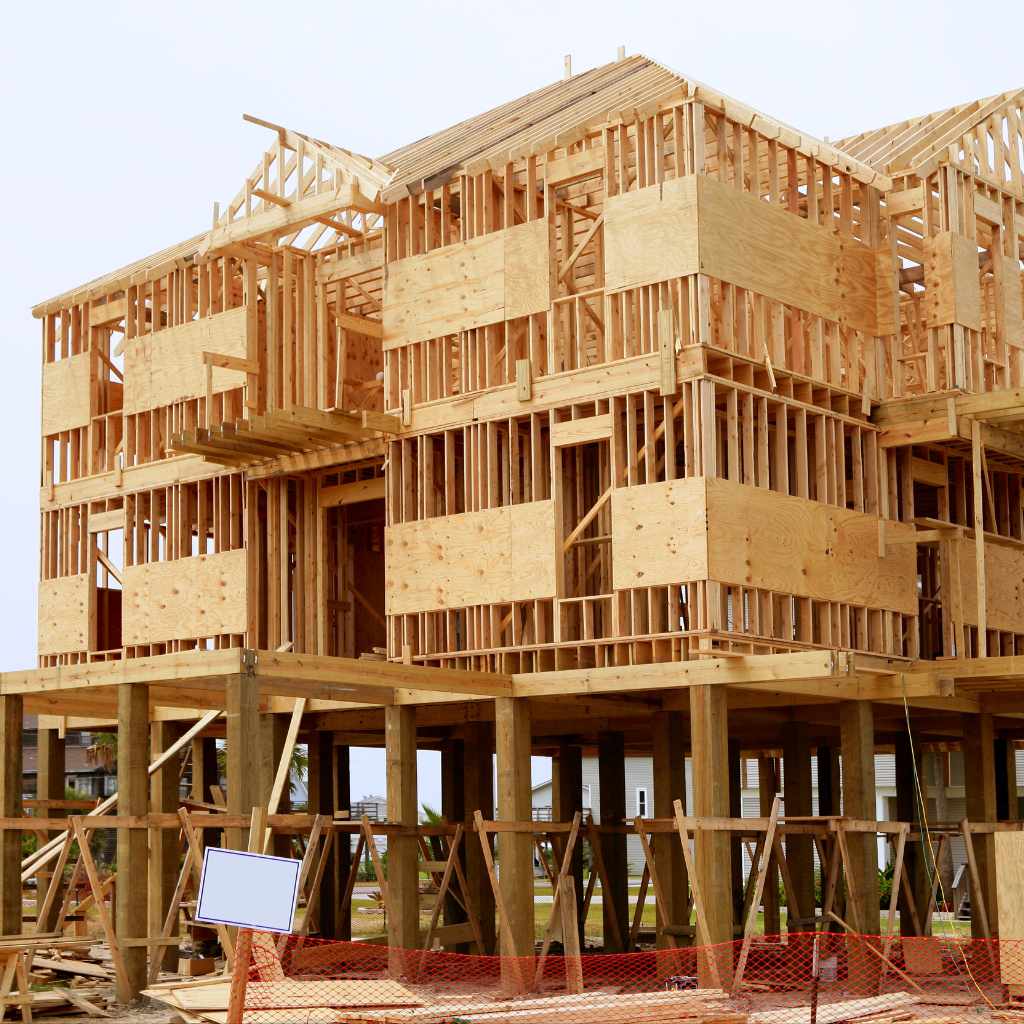
Wood buildings have been around for centuries and are a very traditional choice. When people talk about wood construction, they usually mean buildings framed with lumber, like 2x4s or 2x6s. These pieces are cut and assembled on-site to create the structure’s frame.
The components of a typical wood building include:
- Foundation: The base of the building, usually concrete.
- Framing: Studs, joists, and rafters made from wood.
- Sheathing: Plywood or OSB boards that cover the frame.
- Siding and Roofing: The outer layers, which can be made of many different materials.
Wood is a natural insulator, which can help with energy efficiency, especially in colder climates. It’s also a material that many builders are very familiar with, meaning you can find skilled labor for wood projects almost anywhere. Wood can also be more flexible in terms of design; it’s generally easier to make custom shapes and curves with wood compared to steel.
Plus, for some people, there’s a certain warmth and aesthetic appeal to wood that metal can’t quite match. It’s a material that many feel more comfortable with.
Comparing Metal And Wood Key Factors
Now that we know a little about each, let’s compare Metal Building vs Wood: Which Is Better for Construction? by looking at some key factors that matter most when you’re building.
Cost
When it comes to upfront cost, metal buildings can sometimes seem more expensive initially. However, it’s important to look at the total cost of ownership. Because metal buildings are so durable and require less maintenance, they can actually save you money in the long run.
Wood construction might have a lower initial price tag, especially for smaller projects or if you can do a lot of the work yourself. However, ongoing costs for maintenance, repairs due to pests or rot, and potentially higher energy bills can add up over the years.
Here’s a quick look at cost considerations:
- Metal Buildings: Higher initial material cost possible, but lower long-term maintenance and repair expenses. Faster construction can reduce labor costs.
- Wood Buildings: Lower initial material cost possible, but higher potential for long-term maintenance, repairs, and pest control.
Durability and Longevity
Metal buildings are renowned for their strength and longevity. Steel is incredibly strong and can withstand harsh weather conditions better than wood. They don’t have issues with termites, rot, or mold, which are common problems with wood.
A well-maintained metal building can last for 50 years or even longer.
Wood, while strong, is organic and susceptible to environmental factors. Termites, carpenter ants, fungi, and moisture can all degrade wood over time. Regular inspections and maintenance, such as sealing and pest treatments, are necessary to ensure a wood structure lasts a long time.
Maintenance
Maintenance for metal buildings is generally quite low. You might need to occasionally clean the exterior or check for rust in certain areas, but major repairs are infrequent. They are resistant to most common building problems.
Wood buildings require more attention. You’ll likely need to repaint or re-stain the exterior every few years, check for signs of pest infestation, and address any water damage promptly. This ongoing maintenance can be time-consuming and costly.
Speed of Construction
Metal buildings excel in speed of assembly. Because most components are prefabricated in a factory to exact specifications, they can be erected on-site relatively quickly. This means you can get your building up and ready to use much sooner.
Wood construction typically takes longer. Each piece of lumber needs to be cut, shaped, and fastened into place by hand. The entire framing process can be more time-consuming, especially for larger or more complex designs.
Design Flexibility
While metal buildings offer a high degree of structural integrity and clear span capabilities (meaning large open spaces without interior columns), they can be more limited in terms of complex architectural designs. Making custom curves or intricate details can be more challenging and expensive with steel framing.
Wood offers great design flexibility. It’s easier to create unique shapes, add on to existing structures, and incorporate custom architectural features. If you have a very specific or artistic vision for your building, wood might be the more adaptable choice.
Environmental Impact and Sustainability
Steel is a highly recyclable material. A significant portion of new steel is made from recycled steel, and at the end of its life, a metal building can be recycled again. This makes steel a sustainable choice in terms of material sourcing and end-of-life disposal.
Wood is a renewable resource, especially if it comes from sustainably managed forests. It has a lower embodied energy than steel, meaning it takes less energy to produce. However, the harvesting of timber can have environmental impacts if not done responsibly.
Proper treatment of wood is also necessary, which can involve chemicals.
Resistance to Pests and Fire
Metal is inherently resistant to pests like termites, ants, and rodents. It also does not support mold or mildew growth, which can be a problem in damp wooden structures. Furthermore, steel is non-combustible, making metal buildings highly resistant to fire.
Wood is a natural food source for termites and other wood-boring insects. It can also be susceptible to rot and mold if exposed to moisture. While wood can be treated to be more fire-resistant, it is still a combustible material.
Insulation and Energy Efficiency
Both metal and wood buildings can be well-insulated. The insulation value (R-value) is largely determined by the type and thickness of the insulation material used, rather than the framing material itself. However, metal can be a conductor of heat and cold, so proper insulation and vapor barriers are very important in metal buildings to prevent thermal bridging.
Wood is a natural insulator compared to metal. This can contribute to better energy efficiency in wood-framed buildings, especially if well-sealed. However, gaps and poor construction in wood framing can lead to drafts and energy loss.
When To Choose Metal Buildings
Metal buildings are often the preferred choice for certain applications:
- Warehouses and Industrial Buildings: Their strength, large clear spans, and durability make them ideal for storing goods or housing industrial equipment.
- Agricultural Buildings: Barns, sheds, and stables benefit from the resistance to weather, pests, and fire.
- Garages and Workshops: They offer a strong, secure, and low-maintenance space for vehicles and tools.
- Storage Units: The speed of construction and durability are great for creating many individual storage spaces.
- Buildings Requiring High Fire Resistance: For areas with high fire risk or where fire safety is paramount.
If you prioritize speed of construction, low maintenance, and long-term durability with excellent resistance to pests and fire, a metal building is likely the better option.
When To Choose Wood Construction
Wood construction remains a top choice for many building projects:
- Residential Homes: The vast majority of houses are built with wood framing due to its familiarity, flexibility in design, and aesthetic appeal.
- Renovations and Additions: It’s often easier and more cost-effective to match existing wood structures when adding to a home or building.
- Custom Designs: If you need a highly unique architectural style or complex curves, wood offers more freedom.
- Areas Where Wood is Readily Available and Affordable: In regions with abundant timber resources, wood can be a very cost-effective choice.
- Projects Where Energy Efficiency is a Primary Concern: With proper design and insulation, wood can offer excellent thermal performance.
If you value design flexibility, a natural aesthetic, or are building a residential home where wood is the standard, wood construction is a strong contender.
Metal Building vs Wood Construction Comparison Table
| Feature | Metal Building | Wood Construction |
|---|---|---|
| Initial Cost | Can be higher, but lower long-term cost | Can be lower, but higher long-term cost |
| Durability | Very high, resistant to rot, pests, fire | Good, but susceptible to rot, pests, fire |
| Longevity | 50+ years with minimal issues | Varies greatly with maintenance, often 30-70 years |
| Maintenance | Low, occasional cleaning/checks | Higher, painting, pest control, repairs |
| Construction Speed | Fast (prefabricated parts) | Slower (on-site assembly) |
| Design Flexibility | Good for clear spans, less for complex shapes | Excellent for custom designs and unique features |
| Pest Resistance | Excellent | Poor, requires protection |
| Fire Resistance | Excellent (non-combustible) | Combustible, can be treated |
| Insulation | Requires careful design to avoid thermal bridging | Good natural insulator, potential for drafts |
| Environmental Impact | High recyclability | Renewable resource, embodied energy lower |
Frequently Asked Questions
Question: Which is generally cheaper metal or wood construction?
Answer: While the initial material cost for metal buildings can sometimes be higher, wood construction can become more expensive over its lifespan due to ongoing maintenance and repair needs. The overall cost depends on the project size and specific materials used.
Question: Which type of building lasts longer?
Answer: Metal buildings are typically built to last longer with less degradation over time because steel is resistant to rot, termites, and extreme weather. Properly maintained wood structures can also last a long time, but are more prone to issues that shorten their lifespan.
Question: Is one better for extreme weather like high winds or heavy snow?
Answer: Metal buildings are engineered to withstand high winds and heavy snow loads very effectively due to the inherent strength of steel. Wood structures can also be built to be strong, but may require more reinforcement for extreme weather conditions.
Question: Can I easily add on to a metal building later?
Answer: Adding on to metal buildings is possible, but it may require specific engineering and might be less straightforward than adding to a wood structure. Wood construction generally offers more flexibility for future expansions and modifications.
Question: Which is more eco-friendly metal or wood?
Answer: Both have environmental benefits. Steel is highly recyclable, while wood is a renewable resource when sourced sustainably. The eco-friendliness also depends on the manufacturing processes and transportation involved for both materials.
Final Thoughts
Deciding between Metal Building vs Wood: Which Is Better for Construction? boils down to your priorities for the project. If your main concerns are speed of erection, minimal upkeep, and exceptional resistance to fire and pests, a metal building is probably your best bet.
They offer a very strong, durable structure that can stand the test of time with little fuss. On the other hand, if you’re looking for more design freedom, a natural aesthetic, or are building a home where wood is the traditional and comfortable choice, then wood construction shines. It’s versatile, adaptable, and offers a warmth that many people connect with.
Consider what matters most for your budget, your desired look, and how you plan to use the space long-term. Think about the climate you’re in and the potential challenges it might present. Both materials have their strengths, and by weighing them against your specific needs, you can confidently pick the one that will serve you best.