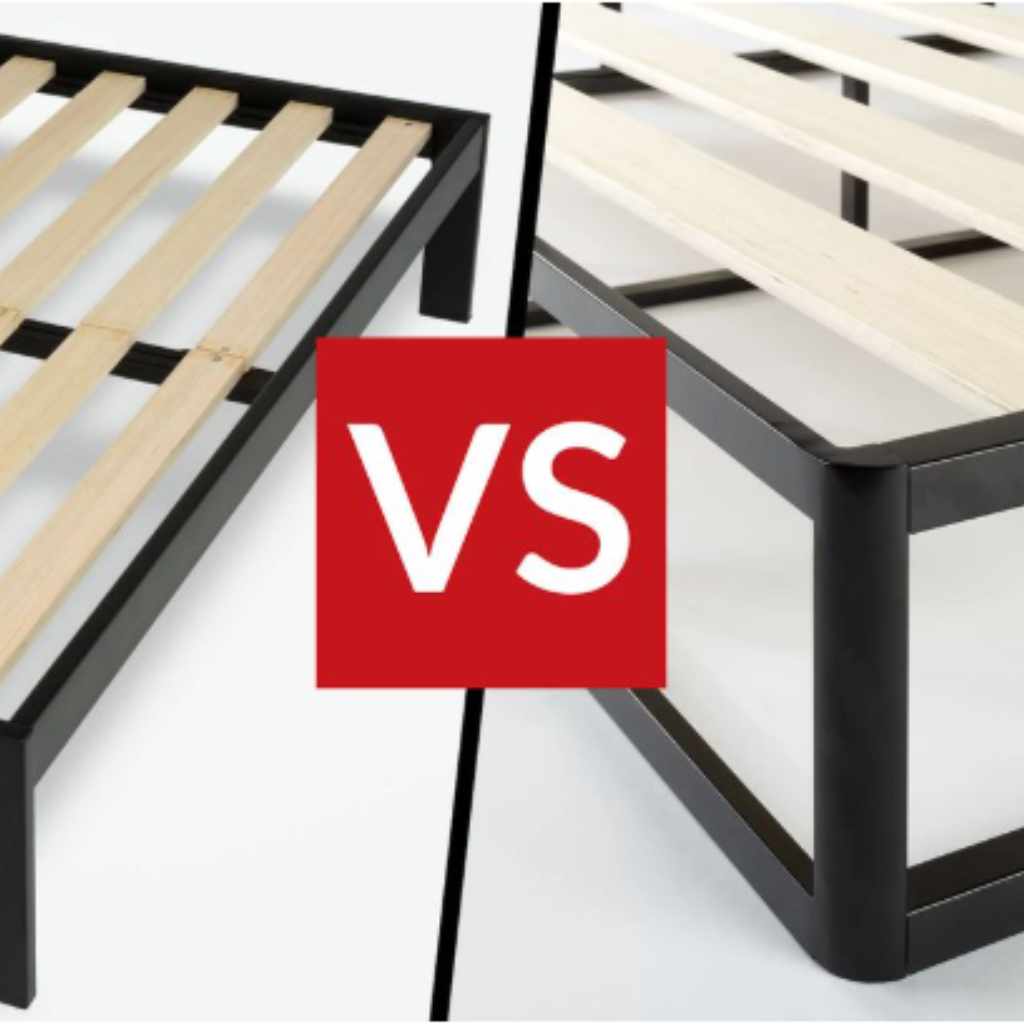
Metal vs Wood Box Spring Which Supports Better
Deciding on the right box spring can feel a little tricky when you’re first setting up a new bed. You’ve probably wondered about the big choice: Metal vs Wood Box Spring: Which Supports Better? It’s a common question because both options seem like they should do the same job, but they have their differences.
Don’t worry, we’ll break it all down in a simple way. We’ll look at what each one is made of, how they work, and what makes one a better fit for you. Let’s get started on finding the perfect support for your mattress.
What Exactly Is a Box Spring?
A box spring is a foundation for your mattress. It sits between your mattress and your bed frame. Its main job is to support your mattress, helping it last longer and giving you a more comfortable sleep.
Without a proper base, your mattress might sag or lose its shape faster. It also helps with airflow around your mattress, which can keep it cooler.
The Two Main Types Metal and Wood
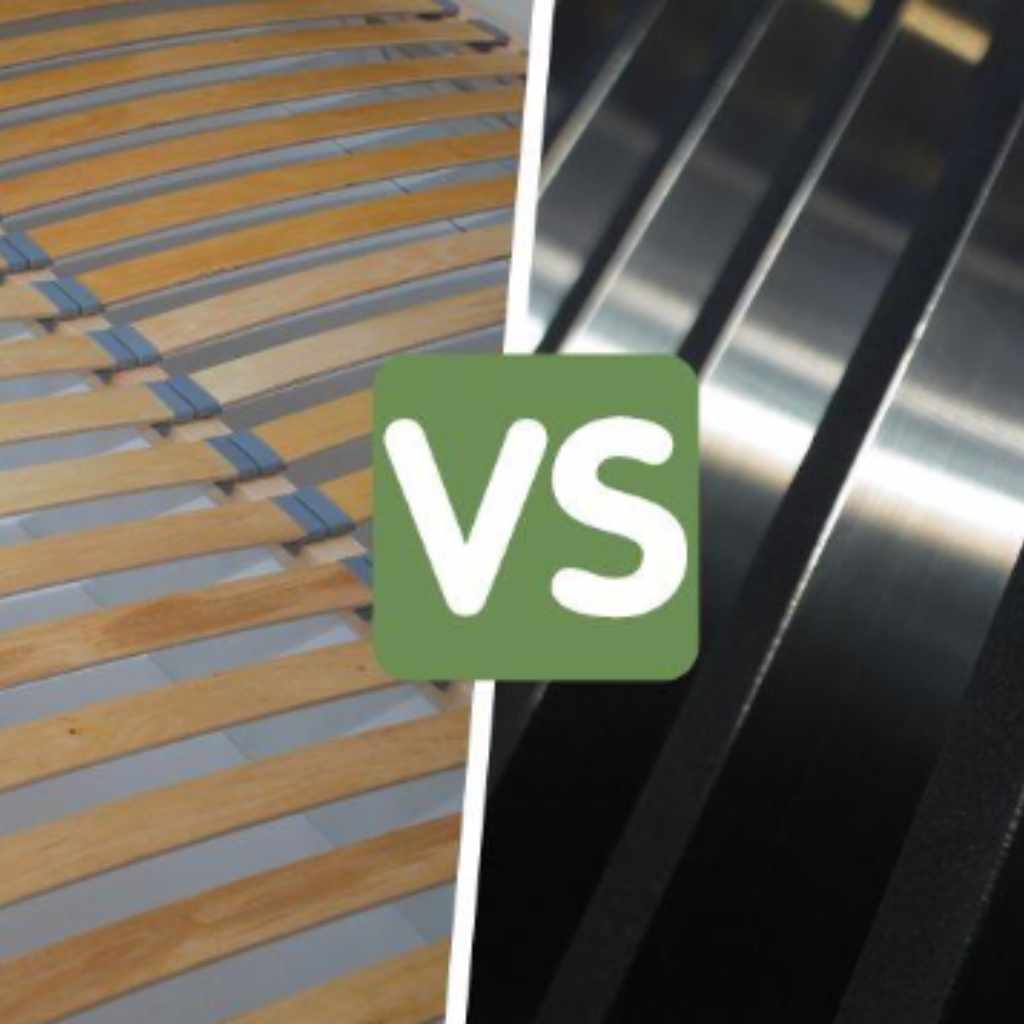
When people talk about box springs, they usually mean one of two kinds: metal or wood. Both are designed to do the same fundamental job. However, the materials they are made from lead to different characteristics in terms of durability, support, and even how they feel with your mattress.
Metal Box Springs Explained
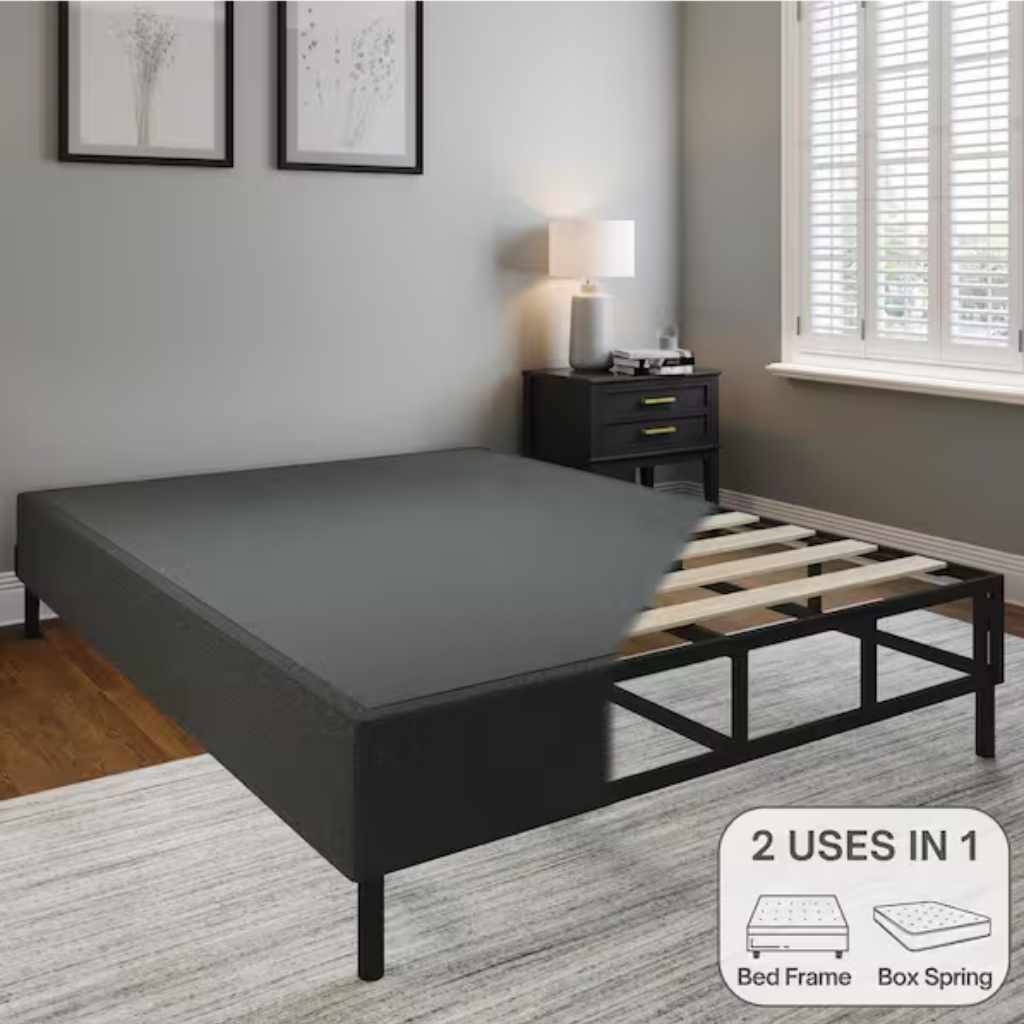
Metal box springs are typically made from steel. They often have a slatted design with metal bars or a wire mesh. The metal is usually covered with fabric to protect the mattress and give a cleaner look.
Pros of Metal Box Springs:
- Durability: Metal is strong and can last a long time. It’s less likely to warp or break compared to wood, especially under heavy use.
- Support: The sturdy construction often provides firm and even support for the mattress. This can be great for memory foam or latex mattresses that need a solid base.
- Pest Resistance: Unlike wood, metal doesn’t attract common pests like termites.
- Lightweight: Some metal box springs are lighter than wood ones, making them easier to move and set up.
- Cost: Often, metal box springs can be more affordable than their wood counterparts.
Cons of Metal Box Springs:
- Noise: Over time, metal joints can sometimes squeak or creak, especially if not assembled perfectly or if there’s a lot of movement.
- Flexibility: Some metal designs, particularly those with very close slats or a solid wire mesh, might not offer as much flex as a traditional wood spring. This can sometimes affect the feel of certain mattresses.
- Potential for Snagging: While usually covered, rough edges or exposed parts could potentially snag mattress covers if the fabric wears away.
Wood Box Springs Explained
Wood box springs use a wooden frame, typically made from pine or similar softwoods. Inside the frame, there are wooden slats or a system of springs and fabric. These are the more traditional type of box spring you might remember from older beds.
Pros of Wood Box Springs:
- Flexibility and Cushioning: The wooden slats and sometimes internal springs offer a bit more give. This can work well with traditional innerspring mattresses, allowing them to conform and offer a more classic plush feel.
- Quiet Operation: When well-made, wood box springs tend to be quieter than metal ones, with less chance of squeaking over time.
- Familiar Feel: Many people are accustomed to the feel of a wood box spring and prefer it for its slight bounce and comfort.
- Aesthetics: For some, the natural look of wood, even when covered, is more appealing.
Cons of Wood Box Springs:
- Durability: Wood can be prone to breaking or sagging over time, especially if it’s made from lower-quality wood or if subjected to significant weight.
- Pest Susceptibility: Wood can attract pests like termites or wood beetles, which can compromise its structural integrity.
- Weight: Wood box springs are often heavier than metal ones, making them harder to transport and assemble.
- Moisture Damage: Wood can absorb moisture, which can lead to warping, mold, or rot if exposed to damp conditions.
- Cost: Sometimes, a well-constructed wood box spring can be more expensive than a comparable metal option.
Metal vs Wood Box Spring Which Supports Better for Different Mattress Types
Innerspring Mattresses
Innerspring mattresses have been around for a long time, and they often pair well with traditional wood box springs. The slight give and flex from a wood box spring can complement the bounce and feel of an innerspring mattress. However, a good quality metal box spring with closely spaced slats or a solid platform can also work well.
It provides a firm, even surface that prevents the coils from digging into the base, which can extend the mattress’s life. The key is ensuring the support is consistent and doesn’t have large gaps where coils could fall through.
Memory Foam Mattresses
Memory foam, latex, and other foam-based mattresses generally require a very firm and stable base. They don’t have internal coils that need room to flex. Instead, they need support to prevent sagging and to allow them to perform as intended.
For these types of mattresses, metal box springs are often the preferred choice. A metal box spring provides a solid, non-flexing surface that distributes weight evenly and prevents the foam from sinking too deeply or losing its shape. Many memory foam mattress manufacturers recommend or even require a solid or very closely slatted foundation, making metal an excellent option.
Hybrid Mattresses
Hybrid mattresses combine the support of an innerspring system with the comfort layers of foam. These mattresses can be a bit more versatile regarding their foundation. Both metal and wood box springs can work, but it depends on the specific construction.
If the hybrid mattress has a significant foam top, a metal box spring might offer the best stability. If it has a more traditional innerspring feel and the manufacturer specifies a slightly more flexible base, a well-built wood box spring could be suitable. Always check the mattress manufacturer’s warranty and recommendations.
Adjustable Bases
It’s important to note that neither a traditional metal nor wood box spring is typically compatible with an adjustable bed base. Adjustable bases are designed to work directly with mattresses that are compatible with them. Placing a box spring on an adjustable base can damage both the base and the box spring, and it will likely void the warranty.
If you have an adjustable bed, you’ll need a mattress that can be used on one and the adjustable base itself serves as the foundation.
Factors to Consider Beyond Material
Slat Spacing
This is a very important factor for any box spring, regardless of whether it’s metal or wood. For foam or hybrid mattresses, closely spaced slats (typically 2-3 inches apart) or a solid platform are essential. Large gaps can cause the mattress to sag or be damaged over time.
For traditional innerspring mattresses, slightly wider gaps might be acceptable, but very wide gaps (over 5 inches) are generally not recommended.
Weight Capacity
Consider how much weight the box spring can hold. This includes the weight of the mattress itself, plus the weight of the people sleeping on it. A sturdier metal construction might offer a higher weight capacity than a basic wood frame.
Height and Profile
Box springs come in different heights, often referred to as standard profile (around 9 inches) and low profile (around 5-6 inches). The height you choose will affect the overall height of your bed. A lower profile can make it easier to get into and out of bed, especially if you have a thick mattress.
Some metal box springs offer a very low profile that might be harder to achieve with traditional wood construction.
Assembly
Some box springs come fully assembled, while others require some assembly. Metal box springs are often designed for easier assembly, sometimes just requiring a few screws to connect the pieces. Wood box springs can also be assembled, but the process might feel a bit more involved.
Noise Level
As mentioned, metal can sometimes develop squeaks. If you are a very light sleeper or are particularly sensitive to noise, a well-built wood box spring might be a quieter option, provided it is properly constructed without loose parts.
Budget
Generally, basic metal box springs can be quite budget-friendly. However, high-quality, durable wood box springs can also be an investment. It’s worth comparing prices for models with similar features and quality.
Durability and Lifespan
Metal is inherently more resistant to warping, breaking, and pest infestation than wood. This can translate to a longer lifespan for metal box springs. However, a very well-made wood box spring from premium materials can also last many years.
Metal vs Wood Box Spring Which Supports Better
When asking Metal vs Wood Box Spring Which Supports Better, the answer often leans towards metal for modern mattresses. Metal box springs excel at providing the firm, unwavering support that foam and hybrid mattresses need to prevent sagging and maintain their shape. Their durability and resistance to wear and tear also make them a long-lasting choice.
For those who prefer the traditional feel of an innerspring mattress, a good quality wood box spring can still be a great option, offering a bit more natural flex and cushioning. Ultimately, the best choice depends on your mattress type, your personal comfort preferences, and the quality of the specific product you choose.
| Feature | Metal Box Spring | Wood Box Spring |
|---|---|---|
| Primary Material | Steel | Wood (pine, etc.) |
| Durability | High, resistant to warping and pests | Moderate, can warp, break, or attract pests |
| Support for Foam Mattresses | Excellent, provides firm, even base | Fair to Good, requires close slats |
| Support for Innerspring Mattresses | Good, provides solid platform | Excellent, offers flex and cushioning |
| Noise Potential | Moderate, can squeak over time | Low, generally quieter |
| Weight | Often lighter | Often heavier |
| Cost | Often more affordable | Can vary, sometimes more expensive for quality |
| Assembly | Often easier | Can be more involved |
Frequently Asked Questions
Question: Which type of box spring is better for a memory foam mattress?
Answer: A metal box spring is generally better for memory foam mattresses because it provides the firm, even support they need to prevent sagging and maintain their structure.
Question: Can I use a metal box spring with an innerspring mattress?
Answer: Yes, you can use a metal box spring with an innerspring mattress. Ensure the slats are closely spaced to prevent the coils from falling through and to offer good support.
Question: Are wood box springs still a good option?
Answer: Yes, wood box springs can still be a good option, especially for traditional innerspring mattresses where their natural flex and cushioning are beneficial. Look for well-constructed models.
Question: How often should I replace my box spring?
Answer: Box springs typically last about 7-10 years, but this can vary. If you notice sagging, creaking, or visible damage, it’s time for a replacement, regardless of age.
Question: Will a box spring work with an adjustable bed?
Answer: No, traditional metal or wood box springs are not compatible with adjustable bed bases. You need a mattress specifically designed for adjustable bases to use with one.
Final Thoughts
Choosing between a metal and wood box spring really comes down to what kind of mattress you have and what kind of feel you enjoy. For modern mattresses like memory foam or many hybrids, metal offers that solid foundation that helps them perform their best and last longer. Its durability is also a big plus.
If you have a classic innerspring mattress, you might still find that a good quality wood box spring provides a familiar comfort and a bit of that old-school bounce. Pay close attention to the slat spacing on any box spring you consider, as this is key for proper mattress support, no matter the material. Think about the overall height you want for your bed too.