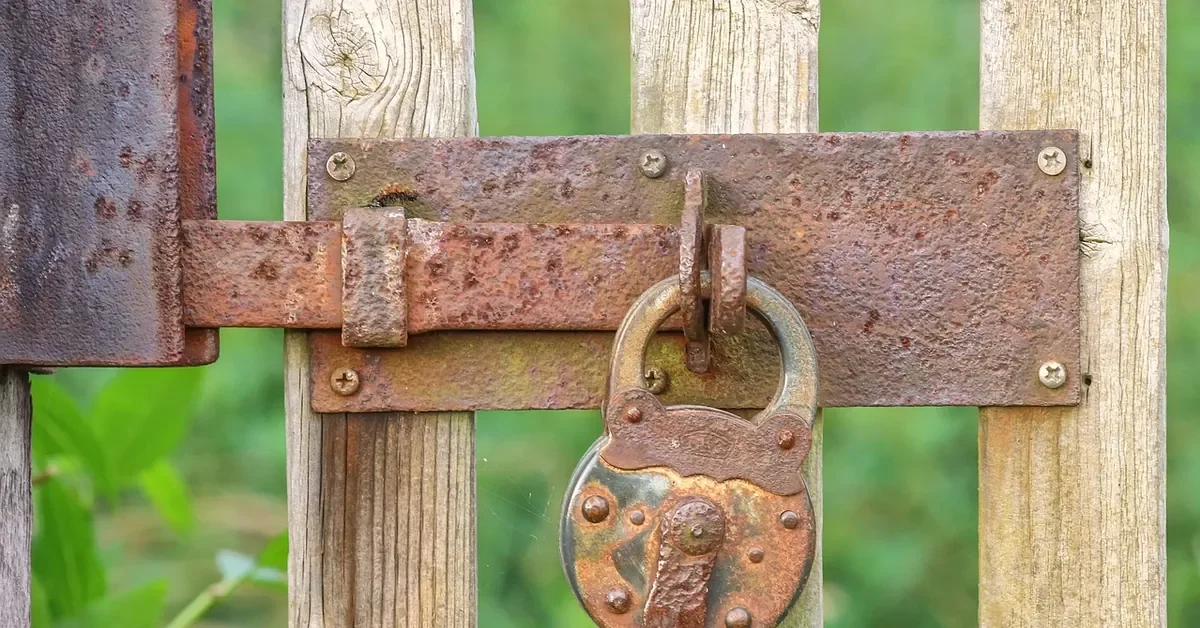
Metal and Wood Gate Ideas: 7 Designs That Resist Sag
Metal and wood gate ideas work best when steel or iron does the structural job and wood does the visual one. A steel frame keeps the gate square, and a wood infill of cedar or redwood adds warmth. One catch: plain steel screws in cedar leave black stains within a season. This guide covers seven designs, how to match woods and metals, and how to attach them so the gate lasts.
Metal Frame or Wood Frame: What Carries the Weight?
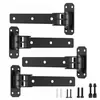 |
Best Sag-Proof Gate Hinge Pick Heavy Duty Gate Hinges, 13-Inch Bolt-On or Weld-On, 4-Pack Steel strap hinges with a black powder-coat finish that can be welded to a steel frame or bolted to wood. The seller rates the set at 1,000 lb per pair.
|
As an Amazon Associate we earn from qualifying purchases.
Before choosing a style, decide what holds the gate up. Fence suppliers commonly recommend a wood frame only for gates under about 44 inches wide, because wider wood-framed gates get heavy enough to split, sag, or drag on the ground. Metal frames are recommended for double drive gates and any oversized walk gate, since steel does not twist the way lumber does.
That is the main reason to mix the two materials. The metal is not decoration: it is the skeleton. If you already have a wood gate that sags, our guide to building a wood gate that won’t sag covers diagonal bracing, and the hinge advice below applies to any heavy gate.
- Use more hinges on tall gates. A third hinge spreads the load, which matters once a gate is taller than a typical walk gate.
- Bolt through the post. Most hinge kits ship with short screws, so buy long carriage bolts and go through the post instead of relying on screws alone.
- Match hinge to frame. Weld-on or bolt-on strap hinges suit steel frames, while a wood frame needs the strap to span at least two thirds of the gate width.
7 Metal and Wood Gate Ideas
These designs cover most yards, from a narrow side gate to a driveway entrance. Each one names the material split, so you can see what the metal and the wood are each doing.
1. Steel Frame With Horizontal Cedar Slats
The modern favorite. A thin powder-coated steel frame holds horizontal cedar or redwood slats with small gaps between them. Gaps let air and light through and give the slats room to swell and shrink. It suits contemporary and mid-century houses.
2. Wrought Iron Top With Solid Wood Lower Panels
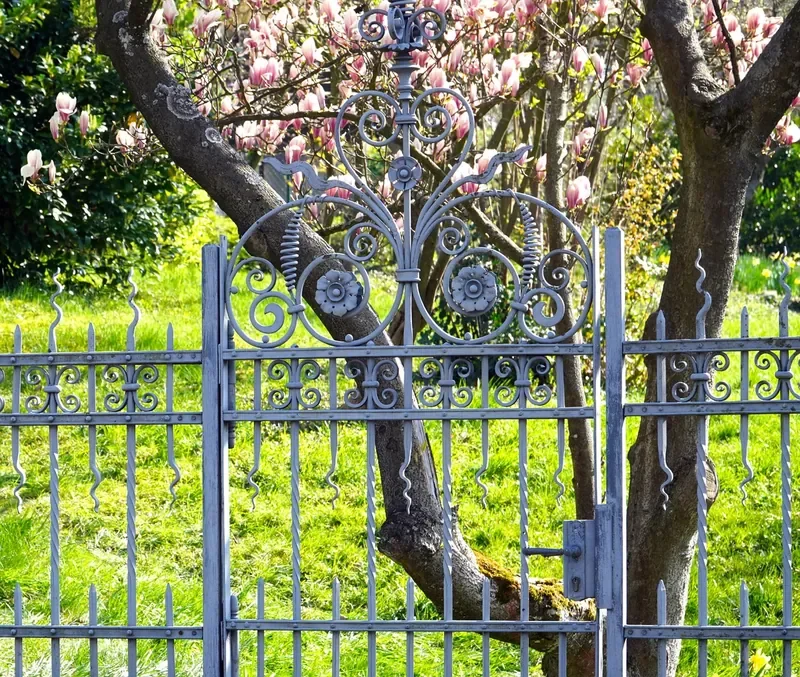
Privacy where you need it, view where you do not. Solid wood boards fill the lower half, and open ironwork with scrolls or finials sits above. This is the classic traditional pairing and works well on front-yard walk gates.
3. Board-and-Strap Rustic Gate
Vertical wood boards held by long black strap hinges and a simple latch. The metal here is mostly hardware, so it is the lightest-weight version of the idea and the easiest DIY build. Keep it narrow and add a diagonal brace.
4. Arched Wood Gate With a Black Metal Arch
A wooden picket gate set under or inside a curved steel arch turns an ordinary entrance into a garden feature. The arch can be freestanding, so the gate itself stays light.
5. Wood Panel With a Cut Metal Insert
A solid wood gate with a steel insert, either a slot window or a cut pattern, gives a focal point without giving up privacy. Use stainless or powder-coated steel and seal the wood around the insert edge.
6. Double Drive Gate, Steel Frame and Wood Infill
For driveways, the steel frame is not optional. Each leaf is heavy, so use welded frames, a drop-rod or ground stop to hold the closed gate, and a heavy-duty hinge at every attachment point.
7. Sliding Gate With Wood Cladding
A steel sliding gate clad in wood slats works when there is no room for a swing. The track and mechanism are metal, and the wood is only surface cladding, so keep the boards light.
| Design | Metal does | Wood does | Watch out for |
|---|---|---|---|
| Horizontal slat | Frame and structure | Slat infill | Slat gaps for movement |
| Iron top and wood base | Upper ornament and frame | Lower privacy panel | Rust where iron meets wood |
| Board-and-strap | Hinges and latch | Entire panel | Sag on wider gates |
| Arched picket | Arch and posts | Gate leaf | Water pooling at the arch base |
| Double drive gate | Full frame and hinges | Infill cladding | Weight and ground clearance |
| Sliding | Track and frame | Surface cladding | Track kept clear of debris |
Which Woods and Metals Pair Best?
For outdoor gates the wood matters more than the metal, because wood is the part that rots. Cedar and redwood are the standard picks. For a deeper comparison see our guide to the best cedar for fences and the answer to whether cedar rots.
| Material | Good for | Note |
|---|---|---|
| Cedar | Slats, pickets, panels | Naturally rot and insect resistant, light; high tannins need stainless fasteners |
| Redwood | Slats and panels | Similar to cedar; also tannin-rich |
| Pine | Budget builds | Needs pressure treatment or thorough sealing; see how to treat pine for outdoor use |
| Teak | Premium slat gates | Dense and durable, but the most expensive option |
| Powder-coated steel | Frames and hinges | Good finish, but chips expose bare steel that rusts |
| Galvanized steel | Frames and hardware | Zinc coating protects steel; touch up cuts and welds |
| Aluminum | Light frames, sliding gates | Will not rust, but is less rigid than steel |
| Stainless steel (316) | Screws and bolts through wood | Best choice against tannin staining |
The Black-Stain Trap: Steel Screws in Cedar and Redwood
Most gate ideas online skip the detail that ruins many metal and wood gates. Cedar, redwood, and oak release water-soluble tannins, and tannins react with iron to form a dark blue-black stain. That is why cedar slats often show black streaks around plain steel screws and around chips in a steel frame.
Simpson Strong-Tie recommends 316 stainless steel where cedar, redwood, or hardwood is used and tannin staining is a concern. Forest Products Laboratory testing also found that galvanized fasteners corroded faster than plain steel in wood treated with some newer preservatives, so galvanized is not a safe assumption for treated lumber either. The practical rules:
- Use 316 stainless screws or carriage bolts wherever a fastener passes through cedar or redwood.
- Seal every face and end of each slat before assembly, not just the visible side. Finish helps reduce staining.
- Avoid epoxy-coated screws in tannin-rich woods, which the manufacturer guidance advises against.
- Touch up chips in powder coat as soon as you see them, so bare steel never sits against wet wood.
How to Attach Wood to a Metal Frame
- Build or buy the frame first: confirm it is square and that the hinge side is the strongest edge.
- Seal the wood on all faces: stain or sealer on the back, edges, and cut ends.
- Pre-drill oversized holes: drill slightly wider than the screw through the metal so wood can move slightly.
- Fasten with stainless hardware: use 316 stainless screws or bolts, and leave a small gap between slats (about 1/8 inch is a common starting point).
- Hang and adjust: mount hinges with long bolts through the post, then set latch and stop last.
Hardware, Finishes and Maintenance
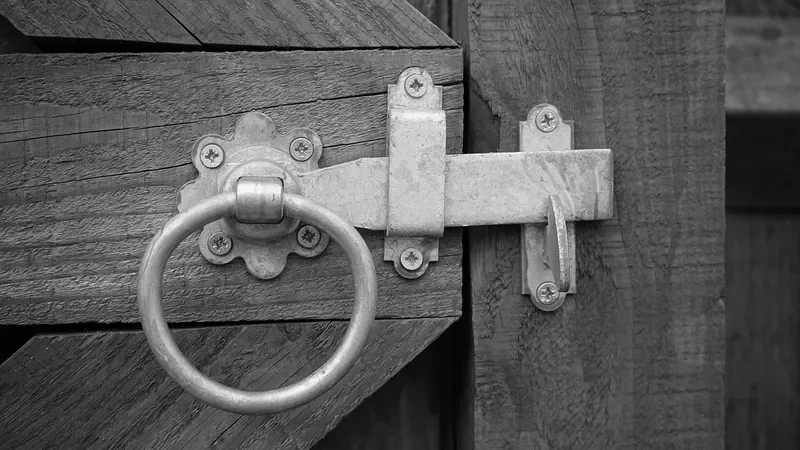
Hinges, latches, and pulls are where a metal and wood gate wins or loses its look. Match the finish across all hardware so nothing looks like a mismatch, and choose corrosion-resistant metal for anything exposed.
| Hardware | Material options | Style fit |
|---|---|---|
| Hinges | Powder-coated steel, stainless, galvanized | Ornate, modern, industrial |
| Latches | Black iron, brushed stainless | Rustic, modern, traditional |
| Decorative accents | Wrought iron, steel, aluminum | All styles |
Maintenance is light but not zero: reseal the wood every one to three years depending on sun exposure, wash the metal, and check the bolts at the posts each spring. If you are setting new posts, use our fence post spacing calculator to plan the run. For an all-wood alternative, see our cedar gate ideas.
Metal and Wood Gate FAQ
Can you combine metal and wood on a gate?
Yes. The most reliable build is a welded or bolted steel frame with wood infill (slats, pickets, or panels) fastened inside it. The steel carries the weight and holds the gate square, and the wood supplies the look. Wood-only gates over roughly 44 inches wide tend to sag because the frame cannot carry the load.
Should the frame be metal or wood?
Metal, for anything wide or heavy. A steel or aluminum frame resists twisting and sagging in a way a wooden frame cannot, so it suits double drive gates and oversized walk gates. A wood frame is fine for a narrow garden gate under about 44 inches, especially when a diagonal brace is added.
What wood is best for a metal and wood gate?
Cedar and redwood are the usual choices because they resist rot and insects naturally and stay light. Both are high in tannins, so pair them with stainless steel fasteners. Pine is cheaper but needs pressure treatment or a thorough sealer, and teak is a premium option that costs much more.
Why do black streaks appear around screws on a cedar gate?
Cedar, redwood, and oak release water-soluble tannins. When tannins meet iron from plain steel screws or exposed steel, they form a dark blue-black stain. Switching to 316 stainless fasteners and sealing all faces of the wood before installation prevents it.
Sponsored / affiliate links. As an Amazon Associate I earn from qualifying purchases. I may earn additional commission from eligible campaigns.