Mud Tube Termite: Protect Your Home from Silent Destroyers
Mud tubes are a sure sign of termite activity. These small tunnels are built by termites to travel safely.
Understanding mud tubes is crucial for protecting your home. Termites are silent destroyers. They can cause significant damage before you even notice them. Mud tubes are their highways, allowing them to move undetected. These tubes provide moisture and protection, vital for termites’ survival.
By learning to spot these signs, you can take action early. This blog will explore what mud tubes are, why termites build them, and how you can identify and deal with them. Stay tuned to safeguard your property from these tiny but mighty invaders.

Credit: www.ecoguardpestmanagement.com
Introduction To Mud Tube Termites
Hey there! Have you ever noticed small mud trails around your house? These trails might be a sign of mud tube termites. In this section, we’ll explore what mud tube termites are and why they’re often called silent destroyers. Let’s dive in!
What Are Mud Tube Termites?
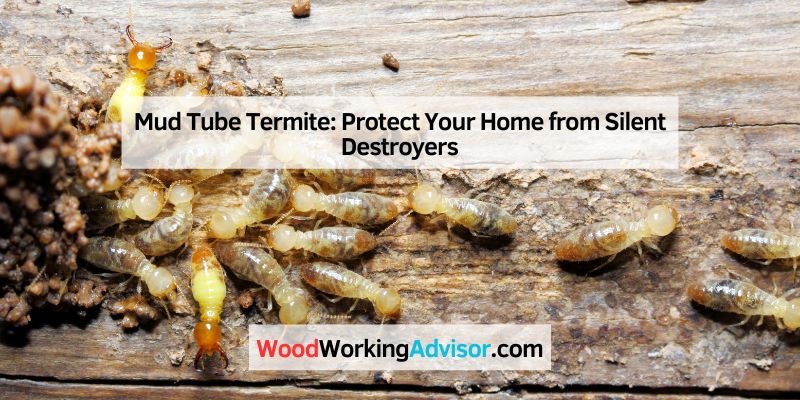
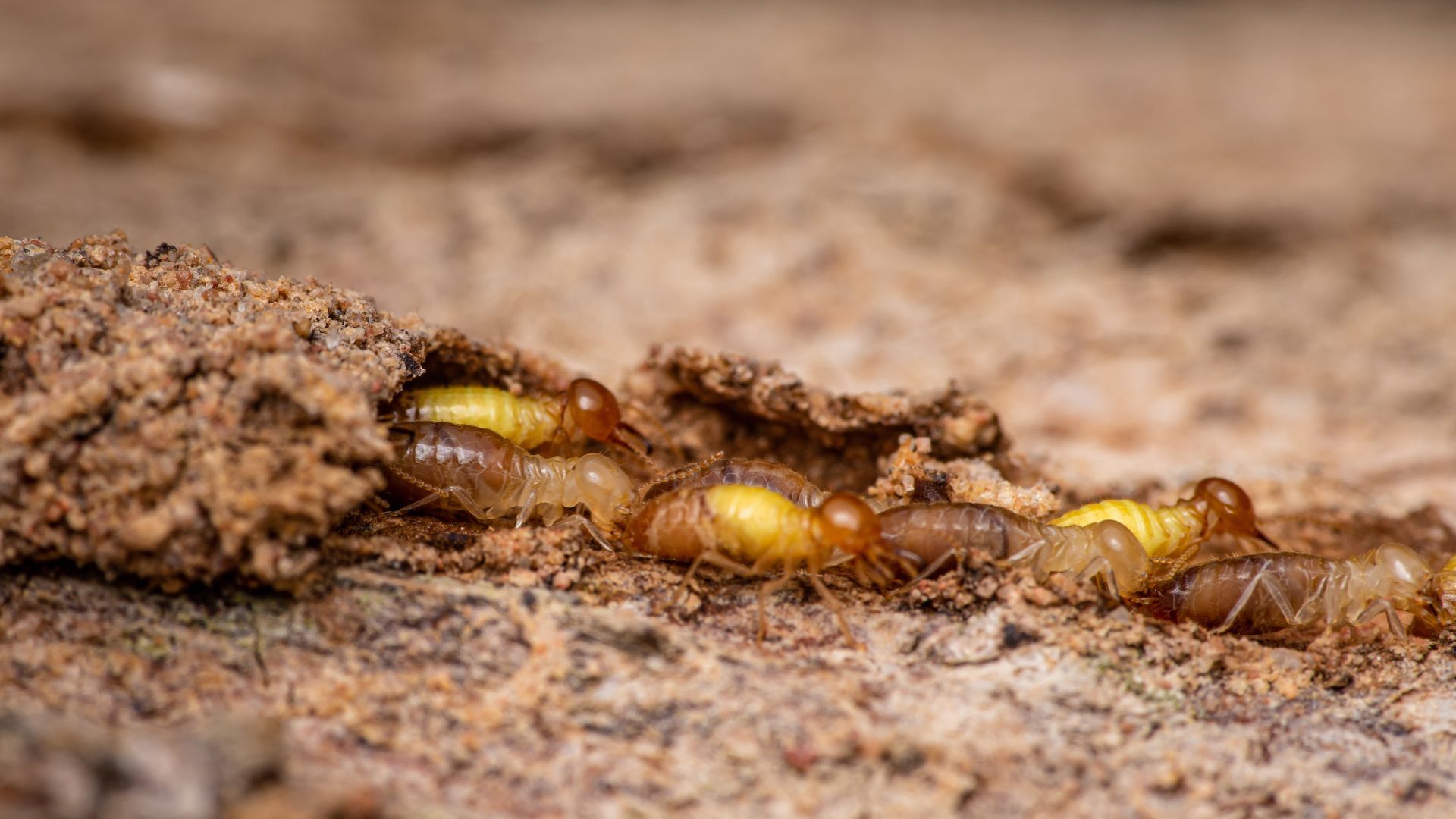
Mud tube termites are a type of termite that build tunnels out of mud. These tunnels help them travel safely from their nest to their food source. The mud tubes protect them from predators and the dry air. Without these tubes, they would dry out and die.
Here’s a quick breakdown of their features:
- Appearance: Small and pale in color.
- Habitat: They live in colonies underground.
- Diet: They eat wood, paper, and other cellulose materials.
Why They Are Called Silent Destroyers
Ever wondered why these termites are nicknamed “silent destroyers”? It’s because they work quietly and often go unnoticed until the damage is done. They can cause serious harm to your home without making any noise.
Here are a few reasons why they are such a threat:
- Stealthy Workers: They build their tunnels inside walls, floors, and ceilings.
- Constant Activity: They work 24/7, eating away at the structure of your home.
- Hard to Detect: The damage is often hidden until it’s too late.
Imagine finding out your house has been quietly eaten from the inside out. Scary, right? That’s why it’s important to be aware of the signs of mud tube termites.
So, next time you see a small mud trail, take a closer look. It could save you a lot of trouble in the future. Stay tuned for more tips on how to deal with these pesky invaders!
Identifying Mud Tube Termites
Termites are tiny but can cause big problems. Mud tube termites are a common type. Identifying them early can save your home from damage. Here’s how to spot them.
Physical Characteristics
Mud tube termites are small insects. They are about a quarter of an inch long. Their bodies are soft and pale in color. They have straight antennae. Unlike ants, their bodies do not have a narrow waist. They are often seen in groups. They can easily be mistaken for other small insects.
Common Signs Of Infestation
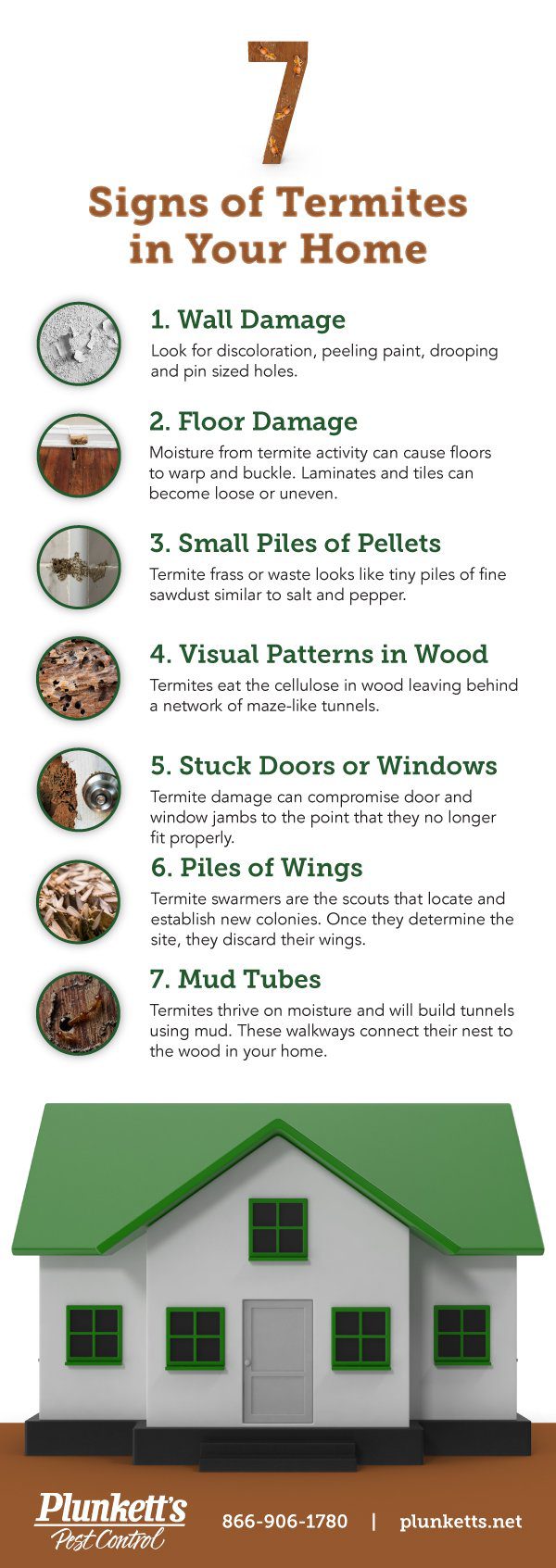
Mud tubes are a clear sign of termites. These tubes look like small tunnels made of soil. They are usually found on walls, floors, and other surfaces. Termites use these tubes to travel and stay moist. Another sign is damaged wood. Tap on wooden surfaces. If it sounds hollow, termites may be inside. You may also see small piles of termite droppings. They look like tiny pellets and are often found near infested areas.
Keep an eye out for these signs. Early detection can prevent serious damage. Your home will thank you.
How Mud Tubes Are Formed
Ever wondered how termites create their intricate mud tubes? These tiny architects work tirelessly to build these structures. Understanding the formation of mud tubes can help you identify a termite infestation early. Let’s dive into the process and purpose of these mud tubes.
Construction Process
Termites start by mixing soil, wood fibers, and saliva. This creates a sticky, pliable substance. They use this mixture to build their tunnels. The process involves layer by layer construction. Each layer dries and hardens, forming a strong tube. Termites work in groups, each with a specific task. Some gather materials. Others shape and mold the tube. The teamwork ensures quick and efficient construction.
Purpose Of Mud Tubes
Why do termites build these tubes? The primary reason is protection. Mud tubes shield termites from predators. They also maintain a moist environment. This is crucial since termites dehydrate quickly. The tubes act as safe passageways from their nest to food sources. This allows termites to travel without exposure to open air. They can reach wood structures inside homes and buildings. Mud tubes are both homes and highways for these pests.
Dangers Of Mud Tube Termites
Mud tube termites pose serious threats to your home and health. Their presence often goes unnoticed until significant damage has occurred. Understanding the dangers they present can help you take action early.
Structural Damage
Mud tube termites eat wood, causing extensive damage to structures. They create tunnels through walls, floors, and ceilings. This weakens the integrity of your home. Over time, this can lead to costly repairs. In severe cases, the structure may become unsafe to live in.
Health Risks
Termites themselves do not carry diseases harmful to humans. However, their presence can trigger allergic reactions. The dust from termite nests can cause respiratory issues. Mold growth in termite-damaged areas also poses health risks. It is crucial to address termite infestations promptly.
Preventing Termite Infestation
Hey friends, today we’re going to talk about how to keep your home safe from termites. These little pests can cause serious damage, but don’t worry, there are steps you can take to prevent them from invading your home.
Home Maintenance Tips
Keeping your home in good shape is the first step to prevent termite infestations. Here are some simple tips:
- Keep it dry: Termites love moisture. Fix any leaks in your roof, pipes, or faucets.
- Declutter: Remove any wood, paper, or cardboard that’s lying around. These are termite food.
- Inspect regularly: Check your home for mud tubes, which are signs of termites.
- Ventilate: Make sure your home has good ventilation. This reduces moisture.
Chemical Treatments
Sometimes, home maintenance alone isn’t enough. That’s when chemical treatments come in handy. Here are some options:
- Termite Baits: These are placed around your home. Termites eat the bait and take it back to their colony, which helps to eliminate the problem.
- Liquid Termiticides: This is applied to the soil around your home. It creates a barrier that termites can’t cross.
- Wood Treatments: Chemicals can be applied directly to wood to protect it from termites.
Remember, keeping termites at bay is a continuous process. Regular checks and maintenance are key. And if you’re unsure, always consult a professional.

Credit: budgetbrotherstermite.com
Detecting Termite Presence Early
Spotting mud tube termites early can save your home from damage. Mud tubes are small, brown tunnels made by termites. These tubes protect them while they search for food.
Hey friends, today we’re diving into something really important – how to spot termites early. These pesky bugs can cause serious damage to your home. The good news? With a few simple steps, you can detect them before they wreak havoc.
Regular Inspections
Regular inspections are key. Think of it like a health check-up for your home. You wouldn’t skip a doctor’s visit, right? Your home needs that same care. Here’s how to do it:
1. Schedule routine checks: Aim for every 6 months.
2. Look for mud tubes: These are small, pencil-sized tunnels termites use.
3. Check wooden structures: Look for hollow sounds when tapped.
I remember once finding mud tubes in my garage. I thought it was dirt at first. Luckily, I inspected further and saved myself from a big repair bill.
DIY Detection Methods
Not keen on calling a professional right away? No worries. You can start with some DIY methods. Here’s what you can do:
– Use a flashlight: Shine it on wooden beams and look for mud tubes.
– Tap wood surfaces: Hollow sounds can mean trouble.
– Moisture meter: High moisture can attract termites.
Imagine you’re a detective with a magnifying glass. Look closely and you might just catch those sneaky termites before they cause damage.
Pro Tip: Always wear gloves when inspecting. Termites can be dirty and you don’t want to get too close.
By following these simple steps, you can keep your home safe from termites. Remember, early detection is your best defense. So, next time you’re doing a bit of spring cleaning, why not check for termites too?
Stay safe and happy home inspecting!
Professional Termite Control
Mud tube termites build protective tunnels to access food sources and avoid predators. These mud tubes indicate a termite infestation. Professional termite control can eliminate these pests and prevent further damage to your property.
Dealing with mud tube termites can be tough. Professional termite control offers the best solution. Experts use advanced methods to remove termites. They know how to prevent future infestations.
When To Call Experts
Call experts at the first sign of mud tubes. Early action prevents damage. Also, if you hear noises in walls, seek help. Experts can find termites quickly. They inspect areas you might miss.
Types Of Professional Treatments
Professional treatments vary. Liquid termiticides create a barrier around your home. This stops termites from entering. Bait systems are another option. Experts place bait stations around your property. Termites eat the bait and share it. This kills the colony over time.
Fumigation is for severe infestations. It fills your home with gas to kill termites. Experts recommend the best treatment based on the situation. They ensure your home stays termite-free.
Long-term Termite Management
Dealing with mud tube termites requires more than a one-time treatment. Effective management involves continuous efforts to keep your home safe. Implementing long-term strategies ensures termites stay away for good. This section covers key approaches to maintain a termite-free environment.
Ongoing Monitoring
Regular inspections are vital for keeping termites in check. Check your property periodically for signs of termite activity. Look for mud tubes, damaged wood, or discarded wings. Early detection helps prevent significant damage. Professional pest control services can assist with thorough inspections. They use advanced tools to spot hidden infestations. Schedule inspections at least once a year for best results.
Preventative Measures
Prevention is the best strategy against termites. Keep wood and soil separate around your home. Ensure proper drainage to avoid excess moisture, which attracts termites. Fix leaks and ensure good ventilation in crawl spaces. Store firewood and lumber away from the house. Use termite-resistant materials when building or renovating. Seal any cracks in the foundation to block entry points. Consider chemical treatments or barriers for added protection.
Credit: www.ecoguardpestmanagement.com
Frequently Asked Questions
Should You Destroy Termite Mud Tubes?
Yes, destroy termite mud tubes. Removing them disrupts termite activity and helps identify active infestations. Always follow up with professional treatment to eliminate termites.
Do Mud Tubes Mean Active Termites?
Yes, mud tubes often indicate active termites. Termites build these tubes for protection and moisture. Inspect for live termites.
How Long Does It Take For Termites To Build Mud Tubes?
Termites can build mud tubes in a few days to a few weeks, depending on the colony size and conditions.
What Is The Difference Between Mud Dauber Tubes And Termite Tubes?
Mud dauber tubes are smooth, cylindrical, and found in sheltered areas. Termite tubes are rough, muddy, and connect nests to food sources.
Conclusion
Mud tube termites can cause serious damage to homes. Regular inspections are crucial. Early detection saves money and stress. Protect your home from these pests. Hire a professional if needed. Stay vigilant and keep your house safe. Proper maintenance and awareness are key.
Keep an eye out for mud tubes. Prevention is always better than repair. Your home’s safety depends on it.