Painters Putty Vs Spackle: Which is Best for Repairs?
Are you standing in the hardware aisle, puzzled by the differences between painter’s putty and spackle? You’re not alone.
Whether you’re a DIY enthusiast or a seasoned professional, choosing the right product for your project can be tricky. Both painter’s putty and spackle are essential tools for achieving that smooth, flawless finish we all crave. But which one is right for your specific needs?
Understanding the strengths and weaknesses of each can save you time, money, and frustration. Keep reading to discover the key differences and make an informed decision that ensures your walls look pristine and professional. Your next project’s success might just hinge on this crucial choice.
Painters Putty Basics
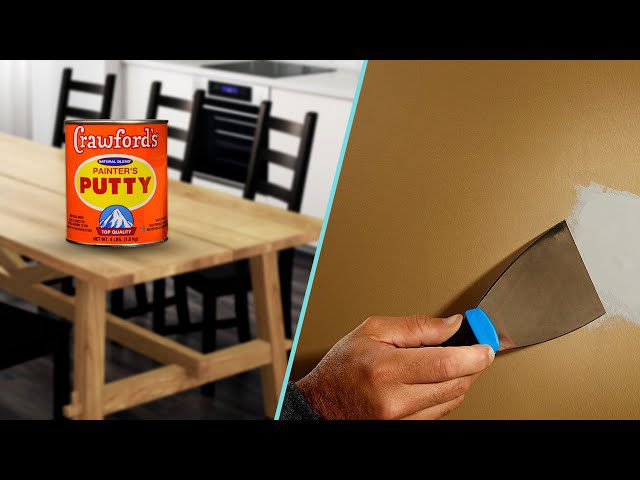
Painters putty is a simple tool. It is made from linseed oil and chalk. These ingredients give it a smooth texture. It is easy to mold. Spackle, on the other hand, is different. It contains gypsum powder and a binder. This makes it dry fast. It also becomes hard when dry.
Painters putty is great for filling small holes and cracks. Use it for wood surfaces. It is best for painting jobs. Spackle works well on walls. It is perfect for drywall repairs. Both are useful but in different ways.

Credit: www.reddit.com
Spackle Essentials
Painters putty and spackle serve different roles in wall repair. Painters putty is ideal for filling nail holes. Spackle works better for larger cracks and dents. Each has unique properties for specific tasks.
Key Ingredients And Formulation
Spackle is a mix of gypsum powder and glue. It is soft and easy to use. People use it to fix holes in walls. Gypsum gives spackle its white color. Glue makes it stick to surfaces. Some spackle has added vinyl for flexibility. This helps it last longer. Different brands may vary slightly. Always read the label for details. Spackle is safe to touch. It is not harmful when dry.
Typical Applications In Repairs
Spackle is used for small wall repairs. It fills nail holes and cracks. Painters use it before painting. It makes walls smooth. It is good for indoor use. It dries fast and is easy to sand. Spackle can fix minor dents too. It is not good for big holes. Use it on wood, drywall, and plaster. It is not for outdoor repairs. Always use clean tools for best results.
Comparing Application Techniques
Painters putty feels smooth under your fingers. Easy to spread. Spackle can be tricky. Requires more skill.
Putty works best for small areas. Spackle is good for larger holes. Putty is forgiving. You can reapply if needed.
Spackle demands attention. Mistakes may be hard to fix. Kids can help with putty. Spackle needs a grown-up.
Choose based on your comfort level.
Putty takes longer to dry. Often hours or more. Spackle dries faster. Usually within minutes.
Putty drying needs patience. Spackle is quick and efficient. Weather affects drying time.
Warm days help both dry faster. Cold slows them down. Consider your project timeline.
Choose the one that fits your schedule.

Credit: www.youtube.com
Durability And Longevity
Painters Putty is great for small cracks and holes. It works well in dry places. But it can struggle in wet areas. Spackle is more versatile. It performs well in both dry and moist conditions. Spackle dries faster than putty. This makes it handy for quick repairs.
Putty can sometimes crack over time. It might also shrink as it dries. This can be a problem for large gaps. Spackle is less likely to crack or shrink. It stays smooth after drying. This makes Spackle a good choice for bigger repairs. Both materials have their uses. Choose wisely based on the job.
Finish And Texture
Painters putty provides a smooth finish ideal for wood surfaces, while spackle offers a textured touch for drywall. Each serves its purpose; putty fills nail holes, and spackle repairs wall cracks, enhancing overall finish quality.
Surface Smoothness
Both painters putty and spackle offer different surface smoothness. Painters putty is thicker. It fills holes and cracks. This makes it great for big repairs. Spackle is smoother and finer. It is ideal for small repairs. Spackle leaves a smooth finish. It blends well with walls. Painters putty may need sanding. This makes it smooth but takes time.
Paint Compatibility
Both products work well with paint. Spackle dries faster. It lets you paint sooner. Painters putty dries slowly. You may need to wait to paint. Spackle is white. It matches paint colors easily. Painters putty is off-white. It may show under light paints. Proper drying is key. Always check before painting.

Credit: www.reddit.com
Cost Considerations
Painters putty generally costs less than spackle, making it an economical choice for minor repairs. Spackle, while pricier, is ideal for larger surface defects and provides a smoother finish. Evaluating your project size helps in choosing the right product without overspending.
Price Differences
Painters putty is generally cheaper than spackle. Putty is used for small fixes. Spackle costs more because it repairs larger areas. The price depends on the brand and quality. Some brands offer premium products at higher prices. Cheaper options are available, but they may not last long. Consider your budget before choosing.
Value For Money
Spackle offers good value for big repairs. It covers wide spaces and lasts longer. Painters putty is great for minor fixes. It doesn’t cost much and is easy to use. Both offer value for different needs. Choose based on the size of the repair. Think about how much you want to spend. Quality affects the final result.
Environmental Impact
Painters putty and spackle can impact the environment. Some products have harmful chemicals. Look for eco-friendly options. These are safer for the earth. Use products labeled as non-toxic. They are better for the air and water. This helps protect nature.
Disposing of leftover putty and spackle properly is important. Don’t throw them in the trash. They can harm animals and soil. Check for safe disposal methods in your area. Some cities offer recycling programs. This keeps the environment clean. Always wear gloves and masks while using these products. They protect your skin and lungs.
Choosing The Right Product
Painters putty is best for filling holes in wood surfaces. Spackle works well on walls and ceilings. Putty is flexible. It moves with wood. Spackle dries hard. It stays put on walls.
Putty is great for outdoor use. It handles weather changes. Spackle is for inside jobs. It needs a dry space to work well. Consider where the project is. Choose the right option for your needs.
Painters putty is often used by professionals. It requires skill to apply. Spackle is easier for DIY projects. Even beginners can use it. Putty provides a smooth finish. Spackle is fast and simple.
Putty is slower to dry. It takes more time to work with. Spackle dries quickly. It is ready for paint in hours. Choose putty for detailed work. Select spackle for quick repairs.
Frequently Asked Questions
What Is The Difference Between Painters Putty And Spackling?
Painter’s putty fills small holes and cracks, offering flexibility and smoothness for painted surfaces. Spackling repairs drywall imperfections, drying hard for sanding and painting.
What Is Painter’s Putty Used For?
Painter’s putty fills holes, cracks, and imperfections in surfaces before painting. It smoothens walls, woodwork, and trim. This ensures a flawless finish and improves paint adhesion. Ideal for preparing surfaces in homes or professional projects.
When Should You Not Use Spackle?
Avoid using spackle on large holes, wet surfaces, or flexible materials. It’s unsuitable for outdoor use or high-moisture areas.
Does Painters Putty Ever Harden?
Yes, painter’s putty hardens over time. It typically dries within a few hours to a day. The drying time depends on the thickness applied and environmental conditions. For best results, ensure proper application and allow adequate drying time.
Conclusion
Choosing between painters putty and spackle depends on your project needs. Painters putty is great for wood surfaces. It fills gaps and small holes effectively. Spackle works best on drywall repairs. It dries fast and is easy to sand. Both are handy for DIY tasks.
Consider surface type and repair size before choosing. Each has its own strengths. Keep your specific requirements in mind. Proper choice leads to smoother finishes. Understanding these differences ensures better results. Your repair will look professional. Selecting the right product makes a big difference.
Get ready for a flawless finish!