How to Remove Paint from Aluminum Without Damaging It
For cured, solid paint on aluminum, a chemical stripper labeled safe for metal (or made specifically for aircraft) removes it fastest with the least scratching. Vinegar, baking soda, and WD-40 are worth trying first only on light, already-peeling paint or overspray – they rarely touch a fully cured coat of enamel or automotive paint on their own.
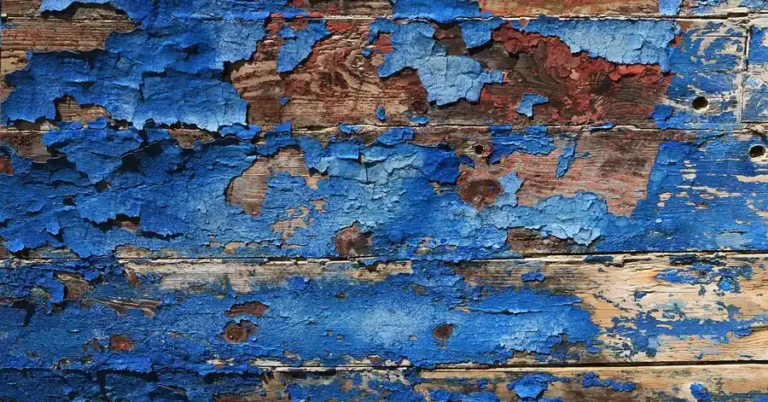
A lot of paint-removal advice treats every method as equally effective and just a matter of preference. In reality, the paint’s condition matters more than the method: a peeling, sun-damaged coat will respond to a vinegar soak and some scrubbing, while a fully cured coat of enamel or automotive paint generally won’t budge for anything short of a real stripper, mechanical abrasion, or heat. Knowing which situation you’re in first saves a lot of wasted scrubbing.
One Aluminum-Specific Warning Most Guides Skip
Best Stripper Rated Safe For Aluminum
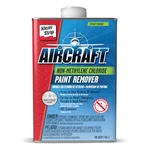 |
Klean-Strip Aircraft Paint Remover – $39.99 Formulated to strip cured paint down to bare metal without the aluminum-specific corrosion risk that some lye-based strippers carry.
|
Aluminum reacts with strong alkalis. Some heavy-duty paint strippers are lye-based (sodium hydroxide), and while that formula works fine on steel or wood, it can pit, discolor, or etch bare aluminum through an actual chemical reaction – not just cosmetic damage, but a change to the metal’s surface. Before using any chemical stripper on aluminum, check the label specifically for aluminum compatibility, or choose a stripper marketed for automotive or aircraft use, since those are formulated with metal compatibility in mind. If a lye-based stripper is all you have, keep contact time short and rinse and neutralize promptly – don’t let it sit longer than the label recommends “just to be sure.”
What Vinegar, Baking Soda, And WD-40 Actually Do (And Don’t)
Vinegar’s mild acidity can soften paint that’s already lifting or chalky from sun exposure, and it’s genuinely useful for loosening light residue or old, deteriorating coatings. Baking soda paste works similarly through gentle abrasion rather than any chemical breakdown – it’s really just a very fine scouring agent. Both are safe to try first since they won’t harm bare aluminum, but don’t expect either one to touch a smooth, intact coat of enamel, automotive paint, or powder coating; that paint is designed to resist exactly this kind of household chemistry.
WD-40 is a penetrating oil, not a paint stripper. It’s genuinely useful for loosening paint overspray, dried drips, or helping a scraper glide without gouging the metal, and it can help lift paint that’s already flaking at the edges. It is not going to dissolve a fully bonded paint film the way an actual stripper will, so treat it as a helper for scraping, not a substitute for one.
Mechanical Removal: Sanding, Wire Brushing, And Sandblasting
For localized spots, wet-sanding with 220-grit or finer sandpaper (aluminum scratches easily, so skip anything coarser than necessary) removes paint without introducing chemicals, though it’s slow on larger areas. A wire brush works faster but leaves visible scratch marks in bare aluminum’s soft surface – fine for a part that will be repainted, less ideal for something meant to stay bare and polished.
Sandblasting is the fastest mechanical option for large surfaces, but aluminum’s softness means it’s easy to over-blast and etch or dish the surface if you linger in one spot. Keep the nozzle moving constantly, use the lowest pressure and coarsest media that still clears the paint, and test on an inconspicuous area first. A rented sandblaster is usually overkill for a small item like a bike frame or a piece of trim – save it for railings, siding, or panels.
Using Heat Without Warping The Metal
A heat gun softens paint enough to scrape it off cleanly, but aluminum conducts heat fast and thin aluminum sheet or extrusion can warp well below the temperature that would ever melt it. Keep the heat gun moving, work in small sections, and pull back the moment the paint starts to bubble rather than waiting for it to blister – overheating one spot is what causes warping, not the tool itself. On thin aluminum trim, siding, or cookware, heat is riskier than a chemical stripper or mechanical method; save it for thicker stock where a little heat has more metal to disperse into.
Protecting The Surface Once Paint Is Off
Bare aluminum forms a thin, protective oxide layer naturally, which is part of why it resists rust the way steel doesn’t – but it can still pick up scratches, water spots, and discoloration without any finish on it. If the piece won’t be repainted, a coat of clear metal lacquer or a paste wax protects the bare surface and preserves the shine. If you’re repainting, clean off every trace of stripper residue and let the surface dry fully first – leftover stripper chemistry under a new coat is a common reason a fresh paint job peels early. For a full how-to on the repaint side of this project, see our guide on painting aluminum the right way.
Disposing Of Paint Waste Properly
Scraped paint chips, used stripper, and contaminated rags count as hazardous waste in most areas, especially if the original paint could be lead-based (a real risk on anything painted before 1978). Never rinse stripper residue or paint chips down a drain or into soil. Check your local household hazardous waste program for drop-off guidelines, and if there’s any chance the paint predates 1978, treat dust and chips as a lead hazard and avoid dry-sanding or sandblasting without proper respiratory protection.
Frequently Asked Questions
What Is The Best Way To Remove Paint From Aluminum?
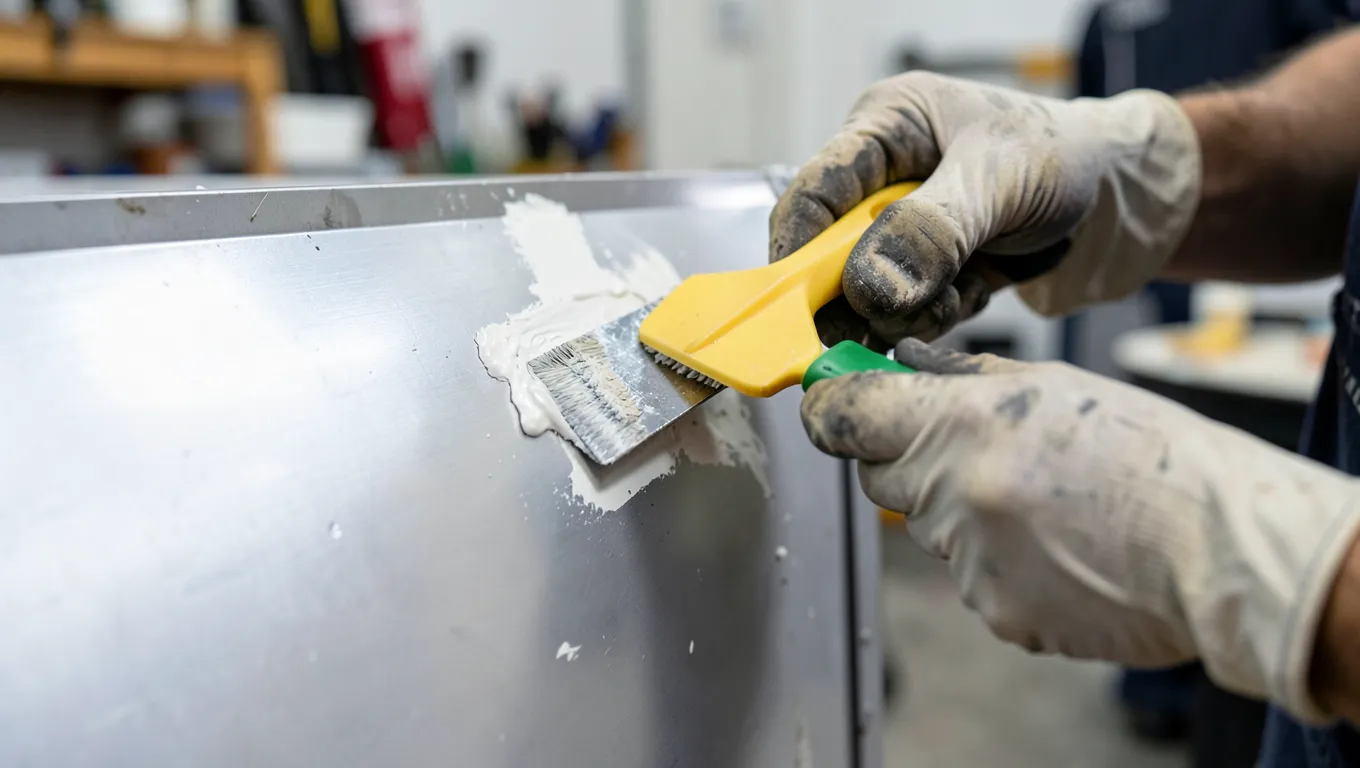
For fully cured paint, a chemical stripper labeled safe for aluminum or metal (aircraft-style removers are a safe bet) works fastest with the least risk of scratching. Apply it evenly, let it sit for the time the label recommends, then scrape with a plastic scraper to avoid marking the metal. Always check that the stripper doesn’t contain a strong lye-based formula that could react with bare aluminum.
Will WD-40 Remove Paint From Aluminum?
Not on its own for fully cured paint – WD-40 is a penetrating oil, not a stripper. It does help loosen paint overspray or drips and can lubricate a scraper so it glides instead of gouging the metal, so it’s a useful helper for scraping rather than a real substitute for a dedicated paint remover.
Will Vinegar Remove Paint From Aluminum?
Vinegar can soften paint that’s already peeling, chalky, or sun-damaged, and it’s safe to try on bare aluminum. It’s unlikely to touch a smooth, fully cured coat of enamel or automotive paint, since that kind of paint is specifically formulated to resist household chemicals like vinegar.
Will Baking Soda Remove Paint From Aluminum?
Baking soda paste works through gentle abrasion rather than any real chemical breakdown of the paint, so it helps most with light residue or paint that’s already lifting. For a fully intact, cured paint layer, expect to combine it with sanding or a real stripper rather than relying on baking soda alone.
Conclusion
Match the method to the paint’s actual condition: household remedies for light, peeling paint, and a real metal-safe stripper, sanding, or careful heat for anything fully cured. Whatever method you choose, double-check that it’s actually rated safe for aluminum specifically – the metal’s reaction to strong alkalis is the one detail that trips up otherwise-careful DIYers.
Sponsored / affiliate links. As an Amazon Associate I earn from qualifying purchases. I may earn additional commission from eligible campaigns.