Plans For Radial Arm Saw Table: My DIY Journey
My first radial arm saw table was a wobbly mess, but it taught me a ton! I’m sharing my plans for radial arm saw table to help you build a sturdy, useful workbench. This article covers easy steps, tools, materials, and tips to make your woodworking projects a breeze. Whether you’re a beginner or a pro, you’ll find ideas to create a table that fits your shop.
What Is a Radial Arm Saw Table?
A radial arm saw table is a flat surface that supports your wood while you cut with a radial arm saw. It’s key for accurate cuts and safety. Unlike table saws, radial arm saws cut from above, so the table gets grooves over time. A good table has a flat top, a sturdy fence, and space for projects. It’s like a trusty sidekick for your saw!
Why You Need Plans for Radial Arm Saw Table
Good plans save time and money. They help you build a table that’s level, strong, and sized right for your saw. My first attempt without a plan was a disaster—think wobbly legs and uneven cuts! With clear plans, you can avoid my mistakes and make a table that lasts.
Why Build Your Own Radial Arm Saw Table?
Building your own table is fun and practical. Here’s why it rocks:
- Save Money: Custom tables cost less than store-bought ones.
- Perfect Fit: Tailor it to your saw and shop space.
- Learn Skills: You’ll practice measuring, cutting, and assembling.
I built mine for under $50, and it’s still going strong after years!
Drawbacks to Consider
Radial arm saw tables aren’t perfect. They take time to build, and the tabletop needs replacing when it’s full of cuts. Also, a poorly built table can mess up your cuts or be unsafe. But with good plans, these issues are easy to dodge.
Step-by-Step Guide to Build a Radial Arm Saw Table
Here’s a simple plan to build a 4×8-foot radial arm saw table. It’s beginner-friendly and works for most 10-inch saws like DeWalt or Craftsman. Let’s dive in!
Tools and Materials Needed
You don’t need fancy gear to build a great table. Here’s what I used:
- Tools: Drill, screwdriver, measuring tape, level, circular saw.
- Materials:
- 3/4-inch plywood (4×8 feet for tabletop).
- 2×4 lumber (for frame, about 32 feet total).
- 3/4-inch MDF (for replaceable tabletop insert).
- Wood screws (2-inch and 3-inch).
- Wood glue, sandpaper, and paint (optional).
Total cost? Around $40–60 at Home Depot. Check local stores for deals!
Table 1: Material Cost Comparison
| Material | Cost (Approx.) | Where to Buy |
|---|---|---|
| 3/4-inch Plywood | $30 | Home Depot, Lowe’s |
| 2×4 Lumber | $15 (8 pieces) | Local lumberyard |
| 3/4-inch MDF | $10 | Hardware stores |
| Screws, Glue | $5 | Any hardware store |
| Caption: Save money by shopping sales or using scrap wood! |
Step-by-Step Building Instructions
- Measure Your Saw: Check your saw’s base dimensions. Mine was 24×30 inches, so I planned the table around it.
- Cut the Frame: Cut 2x4s for a 4×8-foot frame (two 8-foot sides, three 4-foot cross pieces).
- Assemble the Frame: Screw the 2x4s together with 3-inch screws. Use a level to keep it flat.
- Add the Plywood Top: Cut the plywood to 4×8 feet. Screw it to the frame with 2-inch screws.
- Install the MDF Insert: Cut a 24×30-inch MDF piece to fit under the saw. Bolt it to the frame (use your saw’s bolt holes as a guide).
- Build the Fence: Use a 3/4×2-inch board for the fence. Screw it to the back edge of the MDF insert.
- Sand and Finish: Sand rough edges. Paint or seal for a smooth look (optional).
Visual Idea: A diagram showing the frame layout (2x4s in a rectangle with cross supports) and the MDF insert placement would be super helpful here.
Safety Tips for Building and Using Your Table
Safety is huge with radial arm saws. Here’s what I learned the hard way:
- Check Level: An uneven table messes up cuts and can be dangerous.
- Secure the Saw: Bolt your saw tightly to the table to prevent wobbling.
- Replace the Insert: Swap out the MDF when it’s too cut up to avoid blade snags.
Always wear safety glasses and keep hands clear of the blade!
Alternative Table Designs
Not everyone needs a 4×8-foot table. Here are other ideas:
- Small Table (2×4 feet): Great for tight spaces. Use one sheet of plywood and fewer 2x4s.
- Extendable Wings: Add slide-out extensions for big sheets (like plywood). I added 2-foot wings to mine for extra support.
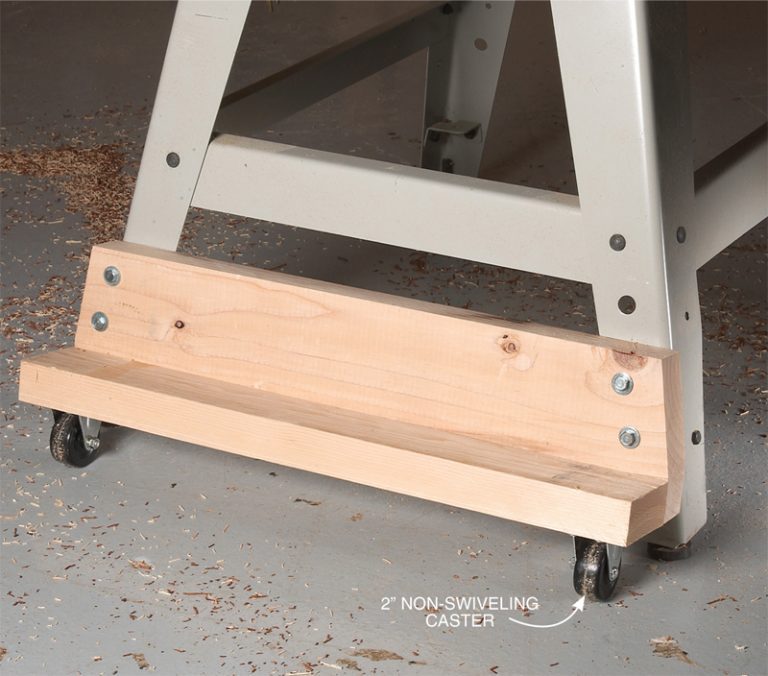
- Mobile Table: Add wheels to move your table easily. Just lock them when cutting!
Table 2: Table Design Comparison
| Design | Size | Best For | Cost (Approx.) |
|---|---|---|---|
| Standard Table | 4×8 feet | General use | $50 |
| Small Table | 2×4 feet | Small shops | $30 |
| Extendable Table | 4×12 feet | Large projects | $70 |
| Caption: Choose a design that fits your space and projects! |
Common Mistakes to Avoid
I’ve made plenty of goofs building tables. Here’s what to watch out for:
- Skipping the Level: An uneven table ruins cuts. Check every step with a level.
- Cheap Materials: Thin plywood warps fast. Stick to 3/4-inch or thicker.
- Loose Fence: A wobbly fence makes cuts sloppy. Screw it down tight.
Personal Tips from My Woodworking Shop
After years of using my radial arm saw table, here are my top tips:
- Add a Measuring Tape: Glue a sticky measuring tape to the fence for quick cuts. It’s a game-changer!
- Use a Dust Box: Build a simple box behind the saw to catch dust. Connect it to a shop vac.
- Keep Spares: Cut extra MDF inserts to swap out fast when the tabletop gets worn.
My table’s been a trusty pal for projects like bookshelves and picture frames. It’s like having an extra hand in the shop!
Visual Idea: A sketch of the dust box behind the fence and a measuring tape on the fence would make these tips crystal clear.
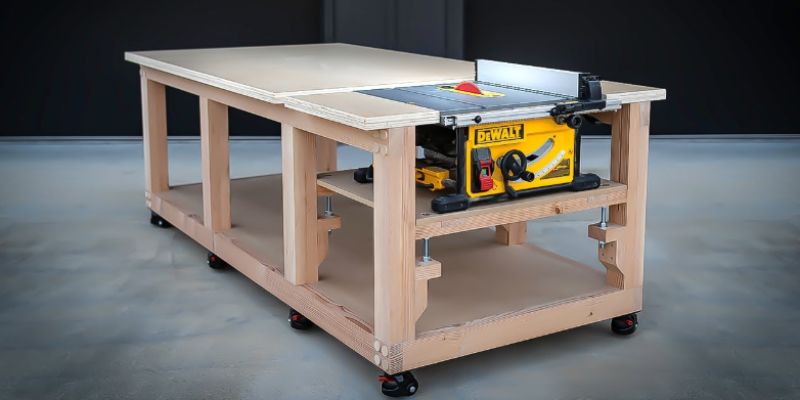
Benefits of a Great Radial Arm Saw Table
A solid table makes woodworking easier and safer. It holds your wood steady for clean cuts, saves space with smart storage, and lets you tackle big projects like cutting plywood sheets. Plus, building it yourself feels awesome! I still grin every time I use mine.
Drawbacks of DIY Tables
DIY tables take time to build, and mistakes can cost you materials. Also, radial arm saws aren’t as common as table saws, so finding plans can be tricky. But with this guide, you’re set to succeed!
Frequently Asked Questions
What Is a Radial Arm Saw Table?
A radial arm saw table is a flat workbench that supports wood for cutting with a radial arm saw. It has a replaceable top and a fence to guide cuts.
What Materials Are Best for a Radial Arm Saw Table?
Use 3/4-inch plywood for the main top and 3/4-inch MDF for the replaceable insert. 2x4s work great for a sturdy frame.
How Do I Keep My Table Level?
Use a level during assembly. Check the frame and tabletop to ensure they’re flat. Adjust with shims if needed.
Can I Make a Smaller Table for a Small Shop?
Yes! A 2×4-foot table works for small spaces. Use the same steps but cut materials to fit your shop.
How Often Should I Replace the Tabletop?
Replace the MDF insert when it’s full of deep cuts, usually every 6–12 months, depending on use.
Is a Radial Arm Saw Table Safe?
It’s safe if built sturdy and level. Bolt the saw down, wear safety glasses, and keep hands away from the blade.
Can I Add Storage to My Table?
Yes! Add shelves or drawers under the table for tools and wood scraps. It keeps your shop tidy.
Conclusion
Building a radial arm saw table is a fun, rewarding project. With simple plans, basic tools, and a bit of effort, you can create a sturdy workbench that makes cutting a breeze. Try building one this weekend, and share your results with fellow woodworkers! Check out resources at FineWoodworking or TheSpruceCrafts for more tips. Got a cool table design? Let me know in the comments!
Visual Idea: A top-down diagram of the finished table with labeled parts (fence, tabletop, frame) would tie it all together.