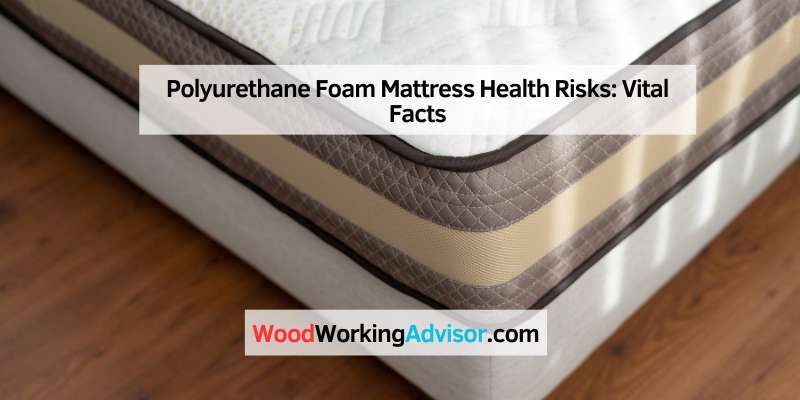
Polyurethane Foam Mattress Health Risks: Vital Facts
Polyurethane foam mattresses may emit potentially harmful volatile organic compounds (VOCs) for years, which can cause respiratory irritation, trigger asthma symptoms, and increase the risk of cancer in the long term. These mattresses can also lead to body pains, posture and sleep issues, especially for individuals with higher body mass.
While polyurethane foam itself is not toxic, improper installation or curing can pose health risks. It is important to be aware of the potential health hazards associated with polyurethane foam mattresses and consider alternative options that minimize exposure to VOCs and other chemicals.
Introduction To Polyurethane Foam Mattresses
When it comes to mattresses, polyurethane foam has gained popularity for its comfort and affordability. However, it’s essential to understand the composition and potential health risks associated with this material.
Composition Of Polyurethane Foam
Polyurethane foam mattresses are made from polyurethane, a type of synthetic polymer. They often contain additional chemicals and additives to achieve desired firmness and density. These mattresses are known for their ability to conform to the body’s shape, providing a comfortable sleeping surface.
Popularity And Uses
Polyurethane foam mattresses have become popular due to their cost-effectiveness and widespread availability. They are commonly used in various bedding products, including mattresses, mattress toppers, and pillows. The versatility of polyurethane foam allows for the creation of different mattress types, such as memory foam and hybrid mattresses.
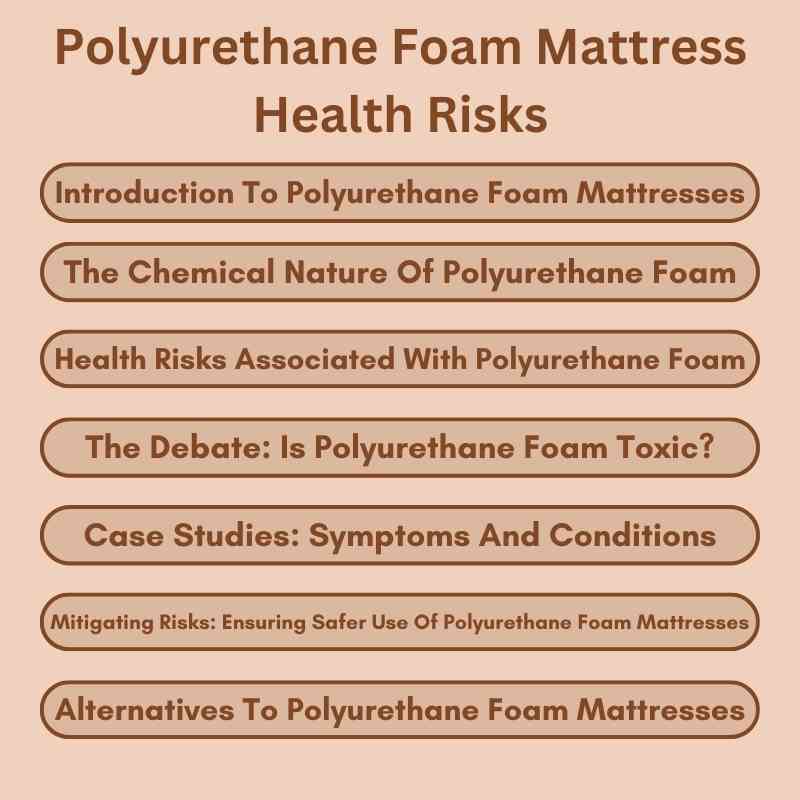
The Chemical Nature Of Polyurethane Foam
Polyurethane foam is a popular material used in the production of mattresses due to its comfort and durability. However, it’s important to understand the chemical nature of polyurethane foam and the potential health risks associated with it.
Volatile Organic Compounds (vocs) Emission
One of the concerns with polyurethane foam mattresses is the emission of volatile organic compounds (VOCs). VOCs are chemicals that can vaporize at room temperature and may have adverse effects on human health. When polyurethane foam is manufactured, it can release VOCs into the air, which can be inhaled and potentially cause respiratory irritation, trigger asthma symptoms, and even increase the long-term risk of cancer.
To mitigate the risk of VOC emissions, it is important to look for mattresses that are certified as low-VOC or have undergone rigorous testing to ensure minimal off-gassing. These certifications include CertiPUR-US® and GREENGUARD Gold, which set strict standards for VOC emissions and other harmful substances.
Petroleum Chemicals In Foam Production
Polyurethane foam is derived from petroleum chemicals, which can also pose health risks. The production process involves the use of various chemicals, including isocyanates and flame retardants, which have been associated with respiratory irritation and other health problems.
It’s important to note that after proper curing, polyurethane foam is considered chemically inert and should not pose a health risk. However, if the foam is not properly installed or cured, it can potentially emit harmful chemicals over time.
To ensure a safer sleeping environment, consider choosing mattresses made with alternative materials such as natural latex or organic cotton, which have lower chemical content and are less likely to emit harmful substances.
In conclusion, while polyurethane foam mattresses offer comfort and support, it is crucial to be aware of the potential health risks associated with their chemical nature. By choosing low-VOC certified mattresses and exploring alternative materials, you can prioritize your health and well-being while enjoying a good night’s sleep.
Health Risks Associated With Polyurethane Foam
Polyurethane foam mattresses may emit potentially harmful volatile organic compounds (VOCs), which can cause respiratory irritation and long-term health risks such as increased cancer risk. Improper installation of polyurethane foam can also pose a health threat. It is important to consider the potential health risks associated with polyurethane foam mattresses before making a purchase.
Respiratory Irritation And Asthma
Polyurethane foam mattresses can emit potentially harmful volatile organic compounds (VOCs), which have been linked to respiratory irritation and may trigger asthma symptoms. Prolonged exposure to these VOCs can pose health risks and increase the likelihood of developing respiratory issues.
Potential Cancer Risks
Exposure to certain VOCs emitted by polyurethane foam mattresses over an extended period may elevate the risk of cancer. These harmful chemicals can have long-term effects on health, making it crucial to consider the potential cancer risks associated with sleeping on polyurethane foam mattresses.
Impact On Sleep Quality And Comfort
Polyurethane foam mattresses may impact sleep quality and comfort due to the emission of VOCs, which can lead to respiratory issues, discomfort, and disrupted sleep. The potential health risks associated with polyurethane foam mattresses should be carefully considered in relation to their impact on overall sleep quality and comfort.
The Debate: Is Polyurethane Foam Toxic?
Polyurethane foam mattresses have become increasingly popular due to their affordability and comfort. However, concerns have been raised about the potential health risks associated with these mattresses. One of the key points of contention is whether polyurethane foam is toxic and poses a threat to human health.
Arguments For Safety
Advocates of polyurethane foam mattresses argue that when properly cured, polyurethane is considered chemically inert and free from any potential off-gassing. This suggests that the foam is not inherently toxic and does not pose a risk to health when used as intended.
Concerns Over Long-term Exposure
However, critics express concerns about the long-term effects of polyurethane foam mattresses, highlighting that the foam can emit potentially harmful volatile organic compounds (VOCs) for an extended period. Prolonged exposure to VOCs has been linked to respiratory irritation, asthma symptoms, and an increased risk of cancer, raising questions about the safety of long-term use of polyurethane foam mattresses.
Case Studies: Symptoms And Conditions
Polyurethane foam mattresses may emit potentially harmful volatile organic compounds (VOCs), leading to respiratory irritation and long-term health risks. Improper installation and curing can make cured foam a potential health threat. Additionally, the material can cause posture and sleep issues, especially for individuals with higher body mass.
Polyurethane foam mattresses have become increasingly popular due to their affordability and comfort. However, there are potential health risks associated with using these mattresses. Case studies have shown that some individuals have experienced symptoms and conditions due to their use of polyurethane foam mattresses.
Respiratory Problems From Off-gassing
Off-gassing is the process in which volatile organic compounds (VOCs) are released into the air from the polyurethane foam mattress. These VOCs can cause respiratory problems such as coughing, wheezing, and shortness of breath. In severe cases, off-gassing can lead to asthma attacks and other respiratory conditions. Proper ventilation can reduce the risk of off-gassing, but it may not eliminate it completely.
Allergic Reactions To Chemical Components
Polyurethane foam mattresses contain various chemical components, including flame retardants, adhesives, and other additives. Some individuals may have allergic reactions to these components, leading to symptoms such as skin rashes, itching, and difficulty breathing. In extreme cases, allergic reactions can lead to anaphylaxis, a severe and potentially life-threatening allergic reaction.
To reduce the risk of health problems associated with polyurethane foam mattresses, it is important to choose a mattress made with non-toxic materials. Look for mattresses that are certified by organizations such as CertiPUR-US, which ensure that the mattress meets certain health and environmental standards. Additionally, proper ventilation and regular cleaning can help reduce the risk of off-gassing and allergen buildup.
Mitigating Risks: Ensuring Safer Use Of Polyurethane Foam Mattresses
Polyurethane foam mattresses may emit potentially harmful volatile organic compounds (VOCs), which can cause respiratory irritation and increase the risk of long-term health issues. However, when properly cured and installed, polyurethane foam can be considered chemically inert and non-toxic. It is important to mitigate these risks by ensuring proper ventilation and allowing the foam to off-gas before use.
Proper Ventilation And Off-gassing
One of the biggest concerns with polyurethane foam mattresses is the off-gassing of potentially harmful chemicals. Proper ventilation is crucial when using these mattresses to ensure that any off-gassing is dispersed quickly. It’s recommended to leave the mattress in a well-ventilated room for at least 24-48 hours before using it to allow any initial off-gassing to dissipate.
Choosing Certified Low-voc Products
When shopping for polyurethane foam mattresses, it’s important to choose products that are certified as low-VOC (volatile organic compounds). These mattresses have been tested and proven to emit fewer harmful chemicals than traditional polyurethane foam products. Look for certifications from organizations such as CertiPUR-US or GREENGUARD to ensure that you’re getting a safer product.
It’s important to remember that while polyurethane foam mattresses may come with some health risks, these risks can be mitigated by taking proper precautions. By ensuring proper ventilation and choosing certified low-VOC products, you can enjoy the comfort of a polyurethane foam mattress without compromising your health.
Alternatives To Polyurethane Foam Mattresses
When considering a mattress, it’s important to be aware of the potential health risks associated with polyurethane foam. Fortunately, there are alternative options available that offer both comfort and safety. Here are some alternatives to polyurethane foam mattresses:
Natural And Organic Options
One alternative to polyurethane foam mattresses is to opt for natural and organic options. Mattresses made from natural materials such as organic cotton, wool, and natural latex offer a non-toxic and environmentally friendly choice. These materials provide excellent support and comfort while minimizing the risk of exposure to harmful chemicals.
Polyurethane-free Mattress Innovations
Another alternative to polyurethane foam mattresses is the emergence of polyurethane-free mattress innovations. Manufacturers are now producing mattresses using innovative materials such as plant-based foams, natural latex, and eco-friendly memory foam alternatives. These mattresses offer a healthier and more sustainable option without compromising on comfort and support.
Conclusion: Balancing Comfort And Health
Polyurethane foam mattresses are not inherently toxic, but they may emit harmful volatile organic compounds (VOCs) that can cause respiratory irritation and long-term health problems. While balancing comfort and health, it is important to consider the potential risks of polyurethane foam and opt for safer alternatives if possible.
Making Informed Decisions
Polyurethane foam mattresses have revolutionized the bedding industry with their comfort and affordability. However, it’s crucial for consumers to make informed decisions when choosing a mattress. While polyurethane foam isn’t inherently toxic, improper installation or low-quality materials can pose health risks. Understanding the potential health implications and considering alternative materials can help individuals make the best choices for their well-being.
The Future Of Mattress Materials
As awareness grows regarding the potential health risks associated with polyurethane foam mattresses, the future of mattress materials is evolving. Manufacturers are exploring innovative materials that offer comfort without compromising health. From plant-based foams to natural latex, the industry is shifting towards sustainable and non-toxic alternatives. The demand for eco-friendly and health-conscious bedding options is driving the development of new materials that prioritize both comfort and well-being.
Frequently Asked Questions
Is 100% Polyurethane Foam Safe?
Polyurethane foam is generally considered safe, as it is not toxic on its own. However, improper installation or curing can lead to potential health risks in the long run. Additionally, some polyurethane foam mattresses may emit volatile organic compounds (VOCs), which can cause respiratory irritation and long-term health issues.
It is important to choose high-quality foam and ensure proper ventilation in your sleeping environment.
What Are The Side Effects Of Pu Foam Mattresses?
PU foam mattresses can potentially cause various side effects. They may not offer sufficient support, leading to body pains and sleep issues. Additionally, the foam can sink, affecting posture and causing a hot sleeping experience. While PU foam is not toxic on its own, it can emit volatile organic compounds (VOCs) that can cause respiratory irritation and long-term health risks, including an increased risk of cancer.
Can Polyurethane Foam Be Non-toxic?
Yes, polyurethane foam can be non-toxic after proper curing. However, improper installation can lead to potential health threats in the long run. It is important to ensure that the foam has no potential off-gassing before use. Some mattresses made with polyurethane foam may emit harmful volatile organic compounds (VOCs) that can cause respiratory irritation and other health problems.
How Long Does Polyurethane Foam Take Off Gas?
Polyurethane foam typically takes about 24 hours to off-gas. After proper curing, polyurethane foam is considered chemically inert and free from any potential off-gassing. However, improper installation can lead to long-term health risks. It is important to note that polyurethane foam mattresses can emit potentially harmful volatile organic compounds (VOCs) for years, which can cause respiratory irritation, trigger asthma symptoms, and increase the risk of cancer.
Conclusion
Polyurethane foam mattresses may emit potentially harmful chemicals such as VOCs, which can cause respiratory irritation and increase the risk of cancer. While polyurethane foam itself is not toxic, improper installation and curing can lead to long-term health risks. It’s important to carefully consider the potential health risks of any mattress before making a purchase, and to opt for alternatives that are free from harmful chemicals if possible.
By prioritizing our health and well-being in our purchasing decisions, we can ensure a better night’s sleep and overall quality of life.