Can You Apply Lacquer Over Polyurethane? (Risks + Shellac Fix)
Lacquer over polyurethane is possible but risky — even polyurethane that feels fully cured can still bubble or peel, because lacquer’s strong solvents can soften the finish underneath it. Skipping a barrier coat has ruined finishes that looked dry for weeks. This guide covers why “just wait for it to cure” isn’t the full answer, how a dewaxed shellac barrier coat fixes the adhesion problem, and what happens if you try it the other way around.
Quick Answer
Yes, but it is not risk-free: lacquer’s solvents can attack even fully cured polyurethane and cause bubbling, fisheyes, or peeling. The safest method is to lightly sand the polyurethane, seal it with a coat of dewaxed shellac (such as Zinsser SealCoat), and spray your lacquer topcoats over that barrier once the shellac has dried.
Why Lacquer Over Polyurethane Is Riskier Than It Looks
Lacquer is a solvent-based finish — its thinners are strong enough to partially dissolve and re-melt the surface it’s applied over, which is exactly what makes lacquer coats blend into one another. Polyurethane, whether oil- or water-based, cures into a much harder plastic-like film that lacquer solvents were never designed to bond with. Woodworking finishers summarize the risk as a one-direction rule: you can put many finishes over lacquer, but not lacquer over most other polyurethane finishes, and it is one of the riskiest combinations.
That is different from what a quick surface check tells you. Polyurethane can feel completely dry and hard within a day, but the film is still chemically vulnerable to lacquer thinner underneath that hardness for much longer than it looks. When the lacquer solvents can’t fully evaporate through the poly film, the trapped solvent shows up later as bubbling, fisheyes, or a soft, wrinkled finish that peels in sheets.
How Long Does Polyurethane Need to Cure Before Lacquer?
Most polyurethanes are dry to the touch in 24 to 48 hours and can be lightly sanded by then, but that is surface hardness, not a full cure. A polyurethane film keeps cross-linking and off-gassing solvent for up to 30 days depending on the product, temperature, and coat thickness — and lacquer thinner can still soften it inside that window even though the surface feels rock-hard.
📊 Waiting the full 30-day cure window cuts the risk but does not eliminate it — a barrier coat is what actually stops lacquer thinner from reaching the polyurethane. — Source: Woodworker’s Journal
Does It Matter If the Polyurethane Is Oil-Based or Water-Based?
Both types carry the same underlying risk, but not equally. Oil-based polyurethane cures more slowly and stays chemically softer for longer, so it is generally the more vulnerable of the two to lacquer solvents during that extended cure window. Water-based polyurethane reaches a hard, sandable surface faster, which can make it feel safer sooner — but “dry to the touch” still is not the same as fully cross-linked, and water-based films can still soften under strong lacquer thinner if you skip the barrier coat.
In practice this means: treat both the same way. Confirm which type of polyurethane you have (check the can, since oil-based typically ambers slightly and smells stronger while wet — our polyurethane vs. polycrylic comparison covers how the different clear coats cure), give it the full recommended cure time, and use the dewaxed shellac barrier coat below regardless of which one you started with.
The Safe Fix: A Dewaxed Shellac Barrier Coat
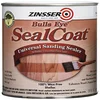
Dewaxed shellac is a sealer that bonds to almost any finish underneath it and gives almost any finish something to grip on top of it. Because it contains no wax, it does not create the adhesion problems that regular shellac can cause under some topcoats. A single coat of dewaxed shellac — Zinsser SealCoat is the most common premixed version — between the polyurethane and the lacquer stops the lacquer solvents from ever reaching the polyurethane film directly.
- Confirm the polyurethane is at least touch-dry and sandable: wait the full 24–48 hours the product label recommends before doing anything else.
- Scuff-sand with 320-grit sandpaper: knock down the sheen just enough for the shellac to grip — you are not trying to sand through the poly.
- Wipe the dust off with a tack cloth, or see our guide on how to remove dust and residue from a finished surface if grime has built up.
- Brush or wipe on one thin coat of dewaxed shellac and let it dry — SealCoat is typically dry to the touch in 30 minutes and recoatable within an hour.
- Scuff the dried shellac lightly with 400-grit if it feels rough, then spray or brush your lacquer topcoats as you normally would.
As an Amazon Associate we earn from qualifying purchases.
Can You Put Polyurethane Over Lacquer Instead?
Going the other direction is generally worse, not better. Polyurethane does not melt into the coat below it the way lacquer does, and it does not bond well to a lacquer film — the poly coat is prone to peeling and flaking off in sheets, sometimes months after it looked fine. If you need to protect an existing lacquer finish with something more durable, an alkyd (oil-based) varnish bonds to lacquer far more reliably than polyurethane does, or you can use the same dewaxed shellac barrier coat described above before adding polyurethane on top.
Step-by-Step: Applying Lacquer Over Cured Polyurethane Safely
Once the shellac barrier coat above is dry, apply the lacquer itself the same way you would over any properly sealed surface.
- Test on scrap first: spray a small section of scrap wood finished the same way and let it sit 24 hours before committing to the full piece.
- Thin the first coat: a light first coat (or a 10–15% thinned mist coat for spray lacquer) tacks the shellac without flooding it.
- Let each coat dry fully before the next — most lacquers are recoatable in 30–60 minutes, but check the can.
- Scuff-sand between coats with 320- to 400-grit paper once you have two or more coats down, then wipe away dust.
- Build 2–3 thin coats rather than one heavy one — thin coats are far less likely to trap solvent against the barrier coat underneath.
Common Problems: Bubbling, Peeling, and Fisheyes
Most failures trace back to one of three causes: the polyurethane wasn’t actually cured, the lacquer was sprayed too heavily in one pass, or there was no barrier coat at all. Bubbling and fisheyes usually appear within minutes of spraying as the solvent reacts with the poly beneath it; peeling can show up days or weeks later as the film keeps curing unevenly.
| Problem | Likely Cause | Fix |
|---|---|---|
| Bubbling or fisheyes right after spraying | No barrier coat, or polyurethane not fully cured | Strip back to bare poly if possible, add a dewaxed shellac coat, and re-spray thin coats |
| Peeling days or weeks later | Solvent trapped under a thick lacquer coat | Sand back to the peeling edge, reseal with shellac, rebuild with thinner coats |
| Cloudy or hazy finish | Humidity or spraying too heavy a coat | Let it fully cure, then rub out with fine abrasive once hard |
Frequently Asked Questions
Can you use lacquer over polyurethane?
Yes, but only safely with a barrier coat. Lacquer solvents can soften even fully cured polyurethane, causing bubbling or peeling. Sand the polyurethane, seal it with dewaxed shellac, then apply lacquer over the shellac once it has dried.
What happens if you apply lacquer over polyurethane without a barrier coat?
The lacquer solvents can attack the polyurethane film directly, which often shows up as bubbling or fisheyes within minutes of spraying, or as peeling days to weeks later as the finish keeps reacting underneath.
How long should polyurethane cure before applying lacquer?
Polyurethane is usually dry to the touch in 24 to 48 hours, but a full cure can take up to 30 days. Even after 30 days, lacquer solvents can still soften the film, which is why a dewaxed shellac barrier coat is the more reliable fix than waiting alone.
Is lacquer more durable than polyurethane?
No, polyurethane generally holds up better on high-traffic surfaces because its film is thicker and more scratch-resistant. Lacquer dries faster and repairs more easily since new coats melt into the old finish, but it scratches more easily day to day.
Can you put polyurethane over lacquer instead?
It is not recommended. Polyurethane doesn’t bond well to a lacquer film underneath it and tends to peel or flake off over time. An alkyd (oil-based) varnish, or a dewaxed shellac barrier coat first, both bond to lacquer more reliably.
What is the best barrier coat between polyurethane and lacquer?
Dewaxed shellac, such as Zinsser Bulls Eye SealCoat, is the standard barrier coat. It bonds to cured polyurethane underneath it and gives lacquer a surface to adhere to on top, without the wax-related adhesion problems of regular shellac.
Conclusion
Lacquer over polyurethane can work, but treating “fully cured” as the only requirement is what causes most of the bubbling and peeling problems people run into. A thin coat of dewaxed shellac between the two finishes removes the guesswork — it seals the polyurethane and gives the lacquer something reliable to bond to, whether you are waiting out the cure time or not. Test on scrap first, build thin coats, and the combination holds up fine.
Sponsored / affiliate links. As an Amazon Associate I earn from qualifying purchases. I may earn additional commission from eligible campaigns.