Poplar Tree Vs Birch: Which is Best for Your Landscape?
Poplar trees and birch trees are both popular choices for landscaping. Each has its unique features and benefits.
Comparing poplar and birch trees helps you decide which fits your needs best. These trees differ in growth habits, appearance, and care requirements. Understanding their differences can make your decision easier and your landscape more beautiful. Let’s explore the characteristics of poplar and birch trees to help you choose the right one for your garden or project.
This guide will provide insights into their growth patterns, leaf shapes, and other unique traits. By the end, you’ll have a clear idea of which tree suits your space.

Credit: www.pinterest.com
Introduction To Poplar And Birch Trees
Poplar and birch trees offer distinct characteristics and benefits. Poplars grow rapidly and thrive in various environments. Birch trees, known for their beautiful bark, prefer cooler climates.
Brief Overview
Poplar and birch trees are common in many areas. Poplar trees grow fast and are tall. They have broad leaves. Birch trees have thin, white bark. Their leaves are small and heart-shaped. Both trees are important in nature. They provide shade and shelter. Animals like birds and squirrels live in them.
Importance In Landscaping
Poplar trees are popular in landscaping. They grow quickly and provide shade. Birch trees add beauty with their white bark. They look nice in gardens and parks. Both trees help keep the air clean. They absorb carbon dioxide. They also prevent soil erosion. Their roots hold the soil in place.

Credit: www.homestratosphere.com
Poplar Tree Characteristics
Poplar trees grow fast. They can reach up to 100 feet. They prefer moist soil. They thrive near rivers. Poplars have a broad crown. Their branches spread wide. They grow straight and tall.
Poplar leaves are oval-shaped. They are green in summer. Turn yellow in fall. The bark is smooth. It is grayish-white. Poplar bark can be thin. It peels easily. Leaves have a shiny surface. They flutter in the wind.
Birch Tree Characteristics
Birch trees have distinctive white bark that peels in layers. Their leaves are small, triangular, and serrated. Poplar trees, in contrast, often have a smoother bark and larger, heart-shaped leaves.
Growth Patterns
Birch trees grow quickly. They can reach up to 50 feet tall. Their branches spread wide. Birch trees like cool, moist areas. They grow well near rivers and lakes. They can live up to 40 years. Birch trees need lots of sunlight.
Leaf And Bark Features
Birch leaves are small and oval. They have a pointed tip. The leaves turn yellow in fall. Birch bark is thin and smooth. It peels off in layers. The bark can be white, yellow, or silver. It has dark marks called lenticels.

Credit: www.youtube.com
Climate And Soil Preferences
Poplar trees thrive in moist, well-drained soil and prefer warm climates. Birch trees grow best in cooler regions and like acidic, sandy soil.
Poplar Tree Requirements
Poplar trees thrive in temperate climates. They prefer well-drained soil. Sandy or loamy soil is ideal. Poplars need full sun to grow well. They are fast-growing trees. Regular watering is essential.
Birch Tree Requirements
Birch trees grow well in cooler climates. They prefer moist soil. Clay or silt soil suits them best. Birches need partial shade. They are medium-growing trees. Consistent moisture is key for their health.
Maintenance And Care
Poplar trees grow fast. This means they need regular pruning. Cut away dead branches. This helps the tree stay healthy. Water the tree often. Make sure the soil is moist. Poplar trees also need fertilizer. Use it in spring and fall. Watch for pests. Use treatments if needed.
Birch trees need cool, moist soil. Water them often. Keep the soil from drying out. Prune in late fall or winter. Remove dead branches. Birch trees are prone to pests and diseases. Check the tree often. Use treatments to keep it healthy. Fertilize in spring. This helps the tree grow well.
Pests And Diseases
Poplar trees often face problems with leaf spots and canker diseases. These issues can make leaves turn yellow and fall early. Aphids and caterpillars also attack poplar trees. These pests eat leaves and can weaken the tree. Poplar trees can suffer from root rot if soil is too wet. This makes roots soft and weak.
Birch trees often get bronze birch borers. These insects bore into the tree and cause damage. Leaf miners are another common pest. They create tunnels inside leaves. Birch trees can get leaf blight. This disease causes brown spots and kills leaves. Powdery mildew is a problem too. It makes a white powder on leaves.
Aesthetic Appeal
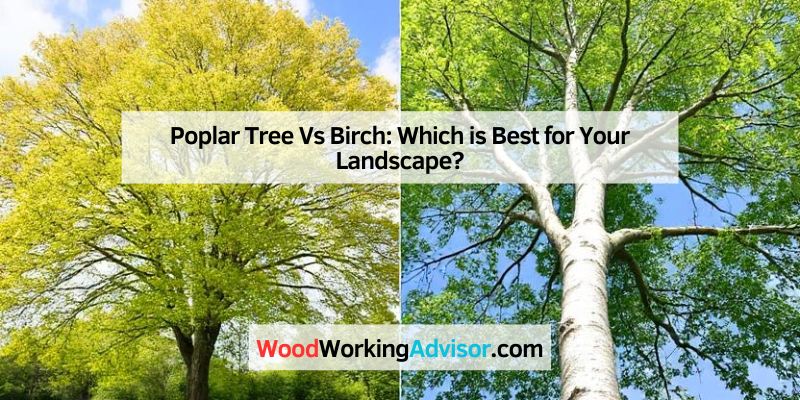
Poplar trees display a sleek, tall form with shimmering leaves, adding elegance to landscapes. Birch trees, with their distinctive white bark and delicate branches, bring a touch of grace and charm.
Visual Differences
Poplar trees have tall, straight trunks. Their leaves are heart-shaped. Birch trees have white bark. It peels off in thin strips. Their leaves are small and triangular. Poplars grow quickly. They are often used for shade. Birches are slower to grow. They are prized for their unique bark.
Seasonal Changes
Poplar leaves turn golden in fall. They fall off early. Birch leaves turn bright yellow. They stay longer on the tree. In winter, birch bark stands out. It looks striking against snow. Poplar trunks are grey and less noticeable.
Environmental Impact
Poplar trees grow fast. They help reduce air pollution. Their roots stop soil erosion. These trees provide shade. They also offer homes for birds. Poplar trees can be used in bioenergy.
Birch trees help clean the air. Their leaves turn beautiful colors in fall. Birch trees support insects and birds. They grow in many soils. Birch trees can also stop soil erosion. They provide wood for furniture and tools.
Frequently Asked Questions
Are Poplar And Birch Similar?
Poplar and birch trees are similar in appearance but differ in wood properties and uses. Poplar is softer, birch is harder.
How Do You Identify A Poplar Tree?
Identify a poplar tree by its tall, straight trunk and triangular leaves with serrated edges. The bark is smooth and light gray.
What Tree Is Mistaken For A Birch Tree?
Aspen trees are often mistaken for birch trees. Both have white bark and similar leaf shapes.
What Are The Cons Of A Poplar Tree?
Poplar trees have weak wood prone to breakage. Their shallow roots can damage sidewalks and foundations. They also produce allergenic pollen.
Conclusion
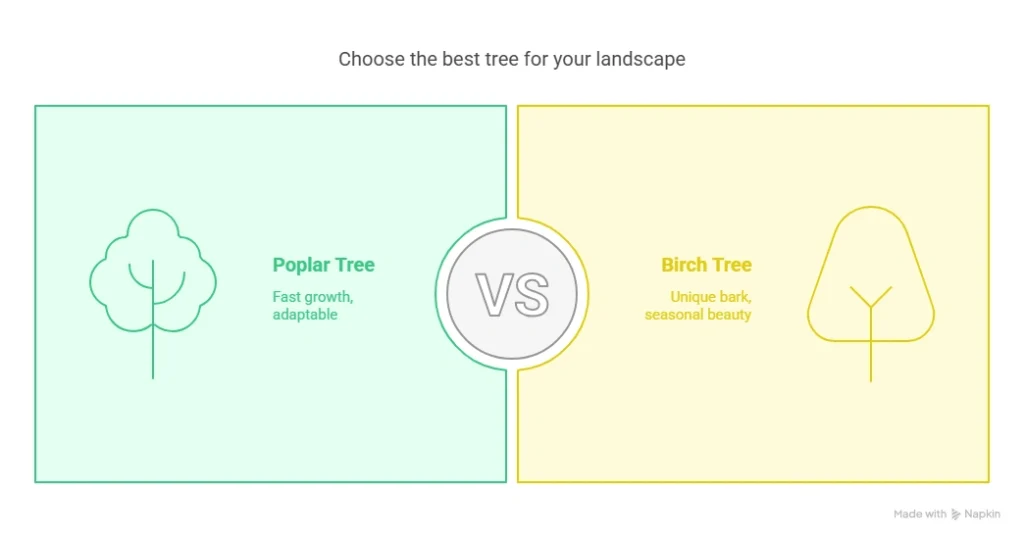
Choosing between poplar and birch trees depends on your needs. Poplar trees grow fast and are great for shade. Birch trees offer stunning beauty with their white bark. Both have unique benefits. Consider your climate and space before deciding. Poplar suits larger areas, while birch fits smaller gardens.
Think about maintenance too. Poplars need more care. Birches thrive with less attention. Evaluate your priorities and make an informed choice. Happy planting!