African Mahogany vs Sapele: Which Should You Buy?
Sapele is the harder, heavier, stronger wood, and African mahogany (Khaya) is the softer, calmer one to work. On the Janka scale sapele measures 1,360 lbf against 850 lbf for Khaya, which is a real gap you will feel at the bench.
Both are African hardwoods that get sold as mahogany substitutes, and neither is the Swietenia mahogany used in old Chippendale furniture. This page compares only those two African woods using published Wood Database figures. If you are weighing sapele against genuine American mahogany instead, see our genuine mahogany vs sapele guide.
Older versions of this article claimed sapele rots faster and warps more than Khaya. The numbers below correct part of that story: sapele does move more, but its decay rating is not worse.
African Mahogany vs Sapele: Quick Verdict
Best Tearout Cleanup Pick |
|
 |
Bahco 474 6″ Cabinet Scraper, Chrome-Nickel Steel Both woods have interlocked grain that can tear under a plane. A sharp scraper shaves those torn patches level without the fine dust that sanding creates.
|
As an Amazon Associate we earn from qualifying purchases.
Choose African mahogany (Khaya) for lighter furniture, interior trim, carved parts and projects where easy machining and a softer, warmer look matter more than hardness. Choose sapele for tabletops, doors, stair parts and flooring-type surfaces that need to resist dents, or when you want the ribbon stripe and figured patterns sapele is known for.
Side-by-Side Numbers
Here are the published figures, followed by what they mean in practice. The final column is our own arithmetic, not a measured test.
| Property | African mahogany (Khaya) | Sapele | Sapele vs Khaya |
|---|---|---|---|
| Janka hardness | 850 lbf | 1,360 lbf | about 1.6x harder |
| Average dried weight | 33.9 lbs/ft3 (545 kg/m3) | 41.6 lbs/ft3 (665 kg/m3) | about 23% heavier |
| Modulus of rupture | 11,730 lbf/in2 | 16,070 lbf/in2 | about 37% stronger in bending |
| Crushing strength | 6,570 lbf/in2 | 8,540 lbf/in2 | about 30% higher |
| Radial / tangential shrinkage | 3.4% / 5.7% | 5.2% / 7.2% | sapele moves more |
| Volumetric shrinkage | 9.3% | 12.9% | about 39% more |
| T/R ratio | 1.7 | 1.4 | sapele shrinks more evenly |
| Grain | Straight to interlocked, medium to coarse | Interlocked, sometimes wavy, fine and uniform | sapele is finer but trickier |
| Decay resistance | Moderately durable | Moderately to very durable | sapele equal or better |
| Conservation | CITES Appendix II, IUCN vulnerable | IUCN vulnerable, not CITES-listed | Khaya has extra trade paperwork |
What the Numbers Mean for Your Project
Dent resistance and strength
At 1,360 lbf, sapele is about 1.6 times harder than Khaya at 850 lbf, and its bending strength (16,070 vs 11,730 lbf/in2) is roughly a third higher. A Khaya tabletop will show dents from dropped keys and chair legs sooner than a sapele one. For a headboard, mirror frame or decorative cabinet, that extra hardness rarely matters.
Seasonal movement: the corrected myth
Sapele shrinks more overall: 12.9% volumetric against 9.3% for Khaya. As an upper bound from green to oven-dry, a 12 inch wide flatsawn board could shrink about 0.68 inches in Khaya (5.7% tangential) and about 0.86 inches in sapele (7.2%). Real furniture only cycles through a small slice of that range, but sapele will move roughly a quarter more per point of moisture change.
The twist is the T/R ratio. Sapele’s is 1.4 against Khaya’s 1.7, and a lower ratio means the wood shrinks more evenly between the tangential and radial directions, which generally helps a board stay flat. Movement is larger, but less lopsided.
Decay resistance
Wood Database rates Khaya as moderately durable and sapele as moderately to very durable, with moderate insect resistance listed for sapele and moderate to poor for Khaya. So sapele is not the weaker choice for rot, contrary to some older advice, though neither is a substitute for teak or a proper exterior finish outdoors. If you plan outdoor use, read our guide to finishing sapele first.
Color, Grain and Looks
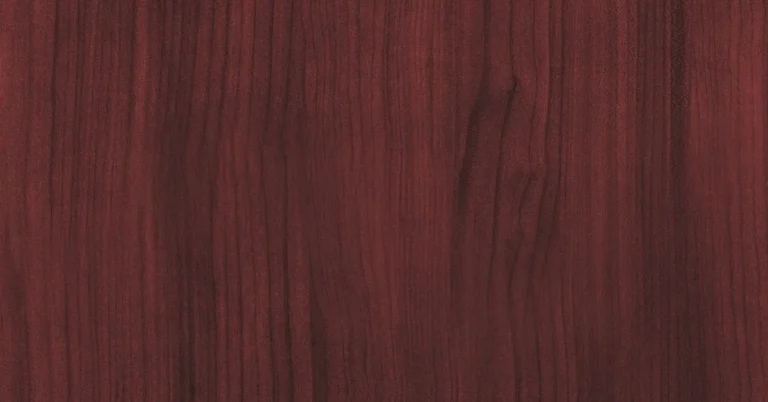
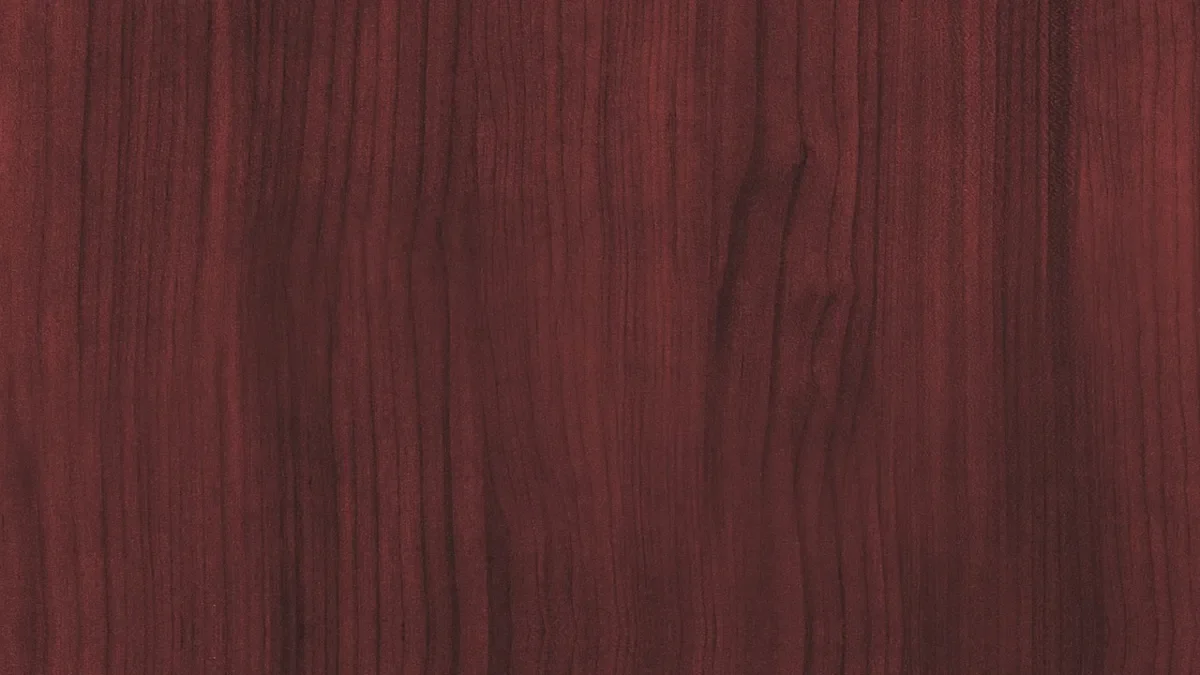
Khaya heartwood runs from pale pink to a deeper reddish brown, sometimes with darker streaks, and has a medium to coarse texture with strong chatoyancy, the shimmer that shifts as you move the board. Quartersawn faces can show ribbon stripe.
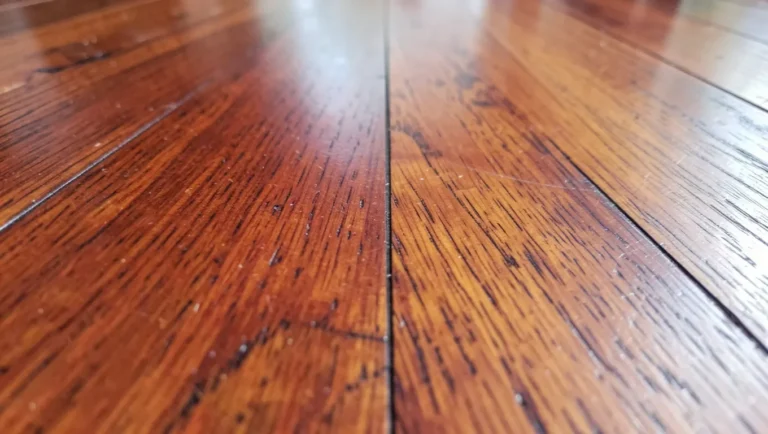
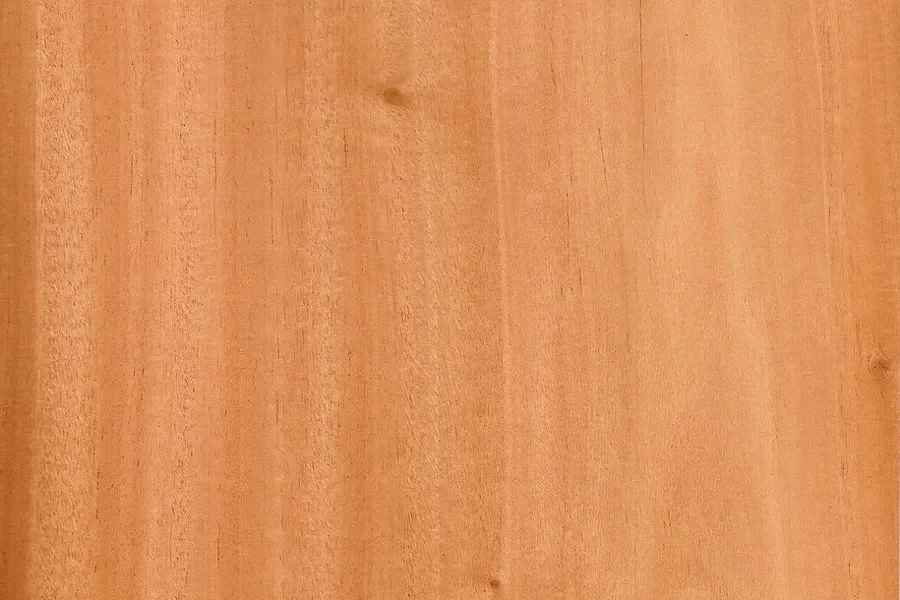
Sapele is golden to dark reddish brown and darkens with age. Its interlocked grain gives fine, uniform texture, good natural luster and the figure types woodworkers look for, including pommele, quilted, mottled, wavy and fiddleback. Sapele generally looks more dramatic, and Khaya looks quieter and more traditional.
Working Both Woods in the Shop
Both species have interlocked grain, so both can tear out when a plane or jointer runs against a reversing grain layer. Wood Database calls Khaya generally easy to work, with tearout possible, and describes sapele as more troublesome, with tearout from its interlocked grain and a slight blunting effect on cutters.
Practical tips
Take light passes with a sharp, well-tuned edge and a tight mouth on your plane. Use a scraper or card scraper to clean up torn patches rather than sanding through them. Sapele also reacts with iron, so it can stain dark where bare steel touches damp wood, which matters for clamps and screws.
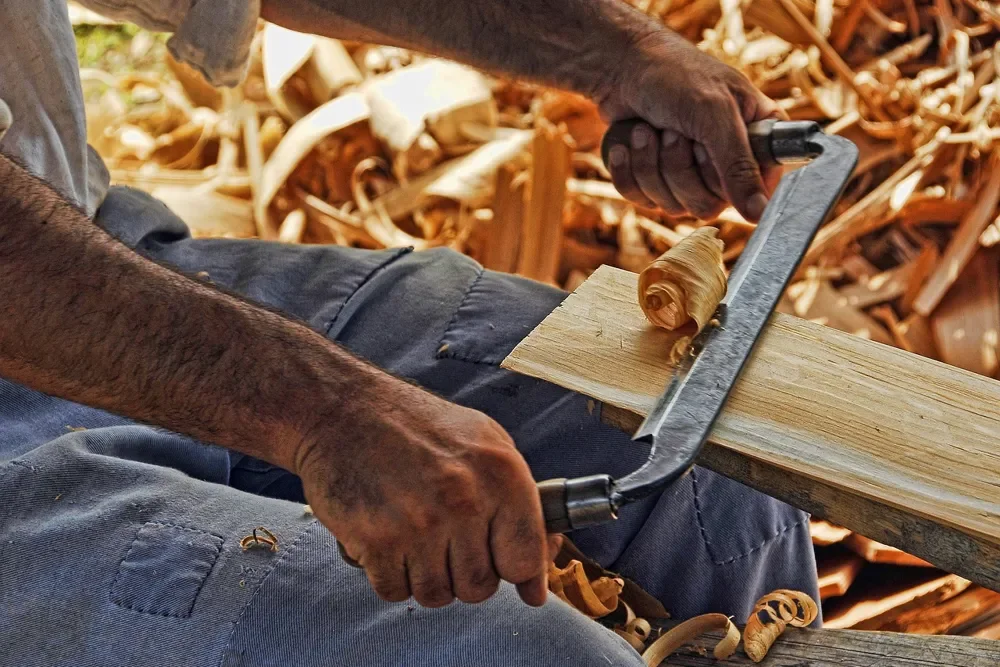
Both woods glue, turn and finish well according to Wood Database. Because both irritate some people, use dust collection and a respirator when sanding or machining, and wear gloves if you notice skin reactions. Our African mahogany overview covers Khaya in more depth.
Cost, Availability and Sourcing
Wood Database lists Khaya as moderately priced for an imported hardwood, available as lumber, plywood and veneer. Sapele is likewise moderately priced as standard lumber, though highly figured sapele veneer is extremely expensive. Check current per-board-foot pricing with your local hardwood dealer, since prices vary by grade and region.
On conservation, Khaya species are listed on CITES Appendix II and the IUCN Red List as vulnerable, while sapele is IUCN vulnerable but not CITES-listed. In practice that means Khaya can carry extra export paperwork. If you want certified stock, ask suppliers for FSC-certified boards. You can also compare Khaya with the Central American species in our African mahogany vs genuine mahogany comparison.
Best Uses by Project Type
Wood Database lists veneer, plywood, furniture, boatbuilding and interior trim as common uses for Khaya. For sapele it lists veneer, plywood, furniture, cabinetry, flooring, boatbuilding, musical instruments and turned objects. The overlap is large, so the deciding factor is usually wear and workability rather than what the species is technically used for.
Choose Khaya when
You are building a bookcase, blanket chest, picture frames, molding or a carved piece, and you want a wood that cuts and planes more forgivingly. Its lower weight, 33.9 lbs per cubic foot against 41.6 for sapele, also makes large panels and doors easier to handle in a small shop.
Choose sapele when
The surface will take daily wear, such as a dining table, desk top, stair tread or cabinet door that gets banged around. The higher Janka rating and bending strength give more margin, and the figure types available in sapele, from ribbon stripe to quilted, can carry a project without extra decoration.
Buying tips for either wood
Because both species are sold under loose mahogany names, ask the yard for the botanical name on the invoice. Pick boards in person if you can, since interlocked grain and color vary a lot from board to board. Buy a little extra to allow for tearout and for matching color, and let the boards acclimate in your shop before milling.
Which Should You Choose?
Pick Khaya if you want easier machining, a lighter board, a traditional look and a project that will not see heavy wear. Pick sapele if you need hardness and strength, want figured or ribbon-stripe grain, and are comfortable managing tearout and a bit more seasonal movement.
Frequently Asked Questions
Is sapele harder than African mahogany?
Yes. Wood Database lists sapele at 1,360 lbf Janka against 850 lbf for African mahogany, so sapele is about 1.6 times harder, and it is also heavier and stronger in bending.
Is African mahogany real mahogany?
No. African mahogany is the genus Khaya, while genuine mahogany is Swietenia from the Americas. Sapele (Entandrophragma cylindricum) is a separate African genus again, so neither wood in this comparison is true mahogany.
Which is easier to work by hand, Khaya or sapele?
Khaya is generally easier to work, though its interlocked grain can still tear out. Sapele has a finer texture but its interlocked grain is more troublesome and has a slight blunting effect on cutters.
Does sapele rot faster than African mahogany?
Not according to Wood Database ratings. Sapele is rated moderately to very durable against decay, while Khaya is rated moderately durable, so the old claim that sapele decays faster is not supported.
Which wood is better for outdoor furniture?
Neither is a top outdoor wood untreated. Sapele has the equal-or-better decay rating and higher strength, but it moves more with moisture, so use a proper exterior finish and design joints to allow movement.
Are these woods safe to sand and cut indoors?
Both can irritate. Wood Database reports Khaya as a possible sensitizer causing eye and skin irritation and sapele as a skin and respiratory irritant, so use dust collection and a respirator when machining or sanding.
Final Thoughts
Sapele wins on hardness, strength and figure. Khaya wins on ease of work and a calm, traditional look. Neither is true mahogany, and neither deserves the blanket claims older articles made about rot and warping. Match the wood to how the piece will be used and you will be happy with either.
Sponsored / affiliate links. As an Amazon Associate I earn from qualifying purchases. I may earn additional commission from eligible campaigns.