Prefinished Hardwood Flooring Vs Unfinished: Ultimate Guide
Prefinished hardwood flooring is already sanded, stained, and coated with polyurethane in a factory, making for a quick and simple installation. On the other hand, unfinished hardwood flooring is raw wood that must be installed first and requires on-site finishing.
If you prioritize convenience and ease of installation, prefinished flooring is the better choice. However, if you anticipate the need to refinish the floors in the future or are concerned about moisture damage, unfinished hardwood may be the smarter option.
Prefinished floors may cost more initially, but when factoring in finishing costs, unfinished hardwood can end up being more expensive. These two types of flooring also differ in terms of appearance, maintenance, and installation requirements.
Introduction To Prefinished And Unfinished Hardwood Flooring
Prefinished hardwood flooring is already sanded, stained, and coated with polyurethane in a factory, making installation quick and easy. On the other hand, unfinished hardwood is raw wood that needs to be installed and finished on-site. If you prioritize convenience and a seamless finish, prefinished flooring is the better choice.
However, if you anticipate the need for future refinishing or are concerned about moisture damage, unfinished hardwood may be the smarter option.
The Basics Of Prefinished Hardwood
Prefinished hardwood flooring refers to flooring that has already been sanded, stained, and coated with a protective layer in a factory. This means that the flooring is ready to be installed as soon as it arrives at your home or business. Prefinished hardwood offers several advantages over unfinished hardwood, making it a popular choice for many homeowners and contractors.
Here are some key points to know about prefinished hardwood flooring:
1. Convenience: Prefinished hardwood is ready to be installed immediately, saving you time and effort. There is no need to wait for the finish to dry or endure the odors and mess associated with on-site finishing.
2. Durability: Prefinished hardwood is coated with multiple layers of protective finish, providing excellent durability and resistance to wear and tear. This makes it more resistant to scratches, stains, and moisture compared to unfinished hardwood.
3. Consistency: Since prefinished hardwood is manufactured in a controlled environment, the finish and color are consistent throughout the entire flooring. This ensures a uniform appearance and eliminates the possibility of variations in color or finish that can occur with on-site finishing.
4. Warranty: Prefinished hardwood often comes with a manufacturer’s warranty, offering additional peace of mind and protection against defects.
The Basics Of Unfinished Hardwood
Unfinished hardwood flooring, also known as site-finished hardwood, refers to flooring that is installed first and then sanded, stained, and finished on-site. This allows for customization and flexibility in terms of the stain color and finish options. Unfinished hardwood offers its own set of advantages and is preferred by some homeowners and contractors.
Here are some key points to know about unfinished hardwood flooring:
1. Customization: With unfinished hardwood, you have the freedom to choose the exact stain color and finish that matches your desired aesthetic. This allows for greater customization and flexibility in achieving the look you desire.
2. Seamless Finish: Unfinished hardwood offers a seamless finish since the sanding and finishing process is done after the flooring is installed. This can result in a smoother and more uniform appearance compared to prefinished hardwood.
3. Repairability: Unfinished hardwood can be easily repaired and refinished in the future if necessary. This allows for the removal of scratches, stains, or any damage that may occur over time.
4. Moisture Protection: By finishing the hardwood on-site, you can ensure that the edges and gaps between the boards are properly sealed, providing better protection against moisture and potential damage.
In conclusion, both prefinished and unfinished hardwood flooring have their own advantages and considerations. The choice between the two depends on factors such as installation time, customization options, durability, and personal preferences.
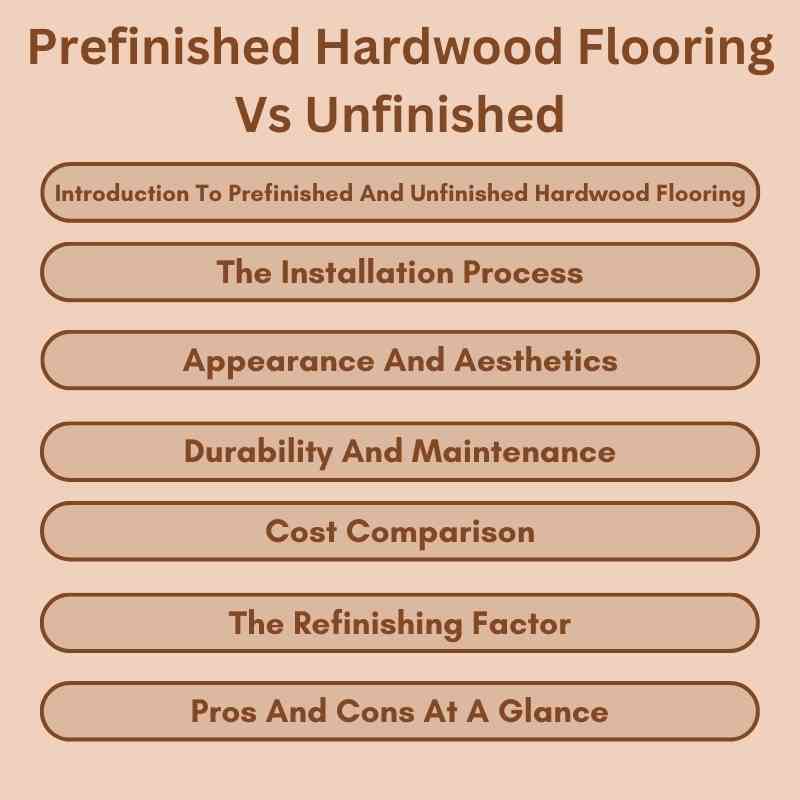
The Installation Process
The installation process of prefinished and unfinished hardwood flooring varies significantly in terms of time, effort, and convenience. Understanding the differences between the two options can help you make an informed decision based on your specific needs and preferences.
Installing Prefinished Hardwood
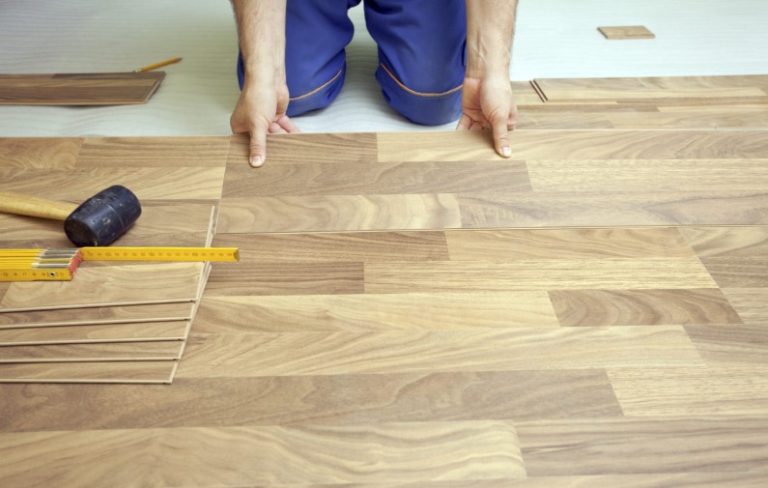
When installing prefinished hardwood flooring, the process is relatively quick and straightforward. The boards come already sanded, stained, and coated with polyurethane in a factory. This means that the installation team simply needs to cut the pieces to the appropriate lengths and then secure them to the subfloor. The prefinished nature of the wood eliminates the need for sanding, staining, or coating on-site, making it a faster and more convenient installation process.
Installing Unfinished Hardwood
Conversely, the installation of unfinished hardwood flooring involves more labor and time. Raw wood is delivered to the site, and the installation team must first sand, stain, and apply the finish on-site. This process can be more time-consuming and may also result in additional costs for the labor and materials required to complete the finishing process. However, some homeowners prefer unfinished hardwood as it allows for more customization and flexibility in achieving the desired look and finish.
Appearance And Aesthetics
When choosing between prefinished and unfinished hardwood flooring, the appearance and aesthetics play a crucial role in the decision-making process. Understanding the visual differences, customization options, and style considerations is essential for making an informed choice.
Visual Differences Between Prefinished And Unfinished
- Uniform finish due to factory application
- Consistent appearance across the entire floor
- Smooth, flawless surface with no gaps or variations
- Natural, raw wood look before finishing process
- Potential for visible seams and imperfections
- Opportunity to customize the finish according to personal preferences
Customization And Style Considerations
- Limited customization options due to factory-applied finish
- Available in a wide range of pre-stained colors and finishes
- Suitable for those seeking a convenient, ready-to-install solution
- Allows for personalization through custom staining and finishing
- Enables unique color matching to existing décor or design preferences
- Provides flexibility for achieving a tailored, one-of-a-kind look
Durability And Maintenance
When it comes to choosing between prefinished and unfinished hardwood flooring, considering the durability and maintenance is crucial. Let’s delve into the key factors that differentiate the two options.
Resistance To Scratches And Dents
- Coated with aluminum oxide or other strong finishes
- Resistant to scratches and dents
- Less susceptible to damage from heavy foot traffic
- Requires on-site sanding and finishing
- More prone to scratches and dents before finishing
- May need additional protective coatings for enhanced durability
Longevity Of Prefinished Vs. Unfinished Hardwood
- Durable factory-applied finish
- Enhanced resistance to wear and tear
- Longer lifespan without the need for refinishing
- Requires on-site finishing for full protection
- Potential for early wear and tear before finishing
- May need refinishing sooner due to initial exposure to environmental factors
Cost Comparison
When comparing the cost of prefinished hardwood flooring versus unfinished, it’s important to consider the initial cost as well as the finishing costs. While prefinished hardwood may have a higher upfront cost, it eliminates the need for additional finishing, making it a more convenient and potentially cost-effective option in the long run.
Unfinished hardwood, on the other hand, requires installation and finishing, which can add to the overall cost.
When it comes to choosing between prefinished and unfinished hardwood flooring, one of the most important factors to consider is cost. Let’s take a closer look at the initial costs and long-term financial considerations of each option.
Initial Costs Of Prefinished And Unfinished Hardwood:
Prefinished hardwood floors are more expensive than unfinished hardwood floors. This is because prefinished floors have already been sanded, stained, and coated with polyurethane in a factory. All that needs to be done during installation is cutting the pieces to appropriate lengths and fastening them to the subfloor. On the other hand, unfinished hardwood is raw wood that must be sanded, stained, and finished on-site, which requires additional labor and materials. Therefore, the initial cost of unfinished hardwood is lower than prefinished hardwood.
Long-term Financial Considerations:
While the initial cost of prefinished hardwood may be higher, it can save you money in the long run. Prefinished hardwood floors are more durable and resistant to scratches, dents, and moisture damage compared to unfinished hardwood. This means that prefinished floors will require less maintenance and fewer repairs over time. Additionally, prefinished floors typically come with longer warranties than unfinished floors.
Unfinished hardwood floors, on the other hand, can be a better financial choice if you plan on refinishing your floors in the future. Since unfinished floors haven’t been finished yet, they can be sanded and refinished multiple times, which can extend their lifespan and save you money in the long run.
In conclusion, while prefinished hardwood floors may have a higher initial cost, they can save you money in the long run due to their durability and resistance to damage. Unfinished hardwood floors may be a better choice if you plan on refinishing your floors in the future. Ultimately, the choice between prefinished and unfinished hardwood flooring comes down to your personal preferences and financial situation.
The Refinishing Factor
When choosing between prefinished and unfinished hardwood flooring, there are pros and cons to consider. Prefinished flooring is easier to install, but unfinished flooring allows for a customized, seamless finish. However, unfinished flooring is more prone to scratches and dents.
Ultimately, the choice depends on personal preference and needs.
Ease Of Refinishing For Both Types
Refinishing is an essential part of maintaining hardwood floors. However, the process is easier for prefinished hardwood floors than unfinished ones. Prefinished hardwood floors have already been sanded, stained, and sealed with a protective layer in the factory, making refinishing a breeze. On the other hand, unfinished hardwood floors require sanding, staining, and sealing after installation, which can be a time-consuming and messy process.
The Impact Of Refinishing On Lifespan
Refinishing can significantly impact the lifespan of your hardwood floors. Refinishing prefinished hardwood floors can extend their lifespan by up to 15 years. However, refinishing unfinished hardwood floors can shorten their lifespan because sanding removes a significant amount of the wood’s thickness.
Refinishing can also affect the appearance of your hardwood floors. If you refinish your prefinished hardwood floors, it will not look exactly like it did when you first purchased it. On the other hand, refinishing unfinished hardwood floors can give you more control over the final look of your floors.
In conclusion, prefinished hardwood floors are easier to refinish than unfinished ones, but refinishing unfinished hardwood floors can give you more control over the final look of your floors. Refinishing can extend the lifespan of prefinished hardwood floors but can shorten the lifespan of unfinished ones.
Pros And Cons At A Glance
When choosing between prefinished hardwood flooring and unfinished hardwood flooring, it’s essential to weigh the pros and cons of each option. Here’s a quick overview of the advantages of prefinished and unfinished hardwood flooring to help you make an informed decision.
Advantages Of Prefinished Hardwood
Prefinished hardwood flooring offers several benefits, making it a popular choice for many homeowners. Here are the advantages of prefinished hardwood flooring:
- Quick and convenient installation
- No need for sanding, staining, or finishing on-site
- Uniform finish and coating applied in a controlled factory environment
- Enhanced durability and scratch resistance due to multiple layers of finish
- Minimal disruption during installation
- Wide range of styles, finishes, and colors to choose from
Advantages Of Unfinished Hardwood
While unfinished hardwood flooring requires additional steps during installation, it also comes with its own set of advantages. Here are the advantages of unfinished hardwood flooring:
- Customization options, including the ability to choose the stain color and finish type
- Seamless, smooth finish without beveled edges
- Potential for a more tailored and personalized appearance
- Ability to address imperfections or variations in the subfloor during installation
- Potential cost savings upfront due to the lower price of unfinished hardwood
Environmental And Health Considerations
When considering environmental and health factors, there are important considerations to make when choosing between prefinished and unfinished hardwood flooring. Prefinished hardwood floors are already sanded, stained, and coated with polyurethane in a factory, making for a quicker and simpler installation.
On the other hand, unfinished hardwood requires on-site finishing and allows for more customization. Additionally, prefinished flooring is more resistant to scratches, while unfinished flooring may be more prone to damage from moisture. Overall, the choice depends on personal preferences and specific needs.
Indoor Air Quality And Off-gassing
Prefinished hardwood flooring typically undergoes off-site finishing, which reduces the release of volatile organic compounds (VOCs) during installation. This results in minimal off-gassing and better indoor air quality compared to unfinished hardwood flooring, which requires on-site sanding and finishing that can release higher levels of VOCs.
Eco-friendliness Of Materials And Processes
When it comes to eco-friendliness, prefinished hardwood flooring often employs more efficient use of materials and resources during the manufacturing process. The controlled factory environment allows for better waste management and recycling practices, contributing to a reduced environmental impact. Unfinished hardwood flooring, on the other hand, may lead to more waste and energy consumption during the on-site finishing process.
Making The Right Choice For Your Home
When it comes to choosing between prefinished hardwood flooring and unfinished hardwood flooring, there are several factors to consider. Your decision will have a significant impact on the aesthetics, durability, and maintenance of your floors. Understanding the differences and weighing the pros and cons will help you make an informed choice that aligns with your personal preferences and lifestyle.
Factors To Consider Before Deciding
Before making a decision, it’s essential to consider various factors that can influence the suitability of prefinished or unfinished hardwood flooring for your home. These factors include installation time, customization options, durability, and ease of maintenance. Evaluating these aspects will help you determine which type of hardwood flooring best aligns with your specific needs and requirements.
Personal Preferences And Lifestyle Alignment
Your personal preferences and lifestyle play a crucial role in determining whether prefinished or unfinished hardwood flooring is the right choice for your home. Consider factors such as your design preferences, tolerance for installation disruptions, and long-term maintenance expectations. By aligning your flooring choice with your lifestyle and preferences, you can ensure that your hardwood floors complement your home environment and withstand the demands of your daily life.
Frequently Asked Questions
Is Prefinished Hardwood Worth It?
Prefinished hardwood is worth it if you value quick and easy installation. However, if you anticipate the need for refinishing or are concerned about moisture damage, unfinished hardwood may be a smarter choice. Prefinished floors are more scratch-resistant and come with various finishes.
While they initially cost more, unfinished hardwood requires additional finishing costs.
What Is The Difference Between Prefinished Hardwood And Unfinished?
Prefinished hardwood floors are factory finished with sanding, staining, and coating. They are ready to be installed with no additional finishing required. Unfinished hardwood, on the other hand, is raw wood that must be sanded, stained, and coated on-site. Prefinished floors are more scratch-resistant and have a quicker installation, while unfinished floors allow for a seamless finish and more customization options.
How Long Do Prefinished Hardwood Floors Last?
Prefinished hardwood floors typically last for decades with proper maintenance and care. The factory-applied finish provides durability and protection against scratches and wear. They are a good choice if you want a quick and easy installation. However, if you prefer the option to refinish the floors in the future or are concerned about moisture damage, unfinished hardwood flooring may be a better choice.
Does Prefinished Hardwood Scratch Easily?
Prefinished hardwood flooring is less prone to scratching compared to unfinished hardwood. The factory-applied finish provides added protection against wear and tear. The type of finish used also affects scratch resistance. Options range from oil-based finishes to lacquers, waxes, and varnishes, each offering varying levels of durability.
Conclusion
The choice between prefinished and unfinished hardwood flooring comes down to personal preference and specific needs. Prefinished hardwood flooring offers a quick and easy installation process but may be more costly upfront. Unfinished hardwood flooring allows for customization and on-site finishing but requires more time and effort.
Consider factors such as durability, maintenance, and potential for future refinishing when making your decision. Ultimately, both options can provide beautiful and long-lasting flooring for your home.