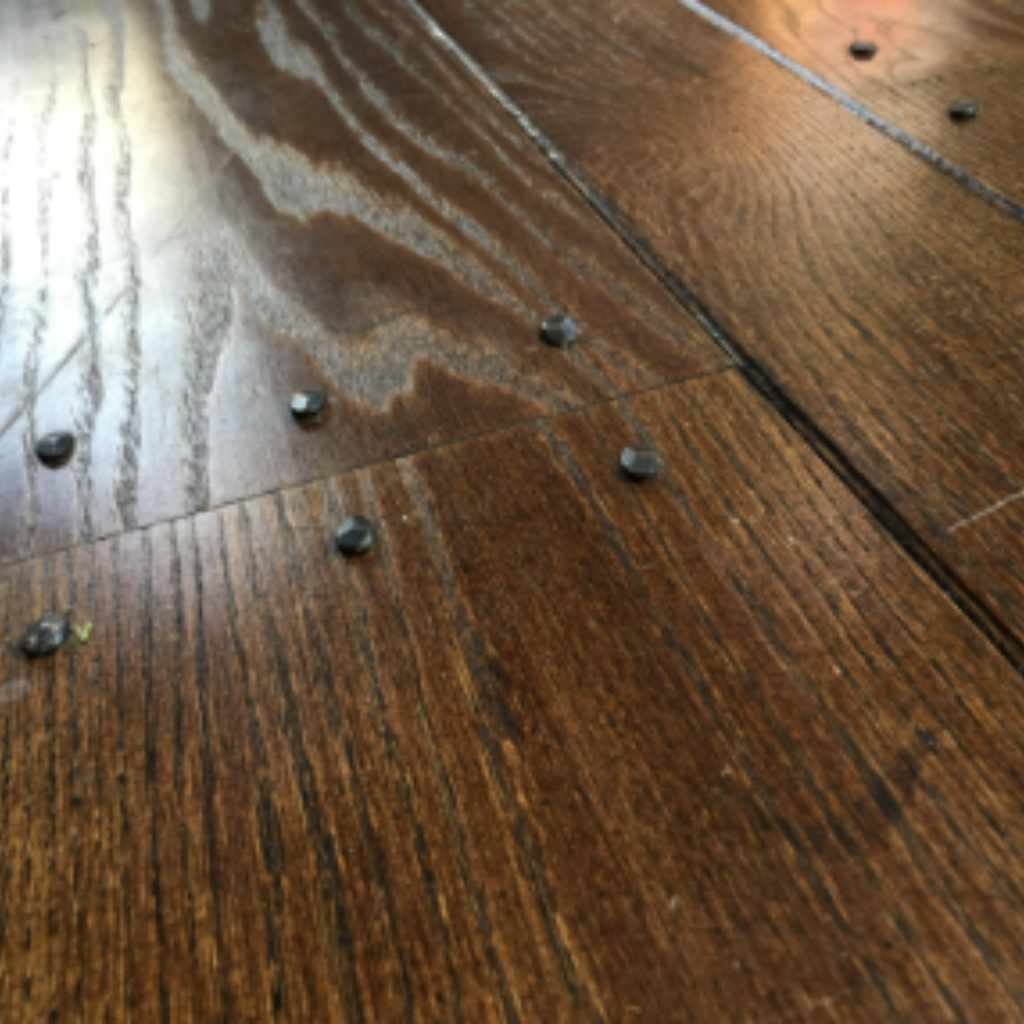
What Nails to Use for 3/4 Hardwood Flooring (NWFA Sizes)
Use 2-inch, 16- or 18-gauge L-cleat nails for 3/4-inch solid hardwood over a wood subfloor — drop to 1-3/4-inch cleats when installing over 3/4-inch plywood on a concrete slab. The wrong gauge splits tongues on hard species like oak and hickory, and undersized nails let boards squeak or lift within a year. This guide covers NWFA-standard cleat sizing, gauge choices, fastener spacing, and when staples are the wrong call.
Best Flooring Cleats for 3/4 Inch Hardwood
Best Flooring Cleats Pick
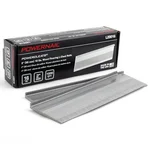 |
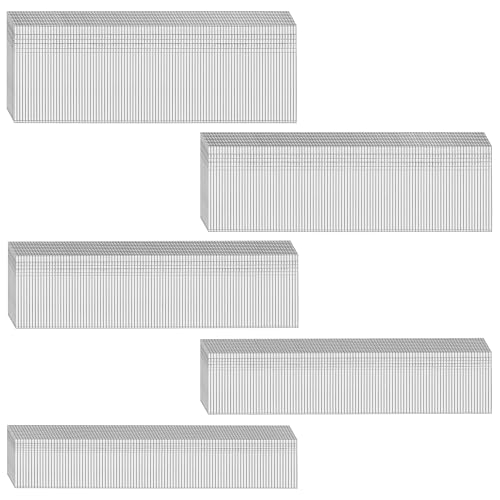
Powernail L20016 16 Gauge 2 Inch Length L-Cleat Nails for Hardwood Flo – $19.72 Genuine Powernail 16-gauge, 2-inch L-cleats sized exactly for 3/4-inch solid hardwood over a wood subfloor, the spec this guide recommends.
|
A pneumatic flooring nailer only performs as well as the cleats loaded into it. Mismatched or off-brand cleats jam more often and hold less securely in dense hardwood. The pick below matches the 2-inch, 16-gauge spec this guide recommends for 3/4-inch solid hardwood over a wood subfloor.
What Size and Gauge Nail Cleats Fit 3/4 Inch Hardwood Flooring?
For standard 3/4-inch solid hardwood over a wood subfloor with joists, use a 2-inch, 16-gauge or 18-gauge L-cleat. The 18-gauge cleat is thinner and displaces less wood fiber going into the tongue, which is why it has become the preferred choice for installers working with dense species like oak, maple, and hickory. When 3/4-inch plywood is glued or screwed directly over a concrete slab, drop to a 1-3/4-inch cleat so the fastener does not punch through the plywood into the slab.
| Subfloor Type | Cleat Length | Gauge | Notes |
|---|---|---|---|
| Wood subfloor over joists | 2 inch | 16 or 18 gauge | Standard for 3/4" solid hardwood; 18-gauge reduces splitting on hard species |
| 3/4" plywood over concrete slab | 1-3/4 inch | 16 or 18 gauge | Shorter length keeps the cleat inside the plywood, away from the slab |
| Softer species / engineered top layer | 1-1/2 inch | 18 gauge | Lighter cleat reduces splitting risk on thinner wear layers |
Cleats vs. Staples: Which Holds 3/4 Hardwood Better?
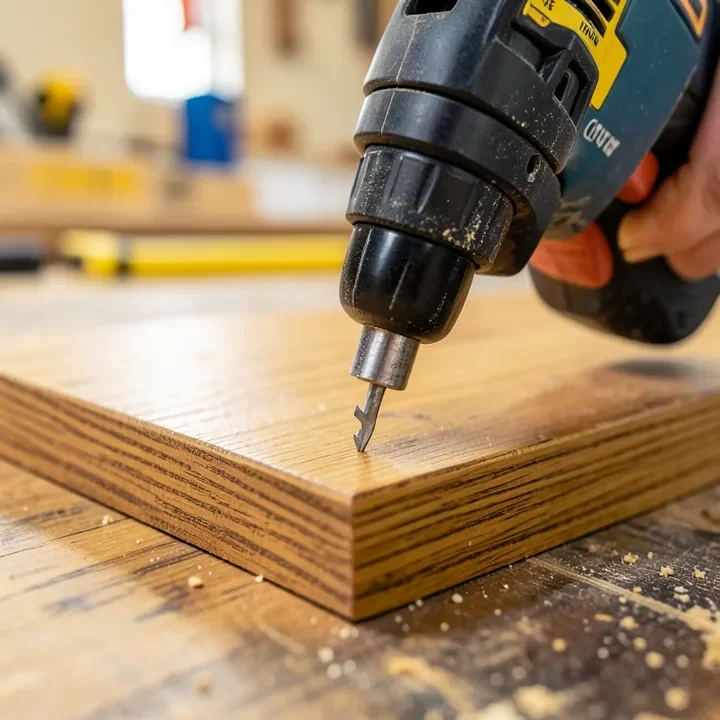
L-cleats are barbed, L-shaped fasteners driven by a flooring nailer that grip the tongue without splitting it, which is why the NWFA and most flooring nailer manufacturers recommend them as the default for solid 3/4-inch hardwood. Staples drive faster and cost less, but the two-pronged crown can crack the tongue on hard species like oak and hickory, and they pull out more easily under seasonal wood movement.
| Fastener | Split Risk on Hardwood | Holding Power | Best For |
|---|---|---|---|
| L-Cleat | Low | High | 3/4" solid oak, maple, hickory |
| Staple | Higher on hard species | Moderate | Softer woods, engineered flooring |
NWFA Fastener Spacing Rules for Solid Hardwood
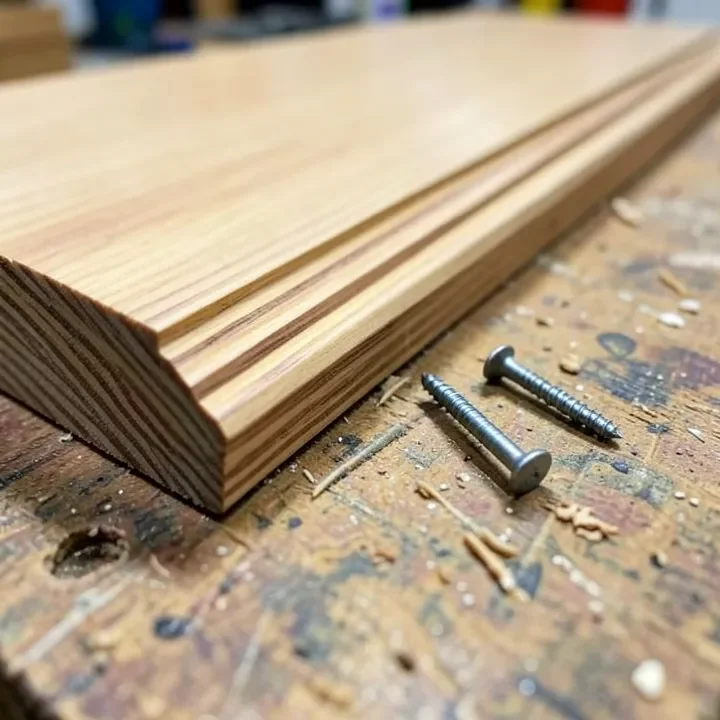
Spacing matters as much as nail size — too few fasteners and boards cup or lift over time. Follow the National Wood Flooring Association field spacing standard on every 3/4-inch solid hardwood job.
- Place a fastener every 8 to 10 inches along the length of each board.
- Put a fastener within 2 to 3 inches of each board end.
- Use at least 2 fasteners per board even on short cuts near walls and doorways.
📊 NWFA spacing standard: a fastener every 8-10 inches, within 2-3 inches of each board end. — Source: National Wood Flooring Association
Can You Face-Nail Hardwood Flooring Near a Wall?
Yes. A pneumatic or manual flooring nailer cannot fit close enough to the wall to blind-nail the last row through the tongue, so installers switch to hand face-nailing with finish nails set below the surface and filled. See face-nailing hardwood flooring near a wall for the exact nail size and spacing for that last row.
What If I Need a Different Nail Length for My Hardwood Thickness?
This guide covers the cleat type and gauge for standard 3/4-inch solid hardwood specifically. If your flooring is a different thickness, see the full hardwood flooring nail size chart for length recommendations across 5/16", 1/2", and 3/4" hardwood.
“Fasteners should be spaced every 8 to 10 inches along the board length, with a fastener located within 2 to 3 inches of each end.”
Common Nailing Mistakes on 3/4 Inch Hardwood
- Using 18-gauge brad nails as the primary fastener — brads hold trim, not flooring; they lack the shank and barb to resist board movement.
- Running 16-gauge cleats on old-growth oak without pre-checking for splitting — switch to 18-gauge if tongues start cracking.
- Spacing fasteners wider than 10 inches to save time — this is the top cause of squeaks and cupping reported on flooring forums.
- Using 2-inch cleats over plywood-on-slab installs — the fastener can bottom out against the slab; use 1-3/4-inch instead.
Frequently Asked Questions
What type of nails should I use for 3/4 inch hardwood flooring?
Use 2-inch, 16- or 18-gauge L-cleat nails driven by a pneumatic flooring nailer. They hold the tongue tight without splitting it. Avoid nails or brads that are too short or too thin to reach the subfloor.
Can I use regular nails for hardwood floors?
No. Common nails lack the barbed shank and L-shaped head that cleats use to grip the tongue, so the wood can split or the board can work loose. Use flooring cleats designed for tongue-and-groove hardwood instead.
How many nails do I need per board?
Space fasteners every 8 to 10 inches along the board length and within 2 to 3 inches of each end, per NWFA guidelines. A typical 3-foot board needs at least 3 to 4 cleats; use at least 2 even on short end cuts.
Should I use nails or staples for 3/4 inch hardwood?
L-cleats are the better choice for 3/4-inch solid hardwood, especially hard species like oak and hickory. Staples drive faster and cost less but their two-pronged crown is more likely to crack the tongue and holds less securely over time.
What if the nails go through the top of the wood?
That means the cleat is too long or the nailer’s depth is set wrong. For 3/4-inch hardwood over a wood subfloor, a 2-inch cleat should stop below the surface; adjust the nailer’s air pressure or depth setting rather than switching to a shorter cleat unless you’re on plywood-over-slab.
Do I need different nails for engineered 3/4 inch flooring versus solid?
Often yes. Engineered hardwood has a thinner wear layer bonded to plywood, so many manufacturers specify a narrower-crown staple or a shorter, lighter cleat than solid hardwood needs. Check the manufacturer’s installation instructions before nailing engineered flooring — using a solid-hardwood cleat spec can crack the veneer.
For 3/4-inch solid hardwood over a wood subfloor, a 2-inch, 16- or 18-gauge L-cleat is the industry-standard choice — drop to 1-3/4 inch over plywood-on-slab. Follow NWFA spacing (every 8-10 inches, within 2-3 inches of board ends) and skip staples on hard species to avoid split tongues.
Sponsored / affiliate links. As an Amazon Associate I earn from qualifying purchases. I may earn additional commission from eligible campaigns.