Johnson Hardwood Flooring Reviews: Prices & Complaints (2026)
Johnson Premium Hardwood Flooring (Johnson Hardwood) sells solid and engineered oak, walnut, and hickory flooring for $4.40 to $8.99 per square foot, under the $6 to $14 many premium mills charge, but owner reviews report finish wear within a year on heavy-traffic jobs. That gap is why the right series matters more than price. This guide covers real pricing, the new 2026 Coastal Series, solid vs. engineered differences, and how to avoid the scratches owners report most.
What Is Johnson Premium Hardwood Flooring?
Johnson Hardwood is a flooring manufacturer headquartered in City of Industry, California, with regional distribution through partners in Texas and elsewhere. The company makes both solid and engineered hardwood in a range of species and stains, and as of the 2026 Surfaces trade show it has also expanded into high-performance laminate and rigid-core (SPC) flooring under CEO Billy Ko — so “Johnson Hardwood” today covers more than just solid wood planks.
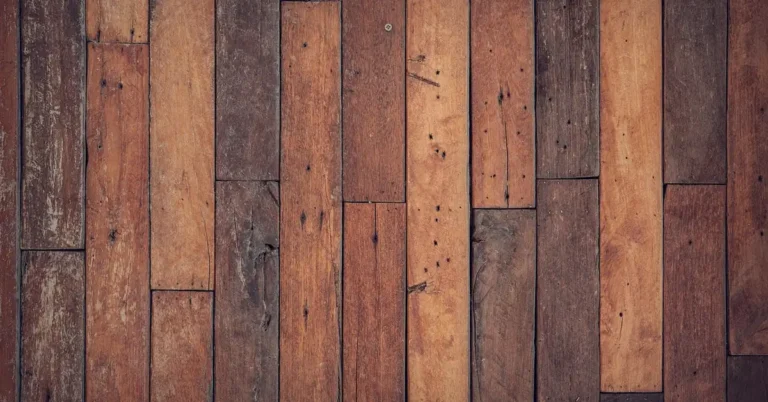
Johnson states its floors are CARB II and Lacey Act compliant, meaning the engineered products meet U.S. formaldehyde-emission limits and the wood sourcing follows federal timber-legality rules. That’s a genuine, verifiable claim — not marketing fluff — and it’s one of the few hard compliance facts a shopper can check before buying. Each plank is milled and hand-stained rather than mass-printed, which is why grain and color vary slightly from box to box.
What Johnson Hardwood Flooring Actually Costs
Retail listings put Johnson Hardwood between $4.40 and $8.99 per square foot for the plank material alone, depending on species, width, and finish — not including underlayment or installation labor. That undercuts many premium hardwood mills, which commonly run $6 to $14 per square foot for comparable solid or engineered product. Engineered lines generally sit at the lower end of Johnson’s range; wide-plank solid oak and walnut sit at the higher end.
Installation typically adds $3 to $8 per square foot on top of material cost, so a 300-square-foot room using mid-range Johnson engineered oak runs roughly $2,200–$3,600 installed, before underlayment, trim, or subfloor repair. Get an itemized quote before ordering — the plank price is only part of the total.
Solid vs. Engineered Johnson Hardwood
Solid Hardwood
Solid Johnson planks are a single piece of wood, typically 3/4-inch thick, that can be sanded and refinished multiple times over the life of the floor. Solid wood expands and contracts with humidity, so it’s rated for on-grade and above-grade rooms with stable moisture — not basements or concrete slabs.
Engineered Hardwood
Engineered Johnson planks pair a real hardwood wear layer with a plywood or HDF core, which resists warping in humidity swings and is the only option Johnson recommends for basements or over radiant heat. The trade-off is a thinner wear layer, so it can typically be refinished once, if at all, versus several times for solid wood.
| Feature | Solid Hardwood | Engineered Hardwood |
|---|---|---|
| Construction | One piece of solid wood | Real wood layer over plywood/HDF core |
| Refinishing | Multiple times over decades | Once, if the wear layer allows |
| Best for | On-grade/above-grade, stable humidity | Basements, over radiant heat, damp climates |
| Typical price | Higher end of $4.40–$8.99/sq ft | Lower end of $4.40–$8.99/sq ft |
New for 2026: The Coastal Series and a Move Into Laminate
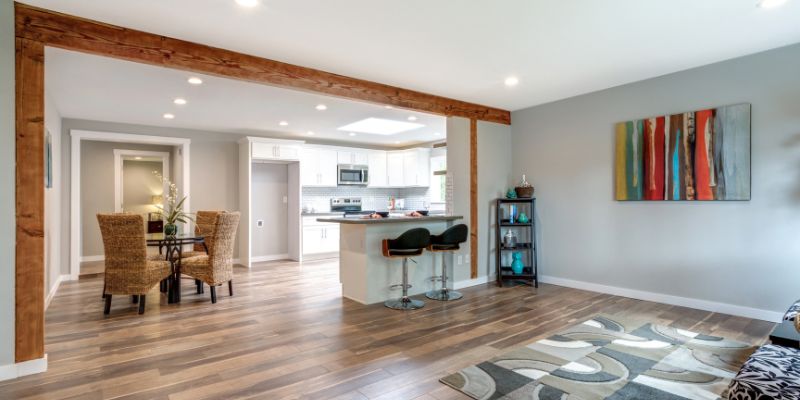
At the Surfaces 2026 trade show, Johnson Hardwood introduced the Coastal Series, built around wide, long boards meant to read as a single dramatic surface rather than a repeating plank pattern. CEO Billy Ko framed the launch around dealer margins, telling Floor Covering News the collection was designed to give retailers “good profit and better margins,” which is a useful signal for shoppers too — a newly launched line often carries a fuller retail markup than an older, established collection like English Pub or Tuscan.
The bigger structural change is that Johnson has expanded beyond solid and engineered hardwood into high-performance laminate and rigid-core (SPC) flooring. If your subfloor or budget doesn’t suit hardwood, it’s now possible to get a Johnson-branded floor in a waterproof rigid-core format instead — something the brand didn’t offer as recently as a year or two ago.
Real Owner Complaints: Scratching and Finish Wear
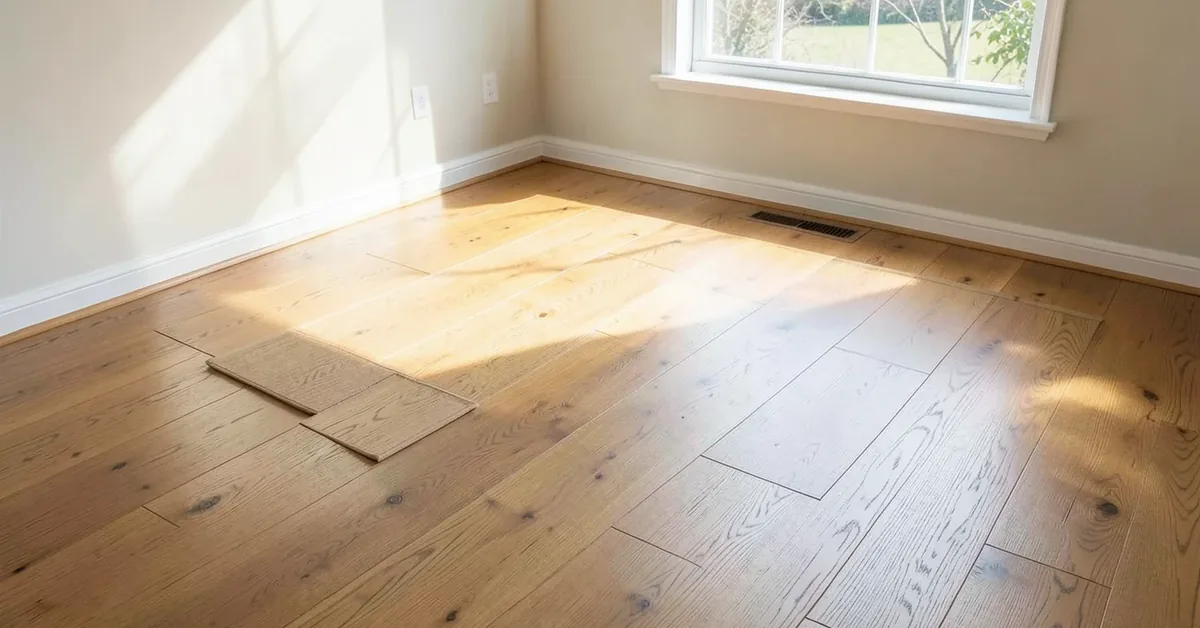
Independent reviews put Johnson Hardwood at roughly a 3.7-star average, with the most common complaint being finish durability rather than the wood itself. On flooring review sites, one owner reported an $11,000 engineered installation showing finish wear within about a year, and another described the wear layer as soft enough for dog nails to leave marks — consistent with the scratch complaints that show up repeatedly across review platforms for this brand.
That doesn’t mean the product is defective — it means the factory finish is a mid-tier polyurethane, not the hardest aluminum-oxide finish on the market, and it performs accordingly under pets and heavy foot traffic. Two things measurably reduce this risk: felt pads under every piece of furniture, and keeping indoor humidity in the 30–50% range so the finish isn’t flexing with the wood underneath it.
📊 Johnson Hardwood’s published price range is $4.40–$8.99 per square foot, versus $6–$14 for many other premium hardwood mills. — Source: Hurst Hardwoods, 2026
“Wood was so soft, my dog’s nails scratched into it” and finish wear appearing “within about a year” on an $11,000 engineered job are the two complaints that recur most often across independent Johnson Hardwood reviews.
— Paraphrased from verified owner reviews compiled by HomesPure and FlooringReport
Installing Johnson Hardwood Flooring: The Basic Steps
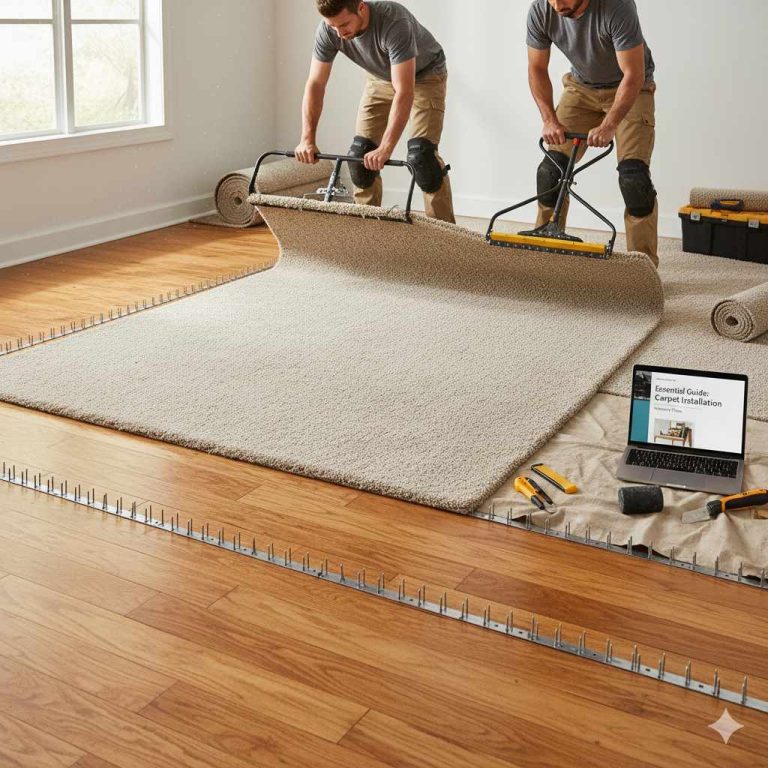
Installing hardwood flooring yourself is doable with the right tools, but the steps below are the general sequence — always follow Johnson’s own installation instructions for the specific series you buy, since solid and engineered planks are installed differently.
- Gather tools: flooring saw, pneumatic or hand nailer (solid wood) or click-lock tools (engineered), tape measure, and moisture-rated underlayment.
- Acclimate the flooring: let sealed boxes sit in the install room for 3–5 days so the wood adjusts to indoor humidity before install.
- Prep the subfloor: remove old flooring, level low spots, and confirm the subfloor moisture reading is within the manufacturer’s limit.
- Lay underlayment: a moisture barrier is mandatory on concrete subfloors and recommended everywhere else for sound dampening.
- Install planks: start against the longest straight wall, nail or click planks together, and stagger end joints at least 6 inches between rows.
- Cut and trim: trim end planks and door casings to fit, then install baseboards or quarter-round to cover the expansion gap.
Skipping the acclimation step or the moisture barrier is the single most common DIY mistake — it’s what causes squeaking, cupping, or gapping months after installation, not a defect in the flooring itself.
Best Johnson Hardwood Care Pick
 |
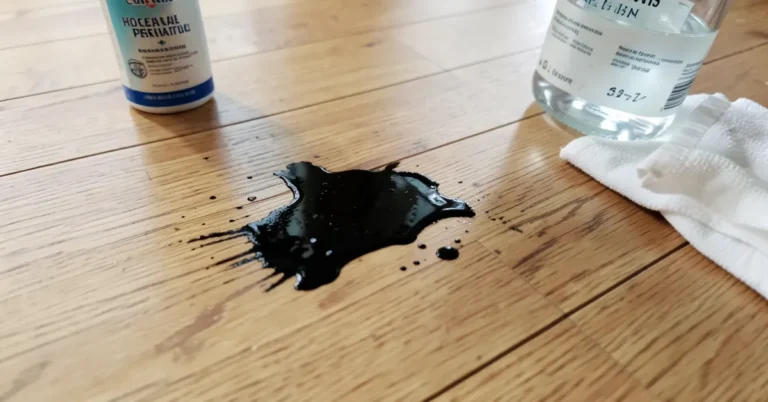
Bona Hardwood Floor Cleaner Spray (32 oz) – $8.97 Johnson’s own care guidance calls for a damp mop and a pH-neutral cleaner — never soaking the floor. This spray is formulated for unwaxed, polyurethane-finished wood, the exact finish type Johnson uses on its hardwood lines.
|
As an Amazon Associate we earn from qualifying purchases.
Care and Maintenance Tips
- Use furniture pads: felt pads under every chair and table leg prevent the drag marks that cause most of the scratch complaints owners report.
- Clean gently: a damp microfiber mop with a pH-neutral, polyurethane-safe cleaner — never a soaking wet mop, which can dull or cloud the finish.
- Control humidity: keep indoor relative humidity between 30% and 50% year-round to limit the expansion and contraction that stresses both the wood and the finish.
- Trim pet nails: the single most effective fix for the dog-scratch complaints that show up repeatedly in owner reviews.
Johnson Hardwood vs. Vinyl, Laminate, and Tile
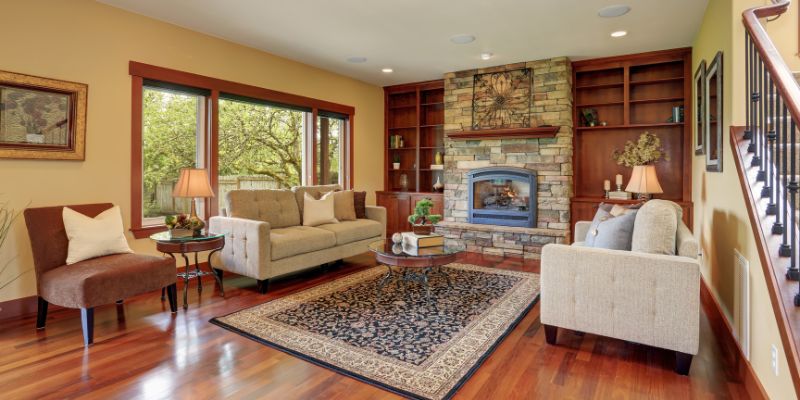
If Johnson’s price or maintenance needs don’t fit your project, here’s how the main alternatives compare. See our full hardwood vs. laminate vs. vinyl breakdown for a deeper look.
| Flooring Type | Cost (per sq ft) | Water Resistance | Best Use |
|---|---|---|---|
| Johnson Hardwood | $4.40–$8.99 | Low — not for wet areas | Living rooms, bedrooms |
| Vinyl (LVP) | $2–$5 | High | Kitchens, bathrooms, basements |
| Laminate | $1–$4 | Low to moderate | Budget-friendly living areas |
| Tile | $3–$10+ | Very high | Bathrooms, entries, wet climates |
Frequently Asked Questions
Is Johnson Hardwood a good brand?
Yes, for the price. Johnson Hardwood is CARB II and Lacey Act compliant and priced below many premium mills at $4.40–$8.99 per square foot, but independent reviews average around 3.7 stars, with finish durability — not the wood itself — the most common complaint.
Is Johnson Hardwood good for homes with pets?
It can work, but the factory finish is mid-tier polyurethane, not the hardest aluminum-oxide finish available, so pet nails have caused scratching in multiple owner reviews. Trim nails regularly, use rugs at doorways, and keep humidity in the 30–50% range to reduce risk.
How much does Johnson Premium Hardwood Flooring cost?
Material runs $4.40 to $8.99 per square foot depending on species and construction, plus roughly $3 to $8 per square foot for professional installation. A 300-square-foot room typically totals $2,200–$3,600 installed before underlayment or subfloor repair.
Can I install Johnson Hardwood flooring myself?
Yes, with standard flooring tools and patience. Acclimating the planks for 3–5 days and installing a moisture barrier are the two steps DIYers skip most often, and skipping either one is the leading cause of squeaks, gaps, or cupping later.
Is Johnson Hardwood eco-friendly?
Johnson states its products are CARB II compliant for formaldehyde emissions and Lacey Act compliant for legal timber sourcing, and the company also cites anti-dumping and sustainable-harvesting practices. These are verifiable compliance standards, not vague marketing claims.
What’s new from Johnson Hardwood in 2026?
Johnson launched the Coastal Series — wide, long-board hardwood — at the 2026 Surfaces trade show, and has expanded beyond hardwood into high-performance laminate and rigid-core (SPC) flooring, giving shoppers a Johnson-branded waterproof option for the first time.
Bottom Line
Johnson Premium Hardwood Flooring is a reasonable mid-market pick if you want real wood without paying premium-mill prices — engineered lines for basements or damp climates, solid planks for dry, on-grade rooms you plan to refinish over time. Budget for felt furniture pads and a pH-neutral cleaner from day one, since finish wear and pet scratches are the complaints owners report most, and both are largely preventable with routine care rather than a flaw in the product.
Sponsored / affiliate links. As an Amazon Associate I earn from qualifying purchases. I may earn additional commission from eligible campaigns.