Professional Chainsaws: Cutting-Edge Tools for Experts
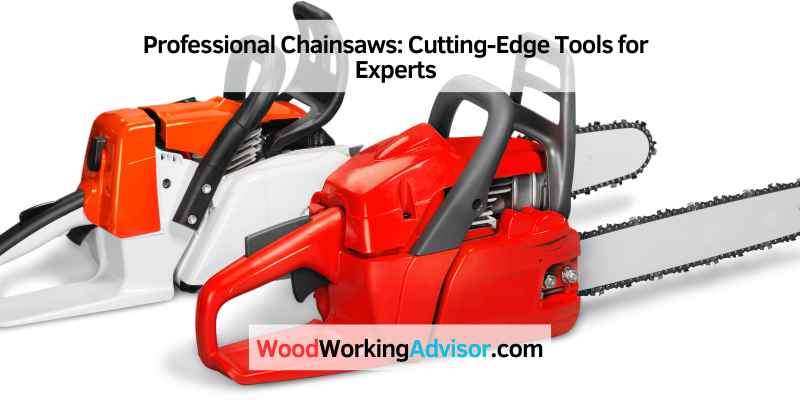
Professional chainsaws are powerful, heavy-duty tools designed for demanding cutting tasks. With high-performance engines and durable construction, these chainsaws are built to handle tough jobs with ease.
Whether you’re a professional arborist, logger, or landscaper, a professional chainsaw is essential for efficient and precise cutting. When it comes to selecting the right professional chainsaw, there are several factors to consider. Engine power, bar length, weight, and ergonomic design all play a crucial role in determining the best chainsaw for your specific needs.
Understanding the differences between various models and brands will help you make an informed decision and ensure that you invest in a chainsaw that meets your performance expectations. In this blog, we’ll explore the key features and considerations for choosing a professional chainsaw, as well as the top brands and models available in the market. Whether you’re tackling large-scale tree felling or intricate wood carving, having the right professional chainsaw can make all the difference in achieving exceptional results.
Introduction To Professional Chainsaws
Professional chainsaws are powerful and versatile tools designed for heavy-duty cutting tasks in various industries. Whether you’re a professional logger, arborist, or landscaper, having the right chainsaw can make a significant difference in your work efficiency and productivity.
What Sets Them Apart
Professional chainsaws are distinguished by their robust construction and advanced features that enable them to handle demanding cutting jobs. Here are some key factors that set professional chainsaws apart:
- Higher Power: Professional chainsaws are equipped with more powerful engines, allowing them to tackle thick trees and dense wood with ease.
- Superior Durability: These chainsaws are built to withstand frequent and heavy use, often featuring stronger materials and components for enhanced longevity.
- Advanced Cutting Systems: Professional chainsaws often incorporate innovative cutting systems, such as anti-vibration technology and automatic chain lubrication, to enhance performance and reduce fatigue.
Key Uses In Various Industries
Professional chainsaws find extensive applications in a range of industries due to their exceptional cutting capabilities. Some of the key uses include:
| Industry | Key Uses |
|---|---|
| Forestry |
|
| Landscaping |
|
| Construction |
|
These are just a few examples of how professional chainsaws are utilized across industries. Their versatility and power make them indispensable tools for professionals who deal with heavy cutting tasks on a regular basis.
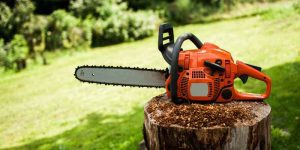
Anatomy Of A Professional Chainsaw
Discover the intricate design of a professional chainsaw, featuring a powerful engine, durable guide bar, and sharp chain for efficient cutting. Built for heavy-duty tasks, these chainsaws offer precision, reliability, and performance for professional use.
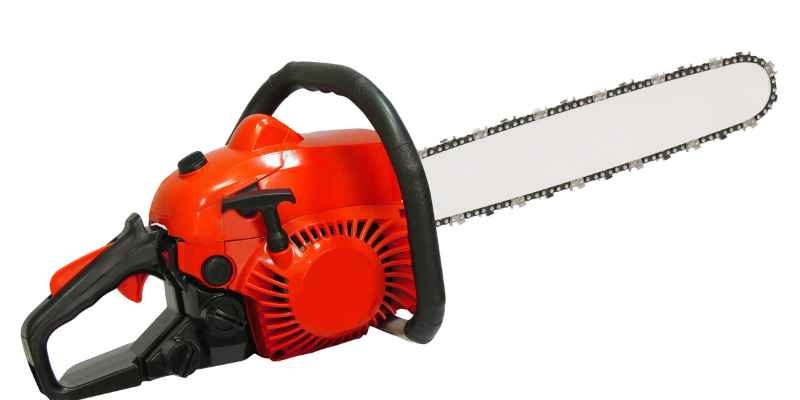
Professional chainsaws are powerful tools designed for heavy-duty cutting tasks. Understanding the anatomy of these machines is essential for users who want to maximize their performance and ensure safety. Let’s delve into the core components and advanced features that make up a professional chainsaw.
Core Components
The core components of a professional chainsaw include the engine, guide bar, chain, handle, and safety features. The engine is the powerhouse of the chainsaw, providing the necessary power to drive the cutting chain. The guide bar is a long, sturdy metal bar that supports the cutting chain and determines the maximum diameter of the wood that can be cut. The chain is made up of sharp cutting teeth that rotate around the guide bar to effectively cut through wood.
Advanced Features
Advanced features of professional chainsaws enhance their functionality and user experience. These may include anti-vibration technology to reduce operator fatigue, automatic chain lubrication systems for smooth operation, and ergonomic handles for improved comfort and control. Additionally, some models may feature advanced safety mechanisms such as chain brakes and kickback protection to prevent accidents during operation.
Understanding the anatomy of a professional chainsaw is crucial for users to harness its full potential and operate it safely. By familiarizing themselves with the core components and advanced features, professionals can make informed decisions when selecting and using these powerful cutting tools.
Choosing The Right Chainsaw
When it comes to tackling heavy-duty cutting tasks, a professional chainsaw is an essential tool for any serious arborist or logger. However, with so many options available on the market, choosing the right chainsaw can be a daunting task. To help you make an informed decision, we have outlined the key factors to consider and highlighted some of the top brands and models in the industry.
Factors To Consider
Before investing in a professional chainsaw, it is important to take into account several factors that will determine the suitability of the tool for your specific needs:
- Power: Consider the power source of the chainsaw – whether it is gas-powered, electric, or battery-operated. Gas-powered chainsaws are typically more powerful, making them ideal for heavy-duty tasks, while electric chainsaws are lighter and more suitable for smaller jobs.
- Bar Length: The length of the chainsaw’s guide bar determines the size of the cuts it can make. Longer bars are better suited for larger trees and tougher materials, while shorter bars offer more maneuverability for precision work.
- Safety Features: Look for chainsaws with safety features such as anti-kickback chains, chain brakes, and vibration reduction systems to ensure safe and comfortable operation.
- Weight and Ergonomics: Consider the weight and ergonomics of the chainsaw, as you’ll be handling it for extended periods. A lightweight and well-balanced chainsaw will reduce fatigue and improve maneuverability.
- Maintenance: Assess the maintenance requirements of the chainsaw, including ease of chain tensioning, access to air filters, and availability of spare parts. A chainsaw that is easy to maintain will save you time and effort in the long run.
Top Brands And Models
When it comes to professional chainsaws, several top brands have established themselves as industry leaders. Here are some of the most renowned brands and their popular models:
| Brand | Popular Models |
|---|---|
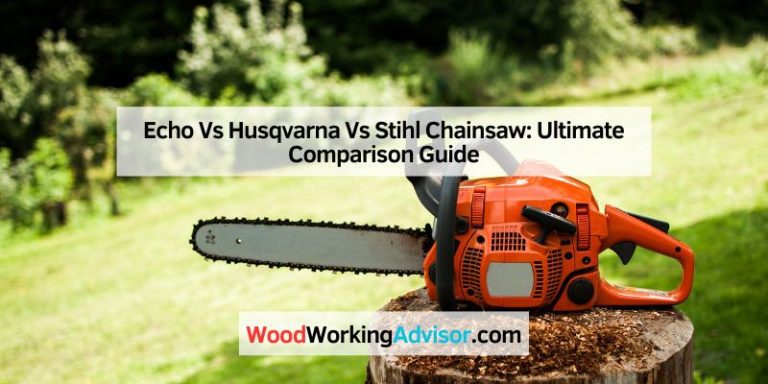
| Husqvarna | Husqvarna 460 Rancher, Husqvarna 455 Rancher |
| Stihl | Stihl MS 271 Farm Boss, Stihl MS 261 C-M |
| ECHO | ECHO CS-590 Timber Wolf, ECHO CS-400 |
| Jonsered | Jonsered CS2255, Jonsered CS2245 |
These brands have earned their reputation for producing high-quality chainsaws that deliver excellent performance and durability.
By considering the factors mentioned and exploring the top brands and models, you can confidently choose the right professional chainsaw that meets your specific requirements. Remember to prioritize safety, power, and maintenance when making your selection.
Safety First: Operating Chainsaws
When operating professional chainsaws, safety should always be the top priority. Proper usage of chainsaws not only ensures the efficiency of the tool but also minimizes the risk of accidents. In this section, we will discuss the essential safety gear required and the best practices for operating chainsaws.
Essential Safety Gear
Before operating a chainsaw, it’s crucial to equip oneself with the necessary safety gear to protect against potential hazards. The following table outlines the essential safety gear for operating chainsaws:
| Safety Gear | Description |
|---|---|
| 1. Protective Clothing | Includes chainsaw chaps, pants, and jackets made of cut-resistant materials to shield against cuts and abrasions. |
| 2. Headgear | Consists of a hard hat with a face shield or safety goggles to safeguard the eyes and face from flying debris. |
| 3. Footwear | Steel-toed boots with a good grip provide protection and stability while operating a chainsaw. |
| 4. Gloves | Durable, non-slip gloves offer hand protection and improve grip on the chainsaw handles. |
| 5. Hearing Protection | Ear muffs or ear plugs to minimize the impact of the chainsaw’s loud noise on hearing. |
Best Practices For Use
Adhering to best practices when using a chainsaw is essential for safe and effective operation. The following guidelines outline the best practices for operating chainsaws:
- Inspect the Chainsaw: Before each use, ensure that the chainsaw is in good working condition, with sharp chains and proper tension.
- Secure Work Area: Clear the work area of any obstacles or debris that could impede safe operation.
- Proper Grip: Maintain a firm and comfortable grip on the chainsaw handles at all times.
- Stable Position: Stand with your feet shoulder-width apart for a stable and balanced stance while operating the chainsaw.
- Cutting Techniques: Use proper cutting techniques, such as cutting at waist level and avoiding kickback zones.
- Refueling Safety: Allow the chainsaw to cool before refueling, and do so in a well-ventilated area.
Maintenance And Care
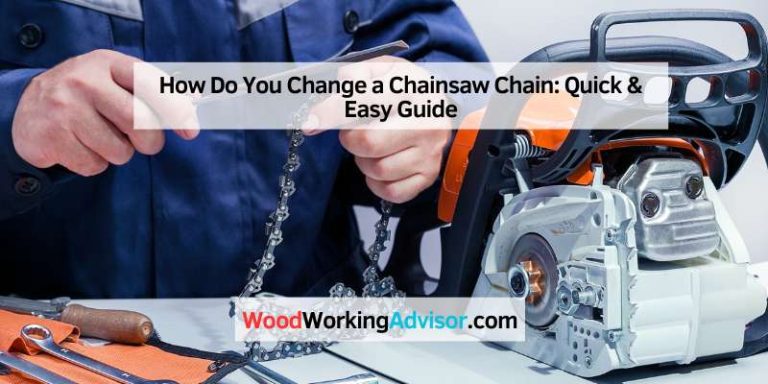
Regular maintenance and care is crucial for professional chainsaws to ensure optimal performance and longevity. It is recommended to clean the chainsaw after each use, sharpen the chain regularly, and replace any worn or damaged parts promptly. Proper maintenance and care can save time and money in the long run.
Professional chainsaws are designed for heavy-duty tasks such as felling trees, cutting logs, and pruning branches. To ensure that they perform optimally and have a long lifespan, proper maintenance and care are crucial. In this article, we will discuss routine upkeep and troubleshooting common issues of professional chainsaws.
Routine Upkeep
Regular maintenance is essential to keep your professional chainsaw in good condition. Here are some routine upkeep tips to follow:
- Check the chain tension regularly. A loose chain can damage the bar and reduce cutting performance.
- Clean the air filter after every use to prevent dust and debris from clogging it.
- Inspect the spark plug and replace it if it’s damaged or dirty.
- Check the fuel filter and replace it if it’s clogged or damaged.
- Inspect the bar and chain for wear and replace them if necessary.
- Sharpen the chain regularly to maintain its cutting ability.
- Store the chainsaw in a dry and cool place to prevent rust and corrosion.
Troubleshooting Common Issues
Even with proper maintenance, professional chainsaws can experience some common issues. Here are some troubleshooting tips to help you resolve them:
| Issue | Cause | Solution |
|---|---|---|
| Chainsaw won’t start | Empty fuel tank, clogged fuel filter, faulty spark plug | Refill fuel tank, replace fuel filter, clean/replace spark plug |
| Chainsaw stalls during use | Clogged air filter, faulty carburetor, loose chain tension | Clean/replace air filter, adjust carburetor, tighten chain tension |
| Poor cutting performance | Dull chain, loose chain tension, damaged bar | Sharpen chain, adjust chain tension, replace bar |
| Excessive vibration | Loose bar nuts, damaged bar, worn chain | Tighten bar nuts, replace bar, replace chain |
In conclusion, proper maintenance and care of professional chainsaws are essential to keep them in good working condition and extend their lifespan. By following routine upkeep and troubleshooting common issues, you can ensure that your chainsaw performs optimally and lasts for years to come.
Innovations In Chainsaw Technology
Innovations in Chainsaw Technology have revolutionized the industry, bringing about significant advancements and paving the way for future trends.
Recent Advancements
1. Lithium-Ion Batteries: Lightweight and eco-friendly power source.
2. Automatic Chain Braking Systems: Enhancing safety features.
Future Trends
1. Smart Chainsaws: Integration with IoT for remote monitoring.
2. Improved Battery Life: Extending usage duration for increased efficiency.
Environmental Considerations
When choosing a professional chainsaw, it’s crucial to consider its impact on the environment. Sustainable practices and eco-friendly models play a significant role in reducing carbon footprint and preserving nature.
Sustainable Practices
- Use of bio-based oils and lubricants
- Implementing efficient waste management systems
- Opting for electric or battery-powered models
Eco-friendly Models
- Low-emission engines reduce pollution
- Minimal noise disturbance for wildlife
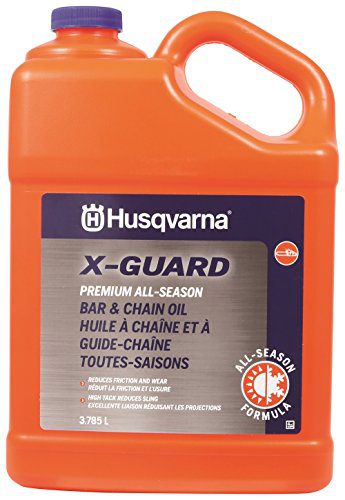
- Biodegradable bar and chain oils
Real-world Applications
Professional chainsaws find real-world applications in forestry, arboriculture, and land clearing. These powerful tools are essential for felling trees, pruning branches, and cutting through dense wood, making them indispensable for professional tree care and maintenance.
Case Studies
In the realm of forestry, professional chainsaws are indispensable tools for a myriad of tasks.
Expert Testimonials
Forestry experts attest to the efficiency and reliability of professional chainsaws in various applications.
Frequently Asked Questions
What Are The Key Features Of Professional Chainsaws?
Professional chainsaws typically have high power, durability, ergonomic design, and advanced safety features for efficient and safe operation.
How To Choose The Right Bar Length For A Professional Chainsaw?
Select the bar length based on the intended use: shorter bars for small tasks and longer bars for larger projects, ensuring optimum performance.
What Safety Precautions Should Be Taken When Using A Professional Chainsaw?
Always wear protective gear, maintain a secure grip, avoid kickback zones, keep bystanders at a safe distance, and follow manufacturer instructions.
How Often Should Professional Chainsaw Blades Be Sharpened?
Regularly inspect the blade for dullness and sharpen as needed, typically after every few hours of use to maintain cutting efficiency.
Conclusion
To wrap it up, investing in a professional chainsaw is a smart move for those who work in the forestry industry or have a lot of tree work to do. With their powerful engines, durability, and safety features, professional chainsaws are capable of handling even the toughest jobs.
By considering factors such as bar length, weight, and chain speed, you can select the best chainsaw to meet your needs. Remember to always prioritize safety and proper maintenance to ensure your chainsaw lasts for years to come.