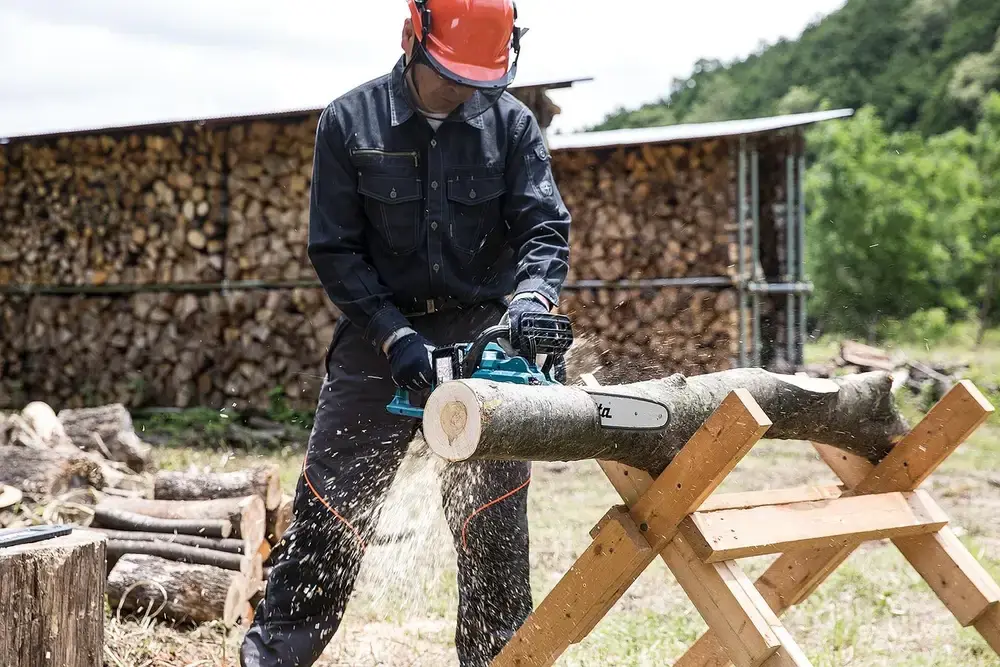
Cheap Chainsaw Mill: Real Costs, Power Needed & Safety Guide
A cheap chainsaw mill almost always means a cheap milling frame, not a cheap total setup – the frame itself can run under $100, but the chainsaw powering it still needs real displacement, and skipping that part is where budget builds go wrong. Milling cuts along the grain instead of across it, which is a much harder job for a saw than felling or bucking, so an underpowered engine will bog down, overheat, and wear out fast even if the frame clamped to it was a bargain.
Below is what actually drives the cost of a budget chainsaw mill setup, the minimum saw power that setup needs to hold up, the chain swap that matters more than most buyers realize, and the safety realities that are genuinely different from ordinary chainsaw use.
What “Cheap” Actually Buys You: Frame vs. Saw
A basic milling frame – two rails that clamp to your existing guide bar and ride along the top of the log – is the inexpensive part of this hobby. Import frames from brands like Vevor or Zozen run $40–$80, and a well-established name like Granberg’s small-log mill lands closer to $150–$180. None of that price includes a chainsaw, and none of it changes what the saw itself needs to be able to do.
Budget Milling Frame Pick
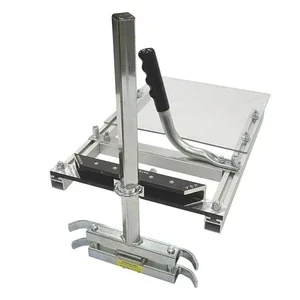 |
Granberg G777 Alaskan Small Log Mill – $175.00 A step up from the sub-$80 import frames without jumping to a full-size Alaskan mill – fits bars 16 to 20 inches, which matches the saw-power tier most budget buyers actually own.
|
Where budget builds actually run into trouble is the saw. A homeowner-grade 35-40cc gas saw, or almost any battery chainsaw, will clamp into a mill frame just fine – and then bog down, chain-stall, or overheat within the first few cuts, because milling asks far more of an engine than the crosscutting that saw was designed for.
The Chainsaw Power You Actually Need to Mill
Ripping along the grain removes far more wood per second than a crosscut and generates more friction and heat doing it, which is why milling saws are sized well above what the same bar length needs for ordinary felling or bucking. A saw that handles a 16-inch bar comfortably for firewood can still be underpowered for milling with that same bar.
| Milling Use | Minimum Engine Size | Typical Bar Length |
|---|---|---|
| Occasional small-log milling | 50cc | 16-20 inches |
| Regular milling, hardwood or wider slabs | 60-80cc | 20-30 inches |
| Large logs, frequent use | 80cc or more | 30+ inches |
50cc is the practical floor for milling with a small-log mill frame, and that’s already more saw than most homeowners own for general yard work – see our chainsaw sizing guide for how that compares to a typical firewood or felling saw. If you’re buying a saw specifically to mill with, don’t undersize it to save money on the engine; an underpowered saw working this hard wears out faster than the money saved, and a stalled chain mid-cut in a long rip is its own hazard.
Ripping Chain vs. Standard Chain – Why It’s Not Optional
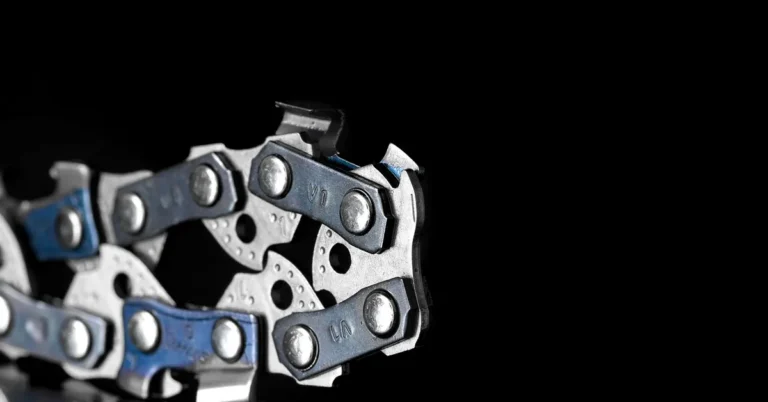
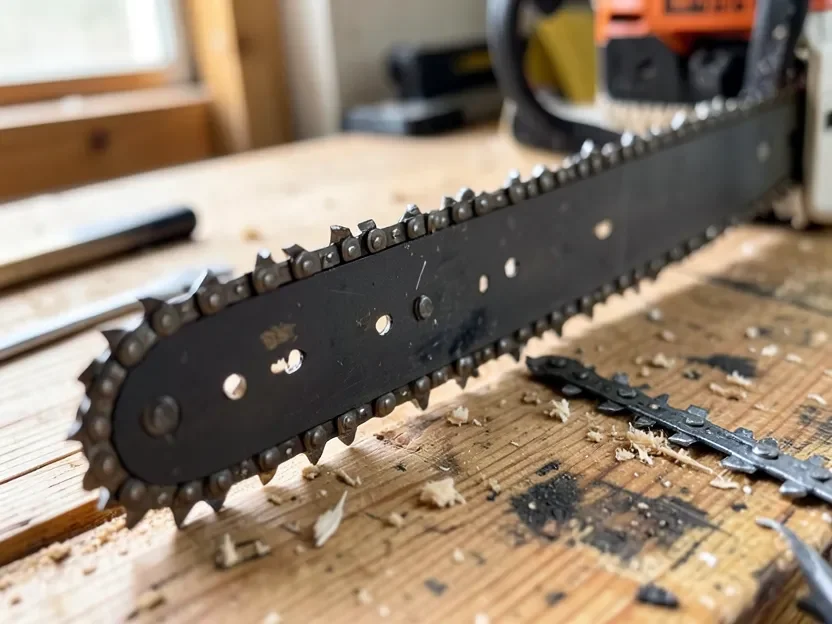
A standard chain is ground for crosscutting, with a tooth angle around 30 degrees that’s optimized for felling and bucking across the grain. A ripping chain uses a much shallower angle, closer to 10 degrees, cut specifically to shear wood fibers lengthwise. Running a standard chain in a mill works, technically, but it fights the grain the entire cut – producing a rougher, slower cut, more heat, and faster chain wear than a properly ground ripping chain.
This is the part of a “cheap” build that’s genuinely worth not skimping on. A ripping chain typically costs about the same as, or less than, a comparable standard chain, so switching isn’t a real cost increase – it’s the difference between a mill that cuts smoothly and one that bogs the saw down and burns through bar oil and fuel doing a job the chain wasn’t ground for.
Milling Safety Realities (Different From Everyday Chainsaw Use)
Milling is a genuinely higher-risk activity than typical bucking or limbing, and the difference isn’t the equipment – it’s the exposure time. A single felling or bucking cut takes seconds. A milling pass down an 8-foot log can run for minutes at a time, repeated for as many boards as the log yields. That sustained cutting means sustained kickback exposure and much faster operator fatigue, and fatigue is exactly when grip, stance, and attention slip.
- Full-length guide bar: The bar needs to run the full width of the log in one pass whenever possible – a bar that’s too short forces multiple overlapping cuts, which multiplies both time and tip-contact risk.
- Chainsaw chaps, helmet with visor, and hearing protection: Even more important here than in ordinary use, simply because you’re wearing them for far longer per cut.
- Two-handed grip and a planted stance for the whole pass: Not just at the start of the cut – milling’s length means it’s easy to let form slip halfway through.
- Plan rest breaks into a milling session: A tired grip on a saw that’s been running for 20 straight minutes is a real risk factor, not a minor inconvenience.
Budget Frame Options Compared
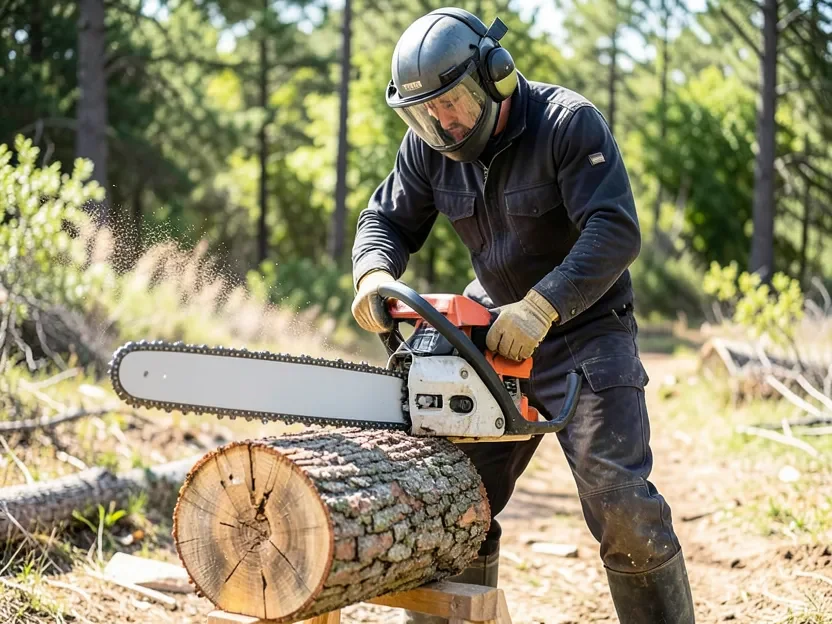
Most budget chainsaw mills fall into one of three tiers. Unbranded import frames (Vevor, Zozen, and similar) are the cheapest way in and work fine for occasional use on bars up to about 20 inches, though fit and finish varies between batches. The Granberg G777 above sits in the middle – a known brand at a modest step up in price for better-machined aluminum. For anything wider than a 20-inch bar, the full-size Granberg Alaskan MKIV (fits bars up to 36 inches) is the established choice, but it also calls for a 70cc-or-larger saw to run properly – which is where the real cost of going bigger shows up.
Setting Up Your First Cut
Clamp the mill frame onto your bar per the manufacturer’s instructions – most budget frames clamp without drilling, so no permanent modification to your saw is needed. Set the first cut with a straight guide board or ladder clamped to the top of the log to establish a flat reference face; every cut after that rides on the rail system built into the mill itself. Keep the saw’s chain and bar oiler running at full output throughout the cut, since ripping generates more heat than the crosscuts your saw’s oiling was tuned for, and take the first pass slow to get a feel for how much the saw bogs under load before committing to a full log’s worth of boards.
Frequently Asked Questions On Cheap Chainsaw Mills
Is a Cheap Chainsaw Mill Worth It?
Yes, for occasional use – a budget frame in the $40-$180 range performs the same basic job as a far more expensive mill, since the frame’s role is just guiding the bar in a straight, level pass. The real cost driver isn’t the frame, it’s making sure the chainsaw powering it has enough displacement to actually rip lumber without bogging down.
What Size Chainsaw Do I Need for a Chainsaw Mill?
50cc is a practical minimum for occasional milling with a small-log mill on 16-20 inch bars. Regular use or hardwood calls for 60-80cc, and wide slabs or frequent milling justify an 80cc-or-larger saw. Undersized engines bog down and overheat under the sustained load of a ripping cut.
Do I Need a Special Chain for a Chainsaw Mill?
A ripping chain is strongly recommended, not strictly mandatory. Its teeth are ground at a shallower angle to cut efficiently along the grain, producing smoother cuts and less strain on the saw than running a standard crosscut chain through the same milling pass. Ripping chain typically costs about the same as a comparable standard chain.
Is Chainsaw Milling More Dangerous Than Normal Chainsaw Use?
The equipment risk is similar, but the exposure is higher. Milling passes run for minutes at a time instead of seconds, which means longer sustained kickback exposure and faster operator fatigue. Full PPE, a two-handed grip, and planned rest breaks matter more here than in typical bucking or limbing.
Can Any Chainsaw Be Used With a Chainsaw Mill?
Technically most gas chainsaws can be fitted with a mill frame, but battery saws and small gas saws under about 45cc will struggle badly with the sustained ripping load. Check the mill’s bar-length compatibility and make sure your saw’s displacement matches the chart above before buying.
Conclusion
A cheap chainsaw mill frame is a legitimate way into lumber milling, but the frame’s price tag isn’t the whole budget – the chainsaw behind it needs at least 50cc to hold up, a ripping chain performs meaningfully better than a standard one for about the same cost, and the sustained cutting time means full PPE and a steady, rested stance matter more here than in ordinary chainsaw work. Get those three things right and even an entry-level frame will mill clean, usable lumber.
Sponsored / affiliate links. As an Amazon Associate I earn from qualifying purchases. I may earn additional commission from eligible campaigns.
 Top Handle Gas Chainsaws, 20 Inch Bar Power Chain Saws, Cycle Gas Powered Chainsaw, Chainsaw 2 Stroke Handed Petrol Gasoline Chain with Tool Bag, Gas Chain Saw for Cutting Wood Pruning Branches(52cc)
 20 Inch 76 Links Replacement Chainsaw Saw Mill Ripping Chain, Compatible For 62CC 0.325 Model Surface Smooth For Cutting Lumber