Pros and Cons of Cedar Shingles: Worth It
Choosing the right roofing material can feel tricky. For many homeowners, the Pros and Cons of Cedar Shingles: Worth It? is a big question. It’s easy to get lost with all the different options and what they mean for your home.
We’ll break it all down simply, step by step. You’ll see exactly what makes cedar shingles a great choice for some, and maybe not so great for others, so you can decide what’s best for you.
Cedar Shingles Pros and Cons A Deep Look
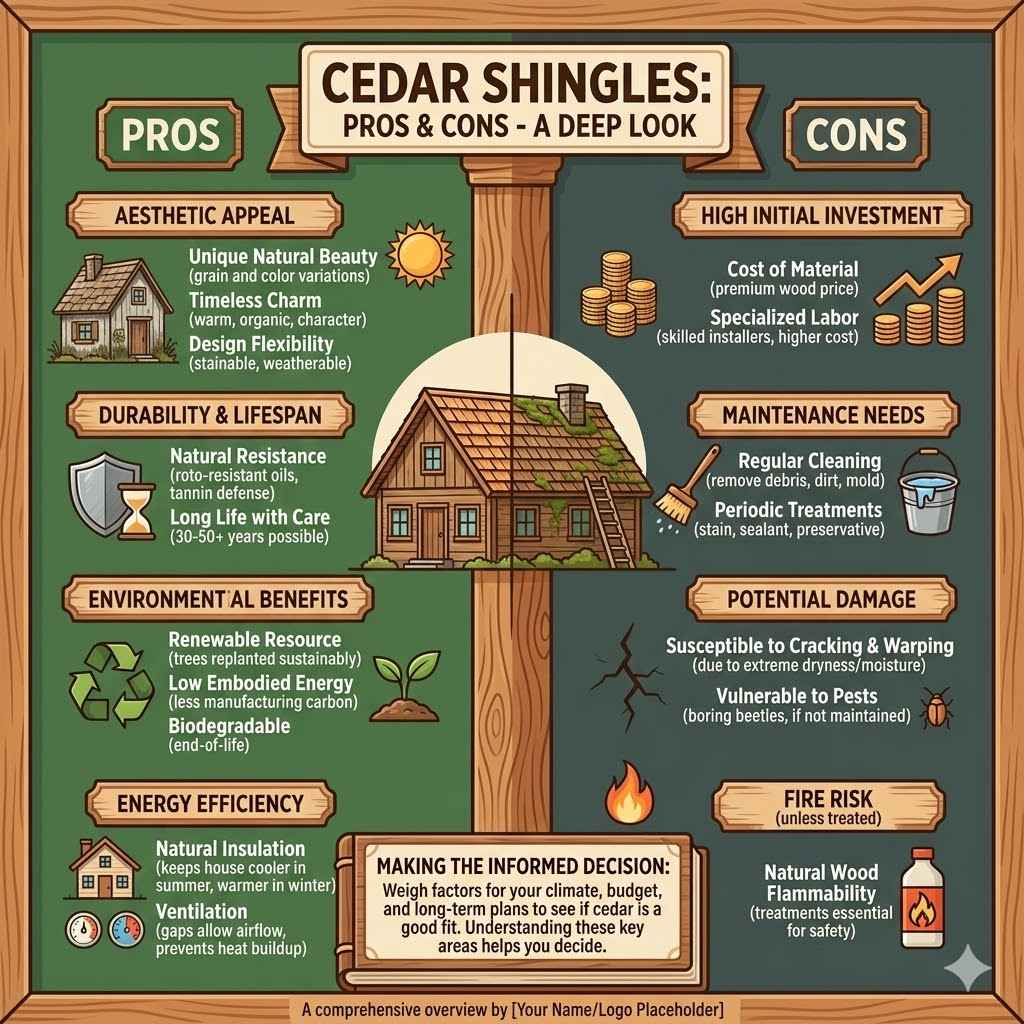
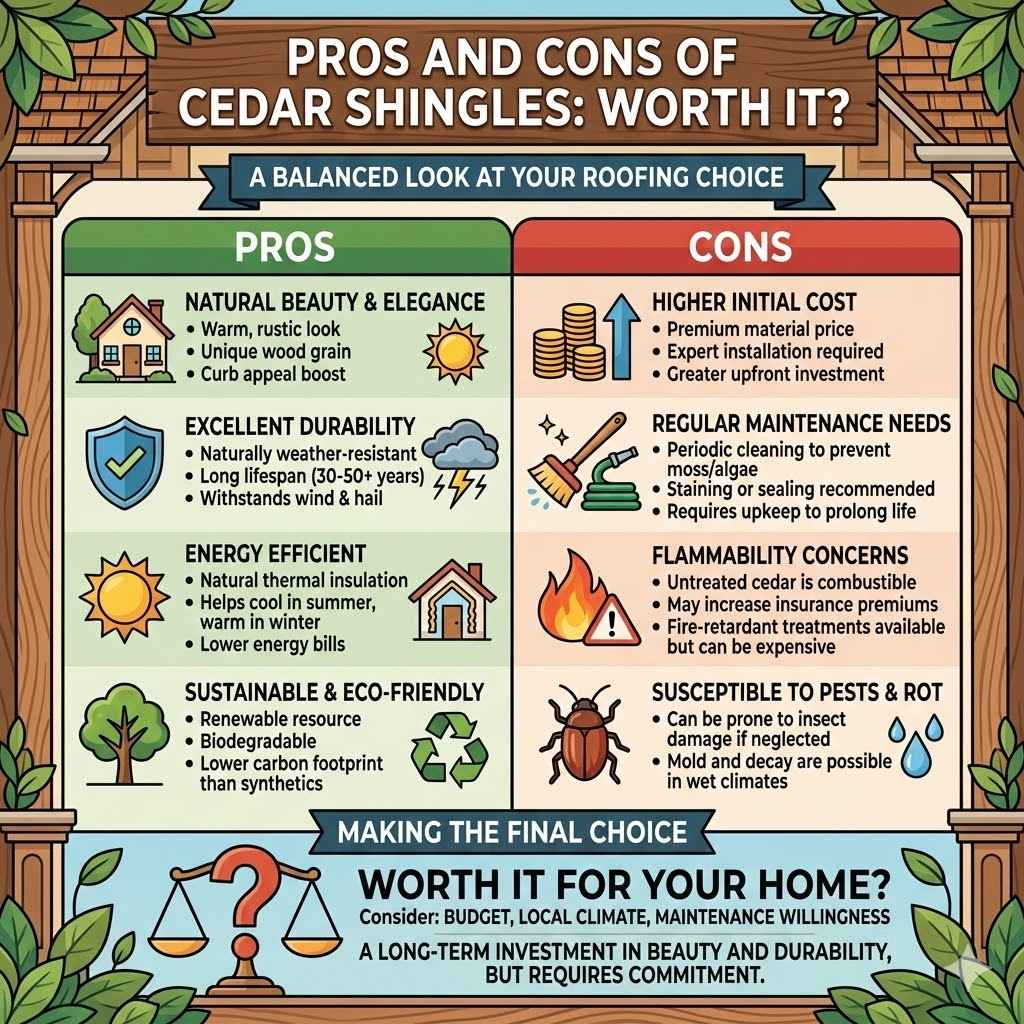
Cedar shingles are a natural roofing material that has been used for centuries. They offer a unique look and several benefits, but they also come with drawbacks homeowners should consider. This section will explore the main advantages and disadvantages of choosing cedar shingles for your roof.
We will cover everything from their appearance and durability to their maintenance needs and cost. Understanding these factors is key to making an informed decision about whether cedar shingles are the right fit for your home.
Aesthetic Appeal of Cedar Shingles
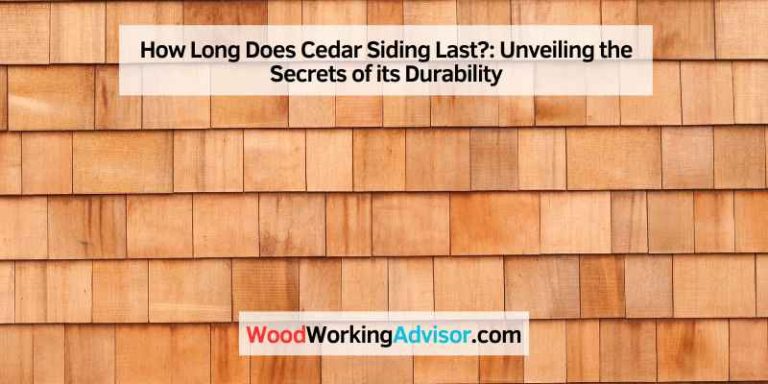
One of the biggest draws of cedar shingles is their natural beauty. They have a warm, rustic look that can greatly enhance a home’s curb appeal. The wood grain and natural color variations create a distinctive appearance that is hard to match with synthetic materials.
Many people find this natural charm incredibly appealing.
Unique Natural Beauty
Each cedar shingle is unique, showing the natural grain and color variations of the wood. This creates a beautiful, organic look that can make any home stand out. The shingles can also be stained or left to weather naturally to a silvery gray, offering design flexibility.
Timeless Charm
Cedar has been used in building for a long time. This gives roofs made from it a timeless appeal that fits well with many architectural styles, from traditional to modern rustic. They bring a sense of warmth and character that manufactured materials often lack.
Durability and Lifespan
Cedar is a naturally durable wood. It contains natural oils and tannins that help it resist rot, decay, and insect infestation. With proper installation and maintenance, cedar shingles can last a long time, making them a worthwhile investment for many homeowners.
Their lifespan can be competitive with other roofing materials.
Natural Resistance
The inherent properties of cedar, like its natural oils, help it fight off decay and bugs. This means the wood is less likely to break down over time due to moisture or pests. This natural defense is a major reason cedar has been a popular roofing choice for so long.
Longevity with Care
While cedar is durable, its lifespan heavily depends on where you live and how well it’s maintained. In dry climates, cedar shingles can last 30 to 50 years or even longer. In wetter areas, this might be shorter if not properly cared for, perhaps closer to 20 to 30 years.
Regular inspections and cleaning can extend their life significantly.
Environmental Benefits
Cedar is a renewable resource, meaning new trees can be planted to replace those harvested. It is also biodegradable, which is a plus at the end of its life. Cedar shingles require less energy to produce compared to many synthetic roofing materials, making them a more eco-friendly option.
Renewable Resource
Cedar trees can be grown and harvested sustainably. This means that for every tree used for shingles, new ones can be planted. This cycle helps ensure that cedar remains an available and responsible choice for construction materials in the future.
It’s a natural cycle that helps the environment.
Low Embodied Energy
Making cedar shingles uses less energy than producing asphalt or metal roofing. This means a smaller carbon footprint during manufacturing. Cedar is also naturally insulating, which can help reduce energy costs for heating and cooling your home over time.
Energy Efficiency
Cedar has natural insulating properties. This means it can help keep your home cooler in the summer and warmer in the winter. This can lead to lower energy bills.
The spacing between shingles also allows for some ventilation, which further helps with temperature regulation.
Natural Insulation
Cedar wood itself acts as a good insulator. It can help slow down heat transfer. This means less heat escapes in the winter and less heat enters in the summer.
This natural ability can make your home more comfortable year-round.
Ventilation Benefits
The way cedar shingles are installed often creates small gaps that allow air to move. This natural ventilation helps prevent heat buildup in the attic. Proper attic ventilation is important for roof health and energy efficiency.
It helps keep the roof deck cooler.
Cost Considerations
Cedar shingles are generally more expensive upfront than asphalt shingles. This is due to the cost of the material itself and the specialized labor required for installation. However, their longevity and aesthetic appeal can make them a cost-effective choice in the long run for some homeowners.
Higher Initial Investment
When you first buy cedar shingles, you will likely pay more than for asphalt or metal roofing. The material cost is higher, and cedar requires skilled installers who may charge more for their expertise. This initial cost can be a barrier for some.
Long-Term Value
Although the initial cost is higher, cedar shingles can last much longer than asphalt shingles. If you plan to stay in your home for many years, the cost spread over the lifespan of the roof can be quite reasonable. The added beauty also increases home value.
Challenges with Cedar Shingles
While cedar shingles offer many advantages, they also present certain challenges that homeowners need to be aware of. These issues primarily revolve around maintenance, susceptibility to certain environmental factors, and installation specifics. Addressing these potential problems upfront can help homeowners decide if cedar is the right choice for their needs and lifestyle.
This section will detail these challenges, providing a balanced view.
Maintenance Requirements
Cedar shingles require more maintenance than many other roofing materials to ensure their longevity and appearance. They need regular cleaning to prevent moss and algae growth, and they may require treatments to protect against the elements. Neglecting maintenance can significantly shorten their lifespan.
Regular Cleaning
Moss, lichen, and algae can grow on cedar shingles, especially in damp or shady areas. This growth can trap moisture and lead to premature decay. Homeowners need to inspect their roofs regularly and clean off any buildup.
This can be done manually or with gentle cleaning solutions safe for wood.
Pest and Fire Concerns
While cedar has natural resistance, it is still wood. It can be susceptible to certain pests if not treated. More significantly, cedar is a flammable material.
In areas prone to wildfires, fire-retardant treatments might be necessary, adding to the cost and maintenance. Proper installation also plays a role in fire safety.
Susceptibility to Moisture and Weather
Cedar shingles can be affected by moisture, especially in climates with high humidity or frequent rain. Prolonged exposure to water can lead to rot and warping if the wood is not properly protected or if drainage is poor. Freeze-thaw cycles can also cause damage over time.
Warping and Curling
If cedar shingles are not properly installed or if they are exposed to extreme or fluctuating moisture levels, they can warp or curl. This can create gaps in the roofing system, leading to leaks and reduced protection. Proper ventilation and underlayment are crucial to prevent this.
Freeze-Thaw Damage
In regions with cold winters, water that seeps into the wood can freeze and expand. This process, known as freeze-thaw action, can cause the shingles to crack and break over time. This is more common if the shingles are already damaged or if they are absorbing excessive moisture.
Installation Complexity
Installing cedar shingles is not a simple DIY project for most people. It requires specialized knowledge and skills to ensure the shingles are properly layered, fastened, and sealed to provide adequate protection against the weather. Improper installation can lead to premature failure of the roof.
Skilled Labor Required
Roofers need specific training to install cedar shingles correctly. This includes understanding the proper overlap, nailing techniques, and flashing details. Mistakes during installation can cause leaks and significantly reduce the roof’s lifespan.
Hiring an experienced cedar roofing specialist is often recommended.
Underlayment and Ventilation
Proper underlayment and attic ventilation are critical for cedar roofs. Without them, moisture can get trapped, leading to rot. The installation process must account for these elements to ensure the roof performs well and lasts as long as it should.
This adds another layer to the installation process.
Cost of Replacement and Repair
Replacing damaged cedar shingles can be costly. Because they are less common than asphalt shingles, finding matching materials and skilled labor for repairs might be more challenging. The cost of individual shingles and the labor involved can make repairs more expensive than for other roofing types.
Finding Matching Materials
If a few shingles need replacing, finding an exact match for color, age, and thickness can be difficult. Over time, cedar changes color as it weathers, so new shingles might look noticeably different from older ones. This can affect the overall appearance of the roof.
Specialized Repair Costs
Repairing a cedar roof often requires the same specialized skills as installing a new one. This means labor costs can be higher. For minor damage, it might be more cost-effective to let the shingles weather naturally if the damage isn’t compromising the roof’s integrity.
Fire Risk in Certain Areas
Cedar shingles are combustible. While they can be treated with fire retardants, they are inherently more of a fire risk than non-combustible materials like metal or tile. In areas with a high risk of wildfires, local building codes may restrict or prohibit the use of cedar shingles, or require expensive fire-retardant treatments.
Natural Combustibility
Wood, including cedar, will burn. While cedar’s natural oils can sometimes make it burn slower than other woods, it is still considered a flammable roofing material. This is a significant concern in regions prone to brush fires or wildfires.
The risk is not just for the house but for the entire neighborhood.
Fire Retardant Treatments
To mitigate fire risk, cedar shingles can be treated with chemicals that make them more resistant to ignition and flame spread. These treatments add to the cost of the shingles and may need to be reapplied over time, increasing ongoing expenses and maintenance. They also need to be certified to meet specific fire ratings.
Are Cedar Shingles Worth It?
Deciding if cedar shingles are worth it depends on your priorities, budget, and location. They offer beauty and longevity but require commitment. This section will help you weigh the pros and cons to see if they align with your needs.
We will look at how to make the final decision.
Weighing the Pros and Cons for Your Home
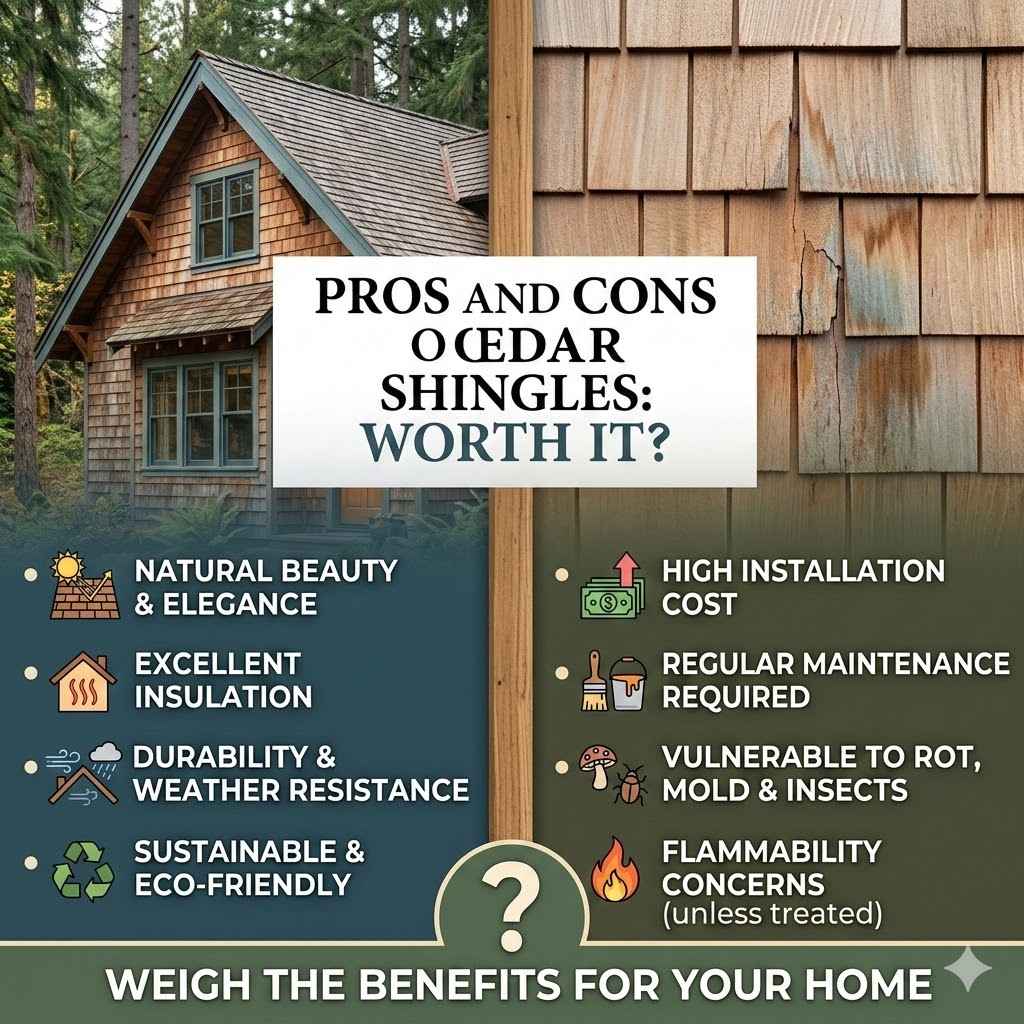
To determine if cedar shingles are right for you, consider what matters most. If natural beauty, a long lifespan, and eco-friendliness are top priorities, and you have the budget and are prepared for the maintenance, then they might be a great fit. However, if low maintenance, immediate cost savings, or living in a very wet or high-fire-risk area are your main concerns, other materials might be better.
Prioritize Your Needs
Think about what you want most from your roof. Do you value the unique aesthetic and natural feel? Or is your main goal to install a roof and forget about it for decades with minimal fuss?
Be honest about your expectations and willingness to perform maintenance. Your personal preferences are key.
Budget Realities
Cedar roofs are an investment. While they can offer good value over time due to their lifespan, the upfront cost is higher. Make sure your budget can handle the initial expense.
Also, factor in potential future costs for maintenance or repairs. Compare the total cost of ownership over 20-30 years.
Understanding Your Local Climate and Environment
Your climate plays a huge role in how well cedar shingles will perform. In dry, sunny climates, they tend to last longer and have fewer issues with rot or moss. In very humid or rainy areas, constant moisture can be a problem, requiring more vigilant maintenance.
Also, consider wildfire risk in your area. Some regions have strict codes against wood roofing due to fire concerns.
Humidity and Rain Impact
Areas with high humidity and lots of rain present challenges for cedar. Moisture can lead to mold, mildew, and rot if the roof isn’t properly ventilated and maintained. In such climates, the lifespan of cedar shingles may be shorter compared to drier regions, unless diligent care is taken.
Regular inspections become even more important.
Fire Risk Assessment
If you live in an area prone to wildfires, assess the fire risk carefully. Building codes in these regions often have specific requirements for roofing materials. You might need special fire-retardant treatments for cedar, which will increase costs.
Sometimes, non-combustible materials are the only option allowed.
Considering Installation and Maintenance Commitment
Cedar shingles demand a commitment to installation quality and ongoing maintenance. It’s crucial to hire experienced installers. Once installed, you must be prepared for regular cleaning and inspections.
If you prefer a “set it and forget it” approach to roofing, cedar might not be the best choice.
Finding Qualified Installers
The quality of installation is paramount for cedar roofs. Seek out roofers with specific experience installing cedar shingles. A poorly installed roof will not last as long and will be more prone to problems like leaks and premature decay.
Ask for references and view past projects if possible.
Maintenance Schedule
Cedar roofs require more upkeep than asphalt. You’ll need to clean off debris, moss, and algae. Inspect for any loose or damaged shingles.
If you have trees that drop a lot of leaves, you may need to clean them more often. This ongoing care is essential for maximizing the roof’s lifespan.
Comparing Cedar to Other Roofing Materials
It’s helpful to compare cedar shingles to other common roofing materials. Asphalt shingles are less expensive but have a shorter lifespan and a less natural look. Metal roofing is durable and low-maintenance but can be costly and has a different aesthetic.
Composite or synthetic shingles can mimic wood but lack the natural appeal.
| Material | Average Lifespan (Years) | Initial Cost (Low/Medium/High) | Maintenance | Aesthetic |
|---|---|---|---|---|
| Cedar Shingles | 25-50+ | High | Moderate | Natural Rustic |
| Asphalt Shingles | 15-30 | Low | Low | Standard |
| Metal Roofing | 40-70+ | High | Very Low | Modern/Industrial |
| Composite/Synthetic Shingles | 20-50 | Medium-High | Low | Mimics Natural Materials |
The table above shows a quick comparison. Cedar offers a good balance of longevity and natural beauty, but at a higher upfront cost and with more maintenance than asphalt or metal.
Case Study: The Eco-Conscious Homeowner
A homeowner in the Pacific Northwest chose cedar shingles for their new home. They valued natural materials and wanted a roof that would blend with the surrounding forest. Despite the higher initial cost and the need for regular cleaning due to moss growth in their damp climate, they are very happy with the result.
Their roof looks beautiful and has held up well over 15 years, requiring only a few minor repairs. They feel the aesthetic and eco-friendly aspects made the investment worthwhile.
Pros and Cons of Cedar Shingles Worth It?
Making the final choice about cedar shingles involves weighing their unique charm and durability against their cost and maintenance needs. For many, the natural beauty and long-term value of a well-maintained cedar roof make it a worthwhile investment. However, it’s essential to consider your budget, local climate, and willingness to maintain the roof to ensure it’s the right decision for your home.
Frequently Asked Questions
Question: How long do cedar shingles typically last?
Answer: With proper installation and regular maintenance, cedar shingles can last anywhere from 25 to 50 years, and sometimes even longer, depending on the climate and care they receive.
Question: Are cedar shingles more expensive than asphalt shingles?
Answer: Yes, cedar shingles are generally more expensive upfront than asphalt shingles due to the material cost and specialized labor required for installation.
Question: Do cedar shingles require a lot of maintenance?
Answer: Cedar shingles require more maintenance than asphalt shingles. They need regular cleaning to prevent moss and algae growth, and occasional treatments to protect the wood.
Question: Are cedar shingles a good choice for fire-prone areas?
Answer: Generally, no. Cedar shingles are combustible. While fire-retardant treatments are available, they are often not sufficient in very high-risk wildfire areas, and other materials may be required by code.
Question: Can I install cedar shingles myself?
Answer: Installing cedar shingles is typically not a DIY project. It requires specialized skills and knowledge to ensure proper installation, which is crucial for the roof’s performance and longevity.
Wrap Up
Cedar shingles offer a beautiful, natural look and can last for many years if properly maintained. While their upfront cost and upkeep are higher, many homeowners find the aesthetic appeal and long-term value make them worth the investment. Consider your climate and commitment to maintenance to decide if this premium roofing option is right for you.