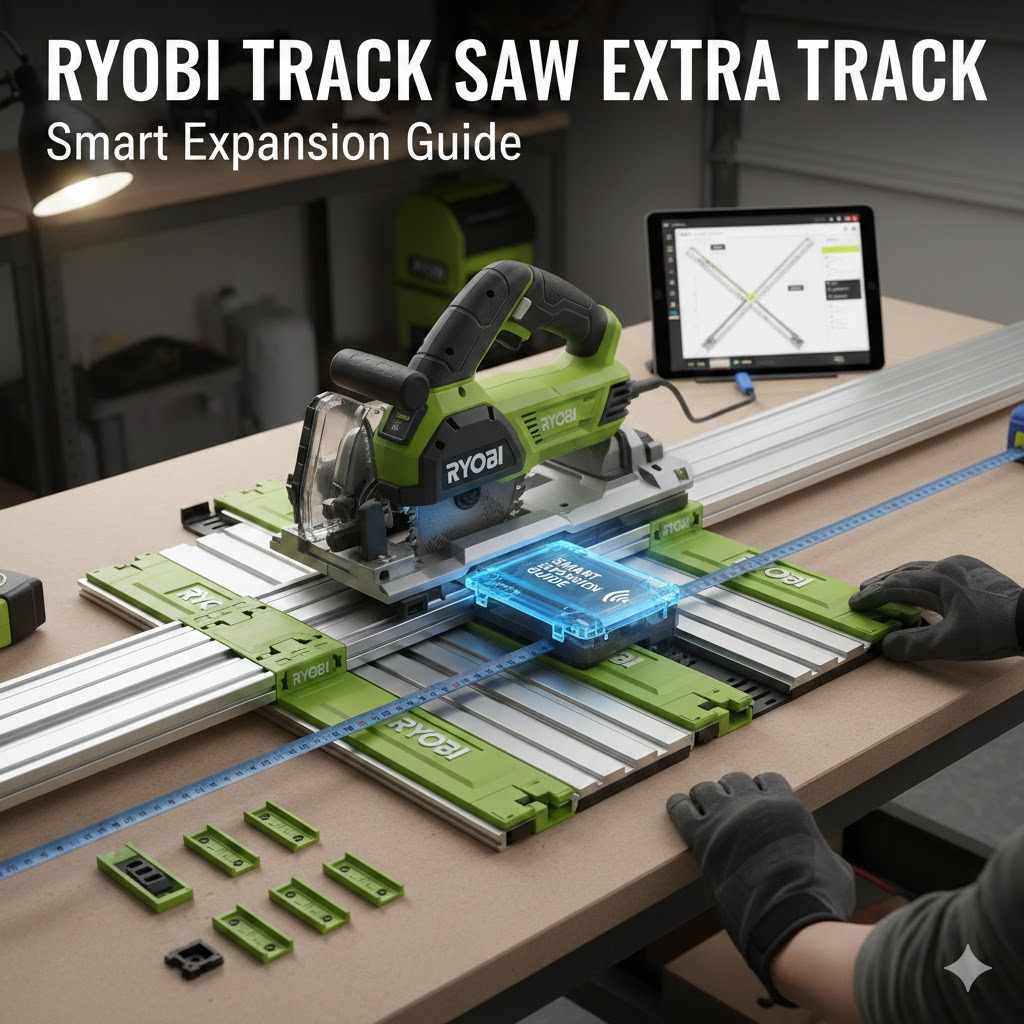
Ryobi Track Saw Extra Track: Smart Expansion Guide
Getting started with a Ryobi track saw can feel a bit tricky, especially when you think about adding more track. The Ryobi Track Saw Extra Track: Smart Expansion Guide might seem like a puzzle at first. But don’t worry, it’s simpler than you think!
We’ll walk through each step easily so you can extend your cutting power without any confusion. Let’s get your saw ready for bigger projects!
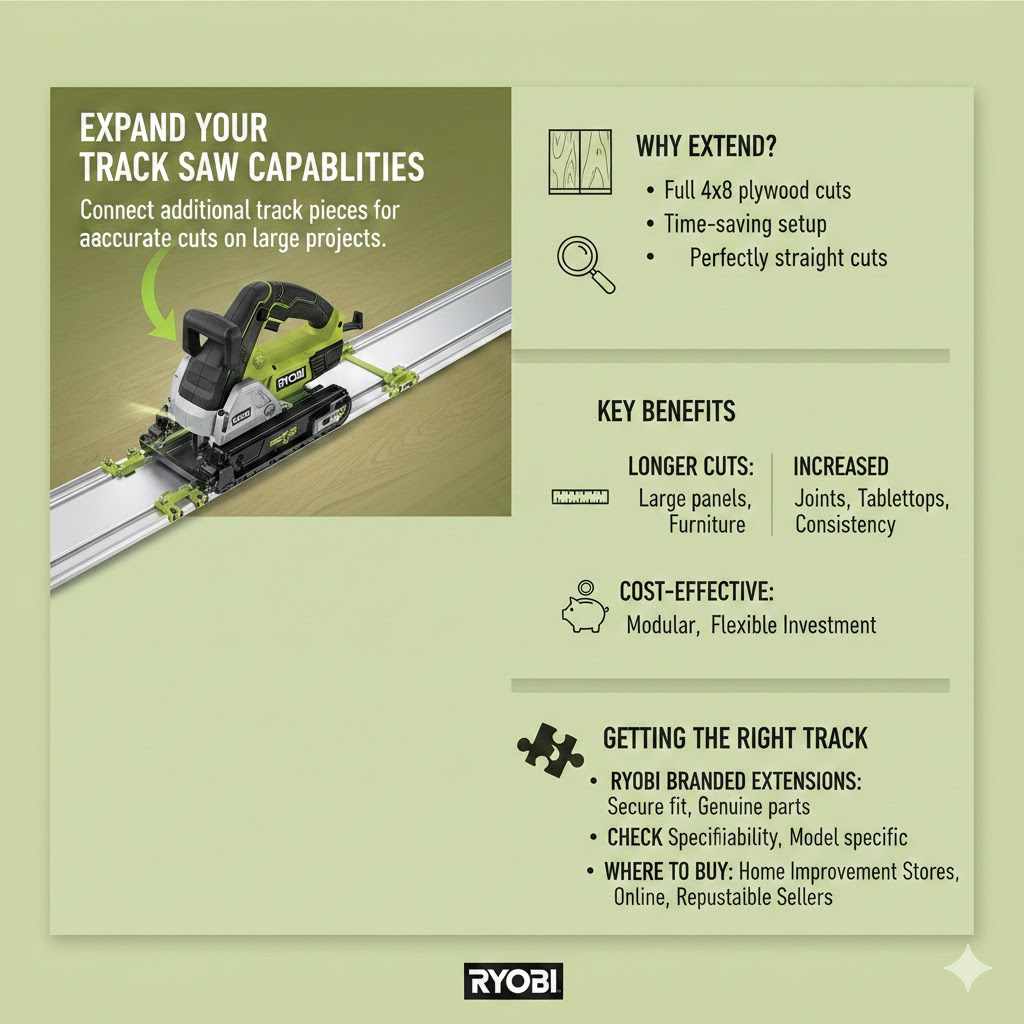
Expand Your Ryobi Track Saw Capabilities
This section will show you how to connect additional track pieces to your Ryobi track saw system. Expanding your track length means you can make longer, more accurate cuts. This is great for large projects like cutting sheet goods for furniture or building a deck.
We will cover why this expansion is so useful and what tools you might need.
Why Extend Your Track Saw Track
Extending the track on your Ryobi track saw opens up a world of possibilities for your woodworking projects. Imagine cutting a full 4×8 sheet of plywood in half with just one setup. This is what adding extra track allows you to do.
It saves time and ensures your cuts are perfectly straight across the entire length of the material. This is a huge advantage over using a standard circular saw and a guide. Many users find that the standard track length is not enough for their larger ambitions.
- Longer Cuts Possible
Having a longer track allows you to cut larger pieces of wood. This is essential for projects involving large panels, like building cabinets or custom furniture. You can make one continuous, straight cut instead of multiple smaller ones, which reduces the chance of error and makes your work look more professional.
This also means less time spent setting up your workpiece multiple times.
- Increased Accuracy
The primary benefit of a track saw is its accuracy. When you extend the track, you maintain that accuracy over greater distances. This means your cuts will be straight and true from one end of the material to the other.
This is crucial for joints and large surface areas where any slight deviation can be noticeable. For tasks like ripping down large boards for a tabletop, a longer track ensures consistency.
- Cost-Effective Solution
Buying a longer, single track can be very expensive. Often, it is more cost-effective to buy individual track extensions and connect them. This allows you to build a track system that is exactly the length you need for your specific projects.
You can start with a basic setup and add more pieces as your needs grow, making it a flexible investment for your workshop. This modular approach provides great value.
Getting the Right Extra Track
Not all track saw tracks are the same. It is important to get track pieces that are specifically designed to connect with your existing Ryobi track saw system. Using incompatible parts can lead to wobbly connections, inaccurate cuts, and potential damage to your tools.
Ryobi offers specific extension tracks that are engineered to fit seamlessly with their track saw. Always check the product description to ensure compatibility. This prevents frustration and ensures your setup works perfectly.
- Ryobi Branded Extensions
The most reliable way to expand your track saw system is by purchasing Ryobi’s own extension tracks. These are manufactured to precise specifications to ensure a tight, secure fit. They often come with connecting hardware designed for Ryobi’s track saw, making the assembly process straightforward.
Choosing genuine parts guarantees that your system will perform as intended, maintaining the high level of accuracy Ryobi track saws are known for. This is the safest bet.
- Checking Specifications
Before buying any extension track, always check the product details. Look for information about compatibility with your specific Ryobi track saw model. Sometimes, even within the same brand, different generations of products might have slightly different connection mechanisms.
Reading reviews or contacting the seller can help confirm if a particular track will work with your system. This small bit of research saves a lot of hassle later.
- Where to Buy
You can typically find Ryobi track saw extension tracks at major home improvement stores, dedicated woodworking tool retailers, and online marketplaces. Prices can vary, so it is a good idea to shop around. Keep an eye out for sales or bundles that might offer a discount.
Buying from reputable sellers also ensures you are getting genuine products and can return them if they don’t fit. This makes purchasing easy and risk-free.
Connecting Your Ryobi Track Saw Extra Track
This part is all about the physical connection. We’ll go over the common methods Ryobi uses to join track sections together. Understanding this process ensures a stable and accurate cutting platform.
We will break down the steps, so it’s easy to follow even if you’ve never done it before.
The Connecting Mechanism
Ryobi track saw systems typically use a system of interlocking connectors and sometimes alignment pins to join track sections. These connectors are designed to create a strong, rigid joint that feels like one continuous piece of track. The goal is to eliminate any gaps or misalignment between the tracks, which is crucial for achieving perfectly straight cuts.
When connected correctly, the seam between the tracks should be almost imperceptible.
- Alignment Pins
Many track saw systems, including Ryobi’s, use small pins that fit into corresponding holes on the ends of the track sections. These pins help to perfectly align the two pieces of track, ensuring they sit flush with each other. This is a critical step for maintaining a smooth, unbroken cutting surface for your saw.
Without proper alignment, the saw could catch or deviate, ruining your cut and potentially damaging the saw. These pins are usually made of metal for durability.
- Connecting Plates or Clamps
Once aligned, connecting plates or specialized clamps are used to secure the two track sections together. These often slide into channels on the underside of the tracks. They are then tightened to create a very rigid connection.
This prevents the tracks from moving independently, which is essential for safety and accuracy. Ryobi usually provides these connecting hardware pieces with their extension tracks, making the process simple. It’s important to tighten these firmly but not overtighten them.
Step-by-Step Connection Process
Connecting your Ryobi track saw extra track is a straightforward process. It usually involves a few simple steps that ensure a strong and accurate connection.
- Prepare the Tracks: Lay your existing track and the new extension track on a flat surface. Make sure the ends that will connect are clean and free of debris.
- Insert Alignment Pins: Carefully insert the alignment pins into the designated holes on the end of one track. Then, align the other track’s holes over these pins and gently push them together.
- Attach Connecting Hardware: Slide the connecting plates or clamps into the channels on the underside of the joined tracks.
- Secure the Connection: Tighten the screws or locking mechanisms on the connecting hardware until the tracks are held firmly together. Check that there is no play or movement between the two pieces.
- Test the Joint: Gently run your hand over the connection point to feel for any noticeable bumps or gaps. The surface should feel smooth and continuous.
Common Challenges and Solutions
Sometimes, even with clear instructions, users might run into minor issues when connecting tracks. Here are a few common problems and how to fix them.
- Tracks Don’t Sit Flush
If the tracks don’t sit perfectly flush, double-check that the alignment pins are fully inserted and that no debris is preventing a clean fit. Sometimes, slightly wiggling the tracks while pushing them together can help them seat properly. Ensure you are using the correct connecting hardware for your specific Ryobi track saw model, as variations can affect the fit.
- Connection Feels Loose
A loose connection usually means the connecting hardware is not tightened enough. Re-tighten the screws or clamps securely. If the connection remains loose, inspect the connecting hardware and the track channels for any damage or wear.
Using Ryobi’s genuine parts is the best way to avoid this issue, as they are designed for a precise fit.
- Difficulty Aligning Pins
If the alignment pins are difficult to insert or remove, ensure you are pushing the tracks together straight. Sometimes, a little bit of gentle pressure applied evenly across the connection point can help. Avoid forcing the pins, as this could damage them or the track.
Make sure you are using the correct pins for your track model.
Maximizing Your Track Saw Setup
Once your Ryobi track saw extra track is connected, you’ll want to get the most out of your expanded system. This section covers how to use your longer track effectively for various woodworking tasks.
Precision Cutting Techniques
With a longer track, you can achieve even greater precision in your cuts. The key is to use the track as intended and to set up your workpiece correctly. A stable, well-supported workpiece is as important as a well-connected track.
- Supporting Large Panels
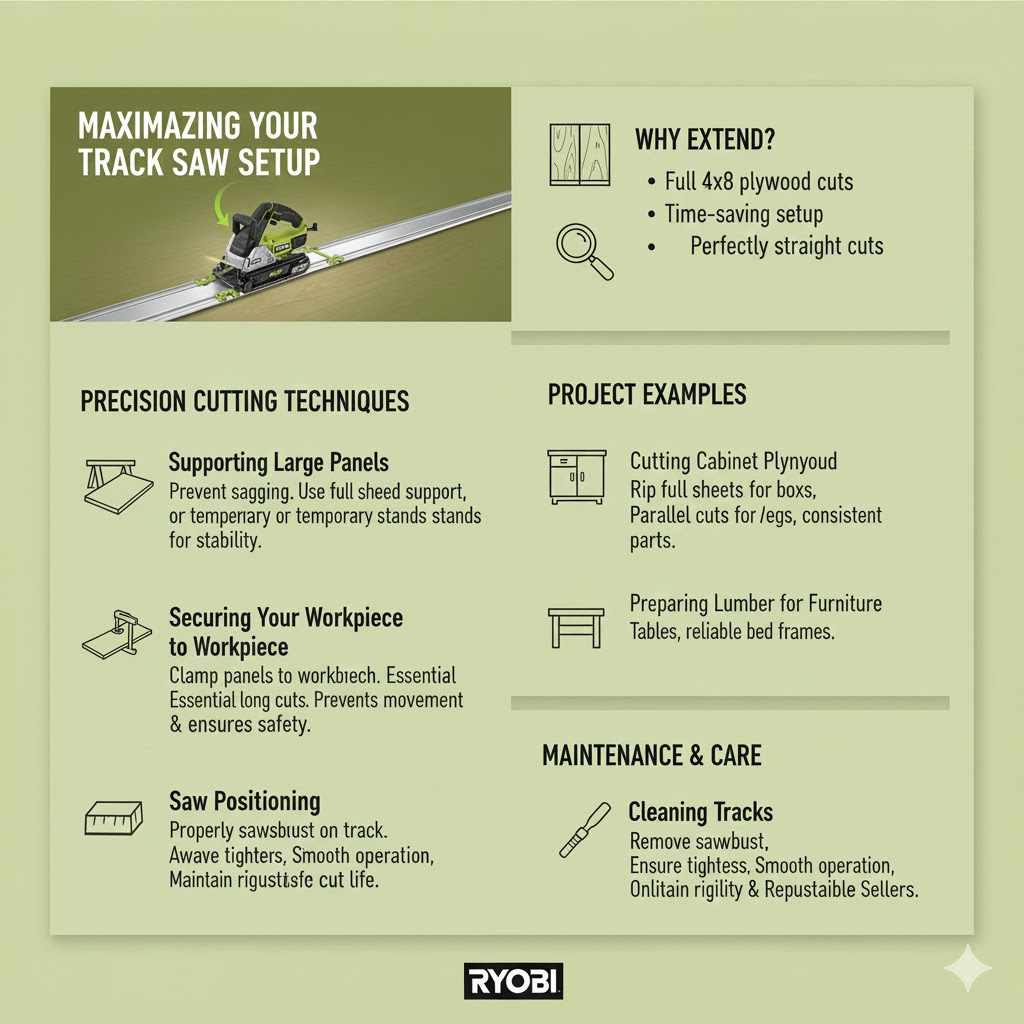
When cutting large panels, ensure they are adequately supported. Use sawhorses, a workbench with outfeed support, or even temporary supports to prevent the material from sagging, especially after the cut is made. A sagging piece can bind the blade, leading to inaccurate cuts or even kickback.
For very large sheets, consider using a rolling table or having an assistant help support the offcut.
- Securing Your Workpiece
Always clamp your workpiece to your sawhorses or workbench to prevent it from moving during the cut. This is especially important for long cuts where the saw is in contact with the track for an extended period. You can use clamps that fit under the track, or standard clamps placed strategically so the saw does not interfere with them.
A securely held piece is fundamental to safe and precise cutting.
- Saw Positioning
Ensure your Ryobi track saw is properly seated on the track and that the blade is aligned with your cut line. For long cuts, periodically check that the saw is still running smoothly on the track and that there are no obstructions. Some users find it helpful to mark their cut line on the workpiece and then align the track directly with that line, accounting for the blade’s kerf (the width of the cut).
This ensures the saw cuts exactly where you want it to.
Project Examples
Here are some examples of projects where extending your Ryobi track saw track is incredibly beneficial:
- Cutting Cabinet Plywood: When building a set of kitchen cabinets, you’ll often need to rip down large sheets of plywood for the cabinet boxes. A longer track allows you to make multiple parallel rips on a full 4×8 sheet quickly and accurately, creating consistent-sized parts for all your cabinets. This saves a significant amount of time and ensures the boxes are square.
- Building a Workbench: Constructing a sturdy workbench often involves cutting large boards for the top and legs. A longer track ensures you can get perfectly straight cuts on these substantial pieces, resulting in a stable and reliable workbench that will last for years. This prevents wobbling or uneven surfaces.
- Preparing Lumber for Furniture: For larger furniture pieces like tables or bed frames, you might need to cut long pieces of lumber to specific dimensions. A Ryobi track saw with an extended track makes these long, precise rips and crosscuts much easier and more accurate than with traditional saws.
Maintenance and Care
To keep your expanded track system performing optimally, regular maintenance is important. Keeping the tracks clean ensures smooth operation of your saw.
- Cleaning Tracks
After each use, especially if you’ve been working with dusty materials like MDF, clean your tracks. Use a soft brush or a damp cloth to remove sawdust and debris. This prevents buildup that could interfere with the saw’s movement.
A clean track leads to smoother cuts and prolongs the life of your saw’s components. Pay attention to the anti-splinter strips as well.
- Checking Connections
Periodically, check the tightness of your track connectors. Vibration from use can sometimes loosen them over time. A quick check before starting a project ensures your track system remains rigid and accurate.
If you notice any wear on the connecting hardware, it might be time to replace it to maintain optimal performance and safety.
Ryobi Track Saw Extra Track Smart Expansion Guide FAQs
Question: How do I know if an extra track is compatible with my Ryobi track saw?
Answer: Look for product descriptions that explicitly state compatibility with your specific Ryobi track saw model. Often, Ryobi branded extension tracks are designed to work with their saws. If unsure, check the manual for your saw or contact the retailer.
Question: Can I use non-Ryobi extension tracks with my Ryobi track saw?
Answer: While some universal track systems might exist, it is generally recommended to use Ryobi’s own extension tracks. Non-Ryobi tracks may not have the precise fitting mechanism, leading to poor alignment, wobbly connections, and inaccurate cuts.
Question: What is the maximum length I can extend my Ryobi track saw?
Answer: The maximum length you can extend your track saw depends on the number of extension tracks you purchase and connect. There isn’t usually a strict limit imposed by the saw itself, but rather by practical considerations like workspace size and the stability of very long tracks.
Question: How do I clean the anti-splinter strip on the track?
Answer: The anti-splinter strip can usually be cleaned with a stiff brush or a damp cloth. For stubborn debris, you might need a bit of gentle scraping. Ensure it is dry before using the track saw again to prevent any binding.
Question: What should I do if my saw feels like it’s catching on the connection point?
Answer: This indicates a slight misalignment or bump at the connection. Re-check your connection, ensure alignment pins are in place, and that connectors are tight. Gently adjust the tracks if needed to create a smooth transition for the saw.
Conclusion
Expanding your Ryobi track saw with extra track is a smart move for any woodworker wanting more cutting power. By understanding how to connect and use these extensions, you gain the ability to make precise, long cuts. This guide has shown you the simple steps to achieve a stable, accurate cutting platform, empowering you for bigger projects.
Go ahead and extend your capabilities with confidence.