Delta 10 Inch Sliding Compound Miter Saw: Cruzer vs ShopMaster
Delta currently sells two different 10-inch sliding compound miter saws, not one — the dual-bevel Cruzer 26-2310 and the single-bevel ShopMaster S26-263L — and their crosscut capacity differs by 4 inches (16" vs 12"). Buying the wrong one means flipping boards for bevel cuts it can’t make in one pass. This guide compares real specs for both and covers which fits framing, trim, and furniture work.
[Insert your Affiliate Disclosure reusable block here]
Quick Answer
Need dual-bevel angles and a wider crosscut for baseboard and crown molding? Get the Delta Cruzer 26-2310 (16-inch crosscut, bevels both directions). Mostly cutting lumber at 90 degrees on a budget? The Delta ShopMaster S26-263L still handles a nominal 2-by-12 at full bevel and costs less — it just bevels one direction only.
Delta’s Two 10-Inch Sliding Compound Miter Saws Compared
Best Dual-Bevel Pick
Delta Cruzer 26-2310 Dual Bevel Sliding Miter Saw
The exact saw compared in this guide — 16-inch crosscut, dual bevel, Shadow Guide cut line.
- Best for: Crown molding, wide baseboard, bevel cuts on both sides
- Why we picked it: Widest crosscut capacity of the models compared here, plus dual bevel
- Main drawback: Costs more than single-bevel options
Compare more 10-inch sliding miter saw options
 Option 1 SKIL MS6305-00 Dual Bevel Sliding Saw
|
 Option 2 DEWALT DWS713 Single Bevel Compound
|
 Option 3 Bosch CM10GD Compact Glide
|
As an Amazon Associate we earn from qualifying purchases.
Delta sells both saws under the same “10-inch sliding compound” description, which is why shoppers searching for one Delta 10-inch miter saw often end up comparing two different products. Here’s what actually separates them, pulled from Delta’s own published specifications.
| Spec | Cruzer 26-2310 | ShopMaster S26-263L |
|---|---|---|
| Bevel | Dual, 45° left & right, 7 stops | Single, 0–45° left only |
| Crosscut capacity | 16 in. | 12 in. |
| Miter range | 50° left / 60° right, 10 detents | 10 positive miter stops |
| Cut-line system | Shadow Guide (line, not laser) | Laser guide with on/off switch |
| Motor | 15 Amp | 15 Amp |
| Warranty | 5-year PLEDGE warranty | Standard Delta warranty |
| Best for | Crown molding, wide baseboard, bevel cuts both ways | Framing, straight crosscuts, tighter budget |
Specs sourced from Delta Machinery’s published product pages for the 26-2310 and S26-263L. Always confirm current specs on the model you’re buying — Delta has revised this lineup before.
📊 The 4-inch crosscut gap between these two saws is bigger than it sounds: 16 inches clears a single-pass cut on a 1-by-16 shelf board or wide crown molding laid flat; 12 inches does not — you’d need to flip the board and cut from both sides. Source: Delta Machinery product specifications.
Delta Cruzer 26-2310: Specs and Key Features
The Cruzer 26-2310 is Delta’s dual-bevel 10-inch sliding compound miter saw. Its 16-inch crosscut capacity is best-in-class for a 10-inch blade — most 10-inch sliding saws top out closer to 12 inches.
Cutting Capacity and Bevel
- Dual bevel: 45° left and right, with 7 positive stops at common angles
- Miter range: 50° left, 60° right, 10 miter detents
- 16-inch crosscut capacity
Build and Dust Collection
The frame uses aluminum arms riding on 18 heavy-duty bearings, which is what lets Delta call the sliding action smooth over the saw’s life rather than just at the showroom. A 1.5-inch dust port connects to a shop vacuum for real dust collection — the stock dust bag alone catches far less.
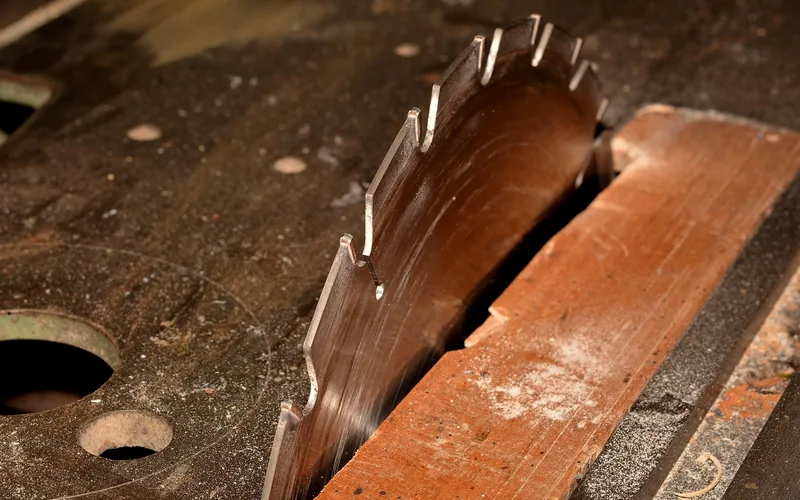
Delta ShopMaster S26-263L: Specs and Key Features
The ShopMaster S26-263L is Delta’s single-bevel 10-inch sliding compound miter saw. It bevels left only, from 0° to 45°, and crosscuts up to 12 inches wide — enough to cut a nominal 2-by-12 at full bevel.
- Front lock control system with 10 positive miter stops
- Laser cut-line indicator with an on/off switch
- Electric brake stops the blade within seconds of releasing the trigger
- Cord exits the rear of the slide bar, away from the blade path
“The saw’s aluminum frame members use 18 heavy-duty bearings for smooth cutting operation and long tool life.”
What Can You Actually Cut With a 10-Inch Sliding Miter Saw?
Crosscut capacity is the number that decides whether a board fits in one pass. At 16 inches, the Cruzer clears a single-pass cut on wide baseboard, most crown molding laid flat against the fence, and shelving up to 1-by-16. At 12 inches, the ShopMaster still handles a nominal 2-by-12 at full bevel — plenty for deck framing, stud walls, and standard trim — but wider crown or shelf stock needs a flip cut.
- Framing and stud walls: both models handle nominal 2x lumber at common angles
- Crown molding: the 16-inch Cruzer clears more moldings laid flat; check your molding’s spread width against 12 inches before buying the ShopMaster
- Furniture and trim: the laser guide on the ShopMaster and the Shadow Guide on the Cruzer both help align repeat cuts, just via different methods
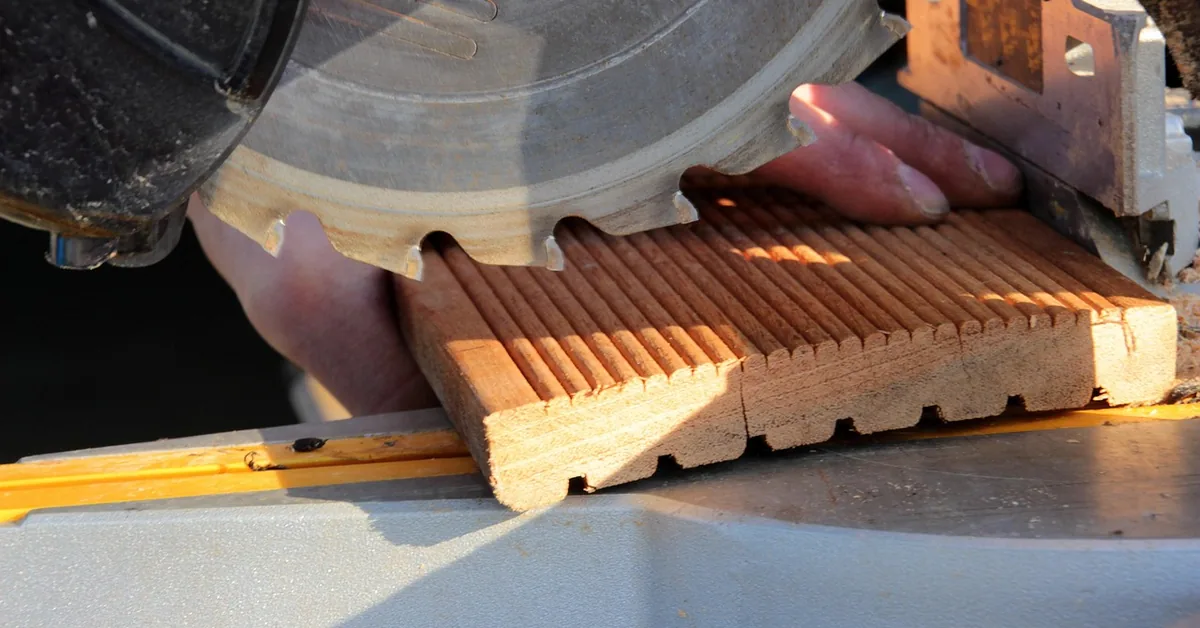
- Deck boards: a single 5/4×6 deck board crosscuts fine on either saw

Dual Bevel vs Single Bevel: Which One Do You Actually Need?
A single-bevel saw like the ShopMaster tilts one direction, so cutting a matching pair of angled trim pieces means flipping the board end-for-end instead of just resetting the bevel. A dual-bevel saw like the Cruzer tilts both ways, so left- and right-hand copes and returns take one setup change instead of a board flip. If you mostly cut crown molding, cove trim, or anything installed in mirrored pairs, dual bevel saves real time. If you mostly rip framing lumber to length at square or single angles, you won’t notice the difference.
Not every wide sliding saw on the market is a Delta — if you want a broader look at what a sliding mechanism buys you across brands, see our miter saw machine explainer, and if you’re comparing this Delta against a Craftsman 10-inch compound model, our Craftsman 10-inch compound miter saw guide covers that saw’s specs side by side.
Maintenance: Keeping Either Saw Cutting Straight
- Unplug the saw before any cleaning or blade work.
- Brush out dust from the blade guard and slide rails after each use — packed sawdust is what makes the slide feel gritty over time.
- Check blade alignment against the laser or Shadow Guide monthly, loosening and re-tightening the adjustment screws if the line drifts.
- Replace the blade once cuts start tearing out instead of slicing cleanly — a dull blade also strains the motor.
Use a miter saw adjustment guide if the angle stops drift out of true, and see our compound miter saw basics guide if you’re new to bevel-plus-miter cuts.
Frequently Asked Questions
Does the Delta 10-inch miter saw bevel both directions?
It depends on the model. The Delta Cruzer 26-2310 bevels both left and right up to 45 degrees. The Delta ShopMaster S26-263L bevels left only, from 0 to 45 degrees. Check which model you have before assuming dual-bevel capability.
What is the crosscut capacity of a Delta 10-inch sliding miter saw?
The Delta Cruzer 26-2310 has a 16-inch crosscut capacity, among the widest for a 10-inch sliding saw. The Delta ShopMaster S26-263L crosscuts up to 12 inches, enough for a nominal 2-by-12 at full bevel.
Will a Delta 10-inch sliding miter saw cut a 2-by-12?
Yes. Both current Delta 10-inch sliding models handle a nominal 2-by-12 at 90 degrees. The ShopMaster S26-263L specifically lists a 2-by-12 cut at full bevel as within its 12-inch crosscut capacity.
How much does the Delta Cruzer 26-2310 weigh?
Delta’s general specifications for its 10-inch sliding compound miter saw line list a weight around 29.5 pounds, making it light enough to carry between a shop and a jobsite without a rolling stand.
What is the difference between the Delta Cruzer and ShopMaster miter saws?
The Cruzer 26-2310 is the dual-bevel model with a 16-inch crosscut, 7 bevel stops, and a Shadow Guide cut-line system. The ShopMaster S26-263L is the single-bevel model with a 12-inch crosscut and a laser guide instead. The Cruzer costs more and cuts wider stock; the ShopMaster is the budget, straight-cut option.
Conclusion
Delta’s two 10-inch sliding compound miter saws solve different problems. The Cruzer 26-2310 is the wider-crosscut, dual-bevel pick for crown molding and mirrored trim. The ShopMaster S26-263L is the lighter, single-bevel option for framing and straight crosscuts on a tighter budget. Match the crosscut capacity and bevel type to what you actually cut, not just the “10-inch Delta” label — that label covers both saws.
Sponsored / affiliate links. As an Amazon Associate I earn from qualifying purchases. I may earn additional commission from eligible campaigns.