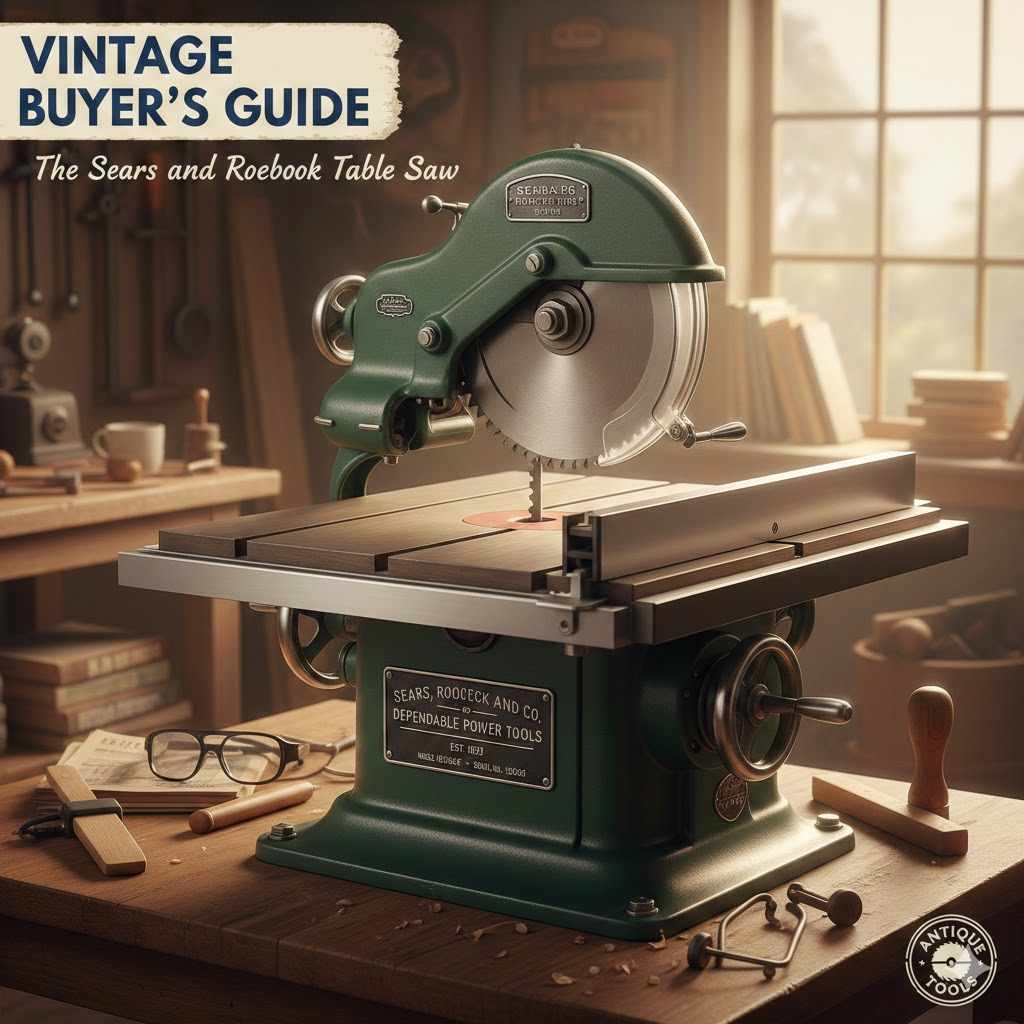
Sears Roebuck Table Saw Vintage Buyer’s Guide
Finding the right old tool can be tricky, and sometimes it feels like you’re on your own. The Sears and Roebuck Table Saw: Vintage Buyer’s Guide is a topic many people ask about because these old saws are built tough. But figuring out which one is best for you can feel a bit confusing at first.
Don’t worry, this guide will walk you through it step by step. We’ll make it easy to pick out a great vintage saw. Let’s start by looking at what makes these saws special.
Exploring Vintage Sears Roebuck Table Saws
This section looks at why vintage Sears Roebuck table saws are sought after. We will cover their history and what makes them stand out for woodworkers. You will learn about their solid construction and simple designs that many people still love today.
This will help you appreciate the value and appeal of these classic tools. We will also touch on why they are a smart choice for your workshop if you are looking for reliability and character.
The Legacy of Sears Roebuck Tools
Sears Roebuck and Company was a giant in American retail for many years. They sold tools under their own brand names for a long time. Many of these tools were made by well-known manufacturers but sold exclusively through Sears.
This means the quality was often very good, designed to last. People remember these tools fondly for their durability and how well they performed.
- Sears often worked with top tool makers to produce their branded items. This ensured a high standard of quality that customers could rely on. The tools were meant to be used by home craftsmen and professionals alike.
- The Sears catalog was a household staple, bringing a wide range of products, including woodworking tools, into homes across America. Their tools became a trusted part of many workshops.
- Many of these older tools, including table saws, are still in use today. This speaks volumes about their original design and the quality of materials used in their construction. They were built to be repaired and last for generations.
Why Choose a Vintage Sears Table Saw
Vintage Sears table saws offer a blend of solid performance and classic design. They were often built with cast iron components, which gives them a substantial weight. This weight helps reduce vibration, leading to cleaner cuts and more accurate work.
Unlike many modern tools made with more plastic, these old saws are made from metal that can withstand heavy use.
- Durability and Longevity: These saws were built to last. With proper care and maintenance, a vintage Sears table saw can serve a woodworker for decades. Their robust construction means they are less prone to breaking down.
- Performance for the Price: Often, you can find a vintage Sears table saw in good working condition for a fraction of the cost of a new saw with similar features. This makes them an attractive option for hobbyists and those on a budget.
- Simplicity of Design: Many older Sears table saws have simpler mechanisms compared to modern saws. This can make them easier to understand, maintain, and repair. Fewer complex electronics mean fewer things to go wrong.

Identifying Specific Sears Roebuck Table Saw Models
When looking for a vintage Sears table saw, knowing the different models is key. Sears used various model names and numbers over the years. This section will help you identify some of the most common and desirable models.
We will discuss how to find model numbers and what to look for to ensure you are getting a quality saw that fits your needs. Understanding these details will make your search much more successful.
Common Model Lines and Features
Sears often sold table saws under brands like Craftsman. The Craftsman brand is very popular for vintage tools because of its widespread availability and reputation. You might see different series or types of saws within the Craftsman line.
Some were designed for lighter home use, while others were more heavy-duty for serious woodworkers.
- Craftsman Benchtop and Tabletop Saws: These are typically smaller and more portable. They are good for small shops or for people who need to move their saw around. They often have lighter frames but can still offer good cutting capabilities for many projects.
- Craftsman Contractor Saws: These are more substantial and offer better dust collection and more power. They are a popular choice for serious hobbyists. They often have a cast iron base and a more stable stance.
- Craftsman Industrial-Style Saws: These are the heaviest and most powerful saws Sears offered. They are built like professional cabinet saws and are excellent for heavy, continuous use. They usually have a very robust cast iron construction.
Decoding Model Numbers and Dates
Finding the model number is your first step to learning about a specific saw. Sears often put model numbers on a plate on the back or side of the saw. These numbers usually start with “10” followed by other digits, like 103.
- The ‘103’ Series: Many early Craftsman table saws, especially those from the 1940s to the 1970s, have model numbers starting with 103. These were often made by companies like King-Seeley or Western Auto. These saws are known for their robust cast iron construction and reliable operation.
- The ‘113’ Series: This series, common from the 1970s through the 1990s, was largely manufactured by Emerson Electric. Many of these are considered excellent contractor-style saws. They often feature powerful motors and good build quality, making them a favorite among woodworkers.
- Dating Your Saw: While model numbers don’t always directly provide the year, searching online forums or tool collector sites using the model number can often help you narrow down the manufacturing period. Sometimes, there are date codes stamped on parts.
What to Look For When Buying a Used Sears Table Saw
Buying a used tool means you need to be a good inspector. This section will guide you through checking the essential parts of a Sears Roebuck table saw before you buy it. We will cover the motor, the blade mechanism, the fence, and the table itself.
A thorough inspection will help you avoid buying a saw that needs expensive repairs.
Checking the Motor and Power
The motor is the heart of your table saw. For a vintage Sears table saw, you’ll typically find either a universal motor (often found on smaller benchtop saws) or an induction motor (more common on larger contractor or cabinet saws). Induction motors are generally preferred for their quieter operation and greater durability.
- Motor Type and Power: Universal motors are lighter and can run on standard household power. However, they can be noisy and wear out faster. Induction motors are heavier, quieter, and more efficient for continuous use. Look for a motor that is at least 1 horsepower, preferably 1.5 HP or more for larger saws.
- Signs of Wear: Listen for any strange noises like grinding or whining when the motor runs. Check if it spins freely without excessive wobble. Ensure the power cord is in good condition, with no frayed wires or damage. A motor that smells burnt is a bad sign.
- Electrical Components: If possible, test the saw to ensure the motor starts up quickly and runs smoothly. Check that the on/off switch works correctly and feels solid. Older saws might have a simple toggle switch, while later models could have a push-button or paddle switch.
Inspecting the Blade and Trunnions
The blade and trunnions are critical for accurate cuts. The trunnions are the cast iron pieces that hold the blade assembly and allow it to tilt and raise/lower. They are usually mounted to the underside of the table.
- Blade Alignment and Tilt: Ensure the blade spins true without wobbling. Check that the blade guard moves freely and can be adjusted properly. For tilting saws, verify that the tilt mechanism moves smoothly to all angles, especially 45 and 90 degrees. Look for smooth movement and check for any binding or excessive play.
- Trunnion Condition: Inspect the trunnions for cracks, severe rust, or damage. These are usually made of heavy cast iron. If they are heavily rusted, they might be difficult to adjust, or they could compromise the saw’s stability. Light surface rust can often be cleaned and treated.
- Drive Belt and Pulleys: If the saw uses a belt drive, check the condition of the belt. It should be free of cracks or fraying. Inspect the pulleys on the motor and the blade arbor for damage or excessive wear. A worn belt can cause slippage and loss of power.
Evaluating the Table and Fence System
The table provides the work surface, and the fence guides your cuts. Both need to be flat, smooth, and true for safe and accurate woodworking.
- Table Surface: Look for a cast iron table that is flat and free of major rust or pitting. Minor surface rust can often be removed with steel wool or a wire brush and then treated with oil. Deep gouges or significant warping can affect accuracy and safety. Ensure the miter slots are clean and not damaged, as they are used for jigs and crosscuts.
- Fence and Rails: A good fence should be straight and parallel to the blade. Check that the fence slides smoothly along its rails. Ensure the locking mechanism holds the fence firmly in place without slipping. Worn or bent fence components will lead to inaccurate cuts.
- Extensions and Wings: Many Sears table saws come with table extensions or wings. These should be level with the main table surface and securely attached. Uneven extensions can make it difficult to support larger workpieces.
Here is a quick checklist to help you inspect a used Sears Roebuck table saw:
- Power On and Listen: Plug it in and turn it on. Listen for unusual motor sounds.
- Spin the Blade: Manually spin the blade to check for wobble. Check the tilt and height adjustments.
- Check the Fence: Slide the fence back and forth. Ensure it locks securely and is parallel to the blade.
- Inspect the Table: Look for flatness and major rust. Check the miter slots.
- Examine the Cord and Switch: Make sure they are in good condition.
Maintenance and Upgrades for Vintage Sears Table Saws
Once you have your vintage Sears table saw, keeping it in top shape is important. This part will cover basic maintenance and some popular upgrades that can make your old saw even better. Good maintenance ensures safety and performance, while upgrades can improve its functionality for modern woodworking tasks.
Essential Maintenance Practices
Regular maintenance is key to the longevity and safe operation of any power tool, especially older ones. For your Sears Roebuck table saw, a few simple steps can make a big difference. These tasks are straightforward and do not require specialized tools.
- Cleaning and Lubrication: Keep the table surfaces clean and free of pitch and sawdust. A light coat of paste wax can help materials glide smoothly. Lubricate all moving parts, such as the trunnion adjustment screws, at regular intervals as recommended by the saw’s manual if available, or typically once a year.
- Checking Belts and Alignments: Periodically inspect the drive belt for cracks or wear. Adjust or
- Dust Management: Older saws may not have sophisticated dust collection systems. Ensure you have a way to manage dust, either with a shop vacuum attached to a dust port or by sweeping regularly. This is important for both your health and the longevity of the saw’s internal components.
Popular Upgrades for Performance
While vintage Sears table saws are great as-is, a few common upgrades can enhance their performance and safety. These are popular among woodworkers looking to get the most out of their classic tools.
- Blade Guard and Dust Collection: Many older saws came with basic blade guards. Upgrading to a modern riving knife system or a more robust dust collection blade guard can significantly improve safety and dust removal. A riving knife helps prevent kickback by keeping the kerf open behind the blade.
- Mobile Base: If your saw is heavy, a mobile base allows you to move it around your workshop easily. This is a huge convenience for small or multi-purpose shop spaces. Many affordable options are available, or you can build one yourself.
- New Fence System: While original fences can be functional, upgrading to a modern, more accurate fence system can greatly improve your cutting precision. Systems like the Biesemeyer or Delta T2 are popular choices. Ensure the new fence is compatible with your saw’s table and mounting points.
Here are some scenarios where upgrades are beneficial:
- Scenario 1: You have an older Sears saw with a basic guard and poor dust collection. Upgrading to a modern guard with a riving knife and connecting it to a shop vac will make it much safer and cleaner to use.
- Scenario 2: Your saw is a heavy contractor model that is difficult to move. Adding a mobile base will allow you to reposition it for different tasks or free up space when not in use.
- Scenario 3: The original fence on your saw is wobbly and hard to lock accurately. Replacing it with a precision fence system will ensure straighter, more repeatable cuts.
Sourcing Replacement Parts
Finding parts for vintage tools can sometimes be a challenge, but it’s often possible. Many parts are standardized, or you might find them from other vintage saw owners or specialized suppliers.
- Online Marketplaces: Websites like eBay are excellent places to find used or NOS (new old stock) parts for Sears tools. You might find anything from knobs and levers to pulleys and motor components.
- Woodworking Forums and Groups: Online communities dedicated to woodworking and vintage tools are invaluable resources. You can often ask for specific parts or find someone selling a donor saw for parts. People are usually happy to help fellow enthusiasts.
- Machine Shops: For some metal parts that are broken or missing, a local machine shop might be able to fabricate a replacement. This is usually a more expensive option but can be a lifesaver for critical components.
Sears Roebuck Table Saw Vintage Buyer’s Guide Summary
Many people find the Sears and Roebuck Table Saw: Vintage Buyer’s Guide helpful. These saws are great buys. They offer solid build quality and reliable performance.
By checking the motor, blade assembly, table, and fence, you can find a gem. Simple maintenance and smart upgrades can make your vintage saw a workhorse. Enjoy your classic tool!

Frequently Asked Questions
Question: Are vintage Sears table saws safe to use?
Answer: Yes, vintage Sears table saws can be safe to use if they are in good working condition and proper safety precautions are followed. Ensure blades are sharp, alignments are correct, and use safety gear like eye and ear protection. Older saws might lack some modern safety features, so understanding their operation is key.
Question: Where can I find parts for an old Sears table saw?
Answer: You can often find parts on online marketplaces like eBay, in specialized vintage tool forums, or from other woodworkers who might have parts from donor saws.
Question: What is the best way to clean rust off a cast iron table saw top?
Answer: You can use fine-grade steel wool, a wire brush, or even gentle sandpaper for surface rust. After cleaning, apply a rust inhibitor or paste wax to protect the surface.
Question: How much power should a vintage Sears table saw motor have?
Answer: For general woodworking, a motor of 1 horsepower or more is usually sufficient. Larger saws and those intended for heavier work might have 1.5 to 2 horsepower motors.
Question: Are Craftsman table saws from Sears good investments?
Answer: Yes, many vintage Craftsman table saws are considered good investments due to their durable construction, reliable performance, and often lower cost compared to new, comparable saws.
Conclusion
This guide helps you find a great Sears Roebuck table saw. You learned about their history and what to look for. Checking key parts like the motor, blade, and fence ensures you get a quality saw.
With basic upkeep and potential upgrades, your vintage saw will be a trusted tool for many projects. Happy woodworking!