Should I Let Pressure Treated Wood Dry before Installing? Essential Tips
You’re standing in your backyard, ready to embark on your next DIY project, and you find yourself staring at a stack of pressure-treated wood. A question pops into your mind: “Should I let this wood dry before installing it?”
It’s a common dilemma that many homeowners and hobbyists face. The urge to jump right into your project is strong, but taking a moment to consider this crucial step could save you from future headaches. We’ll dive into why drying pressure-treated wood can make all the difference in the longevity and quality of your project.
By the end, you’ll have the knowledge to make an informed decision and ensure your hard work stands the test of time. Let’s explore the importance of this often-overlooked step, so you can build with confidence and peace of mind.

Credit: www.decks-docks.com
Benefits Of Letting Pressure Treated Wood Dry
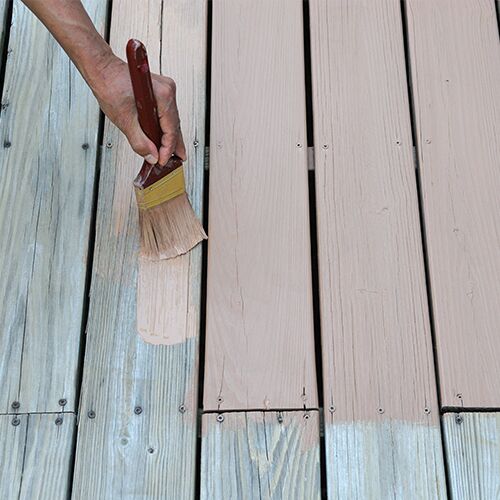
Pressure treated wood is full of chemicals. These chemicals protect it from bugs. They also keep it safe from rot. But this wood is often wet. Dry wood is easier to work with. It is also stronger and lasts longer. When wood dries, it does not twist. It stays straight and smooth. Dry wood is less likely to crack. It holds nails and screws better. Builders find it easier to paint and stain. Dry wood looks nicer. It has a cleaner finish.
Letting wood dry can save money. Wet wood might need repairs later. Dry wood is ready to use. It is best for building decks and fences. Waiting for wood to dry is smart. It makes everything better.

Credit: www.southshoredeckbuilders.com
Potential Issues With Immediate Installation
Pressure treated wood is often wet. This is because of the chemicals used. These chemicals help the wood last long. Wet wood can cause problems. It might shrink after installation. This can create gaps or loosen screws. Warping is another issue. The wood can bend or twist. This happens when it dries unevenly. Wet wood is also heavy. It is harder to handle. Drying the wood first can prevent these problems. Dry wood is easier to work with. It fits better and stays in place. Waiting can save time and effort later.
Signs That Wood Is Ready For Installation
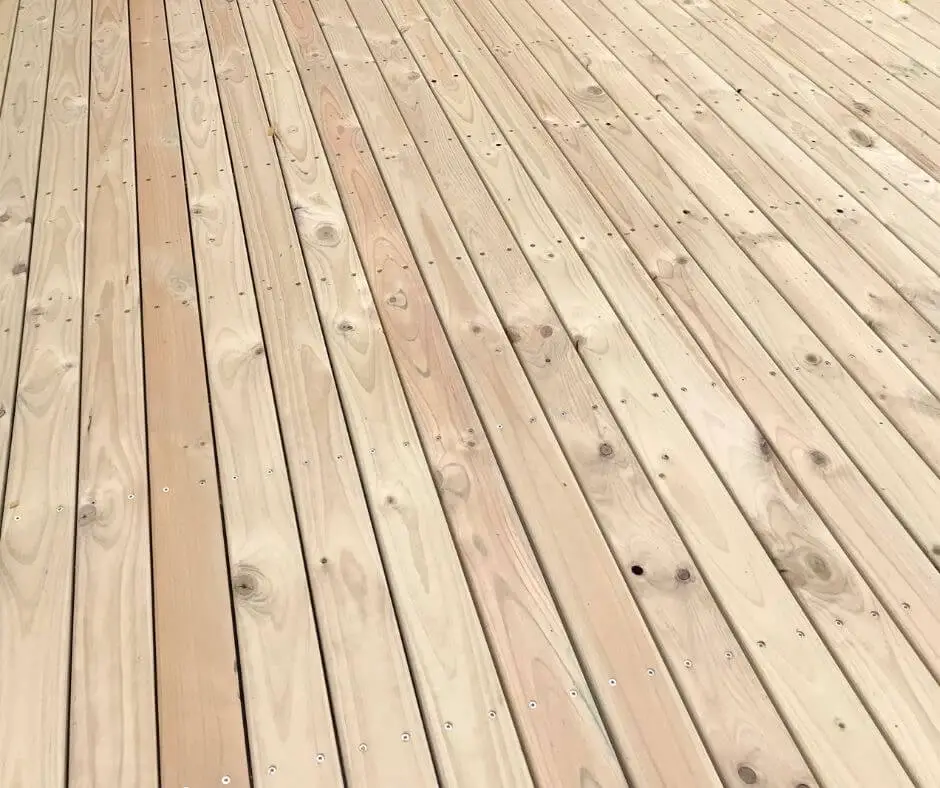
Wood feels dry to touch when it’s ready. No wet spots or dampness. This means moisture is gone. Check the color. Dry woodbecomes lighter. It looks more natural. Pressure treated woodmay feel heavier when wet. When dry, it feels lighter. Tap the wood gently. Listen for a solid sound. Wet wood sounds dull. Dry wood sounds sharp. Use a moisture meter. It measures water in wood. Below 19% means it’s dry enough. This tool helps to avoid mistakes. If unsure, ask an adult for help. Installing wet wood causes problems. It might shrink or warp. This can damage your project. Always check if wood is dry first. It saves time and effort.
Ideal Drying Time For Pressure Treated Wood
Pressure treated wood needs time to dry. Drying helps prevent warping and shrinking. Usually, it takes two to three months to dry properly. Climate affects drying time. In sunny areas, wood dries faster. In humid places, it takes longer. Check moisture before use. Use a moisture meter. Aim for 19% or less moisture content. This ensures wood is ready for use.
Proper drying improves wood’s strength. It also helps in paint adherence. Skipping drying can lead to problems. Boards may twist or crack. Install when wood feels dry. This ensures a stable structure. Remember, patience is key. Waiting helps in achieving the best results.
Methods To Speed Up Drying Process
Place the wood in a sunny area. The sun helps it dry faster. Use a fanto blow air over it. This helps to remove moisture. Make sure the air can move around the wood. Leave space between each piece. This is important for air circulation.
Try to raise the wood off the ground. Use bricks or blocks for this. It stops moisture from the ground affecting it. Cover the wood with a tarpif rain is expected. This keeps it dry. Check the wood often. Make sure it’s drying well.
Credit: deckrestorationco.com.au
Impact Of Weather Conditions On Drying
Weather affects how fast wood dries. Sunny days help wood dry quickly. Rainy days slow the drying process. High humidity can keep wood damp longer. Windy conditions can help speed up drying. Always check the weather before you start. Plan your project when it’s dry outside. This helps avoid problems later.
Sometimes wood might feel dry but it’s not. This happens if the weather changes suddenly. Always double-check the wood’s dryness. Use a simple moisture meter. This ensures the wood is ready for use. Proper drying prevents warping and other issues. It also helps in making strong, sturdy structures.
Common Mistakes To Avoid
Many people install pressure-treated wood too soon. This wood needs time to dry. Wet wood can warp or bend. Warped wood is hard to fix later. Always check the moisture level first. A moisture meter can help you know when the wood is ready. Another mistake is using the wrong tools. Some tools can damage the wood. Use tools made for treated wood. They help keep the wood strong and safe. Also, don’t forget safety gear. Gloves and goggles protect you while working. Stay safe and work smart with wood.
Expert Recommendations
Pressure treated woodis often damp when you buy it. This is because it is soaked in chemicals. These chemicals help the wood last longer. But wet wood is not easy to work with. It can warp or shrink. This might ruin your project.
Experts say to let the wood dry before using it. Dry wood is easier to cut and paint. This means your project will look better. It will also last longer. Drying can take days or weeks. It depends on the weather. Place the wood in a dry, shady place. Let air move around it. This will help it dry faster.
Frequently Asked Questions
How Long Should Pressure Treated Wood Dry?
Pressure treated wood should dry for at least 48 hours before installation. This allows moisture to evaporate, reducing warping and shrinking. Drying time can vary based on weather conditions, so ensure the wood feels dry to touch before proceeding.
Can I Paint Wet Pressure Treated Wood?
It’s not advisable to paint wet pressure treated wood. Wet wood prevents paint from adhering properly, leading to peeling and cracking. Allow the wood to dry completely before painting. This ensures a smooth finish and longer-lasting results.
Why Does Pressure Treated Wood Need To Dry?
Drying pressure treated wood helps prevent warping and splitting after installation. Excess moisture can lead to structural issues over time. Allowing the wood to dry ensures stability and longevity, helping maintain the integrity of your project.
What Happens If Wood Is Installed Wet?
Installing wet wood can lead to warping and uneven surfaces as it dries. This can compromise the structural integrity of your project. Allowing wood to dry ensures a stable and durable installation, minimizing future repair needs.
Conclusion
Letting pressure treated wood dry before installing is wise. Proper drying prevents warping and cracking. It also ensures a long-lasting, sturdy structure. Patience pays off with better results. Check moisture levels before use. A moisture meter helps with accuracy. It’s important to follow these steps.
Your project will thank you. Dry wood is easier to work with and seal. This means less stress during installation. Taking the time now saves problems later. Enjoy the peace of mind that comes with well-prepared materials. Happy building!