Should I Use MDF or Plywood: Choosing the Best Option
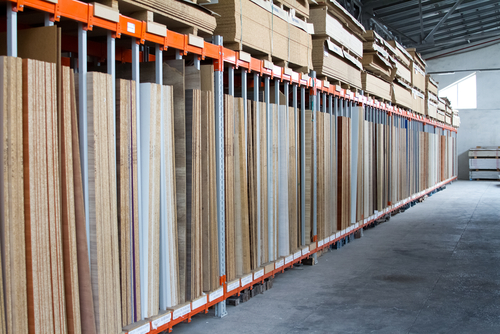
Are you standing in the aisle of your local hardware store, staring at the endless stacks of MDF and plywood, wondering which one is the right choice for your project? You’re not alone.
This common dilemma leaves many DIY enthusiasts scratching their heads. Choosing between MDF and plywood can feel like navigating a maze, but it doesn’t have to be complicated. Imagine the satisfaction of making the perfect choice for your needs, saving time, money, and effort.
You’ll discover the key differences between MDF and plywood, helping you make a confident decision that aligns with your project goals. Dive in and transform your uncertainty into clarity, ensuring your next woodworking venture is a resounding success.
Credit: georgehill-timber.co.uk
Material Properties
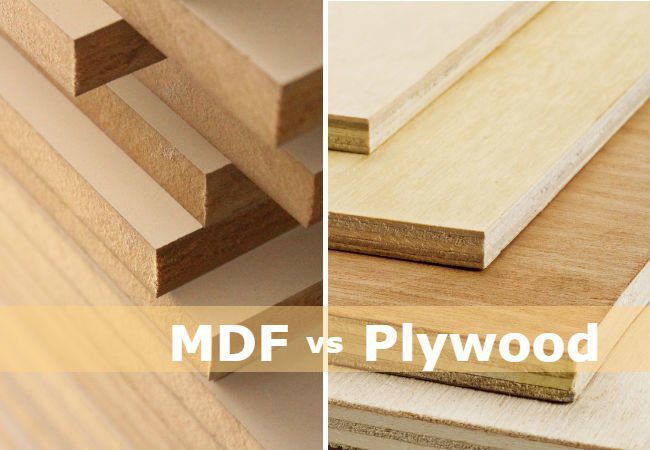
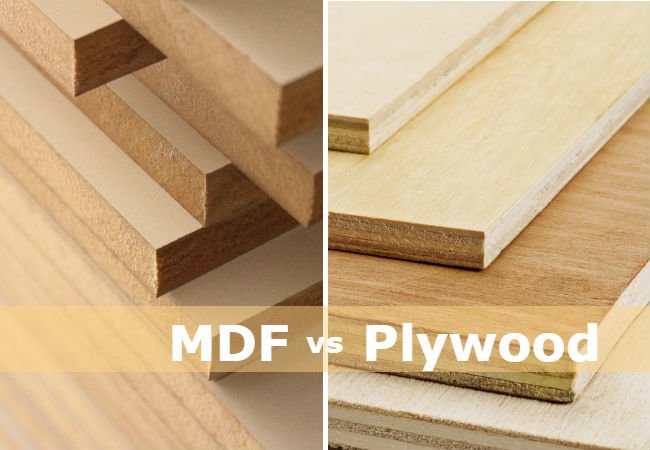
MDF is dense but not as strong as plywood. It can break easily. Plywood is strong and holds weight well. MDF is heavier than plywood. So, lifting it is harder. Plywood has layers that make it strong. MDF is smooth and easy to cut.
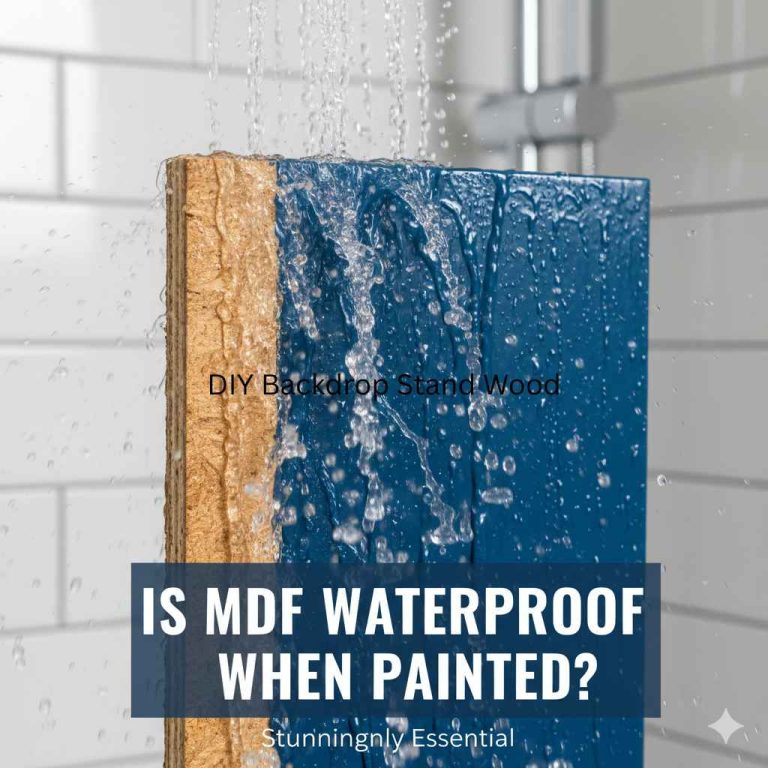
MDF swells with water. It is not good for wet places. Plywood handles water better. It does not swell easily. MDF needs sealing for moisture. Plywood lasts longer in wet areas. Use plywood for bathrooms.
MDF has a smooth surface. It is great for painting. Plywood can have rough spots. It needs sanding before painting. MDF is good for decorative edges. Plywood shows grains and knots. Choose MDF for a clean look.
Cost Considerations
MDF is often cheaper than plywood. This makes it a good choice for budget projects. MDF is made from wood fibers and glue. It is less expensive to produce. Plywood is made from thin sheets of wood. These are glued together. This process can make plywood more costly. But plywood is strong and lasts long. It is worth the extra money for some projects.
MDF gives you good value for small indoor projects. It is smooth and easy to paint. Plywood is better for projects needing strength. Like shelves or outdoor furniture. Spending a bit more on plywood can save money later. It is sturdy and resists moisture. Good for places with high humidity. Choose wisely based on project needs.
Workability
MDF cuts smoothly and easily. It is a soft material. Tools cut through it like butter. No splinters to worry about. Plywood can be tricky. It has layers. Blades may snag or tear. Extra care is needed. A sharp blade helps. MDF is less hassle to cut.
MDF holds screws tightly. Drills make clean holes. Glue works well too. Joints are strong and firm. Plywood is good with screws. Nails can split layers. Pre-drilling helps avoid damage. Glue adds extra strength. Both materials join well, but care is needed.
Environmental Impact
MDF is made from wood fibers. These fibers are held by resin. This can mean more chemicals in the air. Plywood uses thin sheets of wood. These sheets are glued together. Plywood often comes from sustainable forests. This means less harm to trees.
MDF production leads to more emissions. It uses more energy. This can affect the air. Plywood makes less waste. It uses wood more efficiently. This is better for the Earth. Recycling plywood is easier. MDF is not easy to recycle.
Applications
MDF is smooth and easy to cut. It is perfect for cabinets and shelves. It paints well and looks nice. Plywood is strong and durable. It holds screws better. It is great for chairs and tables. Both have unique uses.
MDF is ideal for decorative panels. It is sleek and uniform. It suits modern styles. Plywood shows natural wood patterns. It adds warmth to any space. It is great for rustic designs. Both options create beautiful spaces.
Plywood is strong and reliable. Builders use it for floors and roofs. It withstands heavy loads. MDF is used for interior walls. It is easy to shape and install. It works well for non-structural parts.
Aesthetic Considerations
MDF is very smooth and has no wood grains. It is great for painting. Plywood has a natural wood grain. It looks good with a clear finish. MDF gives a clean look. Plywood shows more natural patterns. Both can be beautiful. It depends on personal taste.
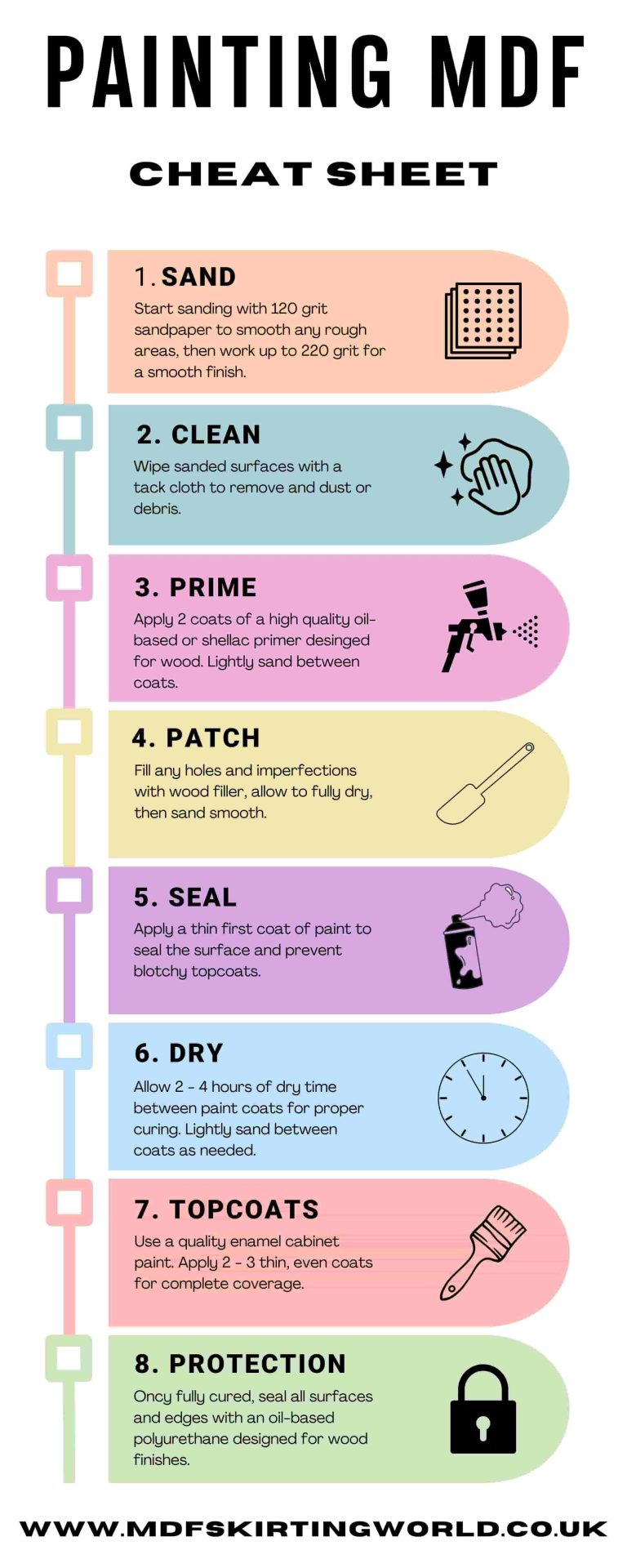
MDF takes paint very well. It can be painted any color. Plywood can be stained. It shows its natural beauty. You can also paint plywood. But its grains might show. MDF is better for a smooth paint finish. Plywood offers a natural look. Choose what fits your style.
Durability And Longevity
MDF is softer than plywood. It can get dents easily. Plywood is tougher. It handles bumps better. MDF is great for indoor use. Plywood is best for outdoor projects. Plywood lasts longer. It stands up to wear and tear. MDF may break down quicker. Choose plywood for strength. MDF is cheaper but less durable.
MDF needs more care. It can swell if wet. Plywood is water-resistant. MDF needs painting. It may chip or scratch. Plywood is easy to clean. It keeps its shape well. Plywood needs less maintenance. It’s a good choice for busy places. MDF is okay for less busy areas. Keep it dry and clean.
Choosing Based On Project Needs
Mdf is great for indoor projects. It is smooth and easy to paint. People use it for cabinets and shelves. Plywood is stronger and handles water well. It is perfect for outdoor projects. Decks and fences benefit from plywood’s strength. Think about where the project will be.
Mdf costs less than plywood. It suits small budgets. Plywood can be more expensive. It lasts longer and is more durable. Choose plywood if you need strong materials. For tight budgets, Mdf is a good choice. Always consider the cost and how much you can spend.
Credit: www.bobvila.com
Frequently Asked Questions
Why Use MDF Instead Of Plywood?
MDF offers a smoother surface ideal for painting and veneering. It costs less than plywood and resists warping. Ideal for indoor projects, MDF provides a uniform texture, making it easy to cut and shape. Its consistency ensures precise detailing, popular for furniture and cabinetry.
When Should You Not Use MDF?
Avoid using MDF in high-moisture areas like bathrooms and kitchens. It swells and deteriorates when exposed to water. MDF isn’t suitable for heavy load-bearing applications. It can break under excessive weight. It’s also not ideal for outdoor use due to weather sensitivity.
Always ensure proper sealing if using near moisture.
What Are 5 Disadvantages Of MDF?
MDF lacks water resistance, making it unsuitable for wet areas. It easily dents and scratches. Formaldehyde emissions can be harmful. It’s not as strong as solid wood. MDF’s surface requires extra finishing for a smooth appearance.
Is It Better To Cut Plywood Or MDF?
Cutting plywood offers better durability and less dust compared to MDF. Plywood is ideal for projects needing strength. MDF is easier to cut but generates more dust and lacks durability. Choose plywood for sturdy builds and MDF for smooth finishes and budget-friendly options.
Consider project needs and safety before deciding.
Conclusion
Choosing between MDF and plywood depends on your project needs. MDF offers a smooth finish, ideal for painting. Plywood provides strength and durability, great for structural uses. Consider your budget and the environment where it will be used. MDF is cost-effective but less water-resistant.
Plywood holds up better in humid conditions. Think about how you want the final product to look and perform. Both materials have their pros and cons. Evaluate your priorities carefully. This will guide you to the right choice for your task.
Make sure it aligns with your specific requirements.