Is Plywood Stronger in One Direction? Yes, 3x Along the Grain
Plywood is about three times stronger with force running parallel to the face grain than across it — 113 MPa versus 37 MPa in flexural-strength testing on laminated wood panels. Run a sheet the wrong way over floor joists or a shelf span and it flexes and sags more than its rating suggests. This guide covers the real strength numbers, how to spot face-grain direction on an unmarked sheet, and which way to orient plywood for subfloors, shelving, and sheathing.
Affiliate Disclosure: This post contains Amazon affiliate links. As an Amazon Associate, we earn from qualifying purchases.
What Is Grain Direction in Plywood?
Best Plywood Lamination Glue Pick

Gorilla Ultimate Waterproof Wood Glue, 18 oz – $10.97
A 100% waterproof PVA glue with 15 minutes of open time — enough to spread glue across a full sheet and clamp it before it grabs, which is exactly what the lamination fix in our “How Do You Strengthen Plywood?” answer above depends on.
- Best for: laminating an extra layer onto an existing panel to add stiffness
- Why we picked it: long open time makes full-sheet glue-ups realistic before clamping
- Main drawback: needs 20–30 minutes of even clamp pressure across the whole sheet
Compare more plywood lamination & installation adhesive options
 Option 1 Titebond Extend, Pint – $13.99
|
 Option 2 Loctite PL Premium Adhesive, 10 fl oz – $6.48
|
 Option 3 Gorilla Wood Glue, 4 oz (2-Pack) – $7.16
|
As an Amazon Associate we earn from qualifying purchases.
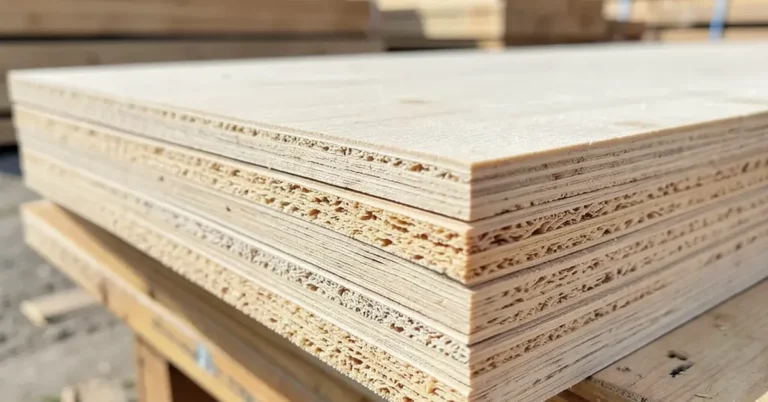
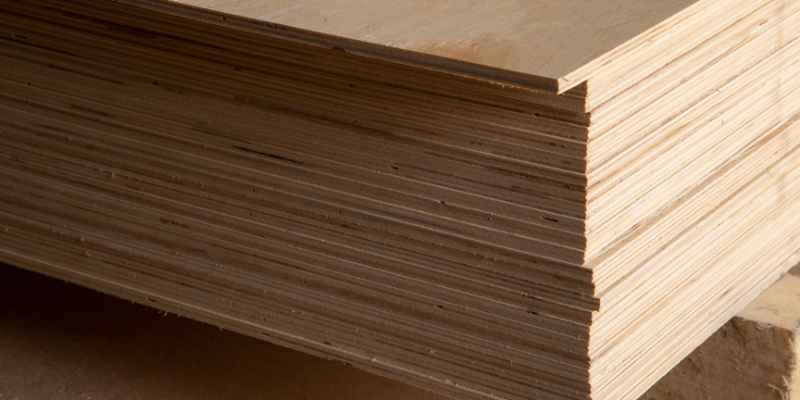
Grain direction is the orientation of the wood fibers in each thin veneer layer that makes up a sheet of plywood. Manufacturers bond three or more veneers together with each layer’s grain running perpendicular to the layer below it, then press them under heat with an adhesive such as phenol formaldehyde or polyurethane. That alternating pattern — called cross-lamination — is what separates plywood from a single board of solid wood, which has no cross-grain layer to resist splitting along its length.
The outermost layers are called the face and back veneers, and it’s the face veneer’s grain direction that people mean when they ask whether plywood is “stronger in one direction.” For the full manufacturing process, see our guide on how plywood is made, or compare plywood to other sheet materials in our types of wood guide.
How Much Stronger Is Plywood Along the Grain? (Real Numbers)
Cross-lamination means plywood carries load in both directions, but not equally. In three-point flexural testing on laminated wood panels published by engineering researchers at Teesside University, panels loaded parallel to the face grain measured roughly three times stronger in bending and over five times stiffer than the same panels loaded across the grain:
| Load direction | Flexural strength | Flexural modulus (stiffness) |
|---|---|---|
| Parallel to face grain (along the panel) | 113.3 MPa (≈16,400 psi) | 10.6 GPa |
| Perpendicular to face grain (across the panel) | 37.4 MPa (≈5,400 psi) | 2.0 GPa |
📊 Plywood is roughly 3x stronger and 5x stiffer in bending when the load runs parallel to the face grain than when it runs across it (113.3 MPa vs 37.4 MPa flexural strength; 10.6 GPa vs 2.0 GPa flexural modulus). — Source: Meng et al., Teesside University, 2025
In practical terms, that gap is why a shelf or subfloor panel installed the wrong way can flex noticeably more than the same sheet installed correctly, even though nothing about the plywood itself changed — only the direction of the load relative to the grain.
Which Way Should You Run Plywood? (Subfloors, Shelves, Sheathing)
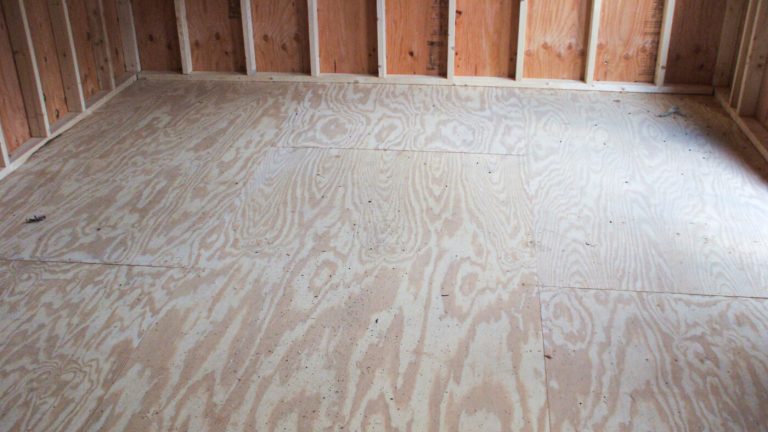
Subfloors: Run the sheet so the face grain crosses the floor joists at roughly 90 degrees. APA — The Engineered Wood Association specifically recommends installing underlayment and structural panels with the face grain perpendicular to the framing for maximum stiffness. That orientation lets one panel bridge several joists at once instead of loading up a single weak cross-grain span. If you’re pricing sheets for the job, see our breakdown of a 3/4-inch plywood subfloor.
Shelves: Orient the face grain so it runs along the shorter span between supports, not across it. A shelf loaded across its weaker cross-grain direction sags measurably more under the same weight, which is the same directional-strength gap the data above shows.
Wall and roof sheathing: Panels are run with the face grain perpendicular to the studs or rafters for the same reason as subfloors — it ties adjacent framing members together and improves the panel’s resistance to racking and wind load. Plywood sheathing and subfloor plywood use similar grading, but they aren’t interchangeable; see the difference between plywood and sheathing before substituting one for the other. Hardwood flooring that goes on top follows its own separate rule — see which direction to run hardwood floors.
How to Identify the Face Grain Direction on a Sheet
Most 4×8 plywood sheets aren’t marked with an arrow showing which way the face grain runs, so you have to read the panel itself. Here’s the quick check:
- Check the cut edge: Look at the edge of the sheet where the outer veneer is visible — the face-veneer streaks you see running one way across the panel show the face-grain direction.
- Sight along the face: On an unmarked standard 4×8 sheet, the face grain almost always runs the 8-foot length unless the sheet is explicitly cut or labeled otherwise.
- Check the grade stamp: An APA or PS 1-rated grade stamp sometimes marks the panel’s strength axis directly. When no stamp is visible, treat the long dimension as the face-grain direction.
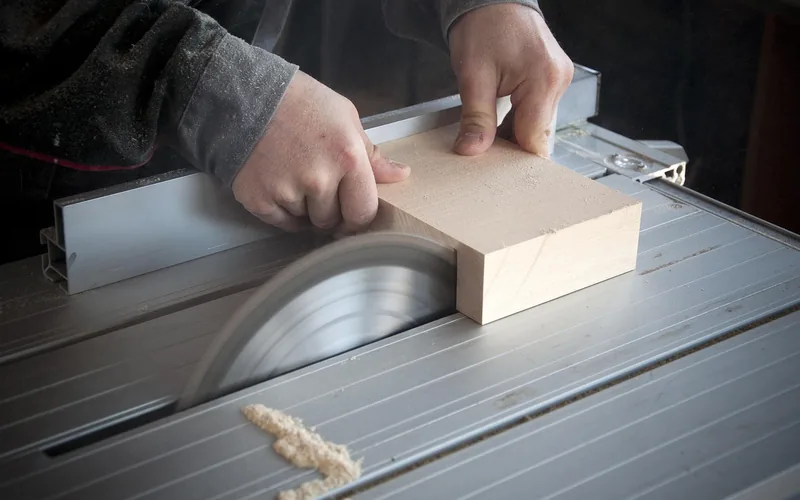
The direction you cut matters too. Cutting along the face grain lets the blade follow the wood fibers for a cleaner edge; cutting across the grain is more likely to chip or tear the top veneer, which is why a fine-tooth blade and full support under the sheet make the biggest difference (see the “Best Way to Cut Plywood” answer below).
“The mistake I still see on jobsites is a subfloor sheet run the long way down a joist bay instead of across it — it passes a quick nail-off, but you can feel the bounce the first time you walk across it. Sighting down the face veneer for the grain direction before you snap a chalk line takes ten seconds and saves a squeak you can’t fix after the flooring goes down.”
— Our team, on-site framing notes
Common Myths About Plywood Strength
Myth: plywood is equally strong in every direction. Cross-lamination narrows the strength gap between directions compared to solid wood veneers, but it doesn’t erase it — the data above shows a roughly 3:1 difference in bending strength depending on load direction.
Myth: more layers always means more strength in every direction. Panel thickness and layer count improve overall stiffness and impact resistance, but the face veneer’s grain direction still governs which way the panel is strongest in bending. A thicker panel run the wrong way still underperforms a thinner one run correctly for that specific load.
Myth: you can build “same-direction” plywood for extra strength. A panel with every veneer running the same direction isn’t plywood by definition — it’s laminated veneer lumber (LVL), a different engineered product made for beams and headers, not general sheet goods. Standard plywood’s strength comes specifically from alternating the grain, not from stacking it all one way.
Frequently Asked Questions
Is Plywood Stronger in One Direction?
Plywood is stronger in the direction of the face grain. If you apply force parallel to the grain, it is roughly three times stronger than when force is applied perpendicular to it. This is why the direction a sheet is installed changes how much it flexes under the same load.
Can You Use Plywood in Any Direction?
Yes, plywood can physically be installed in any direction, but it will not perform the same. Installing it with the face grain running the wrong way against the load reduces stiffness and strength, which is why framing standards specify a grain orientation for subfloors, roof sheathing, and shelving.
What Is the Best Way to Cut Plywood?
Use a circular saw or table saw with a fine-tooth blade, support the sheet fully so it cannot flex during the cut, and cut with the grain where possible. Cutting across the face grain causes more chipping and tear-out on the top veneer than cutting along it.
How Do You Strengthen Plywood?
Laminate a second layer of plywood on top of the first with wood glue or construction adhesive and clamp or screw it while it cures, offsetting the seams from the layer below. Reinforcing the edges with solid wood strips also helps where the panel gets the most stress.
Which Way Should You Run Plywood Over Floor Joists?
Run the sheet so the face grain crosses the joists at roughly 90 degrees, which is the orientation APA (The Engineered Wood Association) recommends for maximum stiffness. Running the face grain parallel to the joists puts the load on plywood’s weaker cross-grain direction and increases bounce and squeaking over time.
Is Plywood Ever Made With All Layers Running the Same Grain Direction?
No. Standard plywood is defined by alternating each veneer’s grain 90 degrees from the layer beneath it, which is what makes it a cross-laminated panel instead of a stack of parallel boards. A panel built with every layer running the same direction is a different product, laminated veneer lumber (LVL), engineered for beams and headers rather than general sheet goods.
Conclusion
Plywood is stronger with the load running parallel to its face grain than across it — about three times stronger in bending, per real flexural testing. Cross-lamination is what keeps plywood from splitting the way solid wood does, but it does not make the panel equally strong in every direction.
For subfloors, sheathing, and shelving, run the face grain across the framing or support span — not along it — to get the stiffness the panel is actually rated for.
Sponsored / affiliate links. As an Amazon Associate I earn from qualifying purchases. I may earn additional commission from eligible campaigns.