Should You Prime MDF Before Caulking? Expert Tips
When it comes to home improvement projects, the details matter. You want to ensure a smooth, long-lasting finish, and that’s where the question arises: Should you prime MDF before caulking?
Whether you’re working on baseboards, crown molding, or any other MDF applications, getting the prep work right is crucial. Imagine spending time and effort on a project only to see cracks and peeling after a few months. Frustrating, right? By understanding the importance of priming MDF before caulking, you can avoid these headaches and achieve a professional-looking result that stands the test of time.
We’ll guide you through the reasons why priming might just be the game-changer you need. Stick around and discover how a simple step can make a significant difference in your DIY endeavors. Your next project deserves the best outcome, and we’re here to help you achieve it.
Importance Of Priming MDF
MDF stands for Medium Density Fiberboard. It is popular for furniture and cabinets. Priming MDF is very important before using caulk. MDF absorbs moisture easily. This makes it swell and become weak. Priming creates a protective barrier. This stops moisture from getting inside. It helps the caulk stick better. Priming makes the surface smooth. Caulk spreads evenly on smooth surfaces. It also prevents cracks and gaps.
Without primer, MDF may not hold caulk well. It can lead to problems later. So, always use primer on MDF. It saves time and helps the work last longer. Priming is a simple step but very crucial. It gives a strong base for caulking. Better results come with priming MDF.

Credit: www.dovecottageblog.com
Benefits Of Priming Before Caulking
Priming MDF before caulking is important for a clean finish. It helps the caulk stick better to the surface. This makes your work last longer. Without priming, caulk may peel off. The surface might look rough and uneven. Priming also stops moisture from damaging the MDF. It is like a shield protecting the wood. This keeps your project looking fresh and nice.
Priming makes painting easier too. The paint spreads smoothly over the primed surface. It saves time and effort. Your final result looks professional and neat. Always use a good primer for the best results. It pays off in the end.
MDF Characteristics
MDF stands for Medium Density Fiberboard. It is made from wood fibers. MDF is very smooth. It is easy to paint. MDF is cheaper than solid wood. It is often used in furniture. MDF is not water-resistant. It can swell if wet. Priming helps protect MDF from moisture.
Caulking seals gaps and cracks. It is used with MDF to stop air leaks. Priming before caulking is wise. It helps the caulk stick better. Priming also stops MDF from absorbing too much paint. MDF needs care and attention. Proper preparation makes it last longer.
Choosing The Right Primer
Primer helps in making the MDF surface smooth. It seals the surface and protects it.
Water-based primers are easy to use. They dry quickly and have less smell. They are best for indoor use.
Oil-based primers give a strong seal. These are good for areas with lots of moisture.
Always pick a primer made for MDF surfaces. This ensures better adhesion. It saves time and effort in the long run.
Check the label on the primer can. Ensure it is suitable for MDF.
Steps For Priming MDF
Priming MDF is very important. It protects the surface. Use a high-quality primer for best results. First, clean the MDF. Remove dust and dirt. Use a damp cloth for this. Let the surface dry completely. Choose a primer suitable for MDF. Apply the primer evenly. Use a brush or roller. Cover all areas well. Let the primer dry before moving on. Check the drying time on the primer label. Some primers dry faster than others. After drying, inspect the surface. Make sure it is smooth and even. If needed, apply a second coat. This ensures better protection. Once primed, the MDF is ready for caulking.
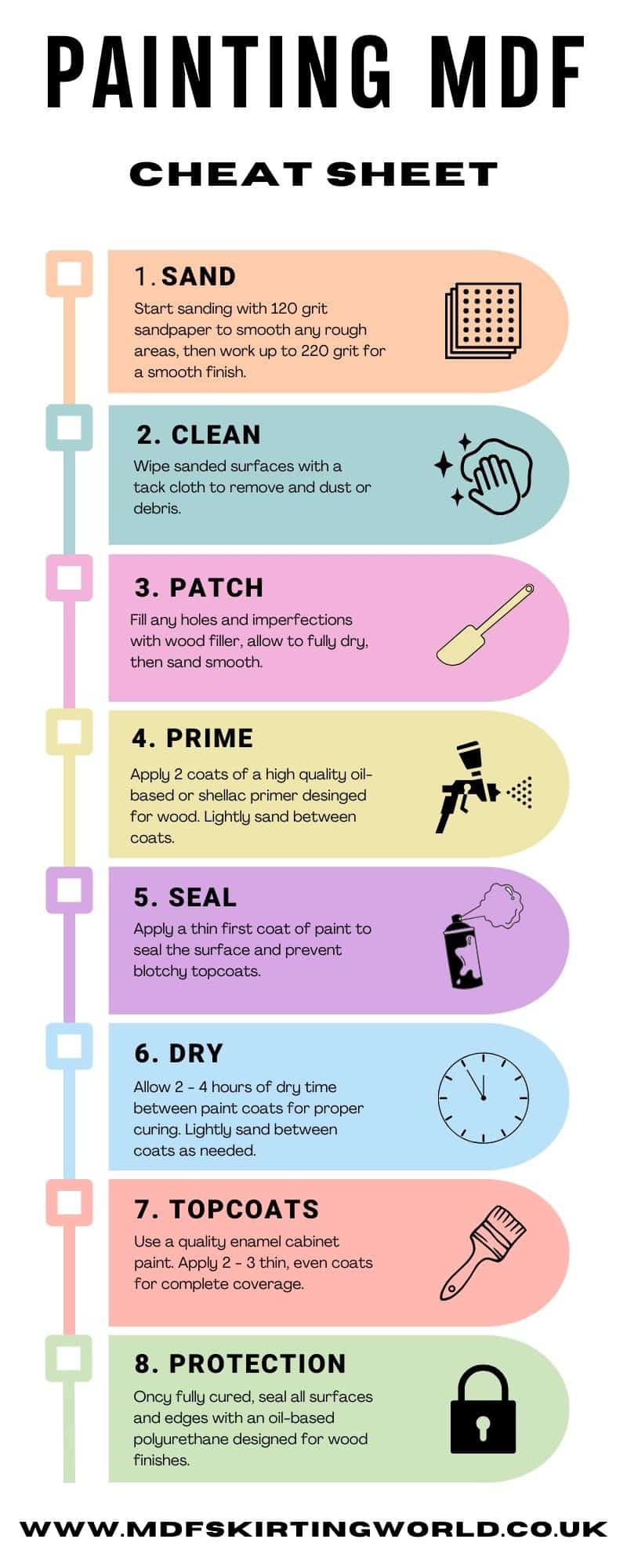
Credit: mdfskirtingworld.co.uk
Common Mistakes To Avoid
Skipping the priming step is a big mistake. MDF needs a good primer. This helps the caulk stick better. Using the wrong type of primer can cause problems. Always choose a primer made for MDF. Applying too much caulk is not good. It can make a mess. Use just enough to fill gaps. Another mistake is not letting the primer dry. It must be fully dry before caulking. Rushing this can lead to poor results. Not cleaning the surface first is also a common error. Dust and dirt can stop the caulk from sticking well. Always clean MDF before you start.
Expert Tips For Caulking MDF
MDF is a popular choice for many projects. It’s smooth and easy to work with. Before applying caulk, consider priming the MDF. Priming makes the surface better for caulking. It helps the caulk stick well. Without priming, the caulk may not last. It can crack or peel away. Choose a good quality primer. Apply it evenly on the MDF surface. Let it dry completely before caulking. This step ensures a strong bond between the MDF and the caulk. It also protects the MDF from moisture damage. Caulking gives a neat finish. It fills gaps and prevents water leaks. A well-primed MDF surface results in better caulking.
Comparing Primed Vs. Unprimed MDF
Primed MDF has a smooth surface. Paint sticks better to it. Unprimed MDF can soak moisture. This causes it to swell and warp. Priming helps seal the MDF. It makes it durable. Primed MDF lasts longer. It resists damage.
Unprimed MDF needs more care. It is cheaper. Yet, it may cost more in repairs. Primed MDF saves time and effort. It is ready for paint and caulk. Choosing primed MDF can be smart. It makes projects easier. Less hassle with primed MDF.
Frequently Asked Questions
Do You Prime MDF Before Caulking?
Yes, priming MDF before caulking is recommended. Primer seals the surface, ensuring better adhesion and a smoother finish. Primed MDF also prevents moisture absorption, reducing the risk of swelling and damage. Always use a suitable primer for best results.
Should You Prime Wood Before Caulking?
Priming wood before caulking ensures better adhesion and durability. It seals pores, preventing moisture damage and enhancing caulk performance. Choose a suitable primer and apply evenly for best results. Proper priming extends the lifespan of caulking and protects wood surfaces effectively.
Always let the primer dry before caulking.
Do You Caulk Trim Before Or After Primer?
Caulk trim before applying primer to ensure gaps are sealed and surfaces are smooth. This prevents cracks and improves paint adhesion. Clean the area thoroughly before caulking, and let it dry completely for best results. Proper caulking enhances the finish and durability of the paint job.
Will Caulking Stick To Bare Wood?
Yes, caulking can stick to bare wood. Ensure the surface is clean, dry, and free of dust. Use quality caulk for better adhesion. Priming wood before caulking can enhance results. Always follow the manufacturer’s instructions for best practices.
Conclusion
Priming MDF before caulking offers better results. It seals the surface. This helps caulk adhere properly. A smooth finish is achievable. Some might skip priming to save time. But, this can lead to issues later. Cracks or gaps may appear.
Priming reduces this risk. It also adds durability. Your project will look more professional. Spend a little extra time on priming. It pays off in the end. For lasting results, consider priming your MDF first. Your efforts will ensure a cleaner, more polished outcome.