Signs of Termites Outside House: Spotting Infestations Early
Termites can cause serious damage to your home. Spotting them early is crucial.
Termites are silent destroyers that can wreak havoc on your property. While they often stay hidden, there are visible signs you can look out for outside your house. Recognizing these early indicators can save you from costly repairs. Think about the areas around your home that are most vulnerable.
Wooden structures, damp patches, or even the soil near your foundation. These are the places termites love. Knowing what to check for can make all the difference. This guide will help you identify the key signs of termite presence outside your house. Stay vigilant and protect your home.
Introduction To Termite Infestations
Hey friends, today we are diving into a topic that can save your home from serious damage: termite infestations. Termites are small insects that can cause big problems. They munch on wood, and over time, they can make your house fall apart. So, let’s talk about how you can spot the signs of termites outside your house. The good news? With early detection, you can prevent major damage.
Importance Of Early Detection
Think of termites like silent destroyers. They work slowly but steadily, and before you know it, they can cause a lot of harm. The sooner you find them, the easier it is to get rid of them. Early detection can save you money and stress. You can fix small problems before they turn into big issues. So, keep your eyes open and look for signs of termites regularly.
Common Areas To Check
Now, where should you look for these sneaky critters? Here are some common places outside your house where termites might be hiding:
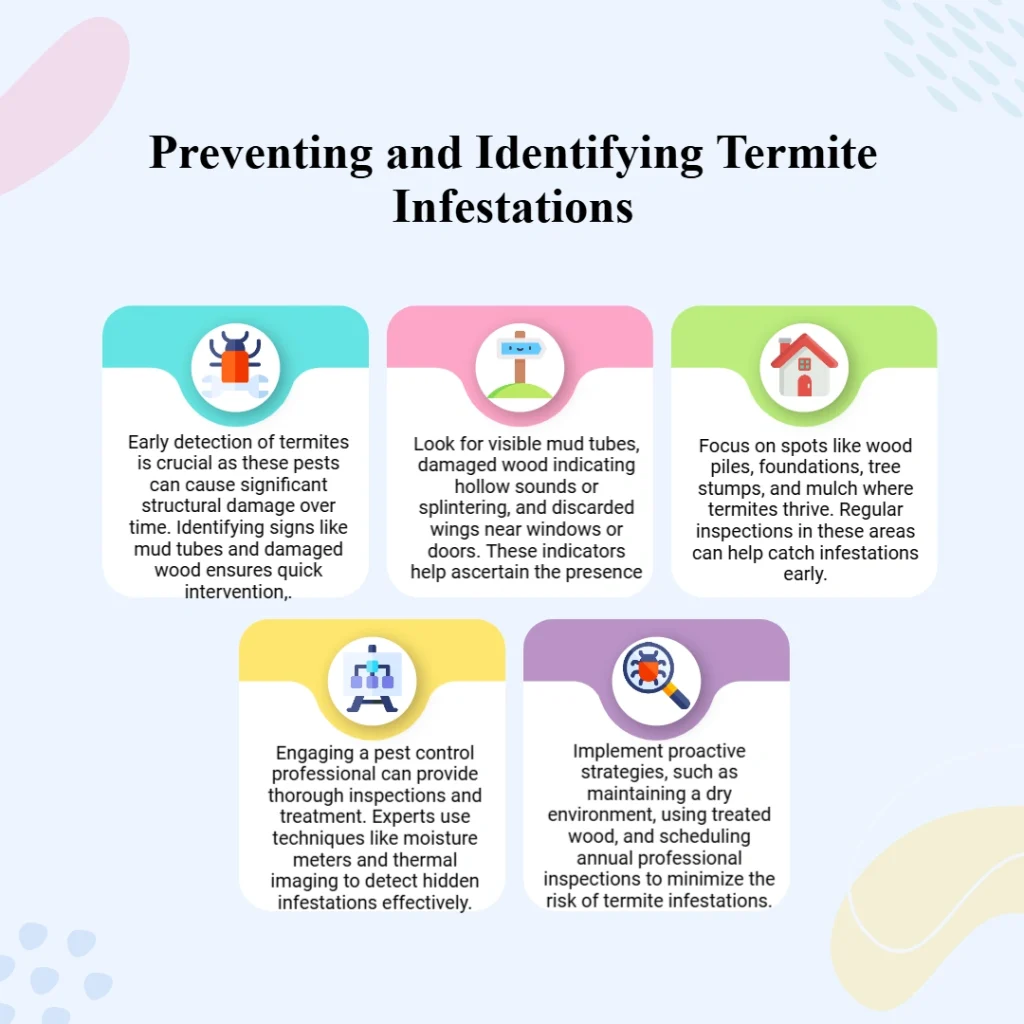
- Wood Piles: Check any firewood or lumber stacked near your home. Termites love these spots.
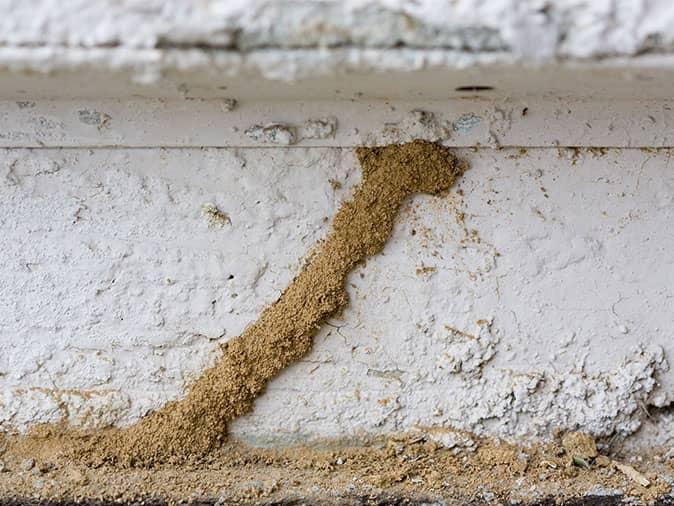
- Foundation: Look around the base of your house. Mud tubes are a sign of termites. They build these tubes to travel from the ground to your house.
- Tree Stumps: Old tree stumps can attract termites. If you have any, inspect them carefully.
- Mulch: Termites are attracted to mulch, especially if it’s close to your home. Turn over mulch and check for signs of these pests.
By checking these areas regularly, you can catch termite problems early. And remember, if you spot any signs, don’t wait. Call a professional right away. Better safe than sorry!
Visible Mud Tubes
Termites can be a homeowner’s nightmare. One of the telltale signs of their presence outside your house is visible mud tubes. These small, narrow tunnels are vital for termites. They use them to travel between their colony and food sources. Spotting these mud tubes early can prevent severe damage to your property.
Where To Look
Check the foundation of your house. Inspect the exterior walls and any wooden structures. Look around the base of trees and shrubs close to your home. Examine areas where wood meets the ground. Termites often build their tubes in these spots. Pay attention to dark, damp places. Termites thrive in these conditions.
What They Indicate
Visible mud tubes mean active termites. They indicate an infestation nearby. The tubes protect termites from predators. They also maintain the moisture they need. If you break a tube and see live termites, you have an active problem. Even empty tubes are a red flag. They show termites have been there. Immediate action is needed to assess and address the situation.
Damaged Wood
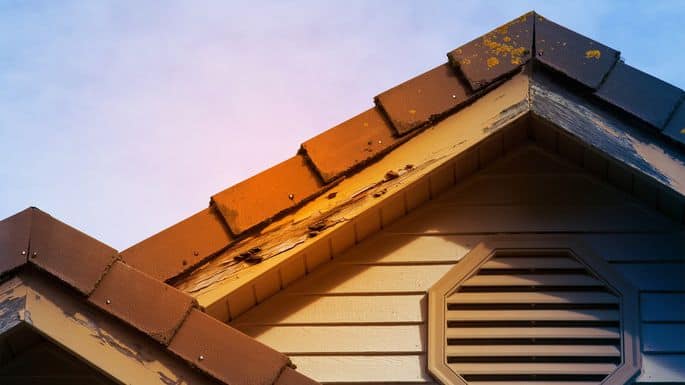
Hey friends, today we’ll talk about one of the most important signs of termites outside your house: damaged wood. Termites love wood. They eat it, live in it, and make tunnels through it. If you see damaged wood around your house, it could mean termites are nearby. Let’s dive into the types of damage and the specific locations you should check.
Types Of Damage
Termites cause different types of damage to wood. Here are the main types:
- Hollow Wood: When you tap on the wood, it sounds hollow. This is because termites eat the inside, leaving a thin outer shell.
- Cracked or Splintered Wood: Wood may look cracked or splintered. This damage is often near the surface.
- Galleries in Wood: Termites make tunnels, called galleries, inside the wood. These tunnels weaken the wood and make it look like a sponge.
Notice any of these? Time to check specific locations around your house.
Specific Locations
Termites love certain spots. Here’s where you should look:
- Foundation: Check the base of your house. Termites often start here and move up.
- Wooden Structures: Look at fences, decks, and wooden porches. These are prime spots.
- Firewood Piles: If you store firewood, check it. Termites love firewood. Keep it away from your house.
- Mulch and Soil: Termites live in soil. If you have mulch, check it. They use mulch to hide.
I recently asked a pest control expert friend of mine about this. He said the biggest mistake people make is ignoring the early signs. So if you see any of these issues, take action. It’s better to be safe than sorry.
Damaged wood is a big red flag. Keep an eye out and protect your home from these tiny invaders.
Discarded Wings
Have you ever found small, delicate wings around your home? These could be a sign of termites. Termites shed their wings when they find a new place to build a colony. These wings are a clear indicator that termites may be nearby. In this section, we’ll explore what discarded wings mean and where you can find them.
Swarmer Activity
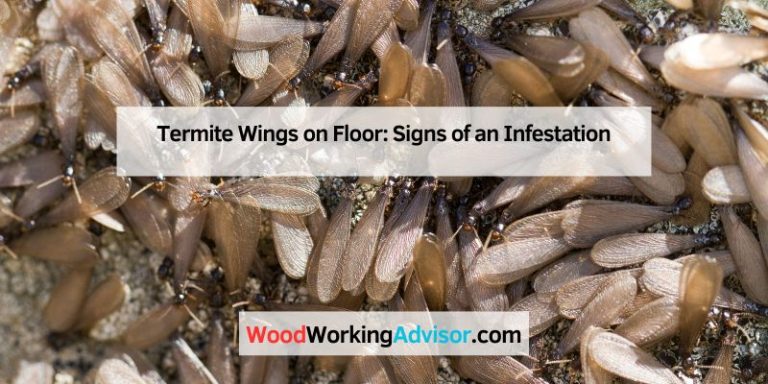
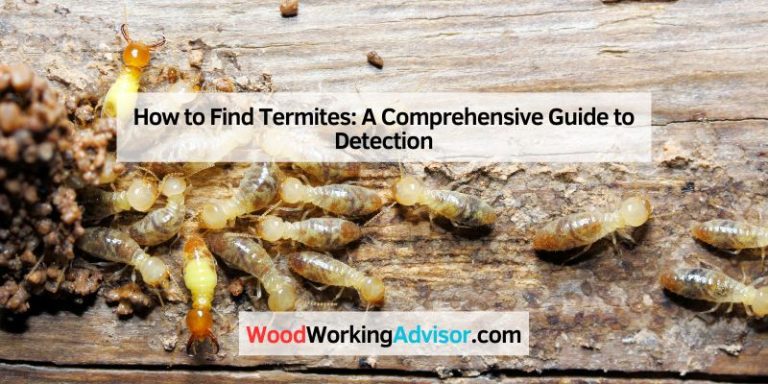
Termite swarmers, also known as alates, are the reproductive members of the termite colony. They emerge from their nests to mate and start new colonies. During this process, they shed their wings. It’s like a butterfly leaving its cocoon, but in this case, it’s a termite finding a new home.
Seeing swarmer activity around your home is a strong sign of a potential termite problem. These swarmers usually appear in large numbers. They are attracted to light, so you might spot them near windows, doors, or other light sources.
Where To Find Them
Finding discarded wings can be tricky if you don’t know where to look. Here are some common places to check:
- Window sills
- Doorways
- Near light sources
- In spider webs
When I first noticed discarded wings, they were on my windowsill. At first, I thought they were just small leaves or debris. But on closer inspection, I realized they were tiny wings. It was a wake-up call for me to check for termites.
If you find these wings, it’s time to take action. They are a sign that termites are nearby and may already be causing damage to your home. Remember, early detection is key to preventing extensive damage.
Hollow Sounding Wood
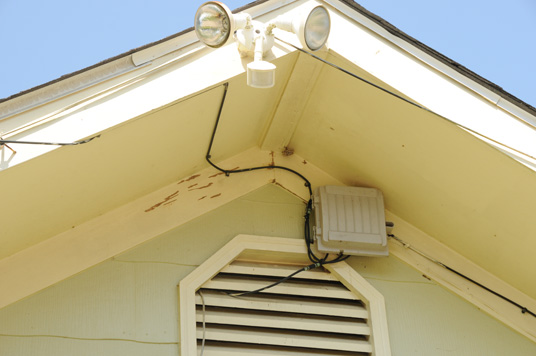
Hey friends, today let’s talk about something important for your home – termites. One big sign of termites otside your house is hollow sounding wood. Imagine tapping a piece of wood, and it sounds empty inside. This could mean termites are munching away. Let’s dive into the details.
Testing Methods
Wondering how to check if your wood is hollow? It’s easy. Here are some simple methods:
- Tap Test: Take a screwdriver or a small hammer. Gently tap the wood. If it sounds hollow, termites might be inside.
- Push Test: Use a pen or your finger. Push against the wood. Does it feel soft or break easily? That’s another sign.
- Drill Test: Carefully drill a small hole into the wood. If the drill goes in too easily, termites could be the reason.
Potential Risks
Why should you care about hollow sounding wood? Well, termites can cause big problems:
- Structural Damage: Termites eat wood from the inside. Over time, this weakens your house. Imagine a tree with a hollow trunk – it could fall anytime.
- Costly Repairs: Fixing termite damage can be expensive. It’s better to catch them early.
- Health Risks: While termites don’t carry diseases, their presence can cause stress. Plus, they attract other pests.
So, if you notice any hollow sounding wood outside your house, don’t ignore it. Take action. It could save you a lot of trouble down the road.
Credit: extension.msstate.edu
Termite Droppings
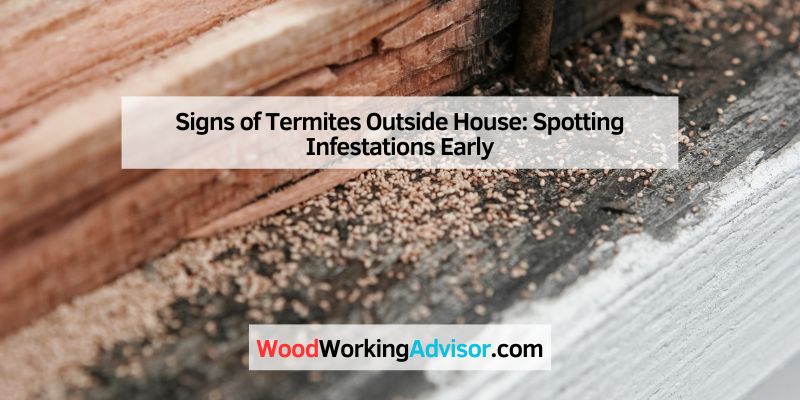
Termite droppings, also known as frass, are a common sign of an infestation. These droppings are tiny, wood-colored pellets that termites leave behind. Spotting termite droppings around your house can help you identify an infestation early.
Appearance
Termite droppings look like small, hard pellets. They are often the same color as the wood termites are consuming. The droppings are usually about 1 millimeter in size. They resemble grains of sand or sawdust. The texture is dry and granular.
Common Locations
Termite droppings are usually found near wooden structures. Check around door frames, window sills, and baseboards. Also, look in crawl spaces and attics. Droppings may accumulate in piles or scattered around. You might find them in corners or along walls.
Presence Of Termite Swarms
Hey there! Have you ever seen a swarm of termites around your home? If so, it might be a sign of a bigger problem. Termite swarms are a clear indication that these pesky insects are setting up shop nearby. Let’s dive into what this means and what you can do about it.
Swarms And Seasonal Activity
Termite swarms usually happen in specific seasons. Just like flowers bloom in spring, termites swarm during warmer months. This is when they leave their nests to find new places to start colonies. You might see them flying around lights or windows. It’s their way of searching for a new home.
| Season | Termite Activity |
|---|---|
| Spring | High |
| Summer | Moderate |
| Fall | Low |
| Winter | Very Low |
If you see a swarm, it means there’s a termite colony nearby. And that’s bad news for your home.
What To Do If You See A Swarm
So, you spotted a swarm. What now? Don’t panic. Here’s what you should do:
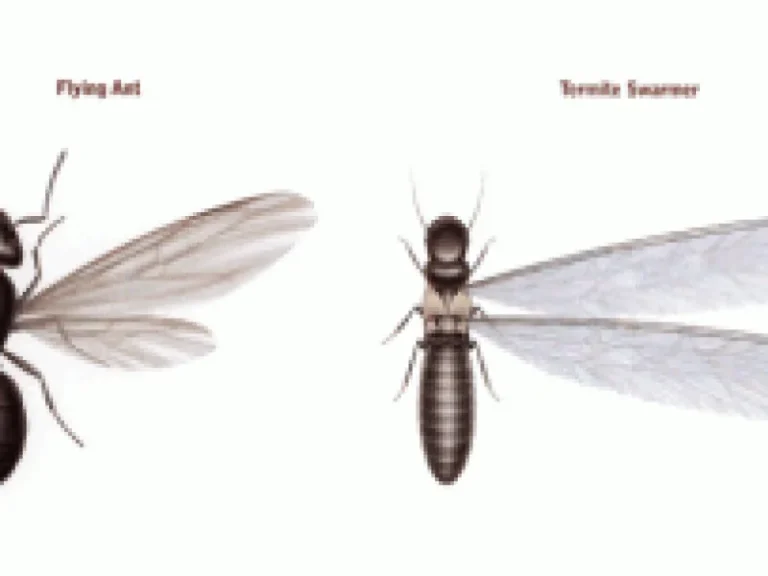
- Identify the insects: Make sure they are termites and not ants.
- Check for damage: Look around your house for signs of damage. This includes wood with holes or sawdust.
- Call a professional: Get in touch with a pest control expert. They can inspect your home and suggest the best course of action.
Let me share a quick story. Last summer, I saw a swarm near my garage. At first, I thought they were just ants. But when I took a closer look, I realized they were termites. I called an expert right away, and it turned out they were just starting a colony. Catching them early saved me a lot of trouble and money.
Remember, if you see a swarm, it’s a sign to take action. Don’t wait. A small problem can turn into a big one really fast.
Credit: www.rottler.com
Professional Inspection
Hey friends, today we’re talking about a crucial step in keeping your home safe from termites – professional inspection. Sometimes, spotting termite signs outside your house can be tricky. That’s when a professional inspection comes to the rescue. Let’s dive into when you should call an expert and the methods they use to inspect your home.
When To Call An Expert
So, when should you call in the pros? Here are a few signs:
- You’ve noticed small piles of wood dust around your home.
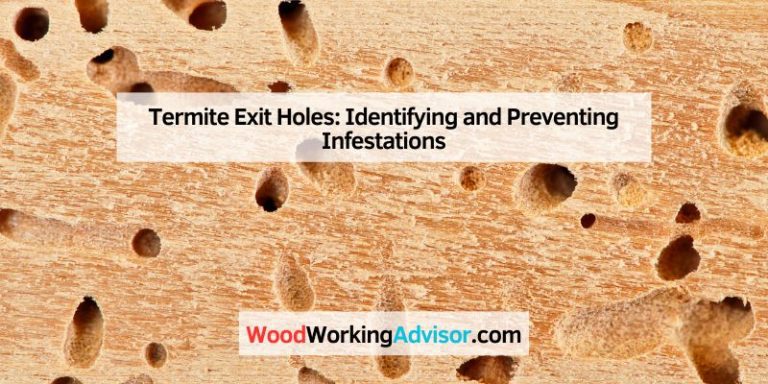
- There are tiny holes in wooden structures outside your house.
- You see mud tubes along the foundation of your home.
- Winged termites or discarded wings are found near windows or doors.
These signs can be easy to miss. But if you spot any of them, don’t wait! Call a professional right away. They have the tools and knowledge to find hidden termites and prevent further damage.
Inspection Methods
Ever wondered how experts find termites? They use several methods to make sure your home is termite-free. Here’s a peek into their toolbox:
- Visual Inspection: The expert carefully examines the exterior of your home. They look for mud tubes, damaged wood, and other signs of termites.
- Moisture Meters: Termites love moisture. Professionals use moisture meters to detect high levels of moisture in wood, which could indicate termite activity.
- Sounding: Tapping on wood surfaces helps detect hollow areas created by termites. The expert listens for the sound difference to locate infestations.
- Thermal Imaging: This advanced method uses infrared cameras to detect heat patterns. Termite colonies generate heat, and this tool helps find them behind walls and other hidden areas.
These methods ensure a thorough inspection, helping to catch termites early and save your home from severe damage.
Remember, early detection is key. I once ignored a small pile of wood dust near my garden shed. A few months later, the entire wooden frame was infested. Learn from my mistake and get a professional inspection if you notice any signs!
Preventive Measures
Termites can be a real headache. They silently chew through wood, causing significant damage. But the good news? You can prevent them from invading your home. Here’s how. Let’s dive into some simple yet effective measures to keep these pests at bay.
Regular Maintenance Tips
Regular maintenance is your first line of defense against termites. Think of it as routine check-ups for your home. Here are some tips:
- Inspect Wood: Regularly check wooden structures outside your home. Look for signs of damage or hollow-sounding wood.
- Clear Debris: Remove dead leaves, wood, and other debris. They provide food and shelter for termites.
- Fix Leaks: Termites thrive in moist environments. Ensure there are no leaks in your plumbing or roof.
- Trim Trees: Keep tree branches and shrubs trimmed. They shouldn’t touch your house, as they can provide a bridge for termites.
Long-term Solutions
While regular maintenance is crucial, long-term solutions ensure that your home stays termite-free for years. Here are some effective strategies:
- Use Treated Wood: When building or renovating, opt for pressure-treated wood. It’s resistant to termites.
- Install Barriers: Physical barriers like stainless steel mesh or sand can prevent termites from entering your home.
- Soil Treatment: Treat the soil around your home with termiticide. This creates a chemical barrier that repels termites.
- Regular Professional Inspections: Have a pest control professional inspect your home annually. They can spot early signs of termites and treat them before they become a problem.
By following these preventive measures, you can keep your home safe from termites. Remember, a little effort now can save you a lot of trouble later. Stay vigilant, and your home will thank you.
Credit: www.nwexterminating.com
Frequently Asked Questions
How Do You Know If You Have Termites Outside?
Look for mud tubes, discarded wings, and damaged wood. Check for hollow-sounding wood and small holes in tree trunks.
What Do Termites Look Like In Your Yard?
Termites in your yard look like small, pale insects with straight antennae. They might be white, brown, or black.
What Does Termite Damage Look Like On Outside Of House?
Termite damage on the outside of a house includes hollow wood, cracked paint, mud tubes, and small holes.
What Time Of Year Are Termites Most Active?
Termites are most active during warm months, typically from spring to late summer. They thrive in temperatures above 70°F.
Conclusion
Spotting termite signs outside your house is crucial. Look for mud tubes and discarded wings. Check for damaged wood and hollow sounds. Early detection can save you money. Protect your home from structural damage. Regular inspections are essential. Stay vigilant and act swiftly.
Keep your property termite-free. Simple steps can make a big difference. Don’t ignore warning signs. Your home’s safety depends on it.