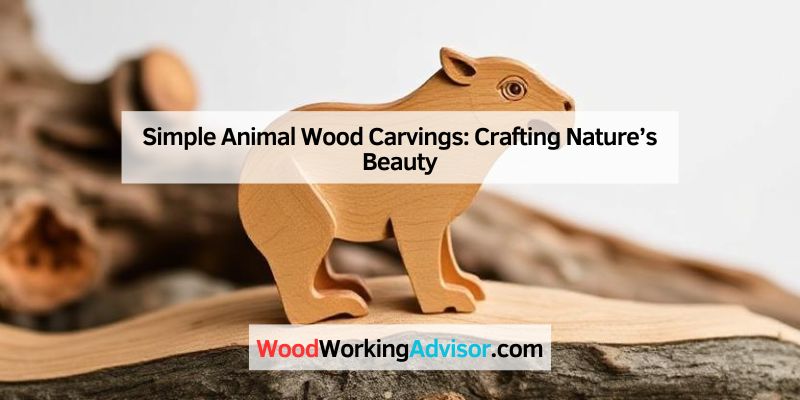
Simple Animal Wood Carvings: Crafting Nature’s Beauty
Wood carving is a timeless craft. It brings nature’s beauty to life.
Simple animal wood carvings are perfect for beginners. They offer a way to explore creativity without overwhelming complexity. With basic tools and a bit of patience, anyone can carve delightful animal figures. These carvings can be wonderful gifts or charming decorations.
Moreover, working with wood is relaxing and rewarding. It connects us to a long tradition of artisanship. In this blog, we will dive into the basics of simple animal wood carvings. You will learn how to start, what tools are needed, and some tips to make your carvings shine. Whether you are a novice or looking to improve your skills, this guide will help you create beautiful animal carvings with ease.
Introduction To Animal Wood Carvings
Animal wood carvings are a beautiful form of art. Each piece is unique. Carvers use their skills to create lifelike animals. These carvings can be small or large. They add charm to any space.
Wood carving is an ancient craft. Artists use tools to shape wood. They create detailed animal figures. The work requires patience and practice. Each piece takes time. The results are stunning.
Nature is a big source of ideas. Many carvers look at real animals. They study their shapes and movements. This helps them carve realistic figures. Nature is full of inspiration.
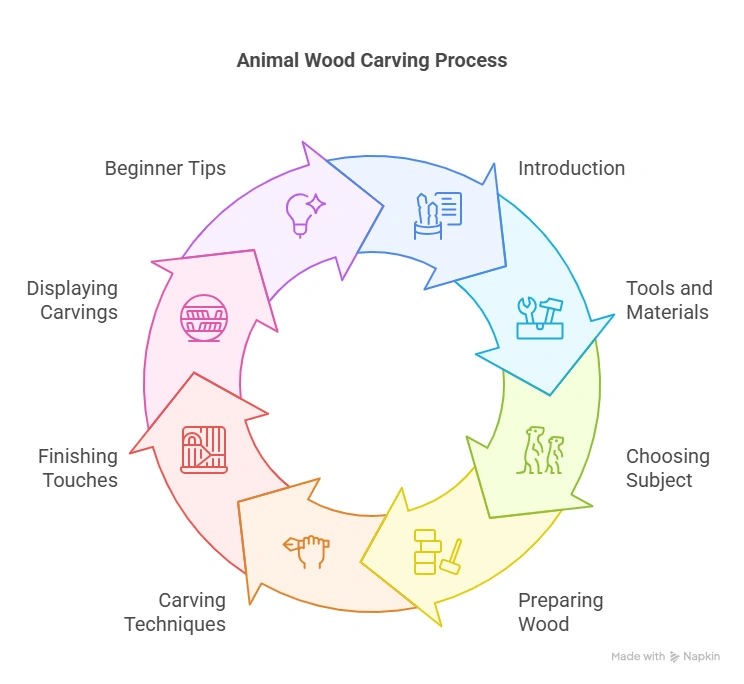
Essential Tools And Materials
Basic carving tools are key for wood carving. A good carving knife is essential. It should be sharp and easy to hold. Chisels are also important. They help shape the wood. Gouges are great for making curves. Use different sizes for different effects. A mallet helps drive chisels and gouges. Sandpaper smooths the wood. Safety gear like gloves and goggles protect you. Keep tools clean and sharp for best results.
Choosing the right wood is important. Softwoods like pine are easy to carve. Basswood is popular for beginners. It is soft and easy to work with. Hardwoods like oak are harder to carve. They need sharper tools and more strength. Each wood has its own grain. The grain affects the carving. Pick wood with a fine grain for smooth carving. Avoid wood with knots. They can be hard to carve through.
Choosing Your Animal Subject
Many wood carvers like to carve animals. Birds, especially eagles and owls, are very popular. Dogs and cats are also loved by many. Some carvers prefer wild animals like bears, wolves, and deer. Each animal has its own charm and challenge. Think about what animal you like most. This will make your carving more enjoyable.
Good reference images help a lot. Look for clear photos from different angles. This helps you see all parts of the animal. Books and magazines can be great sources too. Try to use high-quality images. They will show more details. This is very important for realistic carvings. You can also visit zoos or parks to see animals in real life. This gives you a better idea of their shapes and movements.
Preparing The Wood
Choose a good piece of wood. Make sure it is dry and clean. Use a saw to cut the wood. Cut it into the needed size and shape. Be careful while cutting. Safety is important. Measure twice, cut once. Use a ruler for straight lines. Draw your animal shape on the wood. Follow the lines while cutting.
After cutting, the wood may be rough. Use sandpaper to smooth it. Sand the wood gently. Start with coarse sandpaper. Then, use fine sandpaper. Smooth all the edges. Make the surface smooth. This helps with carving. Take your time. Smooth wood is easier to work with.
Basic Carving Techniques
Whittling involves using a small knife to carve away bits of wood. Start with a soft wood like basswood. Hold the knife firmly and make small cuts. Always carve away from your body. Add details by making tiny cuts. Patience is key. Focus on the animal’s shape first. Then add eyes, ears, and other features.
Texture makes carvings look real. Use different tools to add texture. V-gouges and U-gouges work well. Make shallow cuts to create fur. Layer cuts to add depth. Think about the animal’s skin. Smooth for reptiles, rough for mammals. Practice makes perfect. Keep trying new textures. Experiment to find what works best.

Credit: www.pinterest.com
Finishing Touches
Start with coarse sandpaper. Smooth out rough edges. Move to finer sandpaper. Make the wood surface smooth. Use a cloth to wipe away dust. Polishing adds shine. Use a soft cloth. Rub gently in circles. This makes the wood look nice. Polishing helps protect the wood.
Stain changes wood color. Use a brush to apply. Wipe off extra stain. Let it dry. Paint adds color. Use a small brush. Paint thin layers. Let each layer dry. Repeat for bright colors. Both stain and paint give a nice finish.
Displaying Your Carvings
Use shelves to show off your wood carvings. Place them at eye level for the best view. Add some small lights to highlight them. Try grouping similar carvings together. This makes them look more organized. Use empty spaces around the house. Think about placing them on your desk or a side table.
Choose a spot with shade for outdoor carvings. Direct sunlight can damage the wood. Use a protective finish to keep them safe from rain. Place them on a sturdy base to avoid tipping. Think about the weather in your area. Move carvings indoors during extreme weather. This helps them last longer.

Credit: suigenkyo.store
Tips For Beginners
Begin with basic tools and softwood for simple animal wood carvings. Practice patience and focus on small details. Explore different techniques to enhance your skills.
Common Mistakes To Avoid
Many beginners start with large pieces of wood. This can be hard to work with. Begin with small pieces. Small pieces are easier to handle. Another mistake is not sharpening tools. Dull tools make carving difficult. Keep your tools sharp. Rushing the work can lead to mistakes. Take your time. Go slow and steady.
Helpful Practice Exercises
Try carving simple shapes first. A circle or square is a good start. Practice basic cuts. Make straight cuts and curved cuts. Work on these every day. Use soft wood. Pine or basswood is good for beginners. These woods are easier to carve. Learn to hold your tools correctly. Your grip should be firm but relaxed. Practice these exercises often. They will help you improve.

Credit: www.youtube.com
Frequently Asked Questions
What Is The Easiest Animal To Carve Out Of Wood?
The easiest animal to carve out of wood is a simple fish. Its basic shape and smooth curves make it beginner-friendly.
What Is The Easiest Wood To Carve For Beginners?
Basswood is the easiest wood to carve for beginners. It is soft, easy to cut, and has fine grain.
What Is The Rule Of Three In Wood Carving?
The rule of three in wood carving refers to creating a balanced design by using three elements. This technique ensures visual harmony and guides the viewer’s eye naturally.
Is It Better To Carve Green Or Dry Wood?
Carving green wood is easier due to its softness and moisture content. Dry wood is harder and more prone to splitting.
Conclusion
Simple animal wood carvings offer endless possibilities for creativity. These small projects provide joy and satisfaction. Anyone can start with basic tools and a little practice. The beauty lies in the details. Each carving tells a story. Wood carving connects us with nature and tradition.
Try it today and discover a new hobby. Happy carving!