Skil Table Saw Fence Upgrade: When It’s Worth It
Skil’s stock table saw fence is functional but not built for repeated precision cuts – it can flex slightly under pressure and lacks fine micro-adjustment, which is why many owners upgrade to an aftermarket fence system once they outgrow basic cuts.
What the Stock Fence Actually Struggles With
Best for Checking Fence-to-Blade Alignment
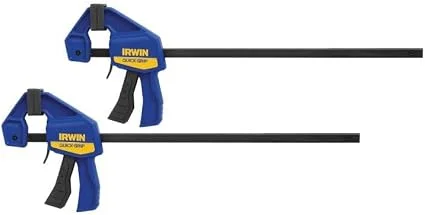 |
IRWIN QUICK-GRIP One-Handed Bar Clamp 2-Pack – $21.33 Clamping an auxiliary fence face or a straightedge in place while checking blade-to-fence alignment is exactly the kind of task this guide recommends doing before buying an upgrade.
|
The factory fence on most Skil benchtop and jobsite table saws locks at both ends of the rail, but the locking mechanism can allow slight rear-end drift over repeated use, throwing off parallel alignment to the blade – a real problem for rip cuts where even a small taper compounds across a long board. There’s also no fine-adjustment knob for nudging the fence a hair’s width, forcing full unlock-and-reposition for small corrections.
Aftermarket Fence Options
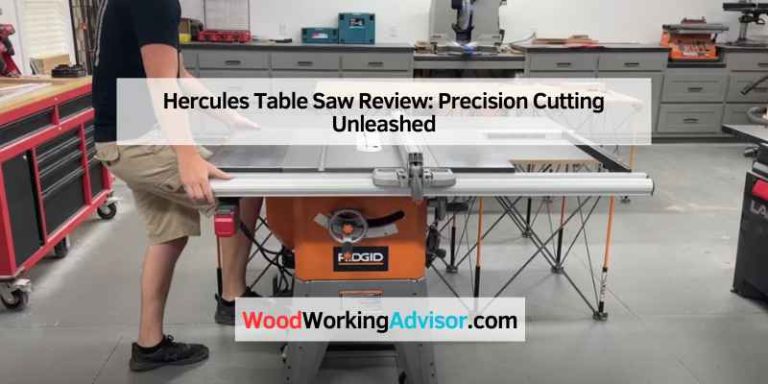
Universal aftermarket fence systems (several brands make T-square style fences compatible with common benchtop saw rail dimensions) add a rigid, self-squaring fence body with a fine-adjustment wheel and a more reliable locking cam – a meaningful upgrade in cut consistency. Confirm the aftermarket fence’s rail length and mounting pattern match your specific Skil model before ordering, since rail dimensions vary across the lineup.
DIY Fence Modifications
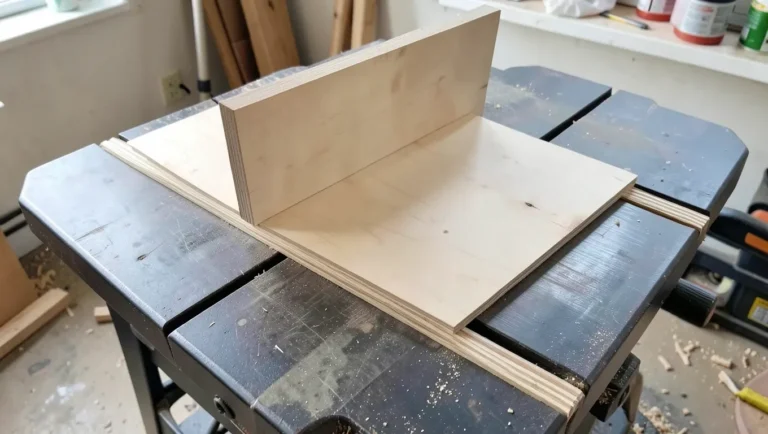
A simpler, cheaper fix for many owners is adding an auxiliary fence face – a flat piece of MDF or plywood clamped or screwed to the stock fence’s existing face, providing a taller, straighter reference surface and a fresh, true edge if the factory fence face has developed nicks or wear over time. This won’t fix a fundamentally loose locking mechanism, but it solves the more common complaint of an uneven or worn fence face.
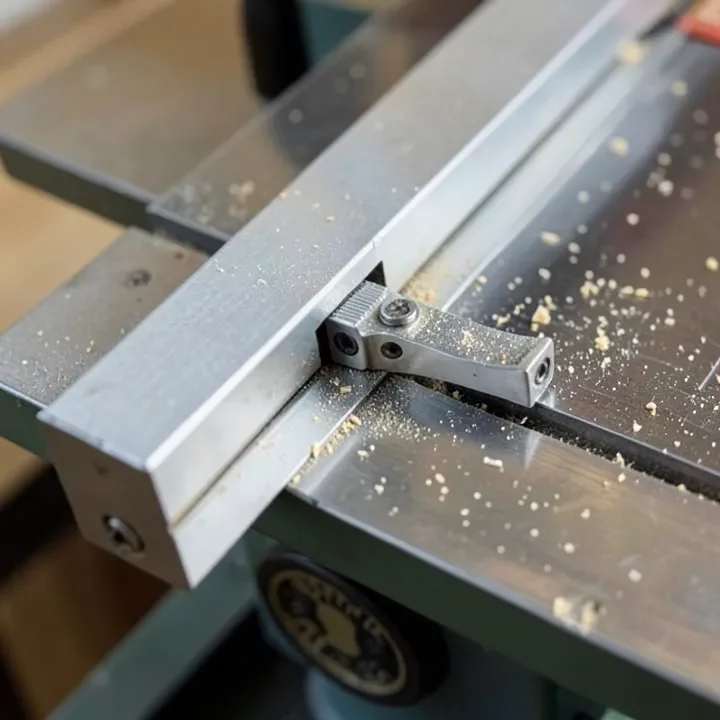
Checking Fence Alignment Before Blaming the Fence
Before assuming the fence itself is the problem, verify it’s actually parallel to the blade using a combination square or by measuring the distance from the blade to the fence at both the front and back of the table – a genuinely misaligned fence (not a design flaw, just an out-of-adjustment one) is a common and free-to-fix cause of the same symptoms an upgrade would otherwise be bought to solve.
Is the Upgrade Worth It for Occasional Use
For occasional DIY projects where cut precision isn’t critical, a well-maintained and properly aligned stock fence is often good enough, and the cost of an aftermarket fence system may not be justified. For anyone doing repeated furniture-grade or cabinet work where consistent, repeatable rip widths matter, the upgrade pays for itself in reduced waste and rework.
Frequently Asked Questions
Do aftermarket fences fit all Skil table saws?
Not universally – confirm the specific fence’s rail length and mounting pattern match your Skil model’s dimensions before ordering.
Should I check fence alignment before buying an upgrade?
Yes – a genuinely misaligned but otherwise fine stock fence is a common, free-to-fix cause of the same cut-quality problems an upgrade would be bought to solve.
Is a fence upgrade worth it for occasional DIY use?
Often not – a well-maintained, properly aligned stock fence handles occasional projects fine. The upgrade pays off most for repeated precision cabinet or furniture work.
Sponsored / affiliate links. As an Amazon Associate I earn from qualifying purchases. I may earn additional commission from eligible campaigns.