Cozy Up with a Small Cabin Wood Burning Stove
I love my tiny cabin in the woods. On chilly nights, my small cabin wood burning stove keeps me warm and makes the place feel like home. In this article, I’ll share why these stoves are great, how to pick one, and tips to use it safely. Whether you’re new to cabins or a seasoned camper, you’ll find easy ideas to make your cabin cozy.
What Is a Small Cabin Wood Burning Stove?
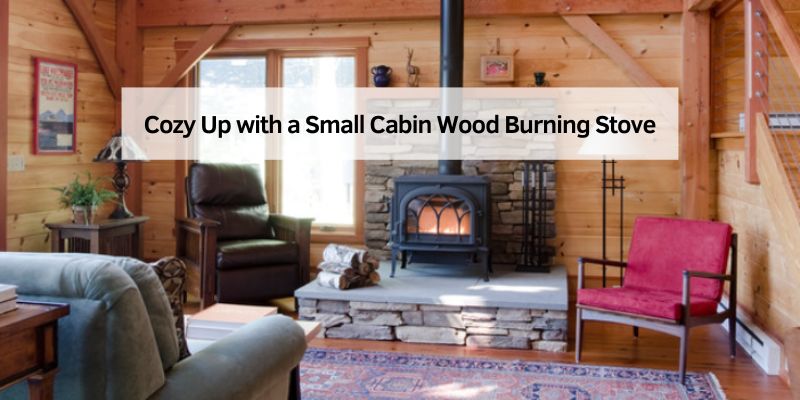
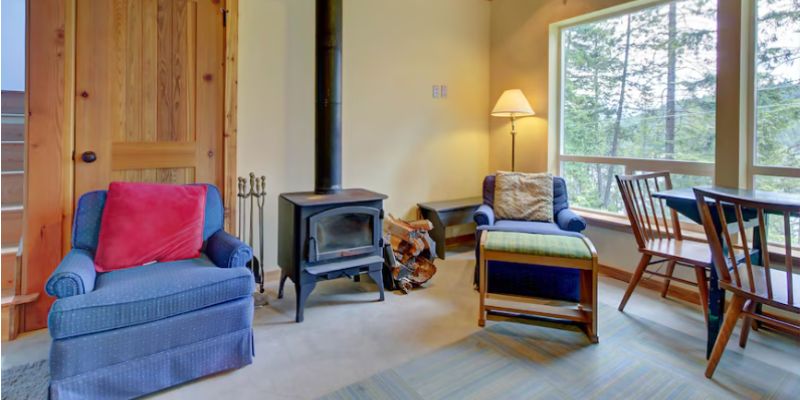
A small cabin wood burning stove is a tiny heater that burns wood to warm up small spaces like cabins or sheds. It’s made of steel or cast iron and has a firebox where wood burns. These stoves are perfect for cabins because they’re compact, easy to use, and give off a cozy glow. I use mine in a 200-square-foot cabin, and it heats the whole place!
Why Choose a Small Cabin Wood Burning Stove?
These stoves are great for off-grid living. They don’t need electricity, so you save money on bills. Plus, the crackling fire adds charm to your cabin. I remember my first winter in my cabin—my stove kept me toasty while I sipped hot cocoa by the fire. It’s practical and feels like a warm hug.
How to Pick the Right Stove
Choosing a small cabin wood burning stove can be fun but tricky. You need one that fits your space and heats well. Here’s a simple guide to help you pick:
- Measure Your Space: Check your cabin’s size. A stove for 200-400 square feet works for most tiny cabins.
- Check Heat Output: Look for BTUs (heat units). A stove with 6,000-14,000 BTUs is good for small spaces.
- Pick a Style: Choose steel for durability or cast iron for classic looks. I love my cast iron stove—it’s so pretty!
Here’s a table to compare popular stoves:
Table 1: Comparing Small Cabin Wood Burning Stoves
| Stove Model | Size (inches) | Heat Output (BTU) | Best For | Price Range |
|---|---|---|---|---|
| Cubic Mini Cub | 11 x 12 x 10.5 | 6,000-14,000 | Tiny cabins, RVs | $400-$600 |
| Morso 1410 Squirrel | 17 x 14 x 22 | Up to 13,000 | Small cabins | $800-$1,200 |
| US Stove TH-100 | 19 x 19 x 38 | Up to 26,000 | Larger cabins | $500-$800 |
Source: Inspired by reviews from Hearth.com
Installing Your Stove Safely
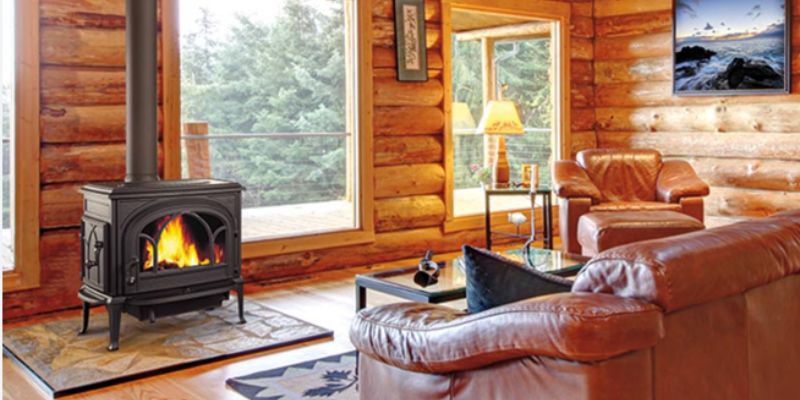
Installing a stove needs care. I learned this when I set up mine! Always hire a pro, like a HETAS-certified installer, to avoid fires or leaks. Here’s a simple checklist:
- Clear Space: Keep the stove 12-36 inches from walls.
- Use a Flue: A pipe sends smoke outside safely.
- Add a Carbon Monoxide Detector: This keeps you safe from harmful gases.
Visual Idea: A diagram showing safe stove placement with clearance distances would help beginners visualize the setup.
Benefits of a Small Cabin Wood Burning Stove
These stoves are awesome for many reasons:
- Saves Money: Wood is cheaper than electric heat. I cut my own wood and save tons!
- Eco-Friendly: Modern stoves burn clean, meeting EPA standards.
- Cozy Vibes: The fire’s glow makes your cabin feel magical.
But there are some drawbacks:
- Wood Chopping: You need to cut or buy small logs.
- Cleaning: Empty ashes weekly to keep it working well.
Alternatives to Wood Stoves
If a wood stove isn’t right, try these:
- Propane Heaters: Easy to use but need fuel tanks.
- Electric Heaters: Simple but costly in off-grid cabins.
- Pellet Stoves: Burn wood pellets, less mess than logs.
I tried a propane heater once, but it didn’t feel as cozy as my wood stove.
Step-by-Step: Starting Your First Fire
Lighting a fire is easy if you follow these steps:
- Gather Supplies: Get dry wood, kindling, and newspaper.
- Build the Fire: Place newspaper under kindling, then add logs.
- Light It Up: Use a match and open the air vent.
- Adjust Airflow: Close the vent slightly once the fire grows.
Visual Idea: A simple sketch of a fire-building setup (newspaper, kindling, logs) would make this clear.
Here’s a table of fire-starting tools:
Table 2: Fire-Starting Essentials
| Item | Purpose | Cost |
|---|---|---|
| Dry Wood | Main fuel for the fire | $50/cord |
| Kindling | Small sticks to start fire | $5/bundle |
| Fire Starters | Easy way to light kindling | $10/pack |
My Top Tips for Using Your Stove
After years with my stove, here are my best tips:
- Use Dry Wood: Wet wood makes smoke and less heat. Look for “Ready to Burn” logs with less than 20% moisture.
- Clean Often: Empty ashes weekly to keep air flowing. Wear a mask to avoid dust.
- Check the Flue: Clean it yearly to prevent fires. I learned this after a smoky mess!
Visual Idea: A chart showing a yearly stove maintenance schedule would be handy.
Common Mistakes to Avoid
Beginners make these errors:
- Burning Wet Wood: It causes smoke and creosote buildup.
- Skipping Installation Rules: Always follow local codes.
- Overloading the Stove: Too much wood makes it too hot.
I once overfilled my stove, and it got so hot I had to open windows in winter!
Comparing Costs of Heating Options
Here’s a table to help you budget:
Table 3: Heating Costs for Small Cabins
| Heating Type | Initial Cost | Yearly Fuel Cost | Pros |
|---|---|---|---|
| Wood Stove | $500-$1,500 | $100-$300 | Cozy, cheap fuel |
| Propane Heater | $200-$500 | $200-$500 | Easy to use |
| Electric Heater | $100-$300 | $400-$800 | No installation needed |
Source: Inspired by Tiny Wood Stove
Conclusion
A small cabin wood burning stove is a cozy, budget-friendly way to heat your cabin. From picking the right stove to lighting your first fire, this guide has you covered. Try starting a small fire this weekend or share your cabin plans with friends. Grab some dry wood, light a fire, and enjoy the warmth! What’s your favorite cabin memory? Share it below!
Frequently Asked Questions
What Size Stove Do I Need for My Cabin?
For a small cabin (100-400 square feet), pick a stove with 6,000-14,000 BTUs. Measure your space first. A Cubic Mini Cub works great for tiny cabins, while a US Stove TH-100 suits bigger ones. Check the stove’s label for BTU info.
Is a Wood Stove Safe in a Cabin?
Yes, if installed correctly. Hire a pro to set it up with a flue and proper clearance. Add a carbon monoxide detector. I check mine monthly to stay safe. Follow local rules to avoid risks.
How Much Wood Will I Need?
A small cabin needs about 1-2 cords of wood per winter. A cord is a stack 4 feet high, 4 feet wide, and 8 feet long. I use one cord for my 200-square-foot cabin. Buy dry wood to save time.
Can I Cook on a Wood Stove?
Some stoves, like the US Stove US1269E, have a cooking surface. You can heat soup or boil water. I’ve made hot tea on mine! Check if your stove has a flat top for cooking.
How Do I Clean My Stove?
Empty ashes weekly with a metal scoop. Wear a mask to avoid dust. Clean the flue yearly to prevent buildup. I learned to sweep my chimney after a smoky fire—yuck!
Are Wood Stoves Eco-Friendly?
Modern stoves are cleaner, meeting EPA standards. They burn wood efficiently, reducing smoke. Use dry wood to cut pollution. My stove keeps my cabin green and cozy!
Can I Install a Stove Myself?
No, always hire a pro like a HETAS installer. Wrong setups can cause fires or leaks. I tried adjusting mine once and regretted it—smoke everywhere! Save time and stay safe with an expert.