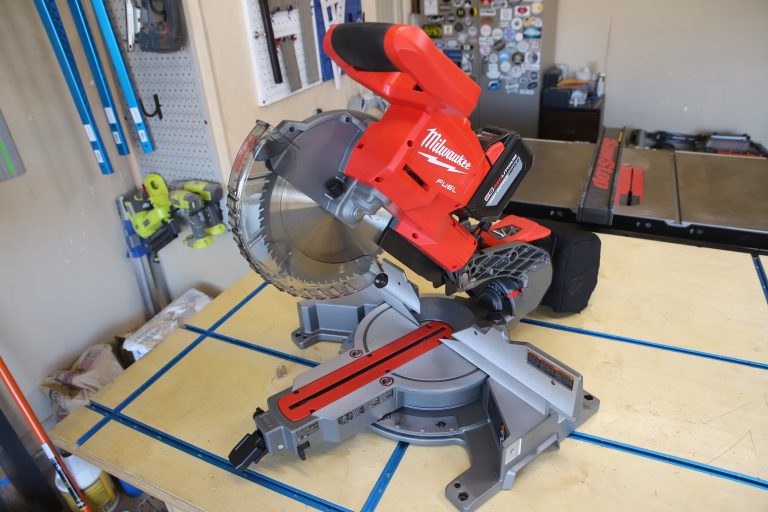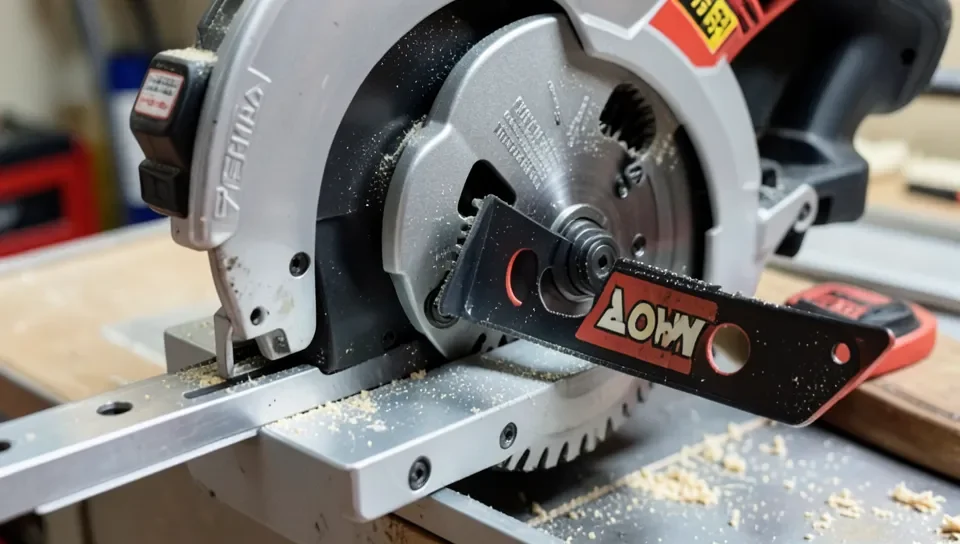
Miter Saw Extension Wings: Built-In vs. Stand-Mounted, and When You Need Them
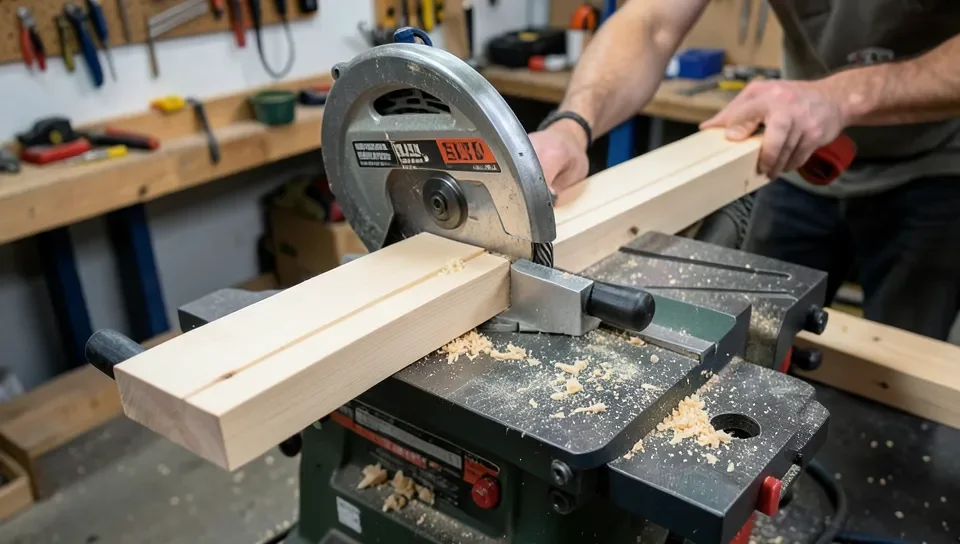
Extension wings support long stock on either side of a miter saw’s table so the workpiece doesn’t tip or sag mid-cut — without them, cutting a long board means one hand holding the far end steady instead of guiding the saw, which hurts both safety and accuracy. Some saws come with fold-out wings built into the tool itself; for saws that don’t, a separate stand with its own extension arms does the same job.
Built-In Wings vs. a Separate Stand
Universal Fit, No Saw-Specific Mounting
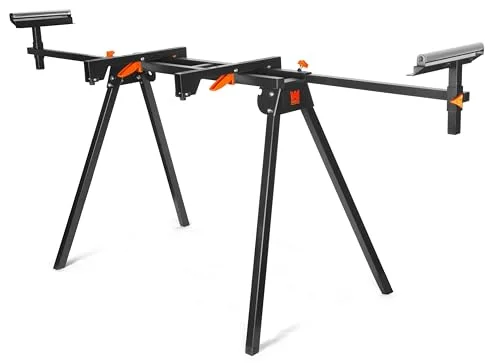 |
WEN MSA200 Collapsible Miter Saw Stand, 350-lb Capacity – $63.58 Bolts to any miter saw’s base regardless of brand, with extendable arms that do the same job as built-in wings.
|
A saw’s built-in fold-out wings are convenient (no separate purchase, no floor space when folded) but limited in reach — most extend only 10-15 inches beyond the table edge, enough for moderate stock but not a full 8-foot board. A separate stand with roller or flat extension arms, bolted to the saw’s base, extends much further (several feet on either side) and works across brands, which matters if you ever replace the saw itself and don’t want to lose your extension setup along with it.
Checking Compatibility Before Buying a Stand
A “universal” miter saw stand still needs to physically bolt to your saw’s base, so check the mounting hole pattern and base width against the stand’s specs before assuming universal means guaranteed fit — most stands include an adjustable mounting bracket specifically to handle this variation, but a saw with an unusually narrow or oddly-shaped base can still be a tight fit. Weight capacity matters too: a stand rated for a specific weight needs to handle the saw itself plus the workpiece resting on the extensions, not just the saw alone.
Setting Wing Height Correctly
Whether built-in or stand-mounted, extension supports need to sit level with (or a hair below, never above) the saw’s own table surface. A support set too high tilts the workpiece up off the table at the cut point, throwing off the angle; set correctly, the workpiece lies flat across the saw table and both extensions with no gap or high spot. Most adjustable stands have a height-adjustment knob or pin specifically for matching this to your saw’s table height, and it’s worth re-checking after moving the stand or saw, since a slightly uneven floor can throw off a height setting that was correct in a different spot. A quick check with a long, straight level or a straightedge laid flat across the saw table and both extensions catches a height mismatch faster than sighting it by eye.
A DIY Extension Table Is a Legitimate Alternative
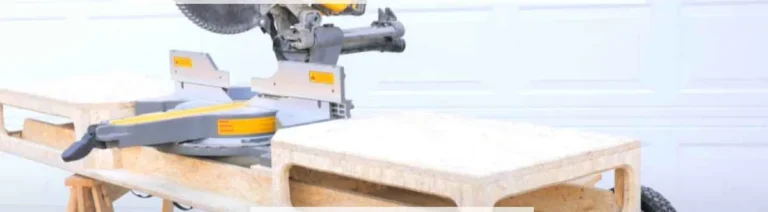
A shop-built extension table (plywood on sawhorses or a simple frame, set to exactly match the saw’s table height) does the same job as a purchased stand at a fraction of the cost, and it’s a common shop-built project specifically because getting the height right is the only real requirement. The tradeoff is portability — a purchased folding stand packs away in minutes, while a fixed shop table stays built into the workspace, which matters if the saw needs to move between job sites regularly but doesn’t matter at all for a stationary home shop setup.
Material Weight Changes What “Enough Support” Means
A long piece of light pine sags less under its own weight than the same length of MDF or a dense hardwood, which means the extension spacing that’s fine for one material can leave a heavier board flexing between supports. For sheet goods or dense hardwood stock over about 6 feet, an extra mid-span support point (not just the two end extensions) prevents the board from bowing down in the middle right at the moment of the cut, which can pinch the blade or throw off the cut angle on an otherwise correctly measured piece.
Frequently Asked Questions
Do I need extension wings if my miter saw already has fold-out wings?
Only if your built-in wings don’t reach far enough for the stock you typically cut. Built-in wings usually extend 10-15 inches; a separate stand reaches several feet further.
Will a universal miter saw stand fit any saw?
Most universal stands have an adjustable bracket that fits a wide range of bases, but check the mounting hole pattern and base width against the stand’s specs first — an unusually narrow base can still be a tight fit.
How high should extension wings be set?
Level with, or a hair below, the saw’s own table surface. Set too high, the extensions tilt the workpiece up off the table at the cut point and throw off the angle.
Conclusion
Extension wings, built-in or stand-mounted, exist to keep long stock flat and supported through a cut — skip them on anything longer than a couple feet and you’re trading accuracy and safety for convenience. A saw’s own fold-out wings cover moderate lengths; a separate universal stand is the upgrade once your typical stock outgrows what’s built in.
Sponsored / affiliate links. As an Amazon Associate I earn from qualifying purchases. I may earn additional commission from eligible campaigns.