Delta X5 Table Saw: Real Specs and What Owners Actually Report
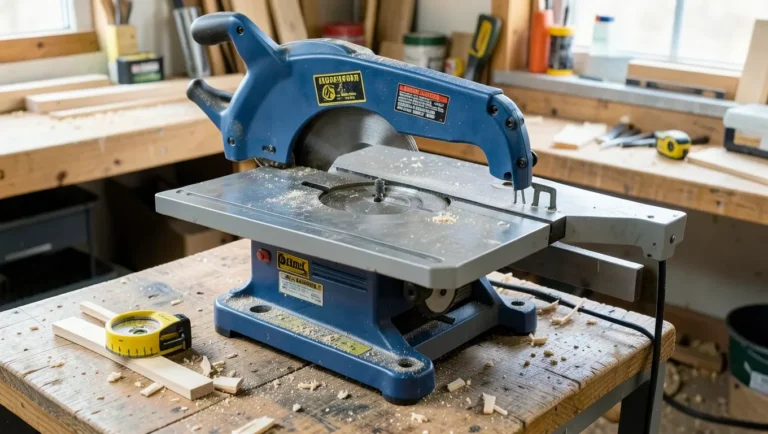
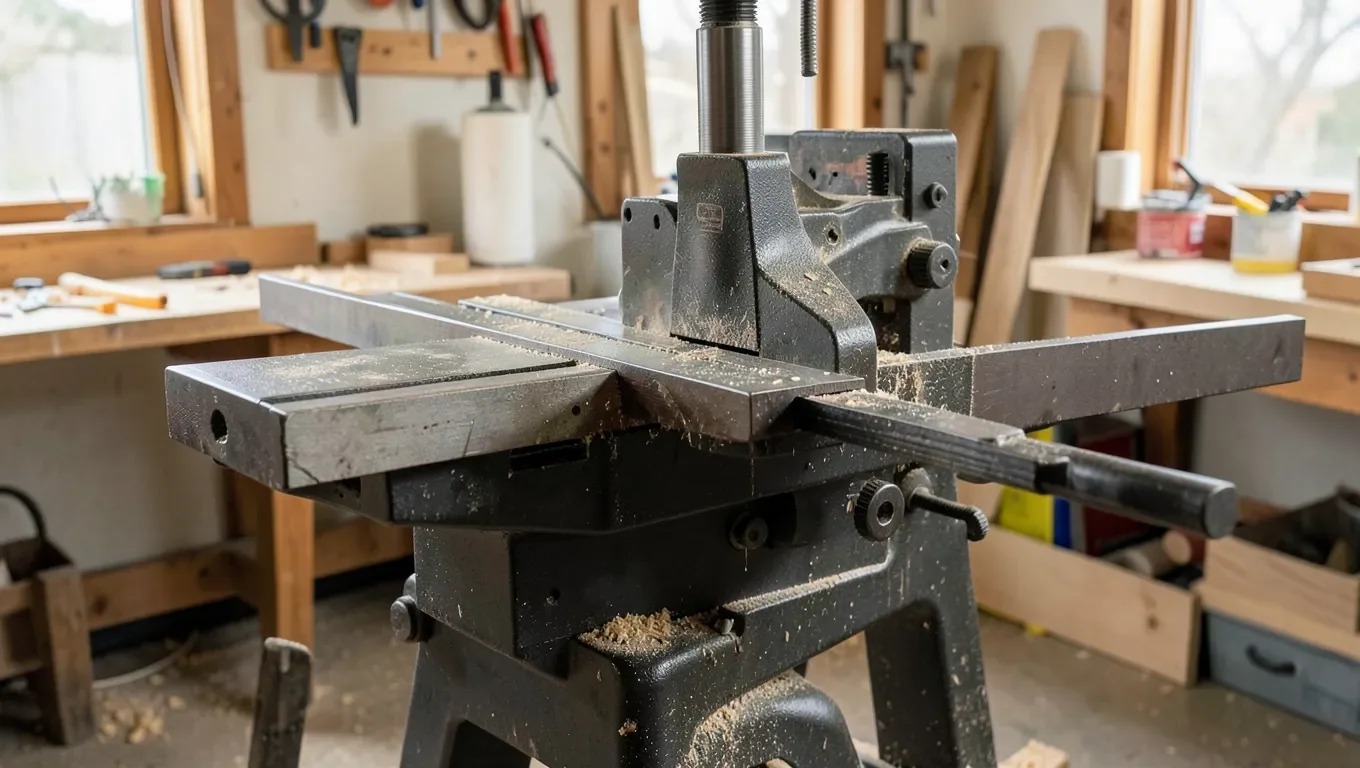
The Delta X5 is a real product line, most notably the X5 Unisaw — a 3 HP, 230V cabinet table saw with a 10″ blade, 5/8″ arbor, and a Biesemeyer commercial fence system, part of Delta’s “X5″ designation that also included a companion 14” bandsaw. It’s a genuine cabinet-saw-class machine, not a benchtop or contractor saw, and it’s backed by what Delta marketed as a 5-year warranty on X5-series tools — longer than the 1-3 years typical of comparable saws at the time.
Real X5 Unisaw Specifications
A Real Delta Upgrade Part
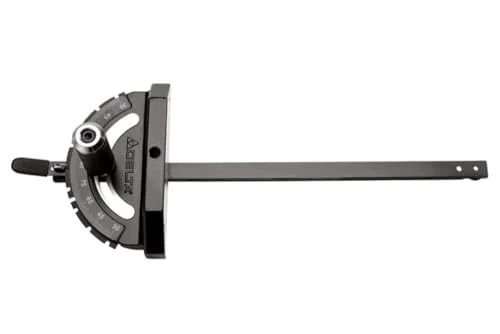 |
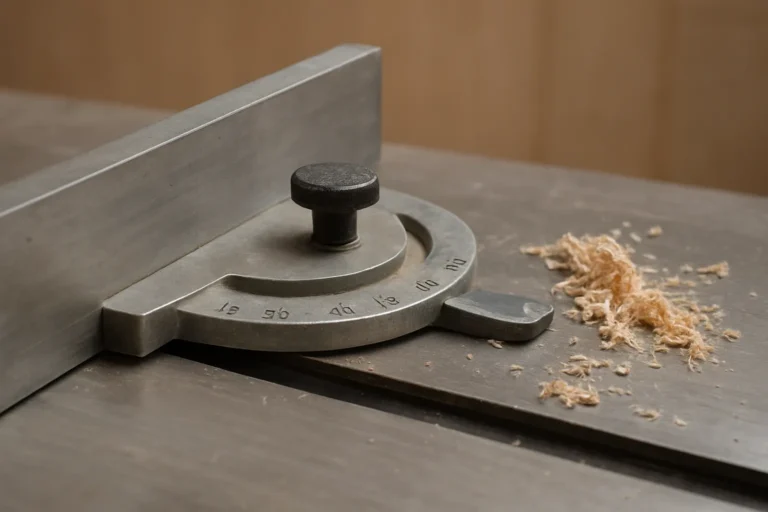
Delta Deluxe Miter Gauge – $49.99 A genuine current Delta accessory — a reasonable stand-in if your X5’s original miter gauge is among the NLA parts owners report struggling to source.
|
| Spec | Value |
|---|---|
| Motor | 3 HP, single-phase, 230V, TEFC |
| Blade | 10″ diameter, 5/8″ arbor |
| Arbor speed | ~4,000 RPM (3,450 RPM motor) |
| Max depth of cut | 3-1/8″ |
| Fence | 50″ Biesemeyer commercial fence system |
| Tilt direction | Right tilt |
| Mobile base | 52″ with adjustable steel support legs |
| Warranty | 5 years (X-series) |
The right-tilt design and Biesemeyer fence are the two specs that matter most in practice. Right tilt (versus left tilt on some competing cabinet saws) means the blade tilts away from the fence during a bevel cut, which most woodworkers consider safer since it reduces the chance of a workpiece binding between the fence and an angled blade. The Biesemeyer fence is widely regarded as one of the more accurate and repeatable fence systems available, and it’s a big part of why the X5 built a reputation beyond just its motor power.
The X5 Wasn’t Just a Table Saw
Delta used the “X5″ designation across more than one tool in its lineup — alongside the X5 Unisaw, there was also a 14” X5 bandsaw, part of the same product generation and marketed with the same extended warranty positioning. Woodworkers who bought into the X5 line often ended up with both machines side by side in the same shop, which is part of why “X5” as a search term surfaces both table saw and bandsaw results, and it’s worth double-checking which specific X5 tool a listing or forum thread is actually discussing before assuming it applies to your saw.
Confirming You’re Actually Looking at an X5
Because “Delta X5” spans multiple products and years, check the model and part number stamped on the saw’s data plate or casting before assuming compatibility with any parts or accessories — the specific model number (like the 36-R31X pattern referenced in Delta’s own parts catalogs) is what actually determines which fence, guard, and miter gauge fit your particular unit, not just the general “X5” name. This matters most when buying used or sourcing replacement parts, since two saws both casually called “the X5” by sellers can still differ enough in specific model number to need different parts. Take a clear photo of the full data plate before shopping for parts or asking for help in a woodworking forum — it saves back-and-forth and gets you a more accurate answer than describing the saw from memory.
What Owners Actually Report
Real user feedback on the X5 is mixed in a specific, consistent way: the saw itself runs smoothly and quietly compared to older Delta models, and the fence system draws consistent praise. The recurring complaint isn’t performance, it’s parts availability — some owners report that specific X5-era replacement parts are NLA (no longer available) through official channels, which matters for anyone planning to keep one running long-term rather than buying it new. This is a real practical consideration, not just an internet rumor: before buying a used X5, check whether the specific parts most likely to wear (miter gauge, blade guard components, drive belt) are still sourceable, either through official parts or the used/reproduction market.
Where the X5 Fits in Delta’s Ownership History
The X5 designation sits within Delta’s broader brand history — the same brand that’s passed through Rockwell, Pentair, Black & Decker, and now Chang Type Industrial ownership over the decades. See our full Rockwell Delta table saw history for the complete ownership timeline; the practical takeaway for X5 owners specifically is the same one that applies across vintage and semi-vintage Delta equipment: parts sourcing and support depend heavily on which ownership era produced your specific saw.
Basic Maintenance for a Cast-Iron Cabinet Saw
The cast-iron table on any saw of this type, X5 included, needs periodic protection against rust — a coat of paste wax buffed onto the table surface every few months (more often in a humid shop) keeps moisture from etching the surface and also helps material slide across it more smoothly during cuts. Check blade-to-miter-slot alignment periodically, especially after moving the saw or any significant impact; a saw that’s out of alignment even slightly produces burning or binding on rip cuts long before the problem becomes obvious by eye. Clean the fence rails regularly, since sawdust buildup there is a common cause of a fence that doesn’t lock down perfectly parallel to the blade, which undermines exactly the accuracy the Biesemeyer fence is known for.
Setting Up a Used X5 Correctly
Before trusting any used cabinet saw for real work, check that it sits level and doesn’t rock on its base — an uneven base can throw off cut accuracy in ways that are easy to misdiagnose as a blade or fence problem when the actual cause is the saw rocking slightly under pressure. Verify the blade tilts smoothly through its full range without binding, and check that the miter gauge slides freely in both slots without excessive play. These are standard checks for any used cabinet saw purchase, not X5-specific concerns, but they matter more on a machine old enough that some replacement parts may be genuinely hard to source if something turns out to be worn beyond simple adjustment.
Is the X5 Worth Buying Used Today?
If you find one in good working condition at a fair price, the core machine — motor, cast iron table, Biesemeyer fence — is genuinely solid and worth considering. Weigh that against the parts-availability concern realistically: inspect the miter gauge, blade guard, and belt condition carefully before buying, since replacing a worn original part may mean hunting the used market rather than ordering new. For anyone who wants a similar caliber of saw without that parts-sourcing uncertainty, a current-production Delta or comparable cabinet saw with active manufacturer support is the lower-risk alternative, at a correspondingly higher purchase price than a used X5.
Frequently Asked Questions
What is the Delta X5 table saw?
The Delta X5 Unisaw is a 3 HP, 230V cabinet table saw with a 10″ blade and a Biesemeyer commercial fence system, part of Delta’s X-series line that carried a 5-year warranty.
Are parts still available for the Delta X5?
Some are, some aren’t. Owners report certain X5-era parts as no longer available (NLA) through official channels, so check specific part availability before relying on one for long-term use.
Is right-tilt or left-tilt better on a table saw?
Right tilt, like the X5 uses, is generally considered safer since the blade tilts away from the fence during a bevel cut, reducing the chance of a workpiece binding between the fence and an angled blade.
Did Delta make other X5-branded tools besides the table saw?
Yes, a 14″ X5 bandsaw was part of the same product generation, marketed with the same extended warranty positioning as the X5 Unisaw.
Conclusion
The Delta X5 Unisaw is a real, capable 3 HP cabinet saw with a genuinely well-regarded Biesemeyer fence — the core machine holds up, and basic maintenance like waxing the table and checking alignment keeps it running accurately for years. The real consideration before buying one used is parts availability, which owners consistently flag as the actual weak point, not the saw’s cutting performance or build quality — verify your specific model number and inspect wear parts carefully before committing to one.
Sponsored / affiliate links. As an Amazon Associate I earn from qualifying purchases. I may earn additional commission from eligible campaigns.