Spalting Maple Wood: Unveiling Its Unique Beauty & Uses
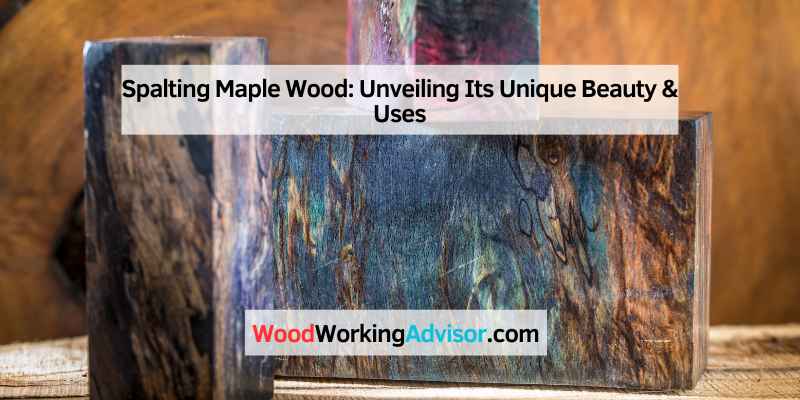
Spalting Maple wood features unique patterns and colors created by fungi during the wood’s decay process. This striking wood is popular for crafting furniture and decorative items.
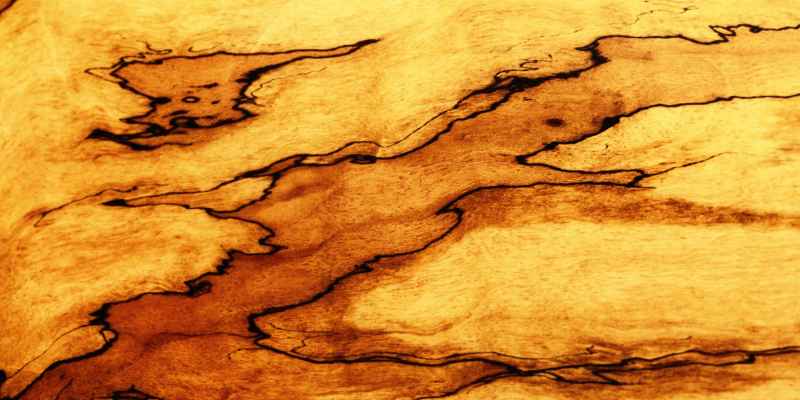
Spalting Maple is a captivating choice for woodworkers and artisans. Its distinctive appearance results from fungal activity, leading to vibrant colors and intricate designs. This wood showcases a blend of creamy whites, rich browns, and bold black lines, making each piece one-of-a-kind.
Spalting not only enhances aesthetics but also adds character to any project. Craftsmen appreciate its workability, allowing for smooth finishes and detailed carvings. Whether used in furniture, bowls, or art pieces, Spalting Maple offers both beauty and functionality. Understanding its properties can elevate your woodworking projects, making them truly stand out in a competitive market.
The Allure Of Spalting Maple Wood
Spalting maple wood captivates woodworkers and artists alike. Its unique patterns and colors tell a story of nature’s artistry. Spalting occurs during the wood’s decay, creating stunning visual effects. This process makes each piece one-of-a-kind. Let’s explore its characteristics and visual appeal.
Characteristics Of Spalting
Spalting gives maple wood unique features. Here are some key characteristics:
- Color Variations: Ranges from creamy white to deep black.
- Texture: Often has a soft, smooth finish.
- Lightweight: Easy to work with for various projects.
- Durability: Retains strength despite decay.
Spalted maple showcases natural beauty. Its unique features make it perfect for furniture, art, and crafts. Each piece reflects individual history and charm.
Visual Appeal Of Spalted Patterns
The visual appeal of spalted patterns is unmatched. Each piece displays intricate designs created by fungi. These patterns can include:
- Stripes: Bold lines running across the wood.
- Swirls: Soft, flowing curves that catch the eye.
- Spots: Dots and speckles adding depth and character.
Artists love these designs for their versatility. Spalted maple is perfect for:
- Bowls and vases
- Furniture accents
- Decorative items
Its beauty shines in both natural and finished forms. Spalted maple wood transforms any project into a stunning piece of art.
Formation Of Spalted Wood
Spalted wood is a stunning natural phenomenon. It occurs due to the interaction between wood and fungi. This process creates unique patterns and colors. Spalted maple wood is especially popular among woodworkers. Let’s explore how this enchanting wood forms.
Fungi As The Artist
Fungi play a crucial role in the formation of spalted wood. They invade the wood, creating beautiful designs. Different types of fungi produce various patterns. Here are some common types of fungi involved:
- Trametes versicolor: Known for its vibrant colors.
- Ganoderma: Creates dark streaks and contrasts.
- Hypoxylon: Forms unique, intricate patterns.
These fungi break down the lignin in wood. This process leads to color changes and interesting grain patterns. The wood becomes visually appealing and functional.
Environmental Conditions For Spalting
Specific environmental conditions favor spalted wood formation. Here are the key factors:
| Condition | Ideal Level |
|---|---|
| Moisture | High |
| Temperature | Warm (60-80°F) |
| Oxygen | Good airflow |
Spalted wood forms best in damp, warm areas. It also needs good air circulation. The right combination encourages fungal growth. This leads to the stunning patterns we admire.
Understanding these conditions helps woodworkers create their own spalted wood. By mimicking nature, they can produce unique pieces.
Types Of Spalted Maple
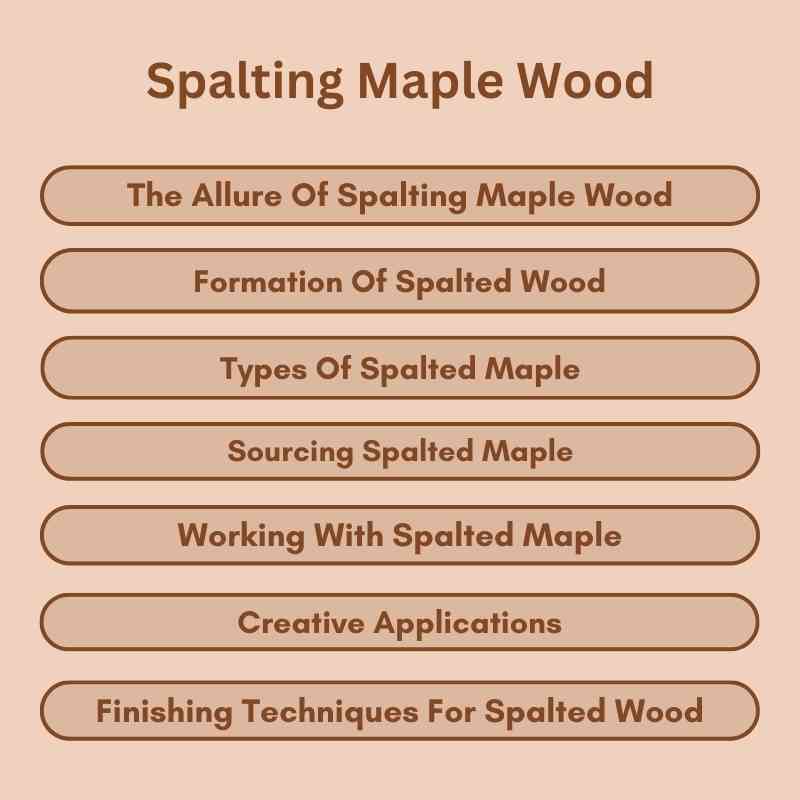
Spalted maple is known for its unique beauty. Different types create stunning patterns. Each type tells a story of decay and transformation. Let’s explore the fascinating types of spalted maple.
Zone Lines And Their Mystique
Zone lines are striking features in spalted maple. They appear as dark lines across the wood. These lines mark the boundaries of fungal growth. They create a contrast with lighter wood areas.
- Contrast: Dark lines stand out against lighter wood.
- Patterns: Each piece has a unique design.
- Depth: Adds visual interest to any project.
Artisans often highlight these zone lines. They enhance the natural beauty of the wood. Zone lines can vary in width and intensity. This variation adds to their mystique.
Varieties Of Coloration And Figure
Spalted maple showcases a range of colors. The colors depend on the type of decay and fungi. Common colors include:
| Color | Description |
|---|---|
| White: | Bright and clean, often with subtle lines. |
| Golden Yellow: | Warm tones that add richness to the wood. |
| Gray: | Soft and muted, perfect for a modern look. |
| Black: | Bold and dramatic, excellent for statement pieces. |
The figure of spalted maple can also differ. Unique swirls and patterns form during decay. Some popular figures include:
- Curly: Waves that create a rippling effect.
- Birdseye: Small, round spots that look like eyes.
- Flame: Striking lines that resemble flames.
These variations make spalted maple a favorite for woodworkers. Each piece is a work of art. The unique features add character to furniture and decor.
Sourcing Spalted Maple
Sourcing spalted maple wood involves careful consideration. This unique wood is prized for its striking patterns. Finding quality spalted maple requires knowledge and responsibility. Let’s explore responsible harvesting and how to identify quality spalted wood.
Responsible Harvesting
Responsible harvesting ensures sustainability. It protects forest ecosystems and promotes growth. Here are key practices:
- Selective Cutting: Only take a few trees.
- Monitoring Health: Assess tree health before cutting.
- Regeneration: Allow space for new trees to grow.
Choosing suppliers who follow these methods is crucial. This helps maintain the wood’s beauty and availability.
Identifying Quality Spalted Wood
Quality spalted maple has distinct features. Look for these characteristics:
| Feature | Description |
|---|---|
| Color Variance | Rich colors from light to dark brown. |
| Pattern | Unique, swirling patterns and lines. |
| Texture | Smooth finish with interesting grain. |
Inspect wood carefully. Check for cracks or soft spots. Quality spalted maple enhances any project. Use it to create stunning furniture or art pieces.
Working With Spalted Maple
Spalted maple is a unique wood. It features beautiful patterns created by fungi. This wood is prized by artisans and woodworkers. However, working with spalted maple has its challenges.
Challenges In Crafting
Crafting with spalted maple can be tricky. The wood is often softer due to the spalt. This softness can lead to:
- Splitting during cutting
- Chipping when sanding
- Difficulty in achieving fine details
Woodworkers need to adjust their techniques. Here are some tips:
- Use sharp tools to minimize tearing.
- Work slowly to avoid breakage.
- Test finishes on scrap pieces first.
Preserving The Integrity Of The Wood
Preserving spalted maple is essential. Proper care ensures longevity and beauty. Here are key steps:
| Step | Description |
|---|---|
| 1 | Seal the wood after cutting. |
| 2 | Store in a cool, dry place. |
| 3 | Avoid direct sunlight exposure. |
| 4 | Use a protective finish. |
Following these steps helps maintain the wood’s beauty. Spalted maple can become a stunning centerpiece.
Creative Applications
Spalting Maple wood stands out for its unique patterns and colors. Its beauty offers endless possibilities. Artists and designers love using this wood in various projects. Here are some creative applications of Spalting Maple.
Furniture Design
Spalting Maple is perfect for furniture design. Its striking patterns add elegance to any space. Here are some popular furniture items made from Spalting Maple:
- Tables: Coffee tables and dining tables feature stunning designs.
- Chairs: Unique chairs showcase the wood’s natural beauty.
- Cabinets: Cabinets made from Spalting Maple are eye-catching.
- Shelves: Floating shelves create a modern look.
Each piece tells a story. The natural variations give a one-of-a-kind appearance. Designers often use this wood to create conversation starters.
Decorative Art Pieces
Spalting Maple also shines in decorative art. Artists embrace its unique characteristics. Here are popular decorative applications:
- Wall Art: Wooden panels create stunning wall displays.
- Bowls: Handcrafted bowls highlight the wood’s grain.
- Coasters: Unique coasters add charm to any table.
- Wooden Sculptures: Sculptures showcase the wood’s intricate details.
These art pieces make great gifts. They add warmth and beauty to any room.
| Application | Description |
|---|---|
| Furniture | Elegant tables, chairs, and cabinets enhance any space. |
| Decorative Art | Unique wall art, bowls, and sculptures show off Spalting Maple. |
Finishing Techniques For Spalted Wood
Finishing spalted maple wood enhances its beauty and durability. Proper techniques bring out the unique patterns. These techniques also protect the wood from damage.
Sealing And Protecting
Sealing spalted wood is essential. It prevents moisture and dirt from entering. Choose a high-quality sealant for the best results. Here are some popular options:
- Polyurethane: Durable and water-resistant. Great for furniture.
- Shellac: Natural finish. Provides a warm glow.
- Epoxy Resin: Offers a glass-like finish. Excellent for tables.
Apply the sealant in thin coats. Use a brush or cloth for even application. Allow each coat to dry completely before adding another. This creates a strong protective layer.
Enhancing The Natural Patterns
Spalted wood has stunning patterns. Use finishing techniques to enhance these designs. Consider these methods:
- Staining: Use a wood stain to highlight colors. Dark stains enhance contrast.
- Buffing: Buff the surface for a soft sheen. This brings out the grain.
- Waxing: Apply wax for a smooth finish. Wax adds a subtle glow.
Always test techniques on a small area first. This ensures the desired effect. With the right techniques, spalted maple wood becomes a stunning focal point.
Preservation And Care
Spalted maple wood is beautiful but needs proper care. Preserving this unique wood ensures it lasts a long time. Follow these guidelines to maintain its charm and integrity.
Maintaining Spalted Maple Items
Proper maintenance keeps spalted maple looking great. Use these tips:
- Regular Dusting: Use a soft cloth to remove dust.
- Use Coasters: Protect surfaces from water rings.
- Avoid Direct Sunlight: Keep items out of bright light.
Consider oiling the surface:
- Choose a food-safe mineral oil.
- Apply a thin layer with a cloth.
- Let it absorb for a few hours.
Preventing Further Decay
Decaying wood can ruin your spalted maple items. Follow these steps to prevent decay:
| Action | Description |
|---|---|
| Control Humidity: | Keep humidity levels between 40-60%. |
| Avoid Extreme Temperatures: | Store items in a stable environment. |
| Use a Sealant: | Apply a sealant to protect the wood. |
Check regularly for signs of decay. Look for:
- Soft spots
- Discoloration
- Unpleasant odors
Immediate action can save your spalted maple wood. Maintain its beauty and value with these simple steps.
Spalted Maple In The Market
Spalted maple wood is gaining popularity in various markets. Its unique patterns and colors attract woodworkers, furniture makers, and artisans. The beauty of spalted maple makes it a sought-after choice for many projects.
Value And Demand
The value of spalted maple wood is rising due to its rarity and beauty. Many people desire this wood for its stunning patterns. Here are some key points about its value and demand:
- Unique Appearance: Each piece is distinct, making it highly valued.
- Craftsmanship: Artisans appreciate the workability of spalted maple.
- Market Trends: Demand increases for custom furniture and decor.
- Price Range: Prices vary based on quality and pattern complexity.
Authenticity And Certification
Buying authentic spalted maple is crucial for quality assurance. Certification ensures the wood is genuine and sustainably sourced. Consider these factors:
- Check for Certification: Look for documents verifying authenticity.
- Sustainable Sources: Choose suppliers who practice responsible harvesting.
- Ask for Samples: Request samples to verify quality before purchase.
- Research Suppliers: Read reviews and verify their reputation.
Understanding authenticity and certification helps buyers make informed choices. Protecting the environment is vital in the wood market.
Frequently Asked Questions
What Is Spalted Maple Wood?
Spalted maple wood is a unique type of wood known for its striking patterns and colors. The spalting process occurs when fungi infect the wood, creating beautiful dark lines and contrasting shades. This wood is often used in furniture and decorative items due to its aesthetic appeal.
How Is Spalted Maple Wood Created?
Spalted maple wood is created through a natural decay process. Fungi enter the wood, breaking down its structure and creating distinctive patterns. This process can take several months to years, depending on environmental conditions. The result is wood that is both visually stunning and often easier to work with.
Why Is Spalted Maple Wood Popular?
Spalted maple wood is popular for its unique appearance and character. Craftsmen and woodworkers appreciate its aesthetic qualities for furniture, bowls, and art pieces. Additionally, the spalting process often enhances the wood’s workability. Its rarity also adds to its desirability among collectors and enthusiasts.
Can Spalted Maple Wood Be Used For Furniture?
Yes, spalted maple wood is excellent for furniture making. Its unique patterns add visual interest, making each piece one-of-a-kind. However, care should be taken during construction, as the wood can be softer due to the spalting process. Proper sealing is essential to maintain its integrity and beauty.
Conclusion
Spalting maple wood offers unique beauty and character, making it a favorite among woodworkers. Its striking patterns enhance both functional and decorative pieces. Embracing this material can elevate your projects and inspire creativity. Explore the possibilities with spalted maple to create stunning works that stand out in any space.