Strong Glues for Wood: Top Picks for Durable Bonding
The best strong glues for wood include polyurethane glue and epoxy. These adhesives provide exceptional bonding strength and durability.
Choosing the right glue for wood projects is essential for achieving lasting results. Strong glues ensure that your joints remain intact under stress and environmental changes. Woodworkers often face challenges like moisture and temperature fluctuations, making a reliable adhesive crucial.
Polyurethane glue expands as it cures, filling gaps effectively, while epoxy offers unmatched strength for heavy-duty applications. For lighter tasks, PVA (polyvinyl acetate) glue is a suitable choice, as it dries clear and is easy to sand. Understanding the properties of these adhesives can help you select the best option for your specific project, ensuring a robust and durable finish every time.
Introduction To Wood Glues
Choosing the right adhesive for wood is very important. It affects the strength and durability of your project. Different types of wood glues serve various purposes. Using the wrong glue can lead to weak bonds and failures.
Wood glue types include PVA, polyurethane, and epoxy. PVA is great for indoor projects. It dries clear and is easy to clean. Polyurethane glue works well for outdoor projects and is waterproof. Epoxy is a strong option for heavy-duty jobs.
Understanding these categories helps ensure the best results. Always consider the material, environment, and application when choosing a glue.
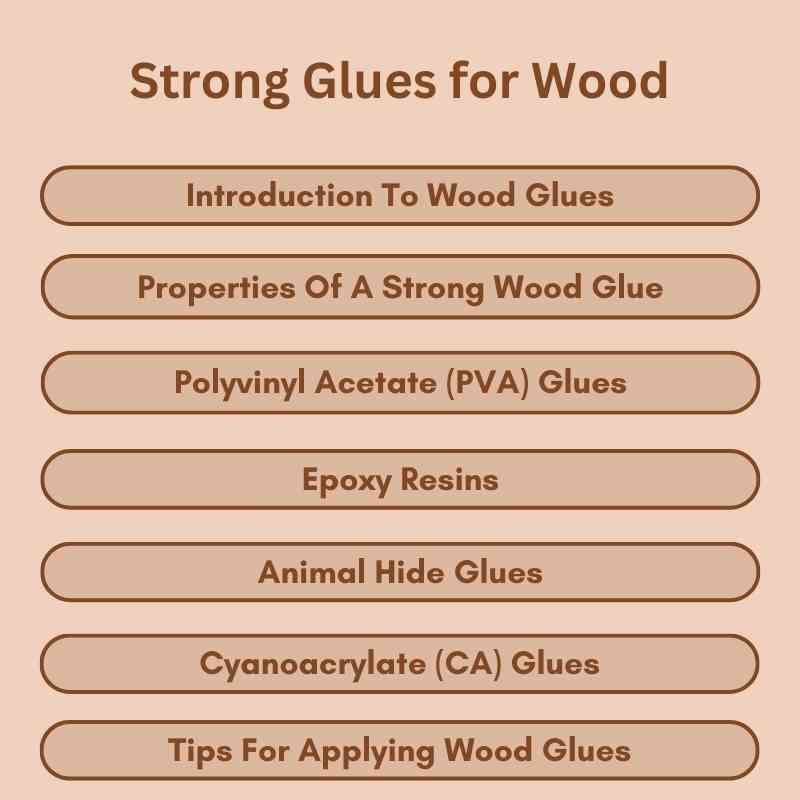
Properties Of A Strong Wood Glue
Adhesion strength is crucial for wood glue. A strong bond helps hold pieces together. Look for glues that offer high initial tack. This ensures quick bonding.
Durability and resistance are key factors. Choose glues that resist water and heat. Some glues also resist chemicals, making them great for various projects.
Drying time can vary between different types of glue. Fast-drying glues allow quick project completion. Others may take longer but offer a stronger bond. Always check the label for specifics.
Polyvinyl Acetate (PVA) Glues
Polyvinyl Acetate (PVA) glues are popular for many woodworking projects. They are water-based and easy to clean up. PVA glues dry clear, making them ideal for invisible bonds. They also provide a strong grip on wood.
Characteristics of PVA include flexibility and quick setting time. These glues are non-toxic and safe to use indoors. They work well with porous materials, like wood, paper, and fabric. PVA glues have good resistance to heat and moisture.
Ideal Use Cases for PVA involve crafting, furniture making, and home repairs. They are great for laminating wood and assembling projects. Use PVA for kids’ crafts and school projects. This glue is perfect for hobbies and DIY tasks.
Epoxy Resins
Epoxy resins are a popular choice for wood bonding. They create a strong, durable bond. This glue is resistant to water and heat. It can fill gaps in wood joints, making repairs easier. Epoxy also works well for outdoor projects.
Applying epoxy is simple. Start by mixing the resin and hardener according to the instructions. Clean the surfaces you want to bond. Apply the mixture evenly on both surfaces. Press them together firmly. Clamp them for the best results.
Wait for the epoxy to cure completely. This usually takes several hours or overnight. Once cured, sand and finish the surface as needed.
Polyurethane Adhesives
Polyurethane adhesives are known for their strong bonding capabilities. They work well on various surfaces, especially wood. These adhesives expand as they cure, filling gaps effectively.
Advantages of polyurethane:
- Water-resistant, making them ideal for outdoor projects.
- Flexible once cured, allowing for movement in materials.
- Strong initial tack, which helps hold pieces together.
Precautions:
- Use in well-ventilated areas to avoid inhaling fumes.
- Wear gloves to protect skin from irritation.
Applications:
- Furniture making and repairs.
- Wooden crafts and DIY projects.
- Flooring installation and repairs.
Animal Hide Glues
Animal hide glues have been used for centuries in woodworking. They provide a strong bond for various projects. Commonly made from collagen, these glues are derived from animal hides. Craftsmen value hide glues for their flexibility and strength.
Traditionally, hide glues were used in fine furniture making. They were popular for joining delicate wood pieces. Many instruments, like violins, also benefit from this glue. Its ability to allow for wood movement is crucial in these applications.
Today, hide glues are still relevant. They are used in restoration of antique furniture. Many luthiers use hide glue for instrument repairs. Its reversible nature makes it ideal for future adjustments.
Cyanoacrylate (CA) Glues
Cyanoacrylate (CA) glues are known for their fast-setting nature. They bond quickly to wood surfaces. This makes them ideal for urgent repairs. Just a small amount can create a strong hold.
Be careful with CA glues. They can dry out very fast. Ensure the surfaces are clean and dry before applying. Use a thin layer for best results. Clamping the pieces together can improve the bond.
Some limitations exist. CA glues may not work well with oily woods. They are also less effective in humid conditions. Storing them properly extends their shelf life.
Tips For Applying Wood Glues
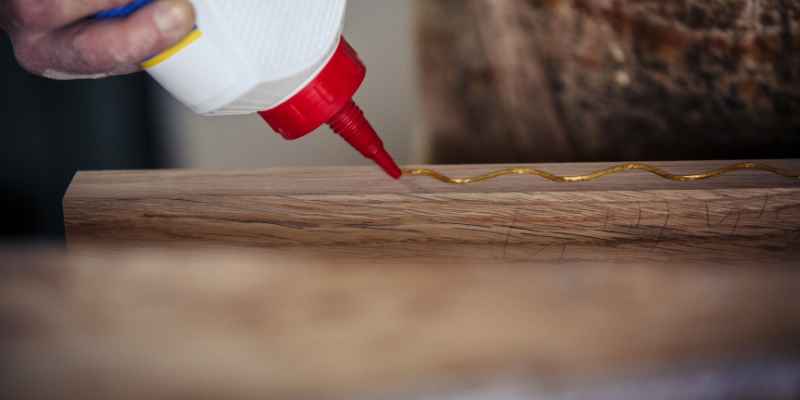
Surface preparation is key for a strong bond. Clean the wood surface well. Remove dust, dirt, and grease. Use sandpaper for better adhesion. Smooth surfaces help glue stick better.
Clamping techniques improve glue performance. Apply even pressure when clamping. Use different types of clamps for various projects. Ensure the parts align correctly before clamping. Check for excess glue and wipe it away.
Curing time is important for strong joints. Follow the manufacturer’s instructions for drying times. Keep the wood undisturbed during this period. Patience leads to stronger bonds. Do not rush the process.
Safety Considerations
Always wear gloves and a mask when using strong glues. These materials can irritate skin and lungs. Ensure good ventilation in your workspace. This helps reduce harmful fumes.
Keep glue containers tightly closed. Store them in a cool, dry place away from direct sunlight. Avoid exposing glues to extreme temperatures. Dispose of leftover glue properly to avoid accidents.
Check local guidelines for disposal methods. Some glues can be harmful to the environment. Never pour glue down the drain. Instead, seal it in a container and throw it in the trash.
Comparing Wood Glues
Strength and flexibility are key factors in choosing wood glues. Different glues offer various levels of strength. Some are strong yet flexible, allowing for slight movement. Others are rigid and provide a permanent bond.
Water resistance is crucial for outdoor projects. Some glues can withstand moisture, while others cannot. Choose a glue that suits your project’s environment.
Ease of use matters too. Some glues come in easy-to-squeeze bottles. Others require mixing or special application methods. Pick a glue that fits your skill level.
Faqs On Wood Glues
What is the best glue for wood? PVA glue is popular and easy to use. It dries clear and is great for indoor projects.
Can I use super glue on wood? Super glue works well for small repairs. It dries quickly but is not ideal for larger projects.
How long does wood glue take to dry? Most wood glues need about 30 minutes to set. Full strength can take up to 24 hours.
What temperature is best for using wood glue? Room temperature is best. Too hot or too cold can affect the glue’s performance.
Frequently Asked Questions
What Is The Best Glue For Wood Projects?
The best glue for wood projects is PVA (polyvinyl acetate) glue. It provides a strong bond and dries clear. PVA is ideal for indoor use and is easy to clean up with water. For outdoor projects, consider using waterproof wood glue for added durability.
How Long Does Wood Glue Take To Dry?
Most wood glues take about 30 minutes to set. However, full curing can take 24 hours or longer. It’s essential to clamp the pieces together during this time for maximum strength. Always check the manufacturer’s instructions for specific drying times.
Can Wood Glue Be Used On Other Materials?
While wood glue is specifically designed for wood, it can sometimes bond to porous materials like paper or fabric. However, it is not effective on non-porous surfaces like metal or plastic. For those materials, consider using epoxy or cyanoacrylate glue instead.
Is Wood Glue Waterproof?
Some wood glues are waterproof, while others are not. Look for labels that specify “water-resistant” or “waterproof” for outdoor projects. These types can withstand moisture and humidity, making them suitable for outdoor applications. Always verify the product specifications before use.
Conclusion
Choosing the right glue for wood projects can make all the difference. Strong adhesives ensure durability and longevity. Whether you need waterproof options or quick-setting formulas, the right glue will enhance your craftsmanship. Invest time in selecting the best adhesive, and your wood projects will stand the test of time.