Table Saw Dimension Guide: Maximize Your Woodwork!
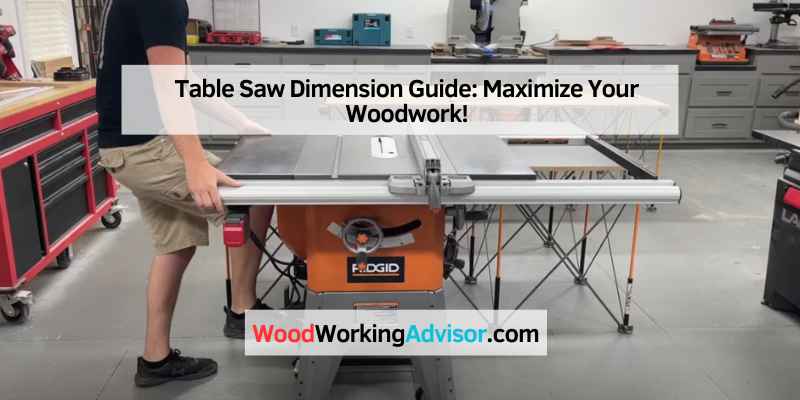
Table saw dimensions typically refer to the size of the saw’s table and the cutting capacity. Standard table saws have table dimensions ranging from 27 to 40 inches wide.
A table saw is an essential tool for woodworkers, offering precision and versatility. Understanding its dimensions helps you choose the right model for your workspace and projects. A larger table provides more support for cutting wider materials, while a compact saw is easier to store and transport.
Consider the cutting capacity as well, as it determines the maximum width of the material you can cut. Familiarity with these dimensions enables you to make informed decisions that enhance your woodworking experience. Whether you’re a beginner or an expert, knowing your table saw’s specifications is crucial for achieving the best results.
Introduction To Table Saw Sizes
Choosing the right table saw size is crucial for any woodworker. The dimensions of a table saw affect its performance, portability, and usability. Understanding these sizes helps in making informed decisions.
Importance Of Correct Table Saw Dimensions
Correct table saw dimensions ensure efficiency and safety. Here are some reasons why size matters:
- Workspace: A larger saw requires more space.
- Material Capacity: Bigger tables handle larger materials.
- Portability: Smaller saws are easier to move.
- Accuracy: A stable surface leads to precise cuts.
Choosing the right size saves time and reduces errors. It also enhances the overall woodworking experience.
Common Types Of Table Saws
Different types of table saws serve various needs. Here’s a quick overview:
| Type | Size | Best For |
|---|---|---|
| Benchtop | Portable, Compact | Small projects, Limited space |
| Contractor | Medium | Job sites, Versatile tasks |
| Cabinet | Large | Professional use, Heavy-duty tasks |
| Hybrid | Medium to Large | Home shops, Versatile needs |
Each type has unique dimensions and features. Selecting the right type improves your woodworking results.

Key Table Saw Components And Measurements
Understanding the key components of a table saw is crucial for effective use. Measurements play a vital role in determining your saw’s efficiency and performance. Here, we will explore the main features that impact usability and precision.
Table Surface And Working Area
The table surface is the primary area where cutting occurs. It needs to be flat and smooth. A larger table surface offers better support for your materials. Here are some important measurements:
| Feature | Importance |
|---|---|
| Size | Affects stability and cutting accuracy. |
| Material | Durable surfaces prevent warping. |
| Height | Comfortable working position reduces fatigue. |
Ensure the table surface is free from debris. This enhances safety and improves cutting quality.
Rip Capacity And Fence Considerations
Rip capacity refers to how wide a board you can cut. A larger rip capacity allows for more versatility in projects. It is crucial to consider the fence system as well.
- Types of Fences:
- Rail Fence
- High-Quality T-Square Fence
- Portable Fence Systems
- Features to Evaluate:
- Accuracy: Ensure the fence remains straight.
- Ease of Adjustment: Quick adjustments save time.
- Stability: A solid fence prevents movement during cuts.
Measure the rip capacity before purchase. This helps match the saw to your needs.
Blade Size Variations
Understanding blade size variations is essential for effective table saw use. The right blade impacts cutting efficiency and quality. Blade size affects the depth and type of cuts you can achieve.
Standard Blade Diameters
Table saw blades come in various standard diameters. The most common sizes include:
| Diameter (inches) | Typical Use |
|---|---|
| 10 | General-purpose cutting |
| 12 | Thicker materials |
| 7-1/4 | Circular saws and portable saws |
| 8-1/4 | Compact saws |
Choosing the right diameter ensures optimal performance. Always check your table saw specifications before purchasing a blade.
Choosing The Right Blade For Your Project
Selecting the right blade involves understanding your project needs. Consider the following:
- Material: Wood, plastic, or metal.
- Type of cut: Ripping or crosscutting.
- Thickness: Blade height should match material thickness.
Different projects require different blade types:
- Ripping Blade: Ideal for cutting along the grain.
- Crosscut Blade: Perfect for cutting against the grain.
- Combination Blade: Versatile for both ripping and crosscutting.
Always match the blade size with your table saw model. This ensures safety and efficiency during use.
Understanding Arbor Length
Arbor length is key in table saws. It determines the cutting depth and blade compatibility. Knowing this helps in selecting the right tools for your projects.
Arbor Size Impact On Cutting
The size of the arbor affects cutting efficiency and quality. A larger arbor can support thicker blades. This leads to cleaner cuts and smoother finishes.
- Thicker Blades: Better for heavy-duty tasks.
- Thin Blades: Ideal for precision cuts.
- Stability: A larger arbor offers better stability.
Compatibility With Saw Blades
Not all saw blades fit every arbor size. Matching the blade to the arbor ensures safety and effectiveness.
| Arbor Size | Blade Type | Best Use |
|---|---|---|
| 5/8 inch | Standard Blades | General cutting tasks |
| 1 inch | Heavy-duty Blades | Thick materials |
| 3/4 inch | Specialty Blades | Curved cuts or laminates |
Always check the manufacturer’s specifications. This ensures proper fit and optimal performance. Using the wrong size can cause damage or accidents.
Table Saw Height And Ergonomics
Proper table saw height is crucial for comfort and safety. The right height helps you maintain good posture. This reduces fatigue and prevents injuries during long hours of work.
Optimal Table Heights For Comfort
Finding the best table saw height is vital. It should match your body height. Here are some tips:
- Measure your elbow height while standing.
- The table should be about 2 inches below your elbow.
- Test different heights by working on scrap wood.
Here’s a simple table for reference:
| Height (inches) | Recommended Table Height (inches) |
|---|---|
| 60 | 28 |
| 66 | 30 |
| 72 | 32 |
Adjustable Stands And Extensions
Adjustable stands offer flexibility. They allow you to change the height easily. This feature suits multiple users and tasks.
Consider these benefits of adjustable stands:
- Customizable height settings.
- Easy storage and transport.
- Improved stability during cutting.
Extensions can also enhance your workspace. They provide extra support for larger materials. Look for extensions that are easy to attach and remove.
Maximizing Table Saw Features
Maximizing your table saw’s features enhances its performance. It boosts efficiency and accuracy. Understanding the available options helps in choosing the right accessories.
Extensions And Add-ons
Extensions and add-ons expand your table saw’s capabilities. They improve cutting precision and workspace. Consider these popular options:
- Table Extensions: Increase the cutting surface.
- Router Tables: Add routing capabilities.
- Crosscut Sleds: Enhance crosscutting accuracy.
- Fence Upgrades: Improve measurement and alignment.
These accessories make your table saw more versatile. They adapt to various projects easily. Always check compatibility with your model.
Built-in Storage And Mobility
Built-in storage keeps tools organized. It saves time during projects. Look for table saws with:
- Integrated Tool Compartments: Store blades and accessories.
- Onboard Power Cords: Reduce clutter.
- Foldable Legs: Aid in storage.
Mobility features are essential for convenience. Choose models with:
- Locking Wheels: Ensure stability during use.
- Lightweight Design: Make transportation easier.
Combining storage and mobility enhances your workspace. It helps maintain a tidy environment.
Safety Measures Related To Table Saw Dimensions
Understanding safety measures is crucial for table saw users. Proper dimensions enhance safety during operation. This section covers key safety measures linked to table saw dimensions.
Proper Guarding And Space Clearance
Using proper guards protects users from blades. Space clearance around the table saw is important. Follow these guidelines:
- Ensure guards are in place before operating.
- Keep the area around the saw clear of obstacles.
- Maintain at least 3 feet of clearance on all sides.
- Use push sticks for small pieces to keep hands safe.
Check the guarding system regularly. Replace any damaged parts immediately. This ensures optimal safety.
Safe Operation Based On Saw Size
Different table saw sizes require specific safety practices. Here’s a quick reference:
| Table Saw Size | Recommended Safety Practice |
|---|---|
| Compact (10 inches) | Use a lightweight push stick. |
| Standard (10 to 12 inches) | Adjust guards for optimal safety. |
| Large (12 inches and above) | Use a riving knife to prevent kickback. |
Always operate the saw according to its specifications. This ensures safe and effective use.
Stay alert and focused while using the table saw. Avoid distractions to maintain safety.
Maintenance And Upkeep Of Different Sized Saws
Keeping your table saw in top shape is vital. Regular maintenance extends its life and improves performance. Different sized saws have unique care needs. Let’s explore how to maintain both compact and large saws effectively.
Routine Checks For Compact Vs. Large Saws
Routine checks help catch issues early. Here’s a simple guide:
| Task | Compact Saws | Large Saws |
|---|---|---|
| Blade Sharpness | Every 20 cuts | Every 50 cuts |
| Dust Collection | Weekly | Bi-weekly |
| Electrical Checks | Monthly | Monthly |
| Alignment | Every 6 months | Every 3 months |
Compact saws are easier to store. They may need more frequent checks due to their smaller size. Large saws have more complex systems. They need detailed inspections but less often.
Storage Solutions For Longevity
Proper storage keeps your saw safe and functional. Here are some tips:
- Use a Dedicated Space: Designate a clean, dry area.
- Cover Your Saw: Use a protective cover to prevent dust.
- Store Blades Safely: Keep blades in a secure case.
For compact saws:
- Use wall-mounted racks.
- Keep it off the floor to avoid moisture.
For large saws:
- Ensure proper ventilation in storage.
- Use heavy-duty wheels for easy movement.
Proper storage prevents rust and wear. Investing time in maintenance pays off. Your saw will perform better and last longer.

Frequently Asked Questions
What Are Standard Table Saw Dimensions?
Standard table saw dimensions typically vary by model. Most table saws have a tabletop size of about 27 to 30 inches wide. The depth usually ranges from 20 to 27 inches. These dimensions affect stability and usability, so choose based on your workspace and project needs.
How To Measure Table Saw Dimensions Accurately?
To measure table saw dimensions, use a measuring tape. Measure the width of the tabletop from edge to edge. Then, measure the depth from the front to the back. Also, check the height from the ground to the tabletop. Accurate measurements ensure you select the right saw for your projects.
What Are The Benefits Of Larger Table Saws?
Larger table saws provide increased stability and cutting capacity. They can handle bigger workpieces, making them ideal for larger projects. The extended surface area allows for better material support. However, consider your workspace size and portability needs when choosing a larger model.
Are Compact Table Saws Effective?
Yes, compact table saws are effective for smaller spaces. They offer portability and ease of storage without sacrificing performance. Ideal for hobbyists or DIY projects, they typically have adjustable features. However, ensure they meet your cutting needs before making a purchase.
Conclusion
Understanding table saw dimensions is crucial for effective woodworking. Proper sizing ensures accuracy, safety, and efficiency in your projects. Whether you’re a beginner or a seasoned pro, choosing the right dimensions can enhance your craftsmanship. Prioritize your needs and workspace to make an informed decision that suits your woodworking style.