Teak Vs Cedar: Which Wood Reigns Supreme for Decks?
When it comes to choosing the perfect wood for your outdoor furniture or decking, the decision often boils down to two popular contenders: teak and cedar. Each offers its own unique advantages and aesthetic appeal, making the choice a bit challenging.
Are you looking for durability that stands the test of time, or perhaps a natural beauty that complements your garden’s charm? You might be wondering which wood will truly enhance your outdoor space and provide the best value for your investment.
By understanding the key differences between teak and cedar, you’ll be empowered to make a confident decision that aligns with your needs and preferences. Stick around, and discover which of these two woods is the right fit for your outdoor oasis.
Teak Characteristics
Teak is known for its incredible strength. This wood can last a long time. It is resistant to both water and insects. Many people use teak for building outdoor furniture. It doesn’t break easily. Even in tough weather, it stays strong. Teak is a great choice for any long-lasting project.
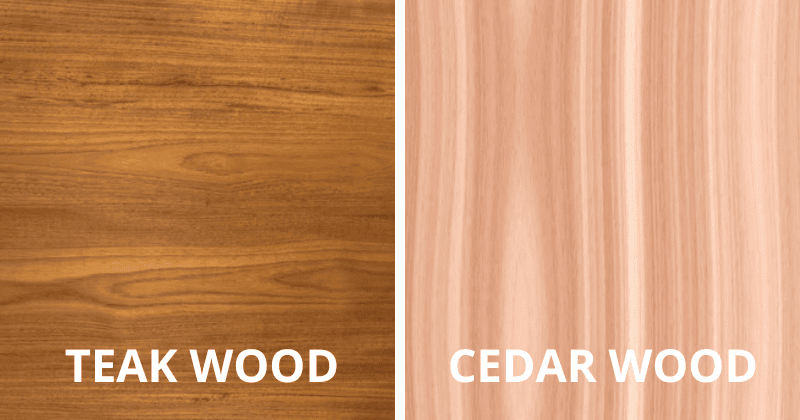
Teak has a unique golden-brown color. This color is very beautiful. Over time, it may turn a bit grey. But this grey look is also pretty. Teak’s smooth surface shines nicely in the sun. Its natural oils give it a glossy finish.
Taking care of teak is simple. You don’t need to do much. Cleaning it once in a while is enough. Use soap and water to clean it. If you want, apply teak oil for extra shine. This helps keep its lovely color. Teak stays beautiful with little care.
Cedar Characteristics
Cedar wood has a special strength. It fights off rot and decay. This makes it great for outdoor use. Bugs do not like cedar. The wood has oils that keep them away. These oils also give cedar its nice smell. This scent is fresh and earthy. Cedar’s natural resilience makes it ideal for long-lasting furniture.
Cedar boasts a rich color. It is often reddish-brown. The grain is smooth and straight. This gives cedar a fine finish. The color can darken over time. Sunlight helps it change. Some people love this unique look. Cedar’s grain adds beauty to any space.
Regular care keeps cedar strong. Clean it with mild soap and water. This removes dirt and keeps it fresh. Sometimes, sanding helps maintain its look. Apply wood oil every year. This keeps it from drying out. Careful attention makes cedar last for years.
Cost Comparison
Teak wood costs more than cedar. Teak is strong and lasts longer. Cedar is cheaper but needs care. Good for outdoor furniture. Teak is used in boats and decks.
Teak is hard to find. Cedar is easy to buy. Teak is a luxury. Cedar is budget-friendly.
Teak needs less care. Cedar needs more care. Teak lasts many years. Cedar can rot or get bugs. Teak stays strong in rain and sun. Cedar needs paint or stain.
Teak saves money in the long run. Cedar needs more money for care. Teak is a good choice for less work. Cedar is good for short-term use.

Credit: www.hineighbor.com
Environmental Impact
Teak grows in tropical areas. It needs a lot of water and sunlight. Many teak forests are planted for wood. This is called plantation teak. It helps save wild forests. But cutting too many trees is bad. It harms the soil and animals. People need to plant more than they cut. This keeps the earth healthy.
Cedar is a strong wood. It grows in cooler areas. Cedar trees can live many years. They help clean the air. Cedar forests are important for many animals. Sustainable cedar means cutting trees carefully. People plant new trees for each one cut. This way, forests stay full and healthy. Cedar is good for the planet.
Aesthetic Appeal
Teak and cedar have unique looks. Teak has a rich, golden color. It feels luxurious and warm. Cedar has a lighter, reddish hue. It gives a rustic and cozy feel. Teak suits modern and elegant homes. Cedar fits well with traditional and country-style homes. Both woods add charm and beauty to spaces.
Teak ages gracefully. It turns a beautiful silver-gray over time. Cedar also changes color as it ages. It may fade to a soft gray. Both woods are strong against weather. They resist decay and insects well. This makes them great for outdoor use. Over time, each wood tells its own story.
Installation And Workability
Teak and Cedar both offer unique advantages. Cedar is lighter. It makes cutting and drilling easier. Teak is denser and requires more effort. Professionals love its durability. Cedar bends easily. This allows more design flexibility. Teak’s hardness requires more tools. Always have sharp blades ready.
Fasteners work well with Cedar. It grips nails without splitting. Teak needs pre-drilling. It prevents cracking. Stainless steel fasteners are best. They resist rust. Cedar holds screws well. Teak holds screws strongly too. But be careful. Use the right tools for each wood. Safety first!
Weather Resistance
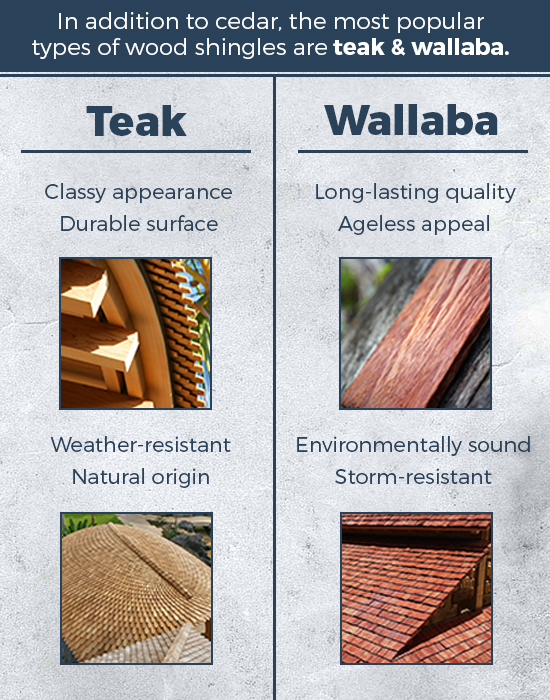
Teak is known for its excellent moisture resistance. It contains natural oils that protect it from water. This makes teak a popular choice for outdoor furniture. Cedar also offers good moisture resistance. It has natural oils too. These oils help cedar resist water damage. But, teak remains more durable in wet conditions.
Teak performs well in extreme climates. It does not warp or crack easily. Its strength remains even in harsh weather. Cedar is also strong, but less so than teak. Extreme heat or cold may affect cedar more. Both woods are popular, but teak lasts longer. Choosing between them depends on your needs and climate.
Credit: www.customshingles.com
User Preferences
Teak is popular for outdoor furniture. It is strong and lasts long. People love its rich color and smooth feel. It resists water well. It is often used in boat decks.
Cedar is also popular. It is used in closets and chests. Its scent keeps bugs away. Many like its light color. Cedar is good for fences and decks.
Experts suggest teak for wet areas. It does not rot easily. For indoor use, cedar is preferred. It is lighter and smells nice. Both woods have their unique qualities.
Frequently Asked Questions
Which Is Better, Teak Or Cedar?
Teak is durable, water-resistant, and ideal for outdoor use. Cedar offers a pleasant aroma and natural insect resistance. Choose teak for longevity and cedar for cost-effectiveness and fragrance. Both woods have unique benefits, making the choice dependent on specific needs and preferences.
What Are The Disadvantages Of Teak Wood?
Teak wood is expensive, making it less accessible for budget-conscious buyers. It requires regular maintenance to retain its appearance. Over time, exposure to sunlight can cause discoloration. Heavy and dense, teak can be challenging to move and work with. Its high demand sometimes leads to unsustainable logging practices.
Why Is Teak Not Used Anymore?
Teak is less used due to its high cost and environmental concerns. Overharvesting threatens teak forests, impacting biodiversity. Sustainable alternatives are gaining popularity, reducing teak demand. Conservation efforts aim to protect teak resources for future generations.
What Happens If Teak Gets Wet?
Teak naturally resists water, but prolonged exposure may cause slight discoloration or graying. Regular maintenance and sealing help preserve its appearance and durability. Dry teak quickly to prevent mold and mildew growth.
Conclusion
Choosing between teak and cedar depends on your needs. Teak resists moisture and lasts longer. Cedar is lighter and smells nice. Both woods offer unique benefits. Teak suits outdoor furniture and boats. Cedar works well for closets and chests. Consider your budget.
Teak is pricier but durable. Cedar is affordable and versatile. Think about the environment. Teak is sourced from tropical regions. Cedar is native to North America. Each wood has its charm and purpose. Make a choice that fits your lifestyle and preferences.