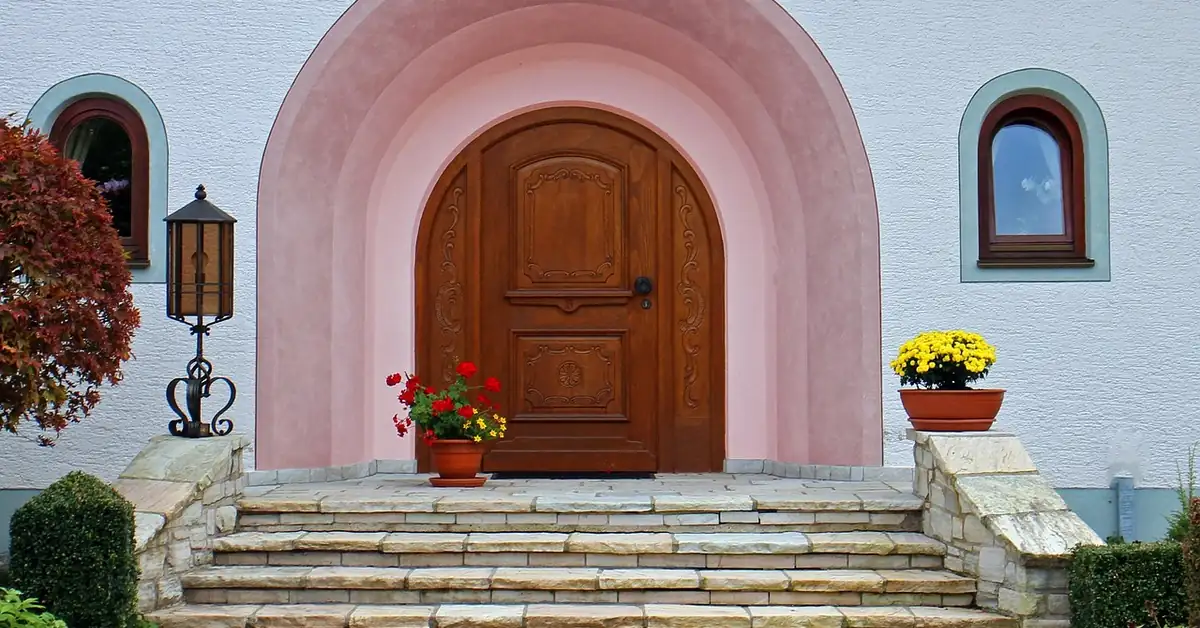
12 Teak Wood Main Door Ideas for Your Entryway
A solid teak main door typically costs $800-$3,000 in the US and can last 50+ years with basic care — but only if you pick a design and finish suited to your entryway’s exposure. Choose the wrong grade or skip maintenance, and even premium teak can gray, crack, or warp within a decade. This guide covers 12 teak door design styles, real US pricing, how teak’s hardness compares to oak and mahogany, and the upkeep routine that keeps it looking new.
Quick Answer
Solid teak main doors run $800-$3,000 installed in the US, with pre-made panel styles at the low end and hand-carved custom designs at the top. Teak is not the hardest door wood (Janka 1,155 lbf vs white oak’s 1,360 lbf), but its natural oils make it far more resistant to moisture, rot, and warping — which is why it outlasts harder woods on an exposed entryway. Reapply teak oil every 6-12 months and it will easily pass 50 years of service.
Classic Teak Door Designs
Best Teak Door Oil Pick
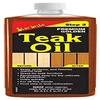
STAR BRITE Premium Golden Teak Oil (16 oz)
A tung-oil-based sealer built for outdoor teak, with UV absorbers to slow the graying process on an exposed main door.
- Best for: Main doors getting direct sun or coastal exposure
- Why we picked it: UV absorbers specifically target the graying this article warns about
- Main drawback: Needs reapplication every 6-12 months like any teak oil
Compare more teak door care options
 Option 1 HOPE’S 100% Pure Tung Oil
|
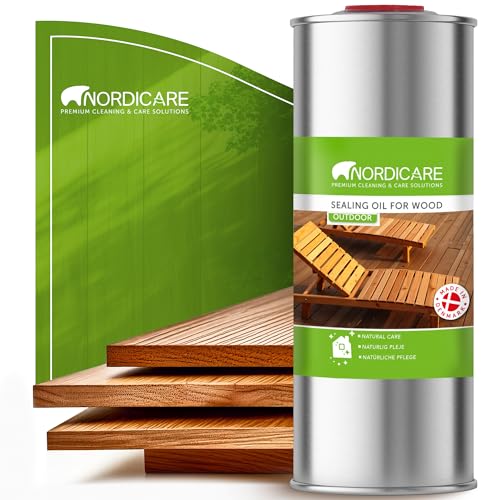
 Option 2 Nordicare Teak Oil (16.9 oz)
|
 Option 3 Furniture Clinic Teak Care Kit
|
As an Amazon Associate we earn from qualifying purchases.
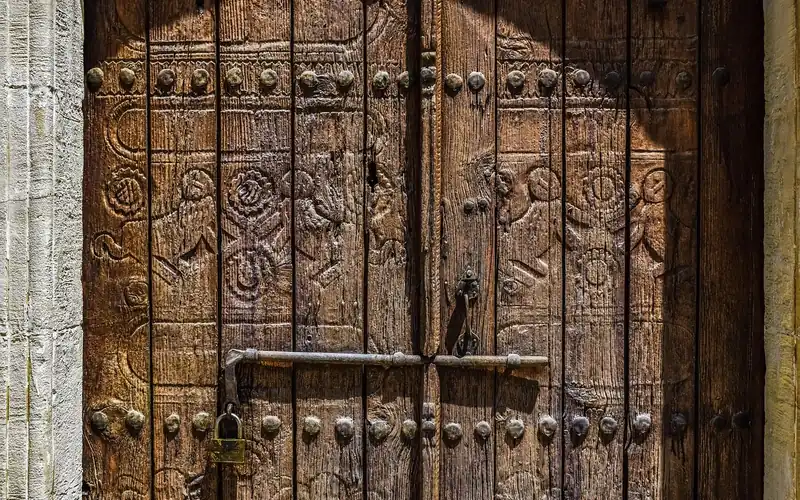
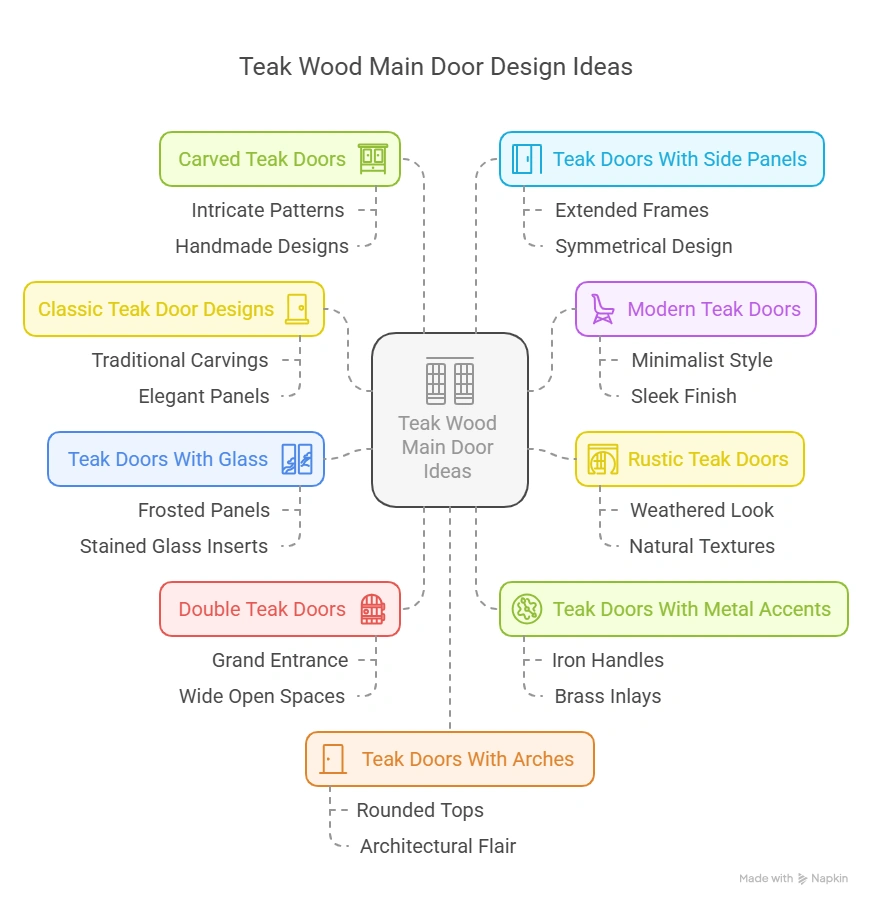
When it comes to making a grand impression with your home’s entryway, classic teak door designs never fail to impress. Teak wood, with its rich texture and durability, lends a timeless appeal to any door design.
Traditional Carvings
Traditional carvings on teak doors are a remarkable way to add cultural depth to your home. Imagine walking up to your front door and being greeted by intricate designs that tell a story. These carvings often feature floral patterns, mythological figures, or geometric shapes.
Deep relief carving works especially well on teak because the wood’s tight, straight grain resists splitting where a carver cuts across it — a softer or more open-grained wood tends to chip along those same cuts. That structural advantage is part of why carved teak doors have stayed a staple in humid, high-traffic entryways for generations.
Adding traditional carvings can be a nod to heritage and artistry, and it can make your home stand out in a neighborhood of plain doors.
Elegant Panels
Elegant panels are another way to elevate the look of your teak door. You can opt for simple, clean lines or more detailed, ornamental panels depending on your personal style and the overall design of your home.
Panels can also provide a beautiful backdrop for additional features like glass inserts or metal accents — think about how these elements can complement the teak wood and create a harmonious look.
Modern Teak Doors
Modern teak doors bring a sleek, sophisticated touch to your entryway. They combine traditional teak wood’s durability with contemporary designs.
Minimalist Style
Minimalist teak doors emphasize clean lines and simple designs with no unnecessary decoration. This style lets the natural beauty of the teak grain do the work and creates a modern, uncluttered entrance.
Sleek Finish
A sleek finish gives teak doors a polished, refined look. Smooth surfaces and sharp edges define this finish, enhancing the wood’s grain and texture.
Rustic Teak Doors
Rustic teak doors bring a unique charm to any entryway, showcasing the natural beauty of teak wood while still offering the durability the species is known for.
Weathered Look
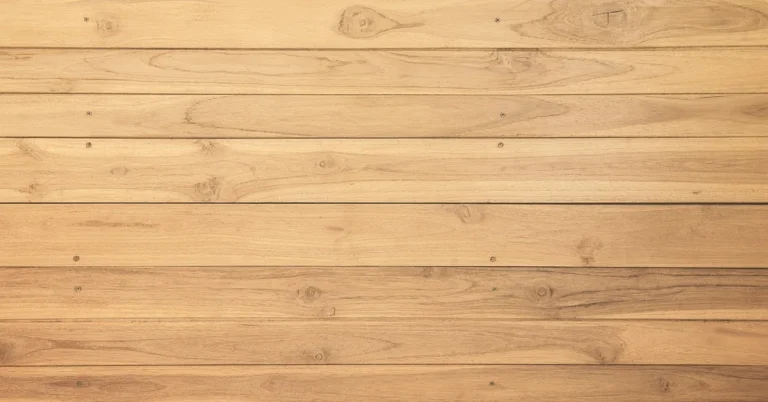
Weathered teak doors develop a distinct silver-gray patina over time as UV exposure breaks down the surface oils. Left untreated outdoors, teak naturally grays within 6-12 months — a look some homeowners want and others prevent with regular oiling (see the maintenance section below).
Natural Textures
Natural textures in teak doors enhance their rustic charm. The grain patterns are visible and captivating, and each door has a unique texture that makes it one-of-a-kind.
Teak Doors With Glass
Teak doors with glass inserts blend elegance and functionality, offering a sophisticated look while allowing natural light to illuminate your entryway.
Frosted Panels
Frosted panels offer a stylish and practical option for teak doors — they provide privacy while still letting light in, and a simple wipe with a damp cloth keeps them looking new.
Stained Glass Inserts
Stained glass inserts can add a burst of color and personality to your teak door. Each piece is unique, and the colorful patterns catch the morning sun and become a genuine focal point of the entryway.
Double Teak Doors
Double teak doors give an entryway a grand, sophisticated appearance while adding practical benefits like increased security and better insulation.
Grand Entrance
The rich, warm tones of teak wood exude luxury and timeless appeal. Double doors suit homes with a larger facade, filling the space beautifully and offering a balanced look.
Wide Open Spaces
Double teak doors also offer practical benefits with their wide opening — moving large furniture through a single door opening is far more difficult by comparison. It’s also a great way to bring in natural light and fresh air during entertaining.
Teak Doors With Metal Accents
If you’re looking to add a touch of elegance and sophistication to your entryway, teak doors with metal accents blend the natural beauty of teak wood with the sleek, modern appeal of metal.
Iron Handles
Iron handles make a bold statement on a teak door. The dark, matte finish of iron contrasts beautifully with the rich, golden hues of teak wood, and iron hardware comes in styles from ornate to sleek and modern.
Brass Inlays
Brass inlays add a touch of luxury — the warm, golden tones complement the natural grain of teak wood, and brass resists tarnish, so a well-finished door keeps its appearance for years.
Carved Teak Doors
Carved teak doors offer a unique blend of beauty and craftsmanship. Each door tells a story through its intricate details and handmade designs, and showcases the skill of the artisans who made it.
Intricate Patterns
Carved teak doors often feature intricate patterns ranging from floral motifs to geometric shapes. The deep carvings create shadows that enhance the design, turning the door into a genuine piece of art.
Handmade Designs
Handmade designs add a personal touch — artisans spend hours carving each detail by hand, and the uniqueness of each door ensures that no two are exactly alike.
Teak Doors With Side Panels
Teak doors with side panels offer a grand entrance to your home. These doors are not only beautiful but also practical — the side panels let in extra light, creating a welcoming feel.
Extended Frames
Teak doors with extended frames make a bigger visual impact and suit homes with wide entrances. The frame can match or contrast with the door for added style.
Symmetrical Design
Symmetrical teak door designs with matching side panels bring balance and harmony to the entrance, enhancing the overall aesthetic appeal of the home.
Teak Doors With Arches
Teak doors with arches add a touch of elegance to any entryway. Their unique curves create a warm and welcoming atmosphere, blending tradition with sophistication.
Rounded Tops
Rounded tops on teak doors offer a soft and inviting look that suits both modern and classic homes, and the natural grain of teak enhances the beauty of the curve.
Architectural Flair
Teak doors with arches provide architectural flair and create a focal point that draws attention — often paired with intricate carvings that highlight the beauty of the wood.
Teak Main Door Cost Guide: What to Budget in the US
A teak main door’s price depends mostly on how much of it is hand-worked versus machine-made. Budget-friendly options run $300-$800 for simple panel designs built from standard sizes and pre-made in bulk. Mid-range doors with moderate carving or custom sizing land around $800-$1,800. Fully custom, hand-carved teak doors with intricate detailing can run $1,800-$3,000 or more, especially with FSC-certified or reclaimed teak.
- Standard-size, simple panel: $300-$800 — the most budget-friendly route
- Semi-custom with moderate carving: $800-$1,800 — the range most homeowners land in
- Fully custom, hand-carved or oversized: $1,800-$3,000+ — premium grade teak, intricate detail work
- Installation: typically adds $200-$500 on top of the door price for a professional fit
Custom sizing is one of the biggest cost drivers — sticking to a standard door opening (commonly 36 in. x 80 in. in the US) keeps a project in the lower end of the range without sacrificing much design flexibility.
Teak vs. Oak vs. Mahogany: Which Wood Is Toughest?
Teak is often assumed to be the hardest door wood available, but that’s not quite right. On the Janka hardness scale — the industry test for how much force it takes to dent a wood surface — white oak and red oak actually score higher. Teak wins on a different measurement entirely: its natural oil content, which resists moisture, rot, and insect damage far better than harder woods that lack it.
| Wood Species | Janka Hardness (lbf) | Best For |
|---|---|---|
| White Oak | 1,360 | Denting resistance, formal interiors |
| Red Oak | 1,290 | Budget hardwood doors, painted finishes |
| Teak | 1,155 | Exposed entryways, humid or coastal climates |
| Mahogany | 800-900 | Carved detail work, interior doors |
For a covered, weather-exposed main entrance, teak’s rot and moisture resistance generally outweighs the extra surface hardness of oak — which is why teak remains the standard recommendation for exterior main doors despite not topping the hardness chart.
Sustainable Teak Doors
Teak wood doors are not just beautiful — they can also be a sustainable choice, depending on how the wood was sourced.
Eco-Friendly Options
Eco-friendly teak doors are made from responsibly sourced wood, harvested in a way that avoids damaging forests or ecosystems. Look for teak certified by organizations like the Forest Stewardship Council (FSC).
Reclaimed Teak
Reclaimed teak doors are made from recycled wood, often salvaged from old barns, houses, or boats. A reclaimed teak door typically carries natural imperfections and a weathered character that new wood can’t replicate — a genuine piece of history at the entryway. For more on the species itself, see our guide to Danish teak furniture, which covers the same wood in a different application.
Teak Doors With Color
Your entryway is the first impression of your home, and a teak wood main door can make it unforgettable. Adding color takes teak’s natural beauty to a different register entirely.
Painted Finishes
A painted finish adds an unexpected twist to the traditional look — a soft pastel that complements a garden, or an earthy tone that blends with a brick facade. Painting also adds a protective layer against the elements. See our guide on painted doors for prep and technique.
Bold Statements
A bold statement doesn’t require an unconventional color alone — intricate painted patterns, a striking black door with gold accents, or a teal door with geometric detailing can all work on a minimalist home’s facade.
Teak Doors With Unique Hardware
Unique hardware can transform the look of a teak door, adding a touch of sophistication and character that makes it a genuine focal point.
Custom Knobs
Custom knobs can be crafted from brass, copper, or glass, each bringing its own charm. Antique brass suits a vintage feel; sleek stainless steel or matte black knobs suit a more contemporary edge.
Artistic Hinges
Hinges are often overlooked, but ornate, hand-forged iron hinges give a door rustic, old-world charm, while sleek, hidden hinges suit a minimalist design.
How to Maintain a Teak Main Door
Teak’s natural oils are what make it rot- and moisture-resistant, but those oils fade with UV exposure over time — which is why maintenance is what actually determines whether a teak door reaches that 50-year lifespan or needs replacing in half that time.
Routine Cleaning
- Dust the door with a dry cloth before wet-cleaning
- Mix mild soap with warm water and wipe the door gently
- Rinse with clean water and dry with a soft towel
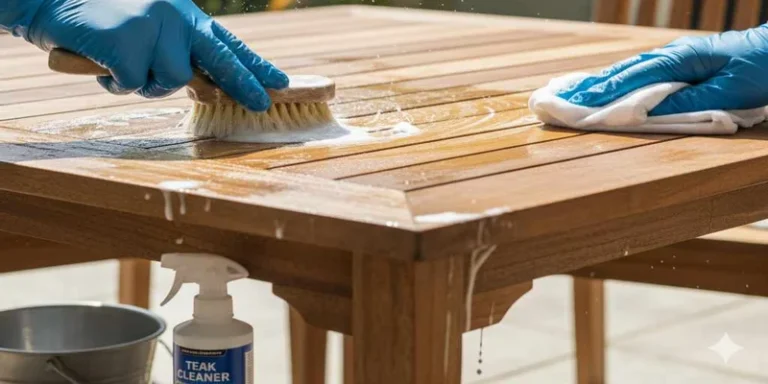
- For tougher stains or graying, use a dedicated teak cleaner
Reapplying Teak Oil
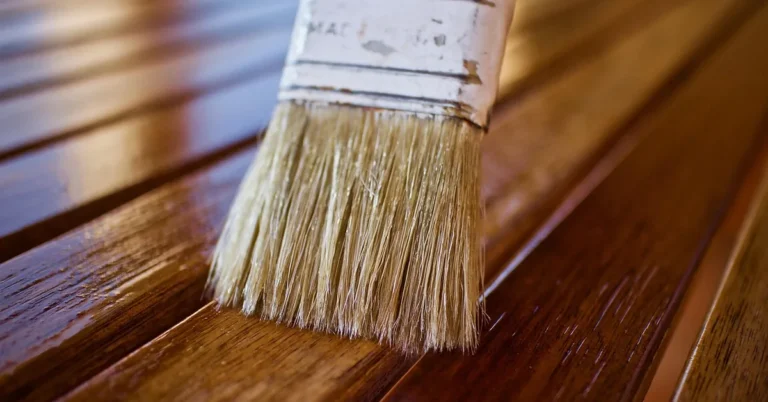
Reapply teak oil or a marine-grade sealant every 6-12 months, more often in direct sun or coastal salt air. Clean the door and let it dry fully, apply the oil with a soft cloth or brush, let it soak in for 15-20 minutes, then wipe off the excess. Skipping this step is the single most common reason a teak door grays and cracks well before its time.
Installation: Professional vs. DIY
A well-fitted door matters more for teak than for lighter woods, simply because a solid teak slab is heavy — a standard exterior door can run 80-120 lbs, so hanging it out of square puts real strain on the hinges over time.
When to Hire a Pro
Professional installation is worth it for load-bearing frame changes, oversized or double-door openings, or when the existing frame is out of square. Expect $200-$500 on top of the door price.
When DIY Works
- Measure the width, height, and depth of the door frame precisely
- Check the frame is square with a carpenter’s square before hanging
- Trim minimally with a plane or saw if the fit is slightly tight
- Mark and chisel hinge recesses accurately — this is the step most DIY installs get wrong
A straight swap into an existing, square frame of the same size is a reasonable DIY project for someone comfortable with a chisel and a level. Anything involving reframing is better left to a professional.
Frequently Asked Questions
What Makes Teak Wood Ideal For Main Doors?
Teak is durable, pest-resistant, and has a naturally attractive grain. Its high natural oil content resists rot and warping even in humid or coastal climates, which is why it outperforms harder woods like oak on an exposed entryway despite scoring lower on the Janka hardness scale.
How Do You Maintain Teak Wood Doors?
Clean regularly with a damp cloth and mild soap, and reapply teak oil or a marine-grade sealant every 6-12 months. Avoid harsh chemicals, which strip the wood’s natural oils and speed up graying and cracking.
What Is The Typical Lifespan Of A Teak Main Door?
A well-maintained solid teak main door can last 50 years or more. The main factor is not the wood itself but whether the oil finish is reapplied on schedule — a neglected door can gray, crack, and need replacement in well under half that time.
How Much Does A Teak Wood Main Door Cost?
In the US, a solid teak main door typically runs $300-$800 for a simple standard-size panel design, $800-$1,800 for semi-custom work, and $1,800-$3,000 or more for a fully custom, hand-carved door. Installation usually adds $200-$500.
Are Teak Wood Doors Energy-Efficient?
Yes. Solid teak provides decent natural insulation compared to hollow-core or metal doors, helping keep a home warmer in winter and cooler in summer, which can modestly reduce energy costs.
Can Teak Wood Doors Be Customized?
Yes. Teak is versatile enough to be carved, stained, or painted, and can be ordered in custom sizes, finishes, and hardware to match a home’s existing style.
How Do I Choose The Right Hardware For A Teak Main Door?
Match the hardware finish to the door’s tone and your home’s exterior: antique brass or iron for a traditional or carved door, and matte black or brushed stainless steel for a minimalist or modern design. Confirm any lockset is rated for exterior use.
Conclusion
A teak wood main door transforms an entryway with elegance that holds up structurally, not just visually — provided the finish gets reapplied on schedule. Whether the budget points toward a $300 standard panel or a $2,500 hand-carved custom design, the 12 styles above cover classic, modern, and rustic looks that all share the same underlying material advantage: teak’s natural oils keep it going long after harder woods have failed. Browse more entries in our teak wood category for related projects.
Sponsored / affiliate links. As an Amazon Associate I earn from qualifying purchases. I may earn additional commission from eligible campaigns.