How to Lighten Teak Wood: Easy Brightening Tips
The real, effective way to lighten teak wood is an oxalic-acid-based teak brightener, not lemon juice or a quick afternoon in the sun. Weathered teak turns gray because UV and moisture strip its natural oils and oxidize surface tannins – oxalic acid neutralizes that discoloration chemically, which is why it’s the standard product marine and outdoor furniture professionals actually use.
Why Teak Turns Gray In The First Place
Best Teak Brightener
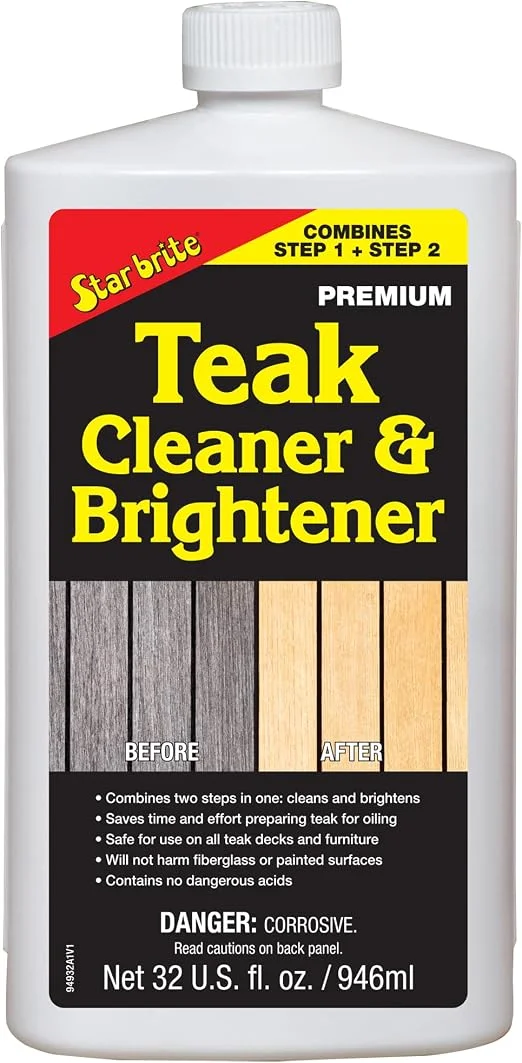 |
Star Brite Teak Cleaner & Brightener, 32oz – from $32.62 The real chemistry that actually reverses gray weathering, not a home remedy that just sounds plausible.
|
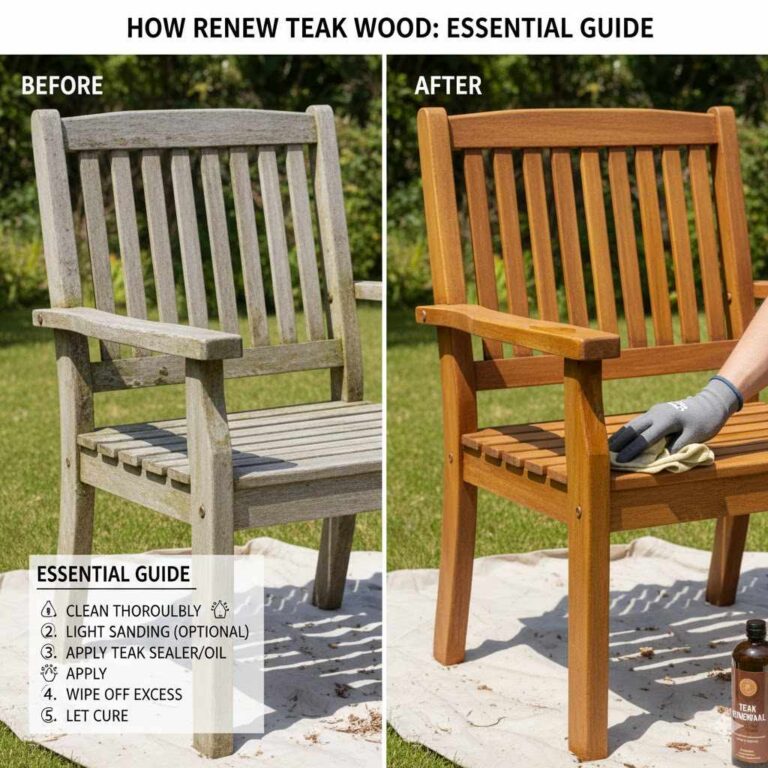
Untreated teak left outdoors naturally weathers to a silvery gray over weeks to months of UV and moisture exposure – this is a real, well-known patina, not damage, and it’s actually why some owners let teak “go silver” deliberately rather than maintaining an oiled finish (a real, valid choice covered in more depth in our guide to preserving teak). If you want the original warm golden-brown color back, it takes chemical treatment or sanding, not sunlight.
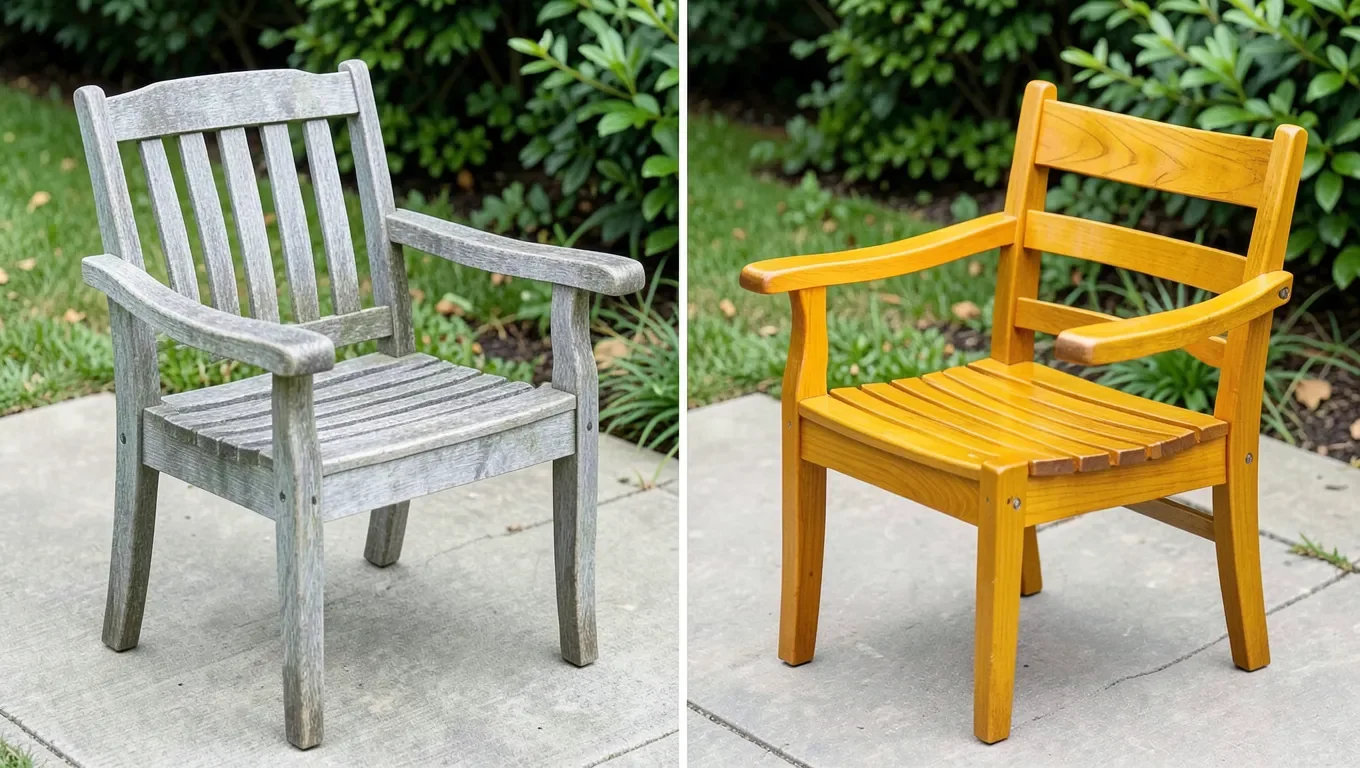
Method 1: Oxalic Acid Teak Brightener (Most Effective)
- Clean the surface first with a teak cleaner or mild soap and water, then let it dry.
- Apply the oxalic-acid brightener according to the product’s instructions, typically with a brush or scrub pad.
- Let it sit for the stated time (usually a few minutes), then rinse thoroughly with clean water.
- The gray weathering lifts noticeably in a single application for most cases – stubborn or long-weathered gray may need a second treatment.
- Wear gloves and eye protection – oxalic acid is a real acid and should be handled per the product label.
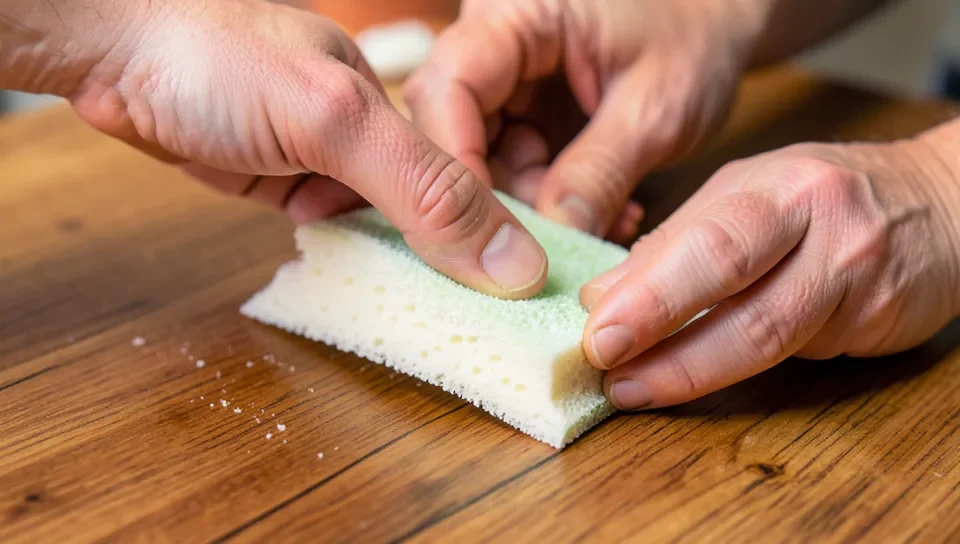
Method 2: Sanding
Sanding physically removes the weathered gray surface layer to expose fresh wood underneath. Start with a medium grit to remove the gray layer, then finish with a fine grit for a smooth surface, always sanding with the grain. This works well but removes actual wood thickness, so it’s better suited to occasional touch-ups than routine maintenance – repeated sanding over years will noticeably thin out teak decking or furniture slats.
What Doesn’t Actually Work Well
- Lemon juice or lemon-and-salt paste: A mild acid at best, but nowhere near strong enough to meaningfully lift real weathering or tannin discoloration from teak – treat this as folklore, not a real fix.
- Sun exposure alone: Sitting teak in the sun doesn’t lighten it toward its original color – if anything, prolonged UV exposure is what caused the gray weathering in the first place. Sun bleaching as a deliberate lightening technique doesn’t apply the same way to teak’s tannin-based coloring as it does to some other materials.
After Lightening: Protect The Color
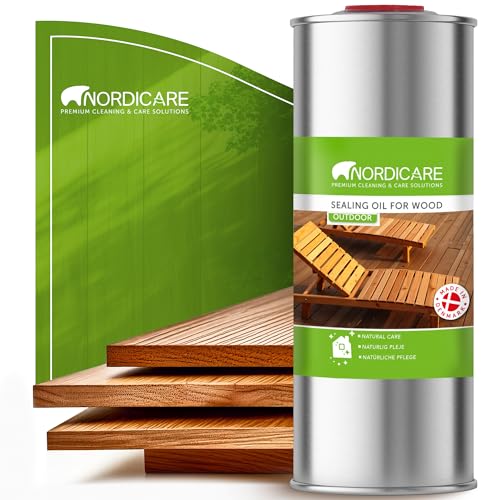
Once you’ve restored the color you want, apply a teak oil or sealer to protect it – untreated teak will simply begin weathering back toward gray again with continued outdoor exposure. Reapply oil every few months for outdoor pieces, or as recommended by your specific product, and expect to repeat the brightening process periodically if you want to maintain the golden-brown look long-term rather than letting it weather naturally.
Frequently Asked Questions
How Can I Effectively Lighten Teak Wood?
An oxalic-acid teak brightener is the real, effective method – it chemically reverses the gray weathering that UV and moisture cause. Sanding also works but removes actual wood, so it’s better for occasional touch-ups than routine use.
Does Lemon Juice Actually Lighten Teak Wood?
Not meaningfully. Lemon juice is a mild acid, but it isn’t strong enough to reverse real weathering or tannin discoloration on teak the way an oxalic-acid brightener does. Treat lemon-based remedies as folklore rather than a real fix.
Is It Safe To Use A Chemical Brightener On Teak Wood?
Yes, when following the product’s instructions – wear gloves and eye protection, test a small area first, and rinse thoroughly afterward. Oxalic-acid teak brighteners are the standard product used by marine and outdoor furniture professionals for exactly this purpose.
How Long Does It Take To Lighten Teak Wood?
An oxalic-acid brightener typically shows a visible result within minutes of application and a single rinse, though heavily weathered gray teak may need a second treatment. Sun exposure does not lighten teak toward its original color and shouldn’t be relied on as a technique.
Conclusion
Teak turns gray from real UV and moisture weathering, and reversing it takes real chemistry – an oxalic-acid brightener, or sanding for a more physical approach. Lemon juice and sun exposure are folklore-level fixes that won’t meaningfully change the color. Protect the restored tone with teak oil afterward, since untreated teak will simply start weathering back toward gray again.
Sponsored / affiliate links. As an Amazon Associate I earn from qualifying purchases. I may earn additional commission from eligible campaigns.