9 Elegant Modern Teak Wood Main Door Designs for a Stylish Entrance
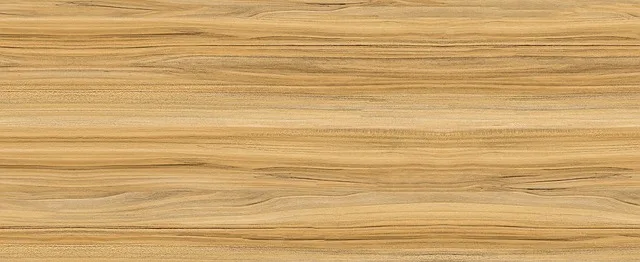
Teak holds up as a main-door wood because of what’s in the grain itself: it carries roughly 3-5% natural oils by weight, which is what lets it shed water and resist rot and insect damage without needing a chemical treatment. That’s the practical reason it’s stayed a favorite for exterior doors for well over a century, separate from how it looks.
It’s also moderately hard — a Janka hardness around 1,000-1,155 lbf, harder than pine or fir but softer than white oak — which is a reasonable middle ground for a door: dense enough to resist dings from daily use, not so hard that hardware installation or on-site trimming becomes a fight. Below are nine real design directions to consider, plus what actually matters when you’re choosing sourcing, hardware, and finish.
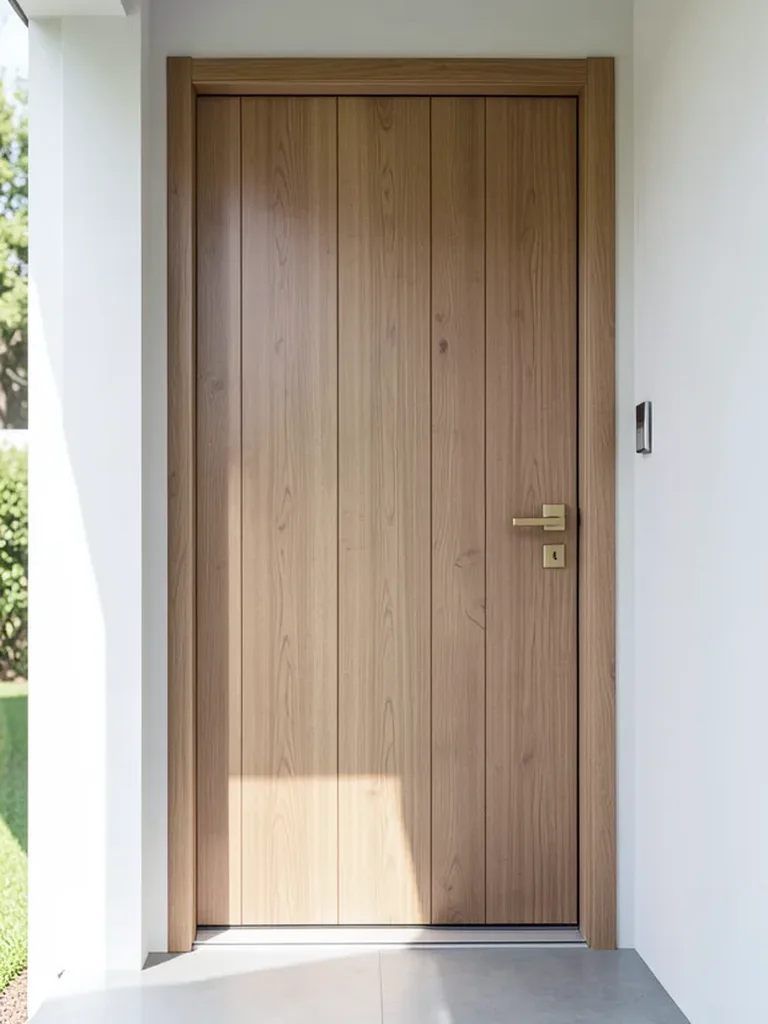
1. Flush Minimalist Slab
Best Teak Door Finish
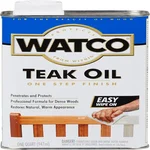 |
Watco Teak Oil Finish, Quart – $18.79 This is the type of penetrating oil the natural-finish and general maintenance sections above are describing — formulated specifically for dense woods like teak.
|
A single flat slab with visible vertical grain lines and no applied molding — the current default for contemporary entrances. The look depends entirely on the door being flush-mounted with minimal reveal at the frame, so the grain reads as one continuous surface. Pair it with a single oversized pull handle in matte black or brushed brass rather than a traditional knob; a small handle looks lost on a slab this size.
2. Vertical Glass-Insert Door
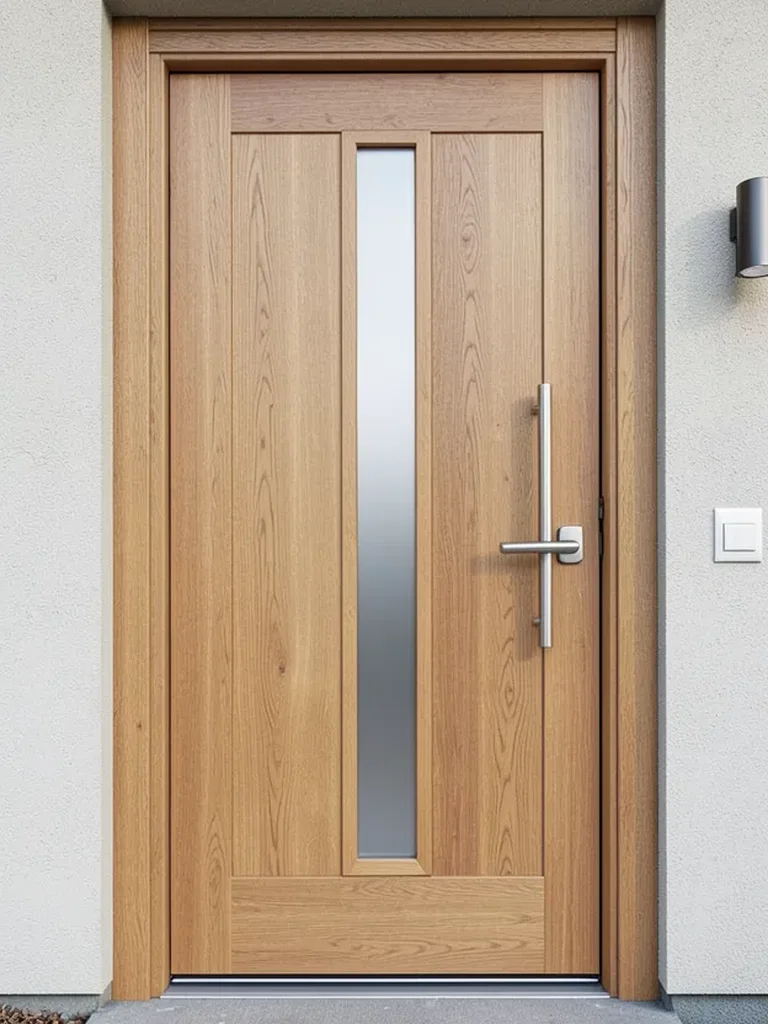
A narrow vertical glass strip — usually frosted, reeded, or textured rather than clear, for privacy — set into a teak frame. It’s a practical choice as much as a stylish one: it lets in a strip of natural light to the entryway without the security or privacy trade-off of a full-glass door. Keep the glass off-center rather than dead-center for a more current look, and choose reeded or fluted glass over plain frosted if you want more texture up close.
3. Pivot Door With Wide Stiles
Instead of hanging on side hinges, a pivot door rotates on a top-and-bottom pivot point set inward from the edge, which lets the door be built oversized (often 4 feet wide or more) without the sagging risk a hinge-hung door that size would have. The wide, heavy stiles this style calls for actually showcase teak’s grain better than a standard-width door. It’s a genuine architectural statement piece, but it needs a structural opening built for it — this isn’t a straightforward retrofit into a standard door frame.
4. Geometric Slat Pattern
Vertical or horizontal wood slats of varying widths, applied over a solid door core or built as a true slatted panel, create a rhythmic geometric pattern that reads as modern without needing carving. It works especially well when the slat spacing continues onto an adjacent fence or screen panel, tying the whole entrance together visually rather than treating the door as an isolated element.
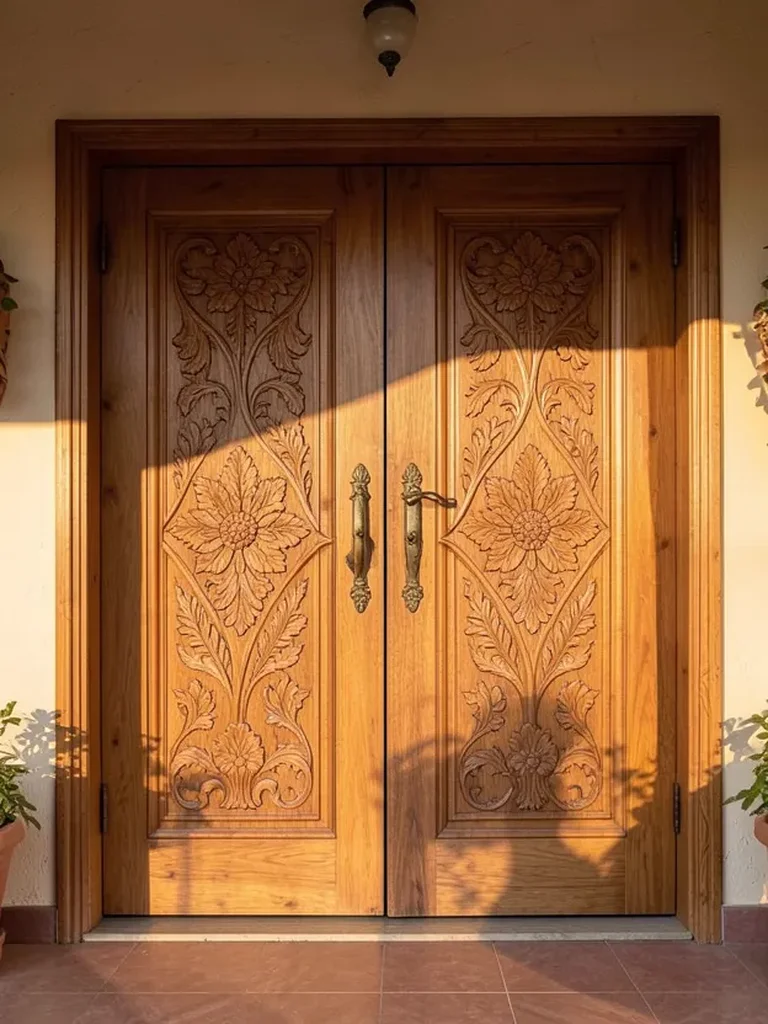
5. Carved Traditional Panel Door
Hand-carved floral or botanical motifs, usually arranged in a symmetrical diamond or medallion layout across raised panels. This is genuinely skilled joinery and carving work, not a surface-applied decoration, which is why it costs meaningfully more than a flush or slatted door of the same size. If you want this look without the full carved-panel price, a carved center medallion on an otherwise plain panel door gets most of the visual impact at a fraction of the labor.
6. Double-Door Grand Entrance
A matched pair of doors, usually with one active leaf and one secondary leaf secured by flush bolts at top and bottom when closed. Carved or paneled double doors read as more formal and are the traditional choice for larger entryways, but be honest about proportions first — a double door needs an opening and portico scaled to match, or it can look oversized rather than grand.
7. Dark-Stained Contemporary
Teak’s natural color runs golden-to-honey brown, but a dark walnut or espresso stain over it reads as more contemporary and pairs well with black window frames and matte black hardware — a combination that’s been consistently popular in current exterior color schemes. One trade-off worth knowing: a dark stain absorbs more heat from direct sun than teak’s natural tone, which can slightly accelerate finish wear on a south- or west-facing door and shorten the interval between recoats.
8. Teak-and-Steel Frame Combination
A teak panel set inside a slim black steel frame, often extended into matching steel-framed sidelights on one or both sides of the door. This is an industrial-modern look that’s become common in newer builds specifically because it lets the door opening run wider and taller than a standard wood frame could support on its own, while still keeping real wood as the visible, touchable surface.
9. Natural Oiled Finish
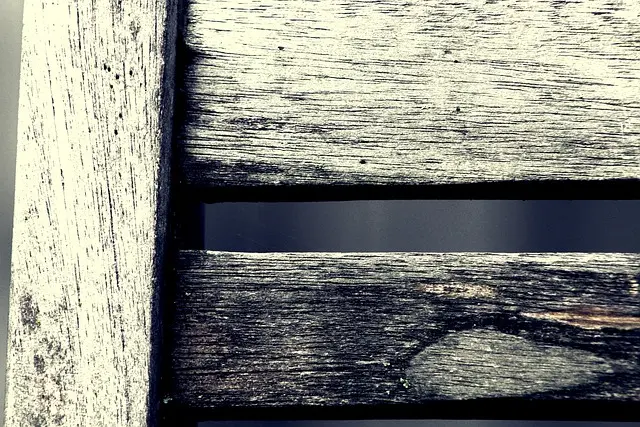
No stain, no paint — just a penetrating teak oil or exterior hardwax oil that lets the grain show at its most natural. This is the lowest-maintenance-looking option in theory, but it actually needs the most consistent upkeep: an unstained, oiled door shows UV graying faster than a stained or painted one, so it typically needs reoiling every 6-12 months in full-sun exposure to keep its color, versus a longer interval for a stained or clear-coated door.
Sourcing: Not All Teak Is Equally Sustainable
It’s common to see teak marketed as automatically eco-friendly, and that’s an oversimplification worth correcting. Most teak sold today comes from managed plantations, particularly in Indonesia, and plantation-grown, FSC-certified teak is a genuinely responsible choice. But teak has also had a real history of illegal and unsustainable logging in parts of Southeast Asia, particularly Myanmar, so sourcing isn’t automatically clean just because the wood is teak. If sustainability matters to your decision, ask your supplier specifically for FSC (Forest Stewardship Council) certification or documented plantation origin rather than taking “eco-friendly” as a given on the label.
Maintenance
Wipe the door down with a soft cloth and mild soap and water periodically — avoid harsh degreasers, which can strip the finish faster than normal weathering would. If the door has an oiled (unstained) finish, plan on reoiling roughly every 6-12 months depending on sun exposure; a stained or clear-sealed finish typically stretches that interval to a couple of years. Check the finish annually for cracking or thinning, especially on the sun-facing side, and touch it up before bare wood is exposed rather than after — teak resists rot well, but repeated wetting of bare, unsealed wood at a door’s bottom edge will eventually cause problems regardless of the species.
Frequently Asked Questions
Is teak actually better than other woods for an exterior main door?
For an exterior application specifically, yes, for a concrete reason: teak’s natural oil content gives it rot and insect resistance that most other woods only get from added chemical treatment. It also holds up to repeated wet-dry cycles better than many alternatives, which matters more for a door than for interior furniture.
Is teak wood sustainable and eco-friendly?
It depends on sourcing, not on the species itself. Plantation-grown teak with FSC certification is a genuinely responsible choice. Teak has also had a documented history of illegal logging in parts of Southeast Asia, so ask suppliers for certification or plantation origin rather than assuming all teak is automatically sustainable.
How often does a teak door need to be refinished?
A natural oiled finish typically needs reoiling every 6-12 months in full sun exposure. A stained or clear-sealed door usually goes a couple of years between recoats. Shaded or covered entrances (under a porch roof, for example) can stretch either interval significantly since UV exposure is the main driver of finish breakdown.
Can a teak door be stained a different color, or does it have to stay natural?
It can be stained. Teak’s tight grain and natural oils mean it takes stain a bit differently than a more porous wood, so it’s worth testing on a scrap piece or an inconspicuous spot first, but dark stains (walnut, espresso) over teak are a common and durable contemporary look.
Bottom Line
Teak earns its reputation as a main-door material on real properties: natural rot and insect resistance from its own oil content, and a hardness that balances durability against workability. Whichever of these nine directions fits your entrance, ask about FSC certification when you buy, and match the maintenance schedule to the finish you pick rather than assuming “teak” alone means low upkeep.
Sponsored / affiliate links. As an Amazon Associate I earn from qualifying purchases. I may earn additional commission from eligible campaigns.
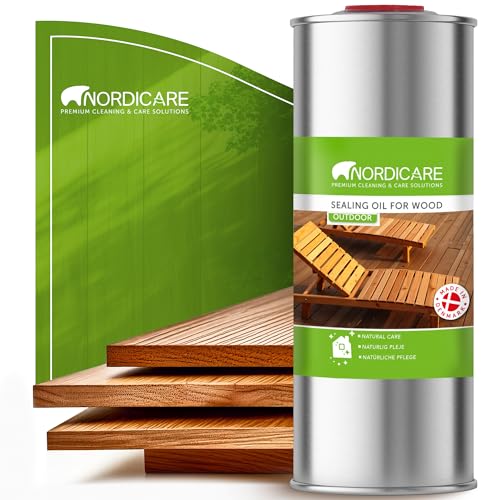 Nordicare Teak Oil for Outdoor Furniture, 34 Oz – Outdoor Wood Oil & Sealer for Teak, Acacia, Oak & More, Helps Restore Weathered Wood and Protect Against Drying, Easy to Apply
 Yuzzy Wood Panels for Wall and Ceiling - 108 x 11 Inch Wood Slat Acoustic Panels 4 PCS - Modern Sound Absorbing Wall Panels for Interior Wall Decor for Home, Office, Studio - Rustic Oak