Termite That Eats Wood: Unveiling Nature’s Silent Destroyer
Imagine waking up one morning and noticing small, mysterious holes in your wooden furniture or walls. Panic sets in as you wonder what could be causing this damage.
Could it be termites? These tiny, yet mighty creatures are notorious for their ability to devour wood, leaving destruction in their wake. Whether you’re a homeowner worried about the structural safety of your house or simply curious about these wood-eating insects, understanding termites is crucial.
You’ll discover everything you need to know about termites that eat wood, how they operate, and most importantly, how to protect your precious home from their grasp. Dive in to uncover the secrets of these silent destroyers and learn practical steps to safeguard your investment from becoming their next meal.
Termites And Their Role In Ecosystems
Termites break down dead wood. This helps the earth. They turn wood into soil. Plants use this soil to grow.
Termites improve soil health. They dig tunnels. These tunnels let air in. Air helps plants grow.
Many animals eat termites. They are an important food source. Birds and small animals rely on them. Termites support life in nature.
Termites help keep forests diverse. They make space for new plants. New plants mean more animals. Termites boost biodiversity in forests.
Biology Of Wood-eating Termites
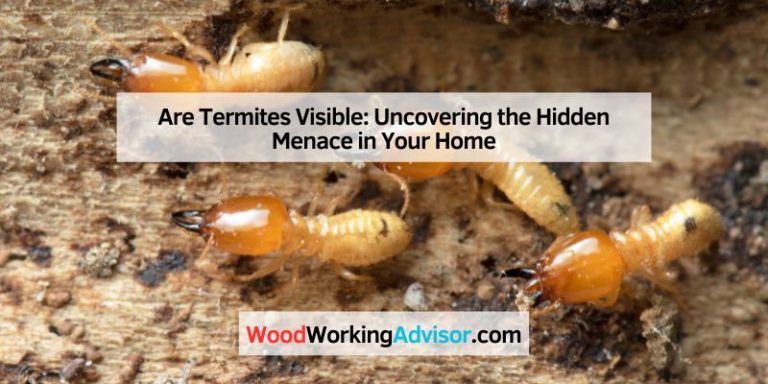
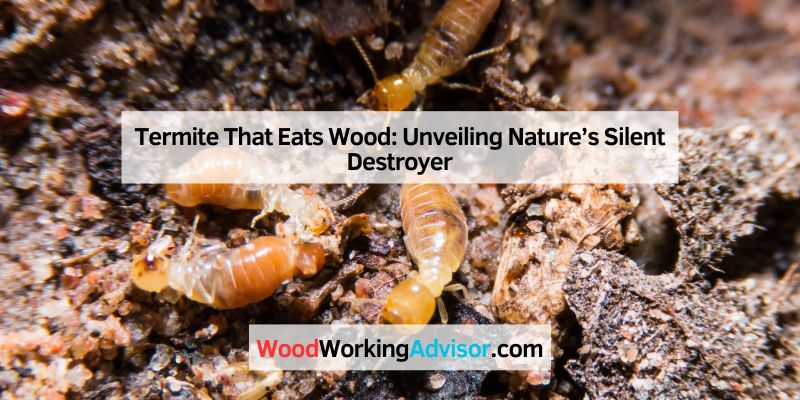
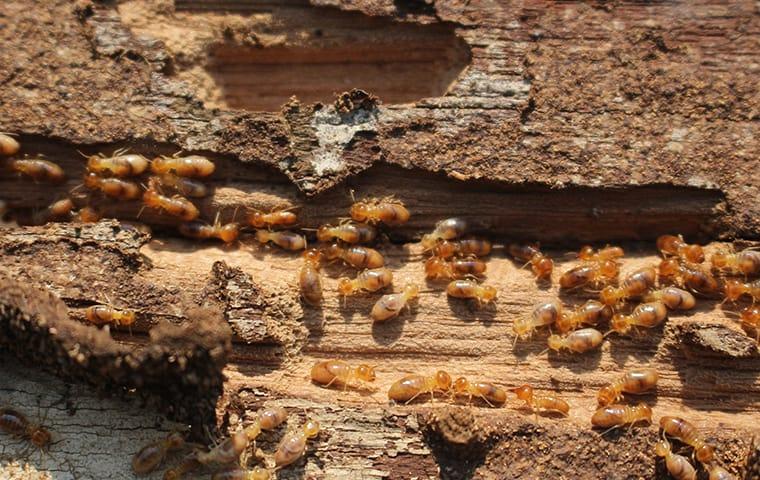
Wood-eating termites have a strong jaw. This jaw helps them bite into wood. Their body is small but mighty. Each termite has six legs. They crawl fast and work together. Termites live in colonies. These colonies have many termites. They build tunnels in wood. Tunnels are dark and narrow.
Termites eat wood with their special stomach. This stomach breaks down tough wood fibers. Microorganisms in the stomach help digest wood. These tiny helpers are very important. Without them, wood cannot be digested. Termites produce special enzymes. These enzymes make digestion easy. They turn wood into energy.
Types Of Termites
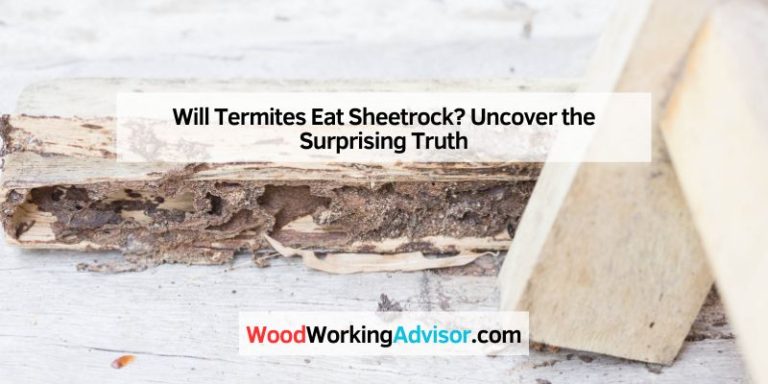
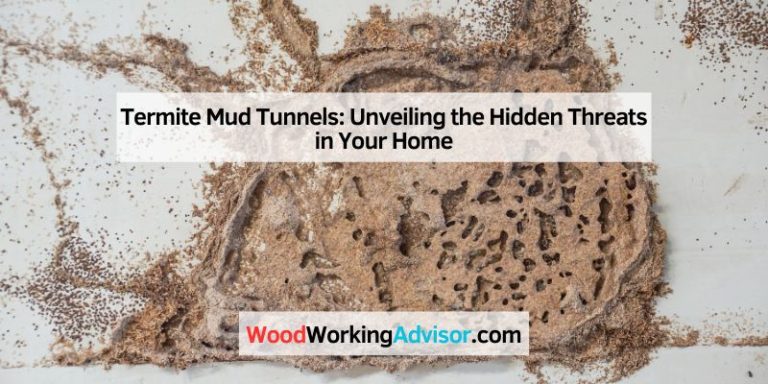
Subterranean termites live underground. They need soil to survive. These termites build mud tubes. Mud tubes protect them from air and predators. Wood is their main food. They eat wood from inside out. This makes wood weak and hollow.
Drywood termites live inside wood. They do not need soil. They can survive in dry places. These termites eat dry wood and furniture. Damage is slow but costly. They leave piles of tiny droppings. Droppings look like sand.
Dampwood termites prefer wet wood. Moisture attracts them. They are found in wet areas. These termites are larger than others. They do not need soil. Rotting wood is their food. They leave smooth tunnels in wood.
Habitat And Distribution
Termites are found all over the world. They like warm places. North America, Africa, and Asia have many termites. Each type lives in different areas. Subterranean termites love underground spaces. Drywood termites enjoy wooden homes and furniture.
Termites need moisture to live. They thrive in damp places. Rainforests are perfect for them. Some live in deserts too. They find water wherever they can. Wood is their favorite food.
Termites build nests in wood. They make tunnels inside. This helps them stay hidden. They eat wood from inside out. They can be very destructive.
Signs Of Termite Infestation
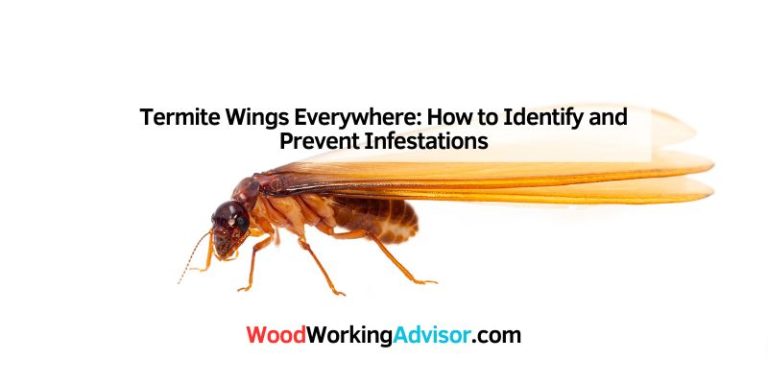
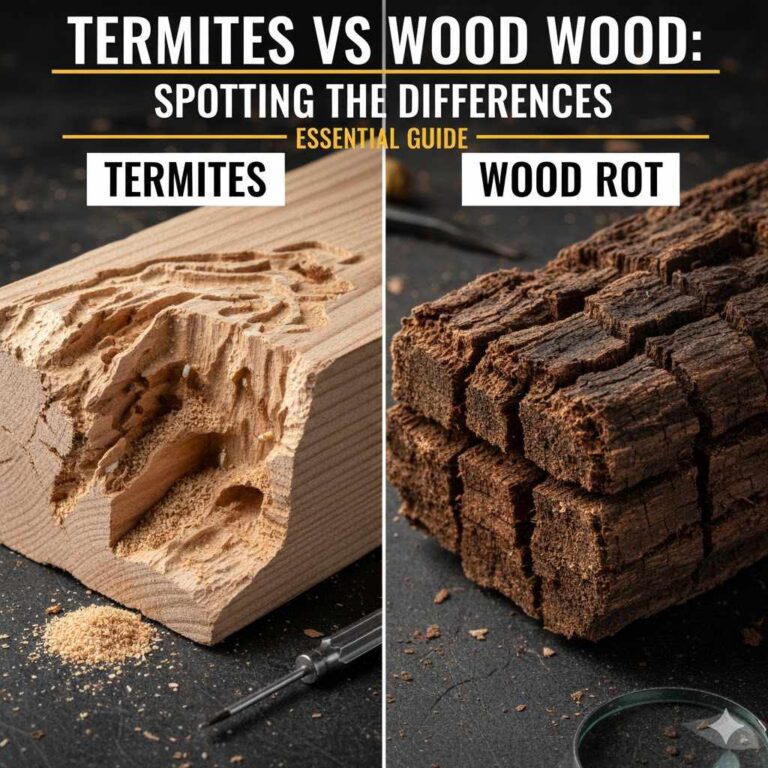
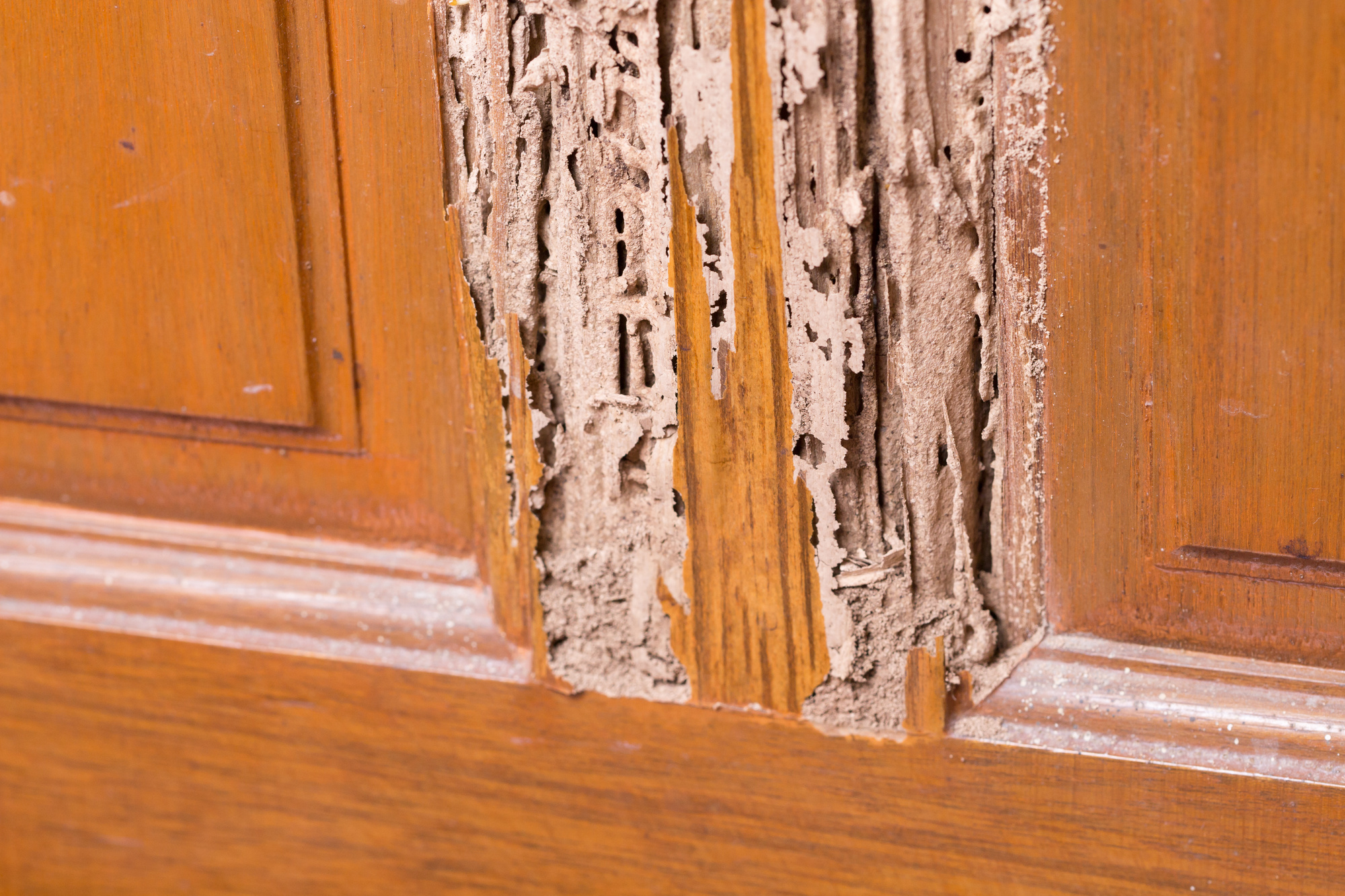
Small holes in wood may mean termites. Mud tubes are a clear sign. These tubes protect termites as they travel. Discarded wings can be found near windows. Termites shed wings after finding a new home. Wood dust or frass is another clue. It looks like sawdust. Bubbling paint on walls can hide termite damage. Listen for quiet clicking sounds from walls. Termites make noise when eating.
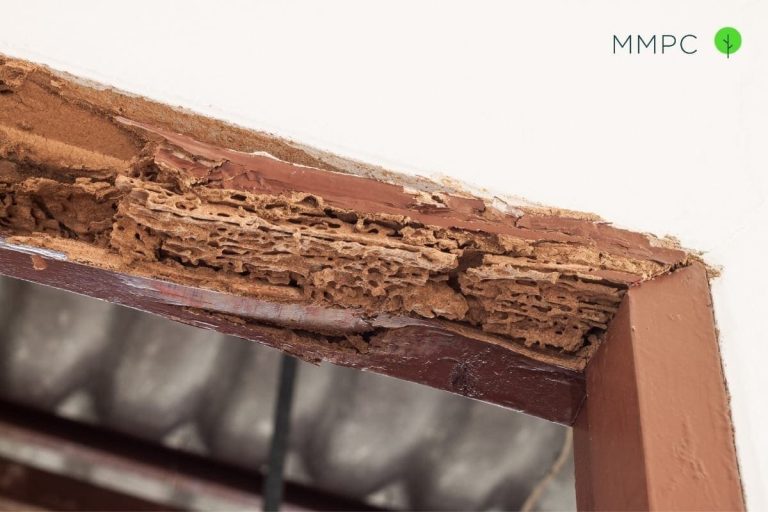
Termites weaken wood structures. Sagging floors can occur. Walls may feel hollow when tapped. Doors and windows might stick. This happens from wood warping. Ceiling damage might cause cracks. Damage can spread fast. Buildings may become unsafe. Inspect homes regularly for safety. Look for termite nests near foundations.
Impact On Human Structures
Termites cause big damage to homes. Repairing this damage is very expensive. Families spend a lot of money fixing broken wood. Businesses lose cash too. Stores and offices need repairs. Insurance may not cover all costs. This adds to the financial burden. Termites make life hard for many people.
Stop termites with smart actions. Use special chemicals around the house. Keep wood dry and clean. Seal cracks in walls and floors. Check for termites often. Hire experts to help. Put screens on windows and doors. These steps keep termites away. It saves money and stress.
Natural Predators And Control
Termites have natural enemies. These enemies help control their numbers.
Ants are one of the biggest threats to termites. They attack and eat termites.
Birds also enjoy eating termites. Some spiders catch termites in their webs.
Even certain beetles hunt termites.
Biological control means using these natural predators.
It is a safe way to manage termites.
This method does not harm the environment.
It keeps termite numbers in check.
Farmers often use this method in their fields.
It helps protect crops and buildings from damage.
Integrated Pest Management, or IPM, combines many methods.
It uses both natural and human-made solutions.
IPM aims for long-term pest control.
It reduces the need for harmful chemicals.
This makes it safer for people and nature.
Farmers like IPM because it is effective.
It helps keep termite damage low.
Credit: www.allamericanpestcontrol.com
Innovative Solutions For Termite Control
Termites can cause damage to wood structures. Chemical treatments help control termites. These treatments are applied to the soil. They create a barrier against termites. Some chemicals are safe for humans and pets. Others require careful handling. Professionals use these treatments to keep homes safe. Regular checks are needed to ensure effectiveness. Proper application is crucial for success. Chemicals should be used with guidance. Safety is important when using chemicals. Always follow instructions carefully.
Advanced monitoring systems help detect termites early. These systems use special devices. They track termite activity in real-time. Some systems send alerts to your phone. Early detection prevents serious damage. Monitoring systems are easy to use. They provide peace of mind to homeowners. Regular updates are essential for accuracy. Professionals often install these systems. Monitoring is crucial to termite control. Keep your home safe with the right tools.
Cultural And Environmental Considerations
Termites consume wood and impact buildings and natural habitats. Cultural beliefs often influence termite control methods. Environmental concerns focus on protecting ecosystems while managing infestations effectively.
Balancing Ecosystem Health
Termites play a big role in nature. They help break down dead wood. This makes the soil rich and healthy. But too many termites can be bad. They might damage houses and trees. So, it’s important to keep a balance. We need to protect our homes and the ecosystem.
Farmers and builders must use sustainable practices. This helps keep termites in check. Simple methods like using natural barriers can help. This means fewer chemicals are needed. It’s good for people and the planet.
Credit: safeguardpestcontrol.com.au
Frequently Asked Questions
What Kind Of Termites Eat Wood?
Subterranean, drywood, and dampwood termites consume wood. Subterranean termites build colonies underground and travel through mud tubes. Drywood termites infest dry wood within structures, while dampwood termites prefer moist wood. Effective control requires identifying the specific termite type. Regular inspections help protect your property from termite damage.
How To Fix Termite Eaten Wood?
To fix termite-eaten wood, remove damaged sections and apply wood hardener. Replace severely damaged areas with new wood. Use termite treatments to prevent future infestations. Regular inspections and maintenance help protect wood structures from termites.
Should I Worry If I See Flying Termites?
Seeing flying termites can indicate a potential infestation. It’s important to act quickly. Contact a pest control professional for an inspection. Early detection can prevent damage to your property. Addressing the issue promptly is crucial for effective termite management and protection of your home.
How Serious Are Drywood Termites?
Drywood termites cause significant structural damage, weakening buildings over time. Infestations often remain hidden until severe harm occurs. They can destroy wood furniture and fixtures. Effective treatment and regular inspections are crucial to prevent costly repairs. Professional pest control can help manage and eliminate these pests.
Conclusion
Termites are small but cause big problems. They eat wood and damage homes. Identifying termite signs early can save money and stress. Regular home inspections help catch issues before they escalate. Protect your investment with termite treatment and prevention. Use professional pest control services for effective results.
Knowledge about termites helps in taking proactive steps. Stay informed and keep your home safe. Simple actions today can prevent costly repairs tomorrow. Protect your wooden structures and maintain peace of mind. Act now to secure your home from termites.